- Company Articles
- Products and Technology
- Solution
- Recycling Aluminum Guide Rail B: Closing the Loop in Sustainable Manufacturing

Recycling Aluminum Guide Rail B: Closing the Loop in Sustainable Manufacturing
Related Product
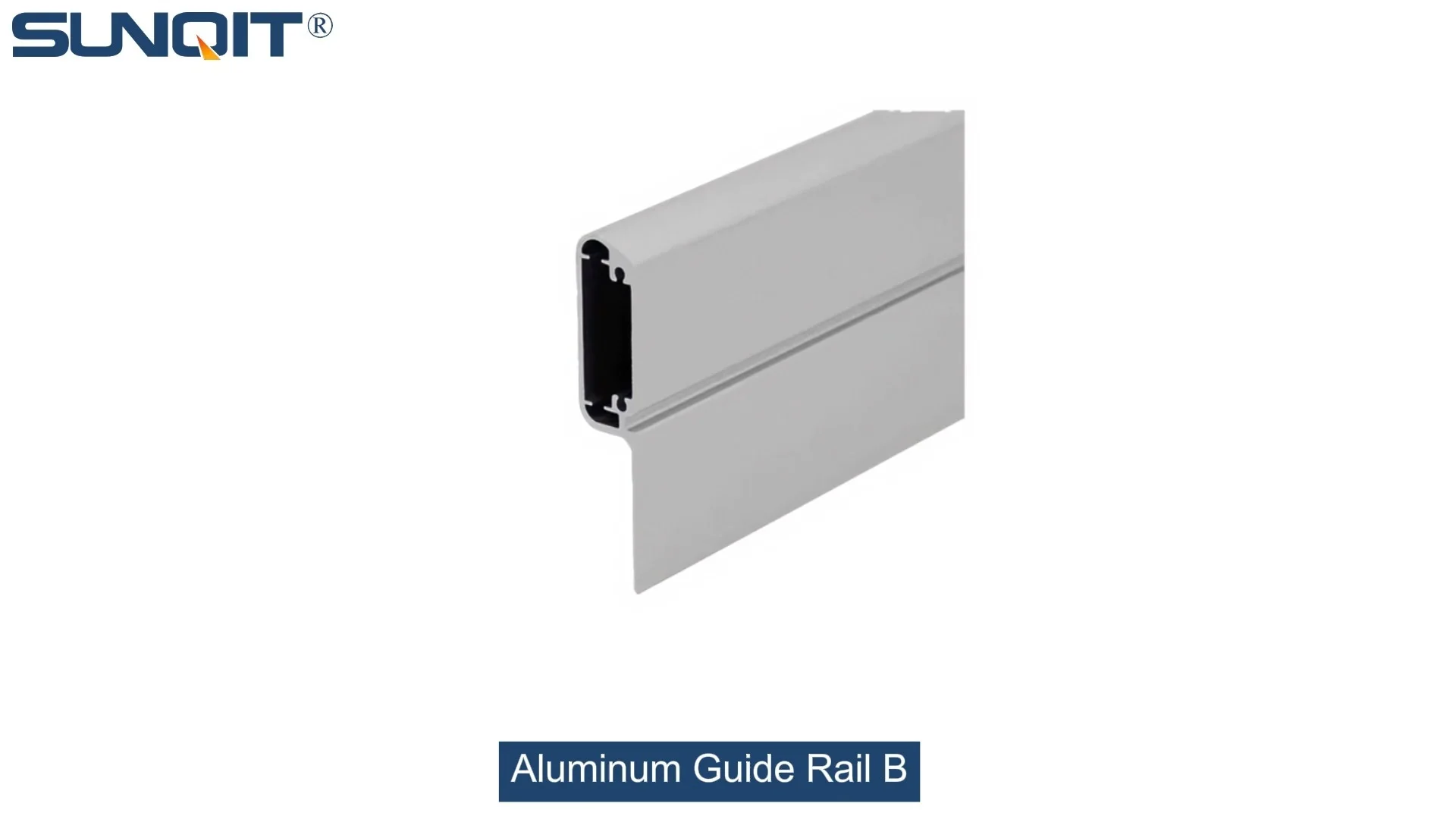
Aluminum Guide Rail B
The aluminum guide rails hold the transport goods securely on the roller track. For installation, the guide rails are simply pushed over the roller tracks.To protect sensitive products.
How one essential component is redefining eco-friendly production for the modern manufacturing era
The Silent Hero of Modern Factories: Aluminum Guide Rail B's Unsung Role
In the bustling heart of a manufacturing plant—whether it's assembling smartphones, packaging medical devices, or organizing warehouse inventory—there's a component working tirelessly behind the scenes: the aluminum guide rail B . It's not the flashiest piece of equipment, but without it, the smooth flow of materials on flow racks , the precision alignment of parts on lean pipe workbenches , and the steady movement of goods along conveyors would grind to a halt. For decades, this unassuming aluminum profile has been the backbone of efficient production lines, quietly enabling the speed and accuracy that modern manufacturing demands.
But here's the problem: (manufacturing) isn't just about speed and accuracy anymore. Today, it's equally about responsibility. As climate change concerns mount and regulations tighten, factories worldwide are under pressure to reduce their environmental footprint. Landfills overflow with discarded metal components, and the energy-intensive process of mining and refining raw aluminum continues to contribute to global carbon emissions. In this context, the aluminum guide rail B—durable, versatile, and inherently recyclable—suddenly becomes more than just a production tool. It becomes a bridge between operational efficiency and environmental stewardship.
Consider a typical electronics manufacturing plant running three shifts a day. Its production line relies on aluminum guide rail B to guide circuit boards along conveyor belts, ensuring each component is placed with millimeter precision. After five years of heavy use, minor wear and tear might prompt a replacement. In the past, that old rail would likely end up in a landfill, its potential untapped. But today, forward-thinking manufacturers are asking: What if we could give this rail a second life? What if its journey didn't end at the production line, but looped back to become part of a new workbench, a new flow rack, or even a new guide rail?
This is the promise of closing the loop—turning "end-of-life" into "new beginning." And it starts with understanding just how valuable aluminum guide rail B is, not just in its first use, but in every life that follows.
Why Aluminum? The Environmental and Economic Case for Recycling Guide Rails
Aluminum has long been a favorite in manufacturing for its unique blend of strength, lightness, and corrosion resistance. But its most compelling attribute might be its recyclability. Unlike many materials that degrade when recycled, aluminum can be melted down and reused indefinitely without losing quality. This isn't just a green talking point—it's a game-changer for both the planet and the bottom line.
| Metric | Primary Aluminum (From Ore) | Recycled Aluminum (From Scrap) | Environmental/Economic Benefit |
|---|---|---|---|
| Energy Consumption | 14,000 kWh per ton | 620 kWh per ton | 95% reduction in energy use |
| Carbon Emissions | 12.4 tons CO₂ per ton | 0.6 tons CO₂ per ton | 95% lower carbon footprint |
| Raw Material Cost | Higher (depends on bauxite prices) | 30-50% lower than primary aluminum | Significant cost savings for manufacturers |
| Waste Generation | High (mine tailings, refining byproducts) | Minimal (scrap processing waste) | Reduced landfill dependency |
For aluminum guide rail B, these numbers tell a powerful story. A single ton of recycled aluminum from old guide rails saves enough energy to power a typical manufacturing facility for nearly a week. It cuts carbon emissions by the equivalent of taking two cars off the road for a year. And for businesses, the cost savings are impossible to ignore—especially in industries like 3C assembly and medical device manufacturing, where profit margins often hinge on operational efficiency.
But recycling aluminum guide rail B isn't just about melting it down and pouring it into new molds. It's about honoring the lean (lean philosophy) that guides modern manufacturing: "," (reusable, continuously improvable). A well-designed guide rail isn't just built to last—it's built to be disassembled, repaired, and recycled with minimal effort. This is where aluminum profile accessories like internal rotatary aluminum joints and modular connectors come into play. By designing the rail to be easily separated from other components, manufacturers eliminate the need for destructive disassembly, ensuring more of the material can be recovered and reused.
Take, for example, a material rack B (3 row and 3 floor) used in a warehouse. Its aluminum guide rails are attached using standardized connectors, not welded or glued. When the rack is retired, workers can quickly unscrew the rails, separate them from plastic or steel components, and send them directly to a recycling facility. No special tools, no wasteful cutting, no unnecessary labor—just pure efficiency, in line with the lean principles that define the best lean system suppliers .

From Design to Recycling: The Closed-Loop Journey of Aluminum Guide Rail B
Closing the loop on aluminum guide rail B doesn't happen by accident. It requires intentionality at every stage—from the drawing board to the recycling bin. Let's walk through this journey, step by step, to see how manufacturers can turn a linear "use-and-discard" model into a sustainable cycle of renewal.
Stage 1: Designing for Recyclability
The first step toward a closed loop is designing aluminum guide rail B with recycling in mind. This means prioritizing simplicity, standardization, and material purity. At leading lean pipe suppliers , engineers avoid complex alloys that are hard to recycle, instead sticking to high-purity aluminum profiles that can be easily melted and reused. They also minimize the use of non-aluminum components—like plastic coatings or steel fasteners—and when they do use them, they ensure they're easy to remove.
Consider the workbench E (single deck-without caster) , a staple in 3C assembly lines. Its frame relies on aluminum guide rails connected by internal rotatary joints. These joints are designed to loosen with a simple wrench, allowing the rails to be detached in minutes. There's no need for power tools or chemicals—just a few turns, and the aluminum is free to be recycled. This level of design thinking transforms the workbench from a disposable piece of equipment into a collection of reusable components.
Stage 2: Maximizing Lifespan Through Maintenance
Recycling is most impactful when it's a last resort, not a first option. The longer an aluminum guide rail B stays in use, the less energy is wasted on recycling and remanufacturing. That's why lean solution providers emphasize maintenance and repair as part of their sustainability strategy. A rail with minor scratches or dents doesn't need to be replaced—it can be sanded, repainted, or reinforced with aluminum pipe accessories to extend its life by years.
Take a medical device manufacturer using aluminum guide rails on their cleanroom conveyors. Even in a sterile environment, constant friction can wear down the rail's surface. Instead of replacing the entire rail, the manufacturer uses specialized aluminum guide rail A as a protective cover, snapping it onto the existing rail to restore smooth operation. This "repair, don't replace" mindset not only saves money but also reduces the demand for new aluminum production.
Stage 3: Efficient Collection and Sorting
When an aluminum guide rail B finally reaches the end of its service life, the next challenge is getting it to a recycling facility intact and uncontaminated. This requires clear protocols for collection and sorting. The best lean pipe wholesale suppliers work with manufacturers to implement color-coded bins for aluminum scrap, separating it from steel, plastic, and other materials. They also provide training for workers on how to disassemble components properly, ensuring that the aluminum remains clean and free of attachments that could contaminate the recycling process.
In a large automotive parts plant, for example, each production line has designated "aluminum only" bins placed near areas where guide rails are most likely to be replaced. Workers are trained to remove non-aluminum parts before disposal, and a weekly audit ensures compliance. This simple system reduces contamination rates from 20% to less than 5%, making the recycling process more efficient and cost-effective.
Stage 4: Remanufacturing and Reintroduction
Once recycled, aluminum guide rail B doesn't disappear—it's reborn. At recycling facilities, the aluminum is melted down, purified, and extruded into new profiles. These profiles can then be used to make everything from new guide rails and lean pipe workbenches to aluminum honeycomb panels and material racks. The beauty of this process is that there's no loss in quality: a recycled aluminum guide rail is just as strong, durable, and precise as one made from primary aluminum.
Some manufacturers take this a step further by creating "closed-loop partnerships" with their suppliers. A 3C assembly company, for instance, might send its old aluminum guide rails back to the same aluminum pipe supplier that provided them. The supplier recycles the rails, uses the recycled aluminum to make new guide rails, and sells them back to the company at a discounted rate. This circular model not only reduces costs but also strengthens the supply chain, creating a mutually beneficial relationship built on sustainability.

Real-World Impact: Case Studies in Closed-Loop Manufacturing
Talk of sustainability is meaningless without tangible results. Let's explore how three different industries—3C assembly, medical device manufacturing, and (warehousing and logistics)—have leveraged aluminum guide rail B recycling to reduce their environmental impact while improving their bottom line.
Case Study 1: 3C Assembly – A Global Electronics Manufacturer
A leading producer of smartphones and laptops operates 20 production lines across Asia, each relying heavily on aluminum guide rails for material handling. In 2022, the company set a goal to reduce its carbon footprint by 30% within five years. One of its first moves was to partner with a lean solution provider specializing in recyclable aluminum systems.
The provider replaced the manufacturer's traditional steel guide rails with aluminum guide rail B, paired with modular lean pipe workbenches and flow racks . The new system was designed for easy disassembly, and the manufacturer implemented a recycling program for old rails. Within two years, they recycled over 500 tons of aluminum, saving an estimated 6,700 MWh of energy—enough to power 600 homes for a year. The program also reduced raw material costs by 18%, helping the company reinvest in other sustainability initiatives.
Case Study 2: Medical Device Manufacturing – A European Healthcare Supplier
Medical device manufacturing demands strict hygiene and precision, making aluminum an ideal material for its resistance to corrosion and easy cleaning. A European medical equipment company producing surgical tools and diagnostic devices wanted to align its production practices with its mission of "healing the planet as we heal people."
Working with a lean system supplier , the company redesigned its production lines using ESD workbenches and aluminum guide rails that could be fully recycled. They also implemented a "take-back" program for old equipment, collecting aluminum components from hospitals and clinics when they upgraded their systems. In 2023, the program recycled 120 tons of aluminum, preventing 1,440 tons of CO₂ emissions—equivalent to planting 7,200 trees. The company's sustainability report highlighted this initiative as a key driver in its 25% increase in client retention that year.
Case Study 3: Warehousing and Logistics – A North American Distribution Center
Warehouses are often overlooked in sustainability discussions, but their reliance on material handling equipment makes them prime candidates for aluminum recycling. A large North American logistics company operating 50 distribution centers wanted to reduce its landfill waste, which included thousands of discarded aluminum guide rails from old flow racks and conveyors.
The company partnered with a flow rack supplier to implement a closed-loop system. When a distribution center upgraded its racks, the old aluminum guide rails were collected, sorted, and sent to a recycling facility. The recycled aluminum was then used to produce new flow racks for other centers. In the first year, the program diverted 800 tons of aluminum from landfills and saved the company $400,000 in material costs. Employees reported higher job satisfaction, too, proud to work for a company prioritizing environmental responsibility.
"Sustainability isn't just a buzzword for us—it's a competitive advantage. By recycling aluminum guide rails, we're not just reducing our carbon footprint; we're building stronger relationships with clients who care about the planet. It's a win-win." — Logistics Director, North American Distribution Center

Beyond the Rail: How Aluminum Recycling Fits Into a Broader Lean Strategy
Recycling aluminum guide rail B is more than just an environmental initiative—it's a natural extension of the lean principles that drive modern manufacturing. Lean manufacturing is about eliminating waste, optimizing efficiency, and continuously improving processes. What could be more wasteful than discarding a valuable material like aluminum? What could be more efficient than reusing resources you already own?
At its core, the lean (lean philosophy) is about respect—for your workers, your customers, and your planet. By recycling aluminum guide rails, manufacturers show respect for the Earth's finite resources and for future generations who will depend on them. They also demonstrate respect for their own bottom line, turning waste into wealth through cost savings and new business opportunities.
Consider the role of (custom solutions) in this equation. A one-size-fits-all approach to manufacturing often leads to overproduction, excess inventory, and unnecessary waste. But a custom lean solution, tailored to a company's specific needs, ensures that every aluminum guide rail, every lean pipe workbench, and every conveyor is used to its full potential. When the system is no longer needed, its modular design allows components to be repurposed or recycled, minimizing waste and maximizing value.
For example, a 3C (3C assembly) plant might need a temporary production line for a new smartphone model. Instead of building a permanent line with non-recyclable materials, the plant uses a custom lean system with aluminum guide rails and modular workbenches. When the model is discontinued, the line is disassembled, and the aluminum components are either reused in another line or recycled. This flexibility not only reduces waste but also allows the plant to adapt quickly to changing market demands—a critical advantage in the fast-paced electronics industry.
Looking ahead, the future of aluminum recycling in manufacturing is bright. As technology advances, we can expect even more efficient recycling processes, better design tools for recyclable components, and stronger partnerships between manufacturers, suppliers, and recycling facilities. Some companies are already experimenting with "digital passports" for aluminum components, using blockchain technology to track a guide rail's journey from production to recycling, ensuring full transparency and accountability.
But the real progress will come when recycling aluminum guide rail B is no longer seen as a "sustainability project" but as standard operating procedure. When manufacturers automatically design for recyclability, when workers instinctively separate aluminum scrap, and when suppliers prioritize recycled materials as a matter of course, we'll have truly closed the loop. And in doing so, we'll have created a manufacturing industry that's not just efficient and profitable, but truly sustainable for generations to come.
Conclusion: The Power of Small Components in a Big Sustainability Movement
Aluminum guide rail B may be small in size, but its impact on sustainable manufacturing is enormous. It represents a shift in mindset—from seeing manufacturing as a linear process of extraction and disposal to recognizing it as a circular system of reuse and renewal. In a world where every business is being asked to do more with less, recycling aluminum guide rails isn't just a choice; it's a necessity.
For manufacturers ready to take the first step, the path is clear: start by evaluating your current aluminum systems. Are your guide rails, workbenches, and racks designed for recycling? Do you have a process in place to collect and sort aluminum scrap? Are you working with suppliers who share your commitment to lean, sustainable practices? These questions aren't just about the environment—they're about building a more resilient, efficient, and successful business.
As we move forward, let's remember that sustainability isn't about grand gestures or empty promises. It's about the small, intentional choices we make every day—the decision to repair instead of replace, to recycle instead of discard, to design with the future in mind. Aluminum guide rail B may be a humble component, but in honoring its potential for reuse, we honor the planet, our customers, and the generations who will follow in our footsteps.
So the next time you walk through a manufacturing plant, take a moment to look down at the guide rails guiding products along the line. See them not as just metal and bolts, but as a symbol of what's possible when efficiency and sustainability walk hand in hand. Together, one rail at a time, we can close the loop and build a manufacturing future we can all be proud of.