- Company Articles
- Products and Technology
- Product knowledge
- Reducing Workplace Accidents with Suction Cup Anti-Slip Foot Adjusters

Reducing Workplace Accidents with Suction Cup Anti-Slip Foot Adjusters
Related Product
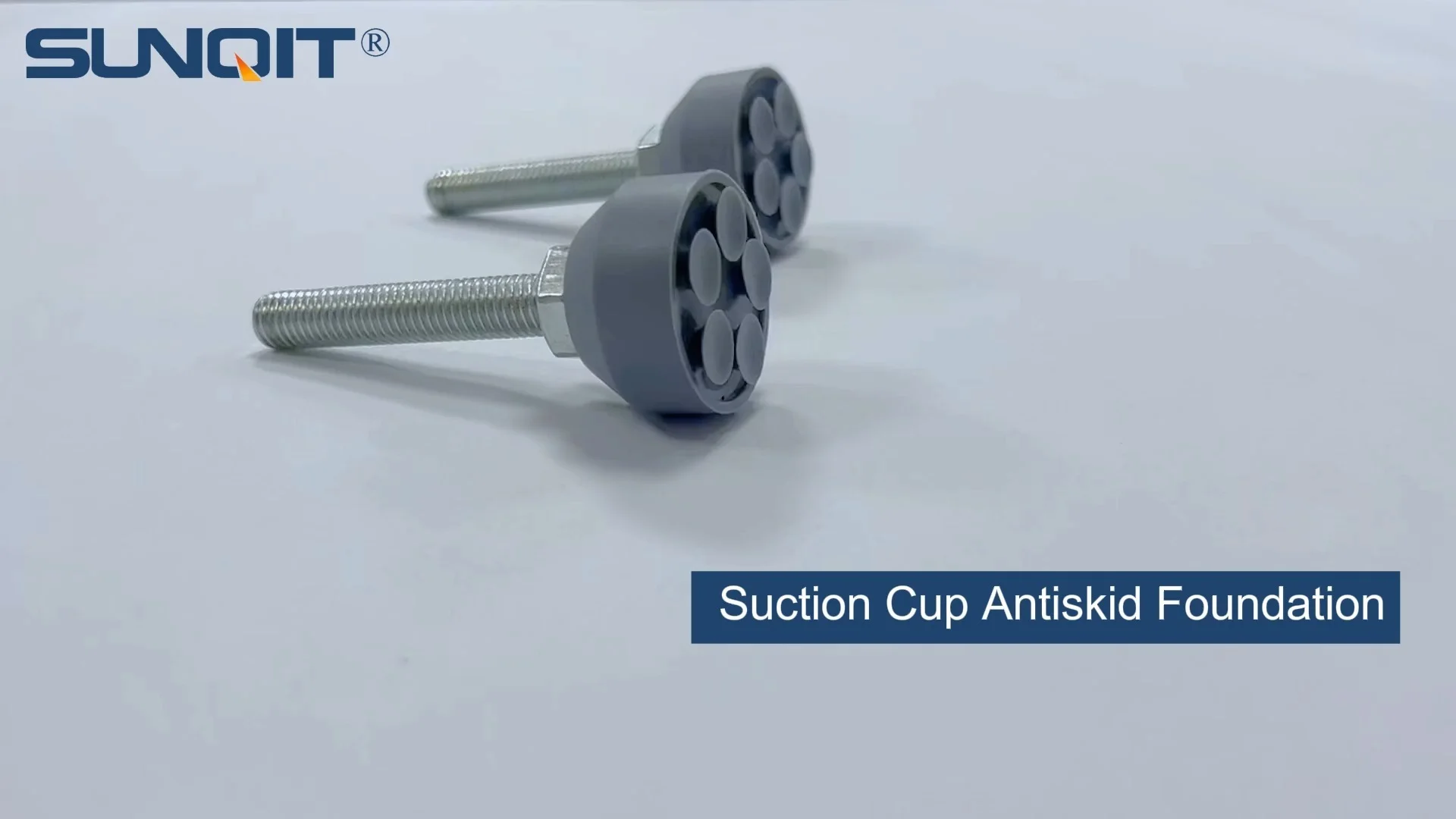
Suction Cup Anti-slip Foot Adjuster
D=35mm suction cup anti-slip foot adjusterï¼screw M10*55ï¼with a blot, used for workbench, flowrack pipe contact with groud.
Walk into any busy manufacturing plant, warehouse, or assembly workshop, and you'll notice a symphony of movement: workers hurrying to meet deadlines, tools clinking, and materials gliding across workbenches. In the middle of this organized chaos, there's an unsung hero that often goes unnoticed—until something goes wrong. I'm talking about stability. A wobbly workbench, a rolling cart that won't stay put, or a machine that shifts mid-operation isn't just an annoyance; it's a ticking time bomb for accidents. Slips, trips, and falls account for nearly 25% of all workplace injuries, according to the Occupational Safety and Health Administration (OSHA), and many of these incidents trace back to unstable equipment. But what if there was a simple, affordable solution to anchor that chaos? Enter the suction cup anti-slip foot adjuster —a small but mighty tool that's quietly revolutionizing workplace safety, one stable workbench at a time.
The Hidden Cost of Unstable Equipment
Before we dive into how suction cup anti-slip foot adjusters work, let's talk about why stability matters. Think about a typical workbench in a electronics assembly line. It holds delicate circuit boards, precision tools, and maybe even a laptop for quality checks. If that workbench rocks slightly when someone leans on it, a soldering iron could slip, scorching a component—or worse, a hand. In a warehouse, a mobile cart with faulty casters might veer off course, colliding with a worker or tipping over, spilling heavy materials. Even a small shift in a material rack can cause boxes to topple, leading to crushed toes or damaged inventory.
These aren't just "bad luck" scenarios. Unstable equipment erodes productivity, too. Workers slow down to compensate for wobbly surfaces, double-checking their movements to avoid accidents. Over time, this hesitation adds up, eating into deadlines and increasing frustration. And when accidents do happen, the costs pile up: medical bills, lost workdays, insurance claims, and a damaged company reputation. For businesses invested in lean system principles—where efficiency and safety go hand in hand—unstable equipment is the ultimate form of waste: waste of time, waste of resources, and waste of trust.
What Are Suction Cup Anti-Slip Foot Adjusters?
At first glance, a suction cup anti-slip foot adjuster might look like a humble piece of hardware. It's not flashy, and it doesn't have any high-tech sensors or buttons. But don't let its simplicity fool you. This tool is engineered to solve one critical problem: keeping equipment firmly rooted to the ground, even in high-traffic, high-stress environments.
Let's break down the basics. Most suction cup anti-slip foot adjusters consist of three key parts: a durable base with a rubberized suction cup, a threaded metal rod (often made of stainless steel or aluminum), and a top plate that attaches to the equipment (like a workbench leg or cart frame). The magic happens in the suction cup: when pressed against a smooth, clean surface (like concrete or tile), it creates a vacuum seal, effectively "sticking" the equipment to the floor. The threaded rod lets you adjust the height, so you can level the equipment even if the floor is uneven—no more propping up wobbly tables with scraps of wood or cardboard.
Unlike basic rubber feet (which wear out quickly) or fixed metal legs (which can't adapt to uneven floors), these adjusters combine flexibility with grip. They're designed to handle heavy loads, resist oil and chemicals (common in industrial settings), and stand up to the daily wear and tear of busy workplaces. And because they're adjustable, they work with almost any equipment—from lightweight workbenches to heavy-duty material racks.

How Suction Cup Anti-Slip Foot Adjusters Prevent Accidents
So, how exactly do these adjusters turn a shaky workbench into a rock-solid foundation? Let's break it down step by step:
- The Suction Cup Seal: When you install the adjuster, you screw it into the equipment leg and lower the suction cup to the floor. As you press down, air is squeezed out from under the cup, creating a vacuum. This vacuum increases friction between the cup and the floor, making it exponentially harder for the equipment to slide—even if someone bumps into it.
- Height Adjustment for Leveling: Most workshop floors aren't perfectly flat. Cracks, uneven concrete, or worn tiles can make equipment rock back and forth. The threaded rod on the adjuster lets you tweak the height of each leg individually, ensuring the equipment sits perfectly level. A level surface means no more "tipping point" where a slight movement could cause a spill or collapse.
- Anti-Slip Materials: The suction cup itself is usually made of high-density rubber or silicone, which has a naturally high coefficient of friction. This material grips both smooth and slightly textured floors, unlike metal feet, which can slide on polished concrete. Even if the floor is damp (from a spilled cleaning solution, for example), the rubber resists slipping better than plastic or bare metal.
- Durability Under Pressure: These adjusters are built to handle weight. A typical model can support up to 500 pounds per foot, meaning even a fully loaded workbench or material rack won't compress the cup or break the seal. This durability ensures they don't wear out quickly, so you won't have to replace them every few months.
Imagine a scenario: A worker in a car parts factory is assembling brake components on a workbench fitted with suction cup anti-slip foot adjusters. The bench is loaded with heavy metal parts, and the worker leans heavily on one corner to reach a tool. Without the adjusters, the bench might rock, causing a part to fall. But with the suction cups sealed to the floor and the legs leveled, the bench stays put. No fall, no damaged part, no injury. That's the difference stability makes.

Why They're a Game-Changer for Lean Systems
For businesses that follow lean system principles—focused on eliminating waste, improving efficiency, and prioritizing employee well-being—suction cup anti-slip foot adjusters are a natural fit. Here's why:
- Waste Reduction: Lean systems hate waste, and accidents are the ultimate waste of time, money, and resources. By preventing slips and falls, these adjusters reduce downtime from injuries and equipment damage, keeping production lines running smoothly.
- Improved Ergonomics: A stable workbench isn't just safer—it's more comfortable. When equipment doesn't rock, workers can focus on their tasks without straining to compensate for instability. This reduces fatigue and repetitive strain injuries, which are common in jobs that require prolonged standing or precise movements.
- Flexibility: Lean systems thrive on adaptability. Workbenches, carts, and racks are often reconfigured to meet changing production needs. Suction cup anti-slip foot adjusters are easy to install and remove, so you can move equipment without sacrificing stability. Unlike permanent fixes (like bolting a workbench to the floor), they let you rearrange your workspace on the fly.
- Cost-Effectiveness: Compared to other safety upgrades—like installing non-slip flooring or replacing entire workbenches—suction cup anti-slip foot adjusters are budget-friendly. A set of four adjusters costs a fraction of what you'd pay for a single accident claim, making them a high-return investment.

Suction Cup Adjusters vs. Other Anti-Slip Solutions: A Head-to-Head
You might be thinking, "Can't I just use rubber pads or heavier casters?" It's a fair question. Let's compare suction cup anti-slip foot adjusters to three common alternatives to see why they stand out:
| Solution | Grip Strength | Adjustability | Compatibility with Uneven Floors | Long-Term Durability |
|---|---|---|---|---|
| Suction Cup Anti-Slip Foot Adjusters | High (vacuum seal + rubber grip) | Excellent (threaded rod for height adjustment) | Very Good (levels uneven surfaces) | 5+ years (resists wear, oil, and chemicals) |
| Rubber Pads (Adhesive) | Medium (friction but no vacuum) | Poor (fixed height; no adjustment) | Poor (can't level; may peel on uneven floors) | 6–12 months (adhesive weakens; pads wear thin) |
| Caster Wheels (with brakes) | Low (brakes can slip; wheels roll on smooth floors) | Medium (height fixed; some swivel lock) | Poor (wheels can get stuck in cracks) | 2–3 years (bearings wear; brakes fail) |
| Fixed Metal Feet | Very Low (smooth metal slides easily) | None (permanently fixed height) | Very Poor (rocks on uneven floors) | Long (but unsafe due to low grip) |
*Data based on average user reviews and manufacturer specifications for industrial-grade products.
The table says it all: suction cup anti-slip foot adjusters outperform alternatives in grip, adjustability, and durability. They're not just a "good enough" solution—they're the gold standard for keeping equipment stable.
Real-World Impact: A Case Study
To put this in perspective, let's look at a real example. A mid-sized automotive parts manufacturer in Michigan was struggling with frequent accidents involving their assembly workbenches. The facility had recently switched to aluminum profile workbenches—lightweight, modular, and perfect for their lean system—but the standard plastic feet that came with the benches were slippery on their polished concrete floors. Over six months, there were three incidents: a worker tripped when a bench shifted, a box of screws spilled after a cart collided with a bench, and a quality inspector strained her back when leaning on a wobbly bench to check a part.
The safety manager, Maria, decided to test suction cup anti-slip foot adjusters. She retrofitted 10 workbenches with the adjusters and tracked accident data for the next six months. The results were staggering: zero accidents related to unstable equipment. Workers reported feeling more confident leaning on the benches, and productivity ticked up by 8% because employees weren't pausing to steady themselves. "It was like night and day," Maria told me. "We thought the aluminum profile benches were the upgrade, but the real upgrade was the feet. They're so simple, but they made our shop feel like a whole new place."
Maria's story isn't unique. From small machine shops to large distribution centers, businesses are discovering that stability isn't just a nice-to-have—it's a must-have. And suction cup anti-slip foot adjusters are the easiest way to achieve it.
How to Install Suction Cup Anti-Slip Foot Adjusters (It's Easier Than You Think)
You might be worried that installing these adjusters requires special tools or technical expertise. Fear not—most models are designed for "DIY-friendly" installation. Here's a quick guide:
- Gather Your Tools: All you need is a wrench (or adjustable pliers) and a level. Some adjusters come with a built-in wrench flat on the threaded rod, so you might not even need extra tools.
- Remove Old Feet: If your equipment already has feet (like plastic or metal ones), unscrew them. Most workbenches and carts have threaded holes in the legs, so this is usually just a matter of twisting the old feet off.
- Screw in the Adjusters: Thread the suction cup anti-slip foot adjusters into the leg holes. Hand-tighten them first to avoid cross-threading, then use the wrench to snug them up—don't over-tighten, as this can damage the threads.
- Level the Equipment: Place the level on the workbench surface. If it's uneven, twist the adjusters up or down to raise or lower each leg until the bubble is centered. This might take a minute or two, but it's crucial for maximum stability.
- Press to Seal: Once level, press down firmly on each corner of the equipment to ensure the suction cups make full contact with the floor. You'll hear a slight "pop" as air is squeezed out—this means the vacuum seal is set.
- Test It Out: Give the equipment a gentle push or lean on it. It should feel solid, with no rocking or sliding. If it still moves, check the level again or make sure the suction cups are clean (dust or debris can break the seal).
Pro tip: Clean the floor and the suction cups with a damp cloth before installation. Dirt or oil can prevent the suction cup from sealing properly. And if you ever need to move the equipment, simply twist the adjusters to raise the suction cups off the floor—no need to remove them entirely.
Maintenance Tips to Keep Them Working Like New
Suction cup anti-slip foot adjusters are low-maintenance, but a little care goes a long way. Here's how to keep them in top shape:
- Clean the Suction Cups Regularly: Wipe the cups with a damp cloth every month to remove dust, oil, or grime. This ensures the seal stays strong. Avoid harsh chemicals, as they can degrade the rubber over time.
- Check for Wear: Inspect the cups for cracks or tears every few months. If you notice damage, replace the adjuster—even a small crack can break the vacuum seal.
- Tighten Loose Adjusters: If a leg starts to wobble, it might just be a loose adjuster. Give it a quick twist with a wrench to snug it up.
- Adjust for Seasonal Changes: Floors can expand or contract with temperature and humidity. If you notice your equipment rocking after a big temperature swing, re-level the adjusters to compensate.
With this minimal care, your adjusters should last 5–7 years—making them one of the most cost-effective safety investments you can make.
The Bottom Line: Stability = Safety = Success
Workplace safety isn't about grand gestures or expensive overhauls. It's about the small, intentional choices that add up to a culture of care. Suction cup anti-slip foot adjusters might not grab headlines, but they're a testament to that idea. They turn unstable workbenches into anchors, wobbly carts into steady allies, and anxious workers into confident contributors.
Whether you're running a lean system, upgrading to aluminum profile workbenches, or just looking to make your shop a safer place, these adjusters deliver. They're affordable, easy to install, and proven to reduce accidents. So the next time you walk through your workplace, take a look at the feet of your equipment. Are they just "there," or are they working to protect your team? With suction cup anti-slip foot adjusters, the answer can be a resounding "yes."
After all, in the world of work, stability isn't just about staying upright—it's about moving forward.