- Company Articles
- Products and Technology
- Procurement Guidelines
- Renting vs Buying 1.2mm Stainless Steel Pipe: Which Suits Your Lean Project?

Renting vs Buying 1.2mm Stainless Steel Pipe: Which Suits Your Lean Project?
Related Product
1.2mm Stainless Steel Pipe
Stainless steel pipe, lean pipe, diameter is 28mm, material is SS201 or SS304, SS201 is normally used in the market. It knows a KARAKURI, KAIZEN material for industrial plant to improve efficiency, save labor cost, standard management.
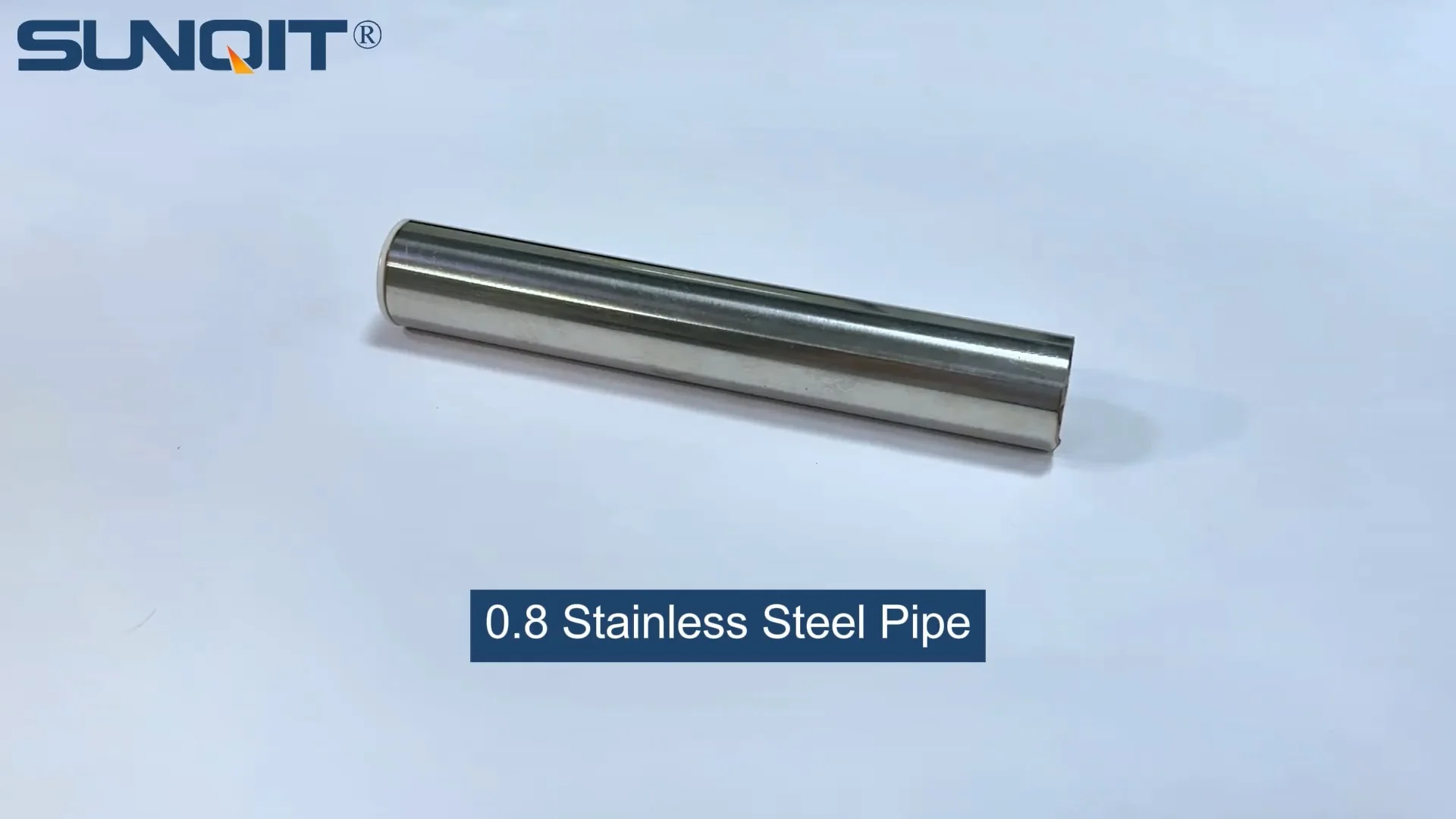
If you've ever walked through a well-oiled manufacturing floor or a streamlined warehouse, you've probably seen the quiet heroes of lean operations: sturdy workbenches, smooth-flowing flow racks, and modular structures that seem to adapt effortlessly to changing needs. More often than not, these systems rely on a surprisingly simple component: 1.2mm stainless steel pipe. Part of the broader stainless steel pipe series , this material is the backbone of countless lean system setups, offering the durability and flexibility that lean projects demand. But here's the question that keeps operations managers up at night: Should you rent or buy this pipe for your next project? Let's break it down.
Understanding 1.2mm Stainless Steel Pipe: Why It's a Lean Favorite
Before diving into the renting vs. buying debate, let's talk about why 1.2mm stainless steel pipe has become a staple in lean environments. First, its thickness hits the sweet spot: it's strong enough to support heavy loads (think stacked materials on a flow rack) but lightweight enough to assemble and reconfigure without specialized equipment. Add in stainless steel's natural resistance to corrosion, rust, and wear, and you've got a material that stands up to the daily grind of factories, warehouses, and assembly lines—no matter if it's exposed to oils, moisture, or frequent handling.
What really makes it shine, though, is its compatibility with lean principles. Lean is all about eliminating waste and maximizing efficiency, and 1.2mm stainless steel pipe delivers on both fronts. It pairs seamlessly with standard lean pipe joints, allowing teams to build custom workbenches, flow racks, or even temporary material trolleys in hours, not days. And because it's part of a stainless steel pipe series , suppliers offer a range of accessories—from connectors to caster wheels—that make customization a breeze. No more waiting for custom metal fabrication; with this pipe, your team can iterate quickly, test new layouts, and scale operations without hitting a production wall.
The Core Dilemma: Renting vs. Buying—A Side-by-Side Comparison
The choice between renting and buying 1.2mm stainless steel pipe isn't just about cost—it's about aligning your resources with your project's goals. To help you weigh the options, let's compare the two across key factors that matter most in lean projects:
| Factor | Renting 1.2mm Stainless Steel Pipe | Buying 1.2mm Stainless Steel Pipe |
|---|---|---|
| Upfront Cost | Low: Pay only for the rental period, no large initial investment. | High: Requires upfront payment for materials, tools, and accessories. |
| Long-Term Cost | Higher over time: Rental fees add up if used for months/years. | Lower over time: One-time cost + maintenance; no recurring fees. |
| Flexibility | High: Scale up/down quickly; return unused pipe during slow periods. | Moderate: Easy to reconfigure, but excess pipe may sit idle (wasting space). |
| Maintenance & Repairs | Covered by rental company: No need to budget for fixes or replacements. | Your responsibility: Must handle repairs, replacements, and upkeep. |
| Storage | None: Return pipe when not in use; free up warehouse space. | Required: Need space to store unused pipe and accessories. |
| Customization | Limited: Rental inventory may restrict specialized accessories or lengths. | Unlimited: Buy exactly what you need (specific lengths, rare accessories). |

When to Rent: The Case for Short-Term Flexibility
Renting 1.2mm stainless steel pipe isn't just for startups or small businesses—it's a strategic choice for any project where uncertainty or short-term needs dominate. Let's say you're running a pilot program for a new assembly line. You're not sure if the layout will work, or if demand for the product will justify a permanent setup. Renting lets you test the waters without sinking capital into materials you might never use again. You can build temporary workbenches, test a flow rack design, and tweak the layout as you go—all while keeping upfront costs low. If the pilot flops, you return the pipe and walk away; if it succeeds, you can transition to buying with confidence.
Seasonal businesses are another group that benefits from renting. Imagine a food packaging plant that ramps up production 300% during the holiday season. Instead of buying enough pipe to build 10 extra flow racks that will sit empty for 9 months, they can rent the exact amount needed for the busy season. When January rolls around and orders drop, they return the pipe, free up floor space, and avoid paying to store unused materials. It's lean thinking at its best: only pay for what you use, when you use it.
Renting also makes sense if maintenance isn't your team's strong suit. Most lean pipe suppliers that offer rentals include maintenance in the fee. Scratched pipe? Bent joint? They'll swap it out for a new one—no need to track down a repair service or dip into your budget for replacement parts. This is especially valuable for smaller teams without dedicated maintenance staff; it keeps operations running smoothly without adding extra workload.

When to Buy: Investing in Long-Term Lean Success
Buying 1.2mm stainless steel pipe is a no-brainer for projects with clear, long-term needs. Let's say you're expanding your manufacturing facility and need to build 20 permanent workbenches, 15 flow racks, and a network of material transport lines. These structures will be in use daily for the next 5–10 years, so the upfront cost of buying pipe pales in comparison to paying rental fees month after month. Over time, ownership becomes the cheaper option—and you'll own an asset that retains value (stainless steel pipe holds up well, so you could even resell it if you ever downsize).
Customization is another big driver for buying. When you own the pipe, you're not limited to the rental company's inventory. Need a 12-foot length instead of the standard 10-foot? Want to pair it with specialized aluminum honeycomb panels for a lightweight workbench top? Your lean pipe supplier can source exactly what you need, allowing you to build structures tailored to your unique workflow. For example, a medical device manufacturer might need ESD-safe workbenches (to prevent static damage to sensitive components); with owned pipe, they can integrate ESD-certified accessories and coatings, ensuring compliance and quality control—something rental inventory might not offer.
Then there's the freedom to iterate. Lean projects are never "done"—processes evolve, new products launch, and teams find better ways to work. When you own your pipe, you can reconfigure your workbench or flow rack at 2 p.m. on a Tuesday because someone on the assembly line suggested a better layout. No need to request permission from a rental company or wait for them to deliver replacement parts. This agility is priceless in fast-moving industries, where even small efficiency gains add up to big savings over time.
Storage is a consideration, of course, but it's manageable with a little planning. Many facilities repurpose unused pipe into temporary structures (like overflow storage racks) or keep a small stock on hand for quick repairs. And since stainless steel pipe is durable, you don't have to worry about it degrading in storage—unlike wood or plastic, it won't warp, crack, or become brittle if left in a corner for a few months.
Real-World Scenarios: How Teams Are Making the Choice
To bring this to life, let's look at how two different teams approached the renting vs. buying decision—with great results.
Scenario 1: The Startup Manufacturer (Renting)
A small electronics startup in California needed to launch a new product line but had limited capital. They estimated the pilot phase would last 8 months, after which they'd either scale up or pivot based on demand. Instead of buying 1.2mm stainless steel pipe outright, they rented enough to build 5 workbenches and 3 flow racks from a local lean pipe supplier . The rental agreement included free delivery, setup help, and maintenance—critical for a team of 10 with no dedicated operations staff.
Six months in, demand exceeded expectations, and they needed to add 2 more workbenches. The rental company delivered the extra pipe within 48 hours. By month 8, they'd validated the product and secured funding to expand. They returned the rental pipe, used the savings from avoiding upfront costs to invest in larger equipment, and bought new pipe to build permanent, customized workstations. For them, renting was a low-risk way to test their process before committing.
Scenario 2: The Automotive Supplier (Buying)
A mid-sized automotive parts supplier in Michigan was relocating to a larger facility. They needed to design a lean production floor from scratch, with 30 workbenches, 20 flow racks, and a network of roller tracks to move parts between stations. The project was permanent—they planned to operate in the new space for at least 15 years. They worked with their lean pipe supplier to source 1.2mm stainless steel pipe (part of the supplier's stainless steel pipe series ) and custom accessories, including ESD-safe joints and heavy-duty casters for mobile workstations.
By buying, they saved 40% over the projected 10-year rental cost. They also customized the workbenches with built-in tool holders and integrated LED lighting—features rental inventory couldn't match. Two years later, when they added a new product line, they reconfigured 5 existing workbenches using the same pipe, avoiding the need to buy or rent additional materials. The flexibility of owned pipe let them adapt without disrupting production.
Choosing the Right Partner: Tips for Working with a Lean Pipe Supplier
Whether you rent or buy, your lean pipe supplier will play a huge role in your project's success. Here's what to look for:
- Range of Products: For buyers, a supplier with a robust stainless steel pipe series (and accessories) ensures you can get everything you need in one order. For renters, check if they offer flexible rental terms (daily, weekly, monthly) and a variety of pipe lengths/accessories.
- Quality Assurance: Stainless steel pipe should meet industry standards for strength and corrosion resistance. Ask for material certifications—reputable suppliers will happily share test reports.
- Support Services: Look for suppliers that offer setup help, design, or maintenance (critical for renters). A supplier that understands lean principles can even suggest ways to optimize your layout for efficiency.
- Responsiveness: In lean operations, delays kill momentum. Choose a supplier with fast delivery times and clear communication—you don't want to wait a week for a replacement joint when your production line is down.
Final Thoughts: Aligning with Lean Principles
At the end of the day, the choice between renting and buying 1.2mm stainless steel pipe boils down to one question: What best serves your lean system's goals? If your project is short-term, uncertain, or seasonal, renting offers the flexibility to adapt without waste. If you're in it for the long haul, need customization, or want to own an asset that grows with your business, buying is the smarter investment.
Whichever path you choose, remember: lean isn't about rigid rules—it's about making intentional choices that eliminate waste and create value. 1.2mm stainless steel pipe, whether rented or bought, is just a tool. The real power lies in how you use it to build a system that works for your team, your products, and your customers. So take the time to assess your needs, talk to a trusted lean pipe supplier , and choose the option that lets your lean project thrive—today, tomorrow, and for years to come.