- Company Articles
- Products and Technology
- Solution
- Reusability of Gusset ALP 4040: Supporting Sustainable Lean Manufacturing Practices

Reusability of Gusset ALP 4040: Supporting Sustainable Lean Manufacturing Practices
Related Product
Gusset ALP 4040
The 4040 bracket/Gusset is an external fastening method that creates a 90 degree connection. 4040 means this size is used for 40 series aluminum profile with a quick connection by bolt and nut. It is a lightweight bracket that requires no machining servic
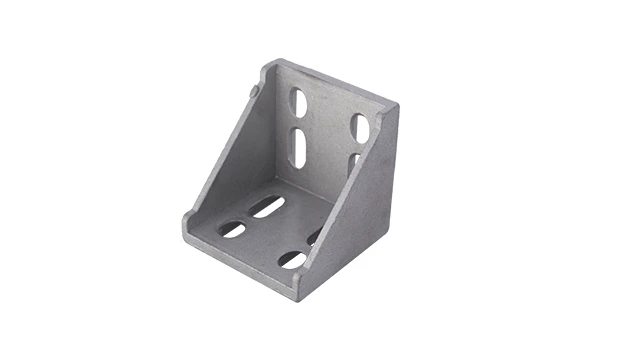
In the fast-paced world of manufacturing, where efficiency and cost-effectiveness often take center stage, there's a quiet revolution happening—one that prioritizes sustainability without sacrificing productivity. At the heart of this shift lies a humble yet powerful component: the Gusset ALP 4040. If you're unfamiliar with the term, you're not alone. But for those in the know—lean system managers, facility engineers, and sustainability officers—this unassuming piece of hardware is becoming a cornerstone of modern, eco-friendly production lines. Let's dive into why the reusability of Gusset ALP 4040 matters, how it aligns with lean manufacturing principles, and why it's more than just a part; it's a catalyst for change.
Understanding the Basics: What is Gusset ALP 4040?
First things first: let's demystify the jargon. Gusset ALP 4040 is a type of reinforcing bracket designed specifically for use with aluminum profile systems—those modular, T-slot aluminum rails that form the backbone of everything from workbenches to material racks in factories worldwide. Think of it as the "glue" that holds these structures together, but with a twist: it's built to be taken apart, reused, and repurposed, again and again. Made from high-grade aluminum alloy, it's lightweight yet surprisingly strong, able to withstand the daily wear and tear of a busy production floor without losing its structural integrity.
What sets Gusset ALP 4040 apart from traditional brackets? For starters, its design. Unlike welded steel brackets or one-time-use plastic fasteners, Gusset ALP 4040 uses a simple, tool-free connection system. Slide it onto the T-slot of an aluminum profile, tighten a few bolts, and you're good to go. When your production needs change? Loosen the bolts, remove the bracket, and reuse it elsewhere. No cutting, no welding, no waste. It's modularity at its finest, and that modularity is the key to its reusability.
The Reusability Factor: Why It Matters for Sustainability
Sustainability in manufacturing isn't just a buzzword—it's a business imperative. With stricter environmental regulations, rising material costs, and a growing consumer demand for eco-friendly products, companies are under pressure to reduce their carbon footprint. One of the biggest sources of waste in manufacturing? Equipment and infrastructure that becomes obsolete as production lines evolve. A workbench built for a specific product might sit idle when the product line changes; a material rack designed for one part size becomes useless when a new component is introduced. Traditionally, these structures would be disassembled (if possible) and scrapped, contributing to landfill waste and raw material loss.
Enter Gusset ALP 4040. Because it's reusable, it transforms how manufacturers approach infrastructure. Instead of building "permanent" structures, teams can create flexible, adaptable setups that evolve with their needs. A workbench using Gusset ALP 4040 brackets can be reconfigured into a material cart in an afternoon; a three-tier material rack can be broken down and rebuilt as a two-tier shelf when inventory needs shift. Each time, the brackets themselves stay in use, reducing the need to purchase new hardware. Over time, this adds up: less waste, lower material costs, and a smaller environmental impact.
Consider this: the average manufacturing facility replaces or modifies 20-30% of its workstations and racks every year due to product changes or process improvements. With traditional steel brackets, that means discarding hundreds of pounds of metal annually. With Gusset ALP 4040? Those brackets get a second, third, or even fourth life. A recent study by the Lean Manufacturing Institute found that companies using reusable aluminum profile components like Gusset ALP 4040 reduced their hardware waste by up to 65% and cut material procurement costs by 30% over three years. That's not just good for the planet—it's good for the bottom line.

Aligning with Lean Principles: More Than Just "Greenwashing"
Lean manufacturing, at its core, is about eliminating waste—whether that's time, materials, or effort. The 5S methodology (Sort, Set in Order, Shine, Standardize, Sustain) and Kaizen (continuous improvement) are all about creating systems that adapt and optimize over time. So, how does a reusable bracket like Gusset ALP 4040 fit into this? Let's break it down:
Waste Reduction (Muda): In lean terms, "waste" includes "overproduction," "inventory," and "unnecessary transportation." Gusset ALP 4040 tackles all three. By allowing quick reconfiguration of workstations, it reduces the need to overproduce new structures (overproduction). It minimizes excess inventory of brackets and hardware (inventory), since one set can be reused across multiple projects. And it cuts down on the transportation of new materials to the facility (transportation waste), as existing components are repurposed instead of replaced.
Flexibility (Heijunka): Lean systems thrive on flexibility—the ability to adjust production volumes and product mixes without major disruptions. Gusset ALP 4040 makes this easier. For example, a car parts manufacturer might need to switch from assembling sedans to SUVs overnight; with Gusset ALP 4040, their assembly line workbenches can be reconfigured to accommodate larger components in hours, not days. No waiting for custom-built racks or brackets—just a quick tweak, and production resumes. This agility is a game-changer for meeting tight deadlines and changing customer demands.
Employee Empowerment (Kaizen): Lean isn't just about processes; it's about people. When workers can easily modify their workstations to fit their needs—adjusting the height of a workbench, adding a shelf for tools, or repositioning a material rack—they take ownership of their space. Gusset ALP 4040 puts that power in their hands. A line worker doesn't need to wait for maintenance to build a new shelf; they can grab a few brackets, some aluminum profile, and create it themselves. This not only boosts morale but also fosters a culture of continuous improvement, where small, daily optimizations add up to big gains in efficiency.

Real-World Impact: Stories from the Factory Floor
Numbers and principles are great, but nothing illustrates the value of Gusset ALP 4040 like real-world examples. Take a mid-sized electronics manufacturer in Michigan, for instance. Two years ago, they were struggling with a common problem: their production line for smartphones was efficient, but when they introduced a new tablet model, their existing workstations were too small. The old setup used welded steel frames and fixed plastic brackets—disassembling them would mean cutting the steel, which was time-consuming and generated scrap metal. The alternative? Ordering new workstations, which would cost $25,000 and take six weeks to deliver.
Instead, they turned to a local lean pipe supplier who recommended switching to aluminum profile systems with Gusset ALP 4040 brackets. The transition took three days. They disassembled the old steel workstations (recycling the steel), used the aluminum profiles and Gusset ALP 4040 brackets to build larger, adjustable workbenches, and even had leftover components to create a new material rack for tablet parts. Total cost? $8,000—less than a third of the original quote. And when the next product launch came six months later, they reconfigured the same workbenches again, this time for a smaller wearable device. The Gusset ALP 4040 brackets? They're still going strong, with no signs of wear.
Another example: a food packaging plant in California that prioritizes sustainability. They've set a goal to reduce landfill waste by 50% by 2025, and Gusset ALP 4040 has been instrumental in reaching that target. Their production lines change seasonally—think holiday-themed packaging in Q4, regular designs the rest of the year. In the past, they'd build custom conveyor guides and sorting racks for each season, then throw them away when the season ended. Now, they use Gusset ALP 4040 to build modular guides that can be adjusted or completely rebuilt with minimal effort. "Last year, we reused 90% of our brackets from the holiday season for our spring packaging line," says their sustainability manager. "That's hundreds of pounds of plastic and steel that didn't end up in a landfill. And our employees love it—they say it's like playing with giant Legos, but for work."
Comparing Traditional vs. Reusable Brackets: A Closer Look
To truly appreciate the impact of Gusset ALP 4040, let's put it side by side with traditional bracket options. The table below compares key factors like reusability, cost over time, and environmental impact:
| Factor | Traditional Steel Brackets | Plastic Fasteners | Gusset ALP 4040 (Aluminum Profile) |
|---|---|---|---|
| Reusability | Low—Welded or riveted; difficult to disassemble without damage. | Very Low—Prone to breaking when removed; designed for one-time use. | High—Tool-free disassembly; can be reused 10+ times with minimal wear. |
| Cost Over 5 Years | High—Need to replace after each reconfiguration; scrap disposal costs add up. | Medium-High—Cheap upfront, but frequent replacement drives long-term costs. | Low—Initial investment higher, but reuse eliminates replacement costs. |
| Environmental Impact | High—Scrap metal contributes to landfill waste; energy-intensive to produce new brackets. | Very High—Non-biodegradable plastic; often ends up in landfills or oceans. | Low—Aluminum is 100% recyclable; reusability reduces raw material demand. |
| Installation Time | Slow—Requires welding, drilling, or specialized tools. | Fast—Simple to install, but not adjustable. | Fast—Tool-free; average workstation reconfiguration takes <2 hours. |
The takeaway? While traditional options might seem cheaper upfront, the long-term costs—both financial and environmental—of replacing them quickly outweigh the initial savings. Gusset ALP 4040, on the other hand, is an investment that pays dividends in sustainability and flexibility.
Choosing the Right Partner: The Role of a Lean Pipe Supplier
Of course, reaping the benefits of Gusset ALP 4040 isn't just about buying the brackets—it's about working with the right lean pipe supplier. A good supplier doesn't just sell parts; they partner with you to design systems that maximize reusability. They'll help you assess your current setup, identify opportunities for reconfiguration, and train your team to make the most of the modular components. Look for suppliers who offer:
- Technical Support: Guidance on designing reusable structures, from workbenches to flow racks.
- Training: Workshops for your team on how to quickly disassemble and reassemble systems using Gusset ALP 4040.
- Component Compatibility: Ensuring brackets, aluminum profile, and accessories work seamlessly together for maximum flexibility.
- Sustainability Commitment: Suppliers who prioritize eco-friendly manufacturing processes for their own products.
A case in point: a automotive parts manufacturer in Texas partnered with their lean pipe supplier to implement a "reuse library." Instead of discarding old brackets and profiles when a line is reconfigured, they store them in a central location, tagged with their specifications. When a new project comes up, engineers check the library first, reducing the need to order new parts. In the first year, this library saved them $18,000 in material costs and diverted 2 tons of waste from landfills. It's a simple idea, but it only works with reusable components like Gusset ALP 4040.
Looking Ahead: The Future of Sustainable Lean Manufacturing
As manufacturing continues to evolve—with trends like Industry 4.0, automation, and mass customization—flexibility and sustainability will only grow in importance. The days of "set it and forget it" production lines are fading; in their place are agile, adaptable systems that can pivot quickly. Gusset ALP 4040 is a small but critical piece of this future. Its reusability aligns with the circular economy model, where products and components are designed to be reused, repaired, or recycled, rather than discarded.
What's next for components like Gusset ALP 4040? Innovations in material science are making aluminum profiles even lighter and stronger, while 3D printing could one day allow on-site production of custom brackets, further reducing transportation waste. But even without these advances, the current iteration of Gusset ALP 4040 is proving that sustainability and efficiency don't have to be at odds. It's a reminder that sometimes, the most impactful solutions are the ones that make the old way of doing things obsolete—quietly, reliably, and repeatedly.
Conclusion: More Than a Bracket—A Mindset Shift
At the end of the day, the reusability of Gusset ALP 4040 is about more than just a piece of hardware. It's about a mindset shift in manufacturing—one that sees waste not as inevitable, but as a problem to be solved. It's about recognizing that sustainability isn't a cost center, but an opportunity to innovate, save money, and build a better future for both businesses and the planet.
So, the next time you walk through a factory floor, take a closer look at the workbenches, the material racks, the assembly lines. Chances are, if they're using aluminum profile systems with brackets like Gusset ALP 4040, they're not just building products—they're building a more sustainable, efficient, and resilient operation. And in today's world, that's the kind of competitive advantage that matters most.