- Company Articles
- Products and Technology
- Solution
- Reusable 4080 Aluminum Profile End Caps: Sustainable Lean Solutions

Reusable 4080 Aluminum Profile End Caps: Sustainable Lean Solutions
Related Product
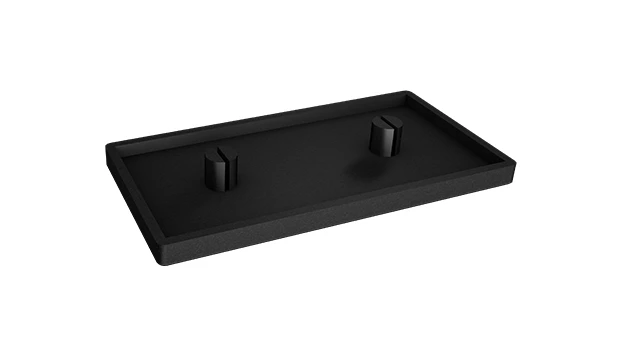
4080 Aluminum Profile End Cap
The aluminum profile end cap adds a finishing touch to your project and closes off profile ends to limit dust and debris buildup, also it can avaid some scratch for material and labor during the assemble work.
In the fast-paced world of manufacturing and production, every detail counts. From the layout of assembly lines to the tools on the factory floor, efficiency isn't just a goal—it's the backbone of success. But in recent years, another factor has risen to the forefront of operational priorities: sustainability. Today's manufacturers aren't just looking to streamline processes; they're striving to do so in ways that minimize waste, reduce environmental impact, and build systems that stand the test of time. Enter the unsung hero of this movement: reusable 4080 aluminum profile end caps. These small, unassuming components might not grab headlines, but they embody the perfect marriage of lean system principles and eco-conscious design. Let's dive into why they matter, how they work, and the ripple effects they create across production floors, supply chains, and the planet.
The Foundation: Aluminum Extrusion Profiles and Lean Systems
Before we zoom in on end caps, let's set the stage with the bigger picture: aluminum extrusion profiles and their role in lean systems. Aluminum extrusion profiles—like the popular 4080 series (named for their 40mm x 80mm cross-section)—are the building blocks of modern manufacturing workspaces. Lightweight yet incredibly strong, these profiles are modular, meaning they can be configured into everything from workbenches and material racks to conveyor systems and flow racks. This flexibility is a cornerstone of lean manufacturing, where adaptability and space optimization are key. Unlike rigid, one-size-fits-all equipment, aluminum profiles let teams reconfigure workstations on the fly, reducing downtime and ensuring every square foot of the factory floor is used purposefully.
But lean systems aren't just about efficiency—they're about eliminating waste, or "muda," as it's known in lean terminology. Waste comes in many forms: excess inventory, unnecessary motion, defects, and yes, even wasteful materials. This is where the choice of components becomes critical. For decades, manufacturers relied on disposable plastic end caps to finish the raw edges of aluminum profiles. These caps were cheap upfront, but they came with hidden costs: they cracked easily under heavy use, melted near heat sources, and often ended up in landfills after just a few months. Every replacement meant more material waste, more time spent on maintenance, and more money pouring into a never-ending cycle of disposability. It was a classic case of "penny wise, pound foolish"—and it flew in the face of the lean principle of kaizen , or continuous improvement.
Reusable 4080 Aluminum Profile End Caps: Small Part, Big Impact
Reusable 4080 aluminum profile end caps were designed to solve this problem. Made from high-grade aluminum—often the same alloy as the profiles themselves—these end caps are built to last. They're engineered to fit snugly onto the ends of 4080 aluminum extrusion profiles, creating a clean, finished look while protecting workers from sharp edges and preventing debris, dust, and moisture from entering the profile's T-slots (those handy grooves that make aluminum profiles so versatile). But "reusable" is the keyword here. Unlike plastic caps, which degrade over time, aluminum end caps can withstand years of use, even in high-traffic areas like production assemble lines or busy warehouses.
Let's break down their benefits, starting with durability. Imagine a workbench in an automotive parts facility: it's used 12 hours a day, with heavy tools, parts, and workers leaning on it. A plastic end cap might crack after a month of this abuse, leaving the profile's raw edge exposed. An aluminum end cap? It might show a few scratches, but it won't split or shatter. This durability translates to fewer replacements, which means less time spent by maintenance teams swapping out caps and more time focused on value-adding tasks. For a lean system supplier, this is a game-changer: happier clients, lower support costs, and a product that aligns with the lean promise of reliability.
Then there's sustainability. Aluminum is 100% recyclable, and it retains 95% of its original energy during recycling. When an aluminum end cap finally reaches the end of its lifespan (which could be a decade or more), it can be melted down and repurposed into new components—no waste, no guilt. Compare that to plastic end caps, which are often made from non-recyclable plastics (like PVC) and take centuries to decompose. For manufacturers aiming to reduce their carbon footprint, switching to reusable aluminum end caps is a low-effort, high-impact step. It's a tangible way to walk the walk on sustainability, not just talk the talk.
But the benefits don't stop there. Reusable end caps also enhance the functionality of aluminum profiles. Many models feature a snap-on or screw-on design, making them easy to install and remove without specialized tools. This is a boon for teams that frequently reconfigure their workspaces (hello, agile manufacturing!). Need to disassemble a workbench to make room for a new conveyor? Pop off the end caps, take apart the profiles, and reassemble them elsewhere—then snap the caps back on. No need to buy new caps for the "new" workbench. It's this kind of flexibility that makes aluminum profile accessories like these end caps indispensable for modern lean systems.

Beyond the Cap: How They Fit Into the Aluminum Profile Ecosystem
Reusable 4080 aluminum profile end caps don't exist in a vacuum—they're part of a larger ecosystem of aluminum profile accessories that work together to create cohesive, efficient workspaces. Let's take a closer look at how they integrate with other components, turning a collection of parts into a lean, sustainable system.
First, consider T-slot rubber seal covers. These flexible strips fit into the T-slots of aluminum profiles, protecting the slots from dust and debris while reducing noise (a nice bonus for factory workers!). When paired with aluminum end caps, they create a seamless barrier, ensuring the entire profile stays clean and functional. This is especially important in industries like electronics manufacturing, where even a tiny speck of dust can ruin a circuit board. ESD workbench setups, for example, rely on clean, well-maintained components to prevent electrostatic discharge—and reusable end caps play a quiet role in keeping those workbenches in top shape.
Then there are aluminum profile rubber strips, which are often used to line the edges of workbench surfaces, reducing impact noise and preventing parts from sliding. When combined with aluminum end caps, these strips create a fully finished workspace that's both safe and efficient. A material rack B (3 row and 3 floor), for instance, might use 4080 profiles for its frame, with aluminum end caps on every vertical and horizontal beam, and rubber strips along the rack's shelves to keep bins from slipping. The result is a system that's not just functional, but also built to last—no more replacing worn-out plastic parts every quarter.
Even something as simple as caster wheels benefits from reusable end caps. Many mobile workstations and turnover trolleys use 4080 profiles for their frames, with casters attached to the base. Over time, the constant movement and weight can stress the profile ends—but aluminum end caps distribute that stress evenly, preventing cracks and extending the trolley's lifespan. For a lean pipe supplier, this means clients get more mileage out of their equipment, leading to higher satisfaction and repeat business.

A Closer Look: Comparing Reusable vs. Disposable End Caps
To truly appreciate the value of reusable 4080 aluminum profile end caps, let's put them head-to-head with their disposable plastic counterparts. The table below breaks down key features, from cost to environmental impact, to show why aluminum is the smarter choice for lean, sustainable operations.
| Feature | Reusable 4080 Aluminum Profile End Caps | Disposable Plastic End Caps |
|---|---|---|
| Material | High-grade aluminum alloy (recyclable, corrosion-resistant) | Low-density polyethylene (LDPE) or polypropylene (often non-recyclable) |
| Expected Lifespan | 5–10 years (with proper care) | 3–6 months (prone to cracking, warping, and melting) |
| Cost Over Time | Higher upfront cost ($2–$5 per cap), but no replacement costs for years | Lower upfront cost ($0.50–$1 per cap), but requires replacement every 3–6 months (total cost ~$12–$24 over 5 years) |
| Environmental Impact | Minimal: 100% recyclable, reduces waste by 90%+ compared to plastic | High: Ends up in landfills or oceans; contributes to microplastic pollution |
| Compatibility | Fits all standard 4080 aluminum extrusion profiles; works with T-slots, rubber strips, and other accessories | Often model-specific; may loosen over time, leading to compatibility issues with accessories |
| Installation & Maintenance | Snap-on or screw-on design; easy to remove and reattach during reconfigurations; no special tools needed | Often press-fit; can crack during removal; requires frequent checks for damage |
| Safety | Smooth, rounded edges; no sharp cracks or splinters; heat-resistant | Prone to cracking, leaving sharp plastic edges; melts at high temperatures, releasing fumes |
The data speaks for itself: reusable aluminum end caps are an investment that pays off in the long run. While the upfront cost is higher, the total cost of ownership is significantly lower, thanks to their longevity. And when you factor in the environmental benefits—less waste, lower carbon emissions from reduced production and shipping—they become a no-brainer for any manufacturer serious about sustainability.
Real-World Success: How a Lean System Supplier Embraced Reusability
To bring this to life, let's look at a case study: a mid-sized lean pipe supplier based in the Midwest that made the switch to reusable 4080 aluminum profile end caps in 2023. Prior to the switch, the company sold plastic end caps as standard with every aluminum profile order. Clients often complained about the caps cracking within months, leading to frequent returns and negative reviews. The supplier's maintenance team was also drowning in requests to replace caps on installed systems, eating into their profit margins.
In early 2023, the supplier's sustainability team proposed switching to aluminum end caps. Initially, there was pushback: "They're more expensive—our clients won't pay extra!" But the team ran the numbers, creating a cost-benefit analysis that showed clients would save money over 3 years by avoiding replacements. They also highlighted the marketing opportunity: positioning the company as a leader in sustainable lean solutions, which was increasingly important to clients in the automotive and aerospace industries (both of which have aggressive sustainability goals).
The switch was phased in over six months. The supplier offered aluminum end caps as a premium option at first, then made them standard after 80% of clients opted for them. The results were striking: within a year, return rates for end caps dropped by 92%. Maintenance requests related to end caps fell by 85%, freeing up the team to focus on larger projects. Clients reported that their workbenches and material racks looked newer for longer, and several mentioned the aluminum caps had become a selling point for their own customers (e.g., "Our assembly lines use sustainable components, from the frames to the end caps!").
Perhaps most importantly, the supplier reduced its plastic waste by over 2 tons in the first year alone. This not only helped them meet their corporate sustainability targets but also earned them a certification from the Sustainable Manufacturing Association. Today, they're one of the region's top lean system suppliers, with "sustainable by design" as a core part of their brand identity. All because of a small change: swapping plastic for aluminum end caps.
Looking Ahead: The Future of Lean and Sustainable Manufacturing
As manufacturers face increasing pressure to reduce their environmental impact—from regulators, consumers, and investors—components like reusable 4080 aluminum profile end caps will only grow in importance. They're a prime example of how sustainability and lean systems can work hand in hand: by eliminating waste, improving durability, and reducing costs, they align with both the planet's needs and the bottom line.
The future will likely bring even more innovation in this space. We're already seeing aluminum profile accessories like internal rotatary aluminum joints and parallel aluminum joint a being designed with reusability in mind, creating fully circular systems where components can be disassembled, repaired, and reused indefinitely. Imagine a factory where every aluminum profile, end cap, joint, and caster is part of a closed-loop system—no waste, no landfill, just continuous value.
For manufacturers, the message is clear: sustainability isn't optional, and it doesn't have to come at the expense of efficiency. Small choices—like the end caps on your aluminum profiles—add up to big change. Reusable 4080 aluminum profile end caps are more than just a component; they're a statement that your business is committed to lean principles, continuous improvement, and a greener future. And in today's world, that's not just good for the planet—it's good for business.
Conclusion: The Power of Small Components in a Big System
In the grand scheme of manufacturing, reusable 4080 aluminum profile end caps might seem (tiny). But lean systems teach us that great things come from focusing on the details. These caps embody the lean spirit: they eliminate waste, improve durability, and make systems more adaptable. They also show that sustainability isn't about grand gestures—it's about rethinking even the smallest parts of your operation.
So the next time you walk through a factory, take a look at the workbenches, the material racks, the conveyor systems. Chances are, they're built with aluminum extrusion profiles. And if you peek at the ends of those profiles, you might just see a small aluminum cap—quietly doing its job, reducing waste, and proving that in lean and sustainable manufacturing, every part counts. After all, the path to a more efficient, more sustainable future is paved with details—and reusable end caps are leading the way.