- Company Articles
- Products and Technology
- Product knowledge
- Reusable Plastic Pipe End Caps: Supporting Circular Economy in Lean Production

Reusable Plastic Pipe End Caps: Supporting Circular Economy in Lean Production
Related Product
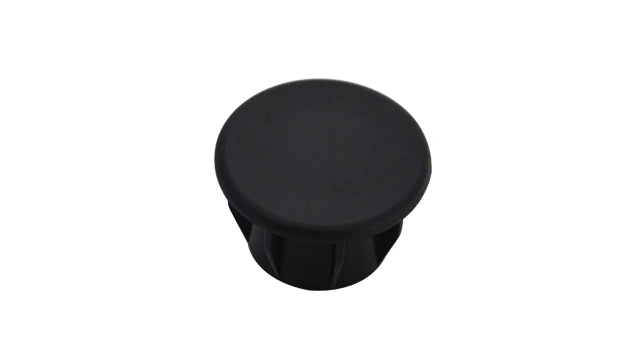
Plastic pipe end cap
Plastic pipe cover, used for 28mm two end cover and protection, to avoid any scratch from sharp metal surface.
In the bustling world of manufacturing, where every second counts and efficiency is king, there's a quiet revolution happening—one that starts with the smallest components. Walk through any assembly line, and you'll see them: lean pipe workbenches humming with activity, flow racks carrying parts to their next destination, conveyor systems weaving through the factory floor. These structures, the backbone of modern production, rely on countless small parts to stay functional. But for decades, one of these parts has flown under the radar as a silent contributor to waste: the humble pipe end cap. Today, we're diving into how reusable plastic pipe end caps are not just changing the game for lean systems, but also paving the way for a more circular, sustainable future in manufacturing.
Lean Production and Circular Economy: A Match Made in Manufacturing Heaven
Before we zoom in on end caps, let's set the stage. Lean production, born from the Toyota Production System, has long been the gold standard for efficiency. Its core principle? Eliminate waste—whether that's time, materials, or energy. Over the years, lean has evolved from a cost-cutting strategy to a mindset, driving companies to streamline processes, reduce downtime, and keep workflows as tight as a well-oiled machine.
But in today's world, efficiency alone isn't enough. Enter the circular economy—a model that flips the script on the traditional "take-make-dispose" cycle. Instead of using resources once and discarding them, circular economy focuses on reduce, reuse, recycle : designing products to last, reusing components, and recycling materials to create new ones. For manufacturers, this isn't just about being "green"—it's about resilience. Raw material costs are volatile, landfill taxes are rising, and consumers are demanding sustainability. Circular economy isn't a choice anymore; it's a business imperative.
So, where do lean production and circular economy intersect? Right at the heart of waste reduction. Lean systems already excel at cutting out unnecessary steps and excess inventory, but circular economy pushes further: it asks, "What if we could design products and components to never become waste in the first place?" That's where reusable plastic pipe end caps come into play.
The Hidden Cost of "Disposable" in Manufacturing
Let's talk about the status quo. For years, pipe end caps have been treated as single-use items. Made from thin, low-cost plastic, they're designed to snap onto the ends of pipes—whether on a lean pipe workbench, a flow rack, or a conveyor's roller track—to protect the pipe from damage, prevent debris from entering, or keep materials from sliding off. Once a cap cracks, loosens, or the pipe is reconfigured, it's tossed in the trash and replaced with a new one.
At first glance, this seems harmless. A single disposable end cap might cost just $0.05 to $0.10. But multiply that by thousands of pipes across a factory, and then by the number of times they need replacing (often monthly), and the numbers start to add up. A mid-sized manufacturing plant with 10,000 pipes could easily spend $5,000 to $10,000 annually on disposable end caps alone. That's just the financial cost.
The environmental cost is steeper. Most disposable end caps are made from low-grade plastics that don't biodegrade. They sit in landfills for decades, leaching microplastics into soil and water. For companies aiming to reduce their carbon footprint or meet sustainability targets, this "small" waste stream is a big problem. Worse, it flies in the face of lean principles: if lean is about eliminating waste, why are we still throwing away perfectly functional components after a single use?

Reusable Plastic Pipe End Caps: Designing for Longevity
Enter reusable plastic pipe end caps. These aren't your average caps. Think of them as the "tough guys" of the component world—built to last, designed to be reused, and engineered to fit seamlessly into existing lean systems. Let's break down what makes them different.
Material Matters: Unlike their flimsy disposable cousins, reusable end caps are crafted from high-performance plastics like high-density polyethylene (HDPE) or polypropylene. These materials are built to withstand the rigors of factory life: impacts from tools, spills from coolants or lubricants, and the wear and tear of daily use. They're temperature-resistant, too—so whether they're on a pipe near a hot welding station or a cold storage area, they won't crack or warp.
Design for Reusability: The magic is in the details. Reusable caps feature a secure, yet flexible design that lets them snap or screw onto pipes without damaging either the cap or the pipe itself. Many use a "living hinge" mechanism—a thin, flexible section of plastic that bends repeatedly without breaking—so you can attach and remove them hundreds of times. Some even come with reinforced edges or ribbed interiors to grip pipes tightly, preventing slippage during use but releasing easily when it's time to reposition the pipe.
Size Versatility: Manufacturing plants use pipes of all shapes and sizes—from the 28mm lean pipes common in workbenches to the larger aluminum profile pipes in heavy-duty racks. Reusable end caps come in a range of diameters and styles to fit them all. Need a cap for a stainless steel pipe series? There's a version for that. Working with mini aluminum roller tracks? They've got you covered. This versatility means you can standardize on one reusable solution across your entire facility, simplifying inventory and reducing confusion.

How Reusable End Caps Integrate with Lean Systems
Lean systems thrive on consistency, reliability, and eliminating unnecessary steps. Reusable plastic pipe end caps check all three boxes—and then some. Here's how they fit into the lean puzzle:
Eliminating "Maintenance Waste": In lean terms, "maintenance waste" refers to time and resources spent fixing preventable issues. Disposable end caps often crack or fall off, leaving pipes exposed to dents, rust, or debris buildup. This means more time spent replacing caps, repairing pipes, or cleaning out clogged roller tracks. Reusable caps, with their durable design, stay in place and protect pipes longer—cutting down on maintenance stops and keeping workflows smooth.
Reducing "Inventory Waste": Lean systems hate excess inventory, and disposable end caps are a classic culprit. Because they're single-use, you need to keep stacks of them on hand to replace lost or broken ones. Reusable caps, by contrast, last for years. A factory that once stored 5,000 disposable caps can now get by with 100 reusable ones, freeing up storage space and reducing the time spent ordering, receiving, and organizing inventory.
Supporting "Continuous Improvement": Lean is all about getting better over time, and reusable end caps make that easier. Since they're durable and easy to remove, teams can quickly reconfigure lean pipe workbenches, flow racks, or material trolleys without worrying about damaging caps or wasting parts. Want to rearrange a production line to test a new layout? Pop off the caps, adjust the pipes, and snap the caps back on—no new parts needed. This flexibility encourages experimentation and innovation, a cornerstone of lean thinking.
It's no wonder that forward-thinking lean system suppliers are now bundling reusable end caps into their lean pipe and accessories kits. By offering them as a standard component, these suppliers are making it easier for manufacturers to adopt sustainable practices without overhauling their entire workflow.
The Numbers Speak: Cost and Environmental Impact
Let's get concrete. We've talked about the "why"—now let's look at the "how much." To truly understand the value of reusable end caps, we compared them side-by-side with disposable ones in a real-world scenario: a factory with 5,000 pipes, each needing one end cap, replaced annually (for disposables) or every 5 years (for reusables). Here's what we found:
| Feature | Disposable Plastic End Caps | Reusable Plastic End Caps |
|---|---|---|
| Initial Cost per Unit | $0.10 | $2.50 |
| Annual Replacement Frequency | 1x per year | 1x every 5 years |
| Total Cost Over 5 Years (5,000 pipes) | $2,500 (5,000 caps/year x $0.10 x 5 years) | $500 (5,000 caps ÷ 5-year lifespan x $2.50) |
| Waste Generated (Units Over 5 Years) | 25,000 caps (5,000/year x 5 years) | 1,000 caps (5,000 caps ÷ 5-year lifespan) |
| Carbon Footprint (Estimated for 5 Years) | Higher: Includes manufacturing 25,000 caps + disposal | Lower: 96% reduction in manufacturing emissions; minimal disposal |
| Maintenance Time Saved | High: Time spent replacing caps monthly | Low: Caps rarely need replacement or adjustment |
The takeaway? Over five years, reusable end caps save 80% on costs and reduce waste by 96% . For a factory scaling up to 20,000 pipes, that's $8,000 saved and 96,000 fewer caps in landfills. These numbers aren't just good for the planet—they're good for the bottom line. As one plant manager put it, "We thought reusable caps were a 'nice-to-have' until we ran the math. Now, they're a 'must-have.'"
Real-World Impact: Stories from the Factory Floor
Numbers tell part of the story, but real change happens when people see results. Let's look at two hypothetical (but realistic) examples of how reusable plastic pipe end caps are making a difference:
Case Study 1: Automotive Parts Manufacturer
A mid-sized automotive supplier with 15,000 lean pipe workbenches and flow racks recently switched to reusable end caps. Within six months, their maintenance team reported a 40% drop in time spent replacing missing or broken caps. The purchasing department noted a 35% reduction in spending on end caps, even with the higher upfront cost of reusable ones. Perhaps most notably, their sustainability team tracked a 5-ton decrease in plastic waste sent to landfills that year—a milestone that helped them qualify for local green manufacturing grants.
Case Study 2: Electronics Assembly Plant
An electronics factory specializing in circuit boards relies heavily on mini aluminum roller tracks to move delicate components between stations. Disposable end caps were constantly falling off these tracks, causing small parts to slip through and get damaged. After switching to reusable caps with a grippier interior design, part damage dropped by 28%. "We used to have a operator stationed just to pick up fallen parts," said the plant supervisor. "Now that person is reassigned to quality control—adding value instead of fixing preventable issues."
Choosing the Right Supplier: What to Look For
Not all reusable end caps are created equal. To get the most out of your investment, you'll want to partner with a supplier who understands both lean systems and sustainability. Here are key qualities to look for:
Material Quality: Ask for details about the plastic used. Does it meet industry standards for durability (like ISO 9001 certification)? Can they provide test results for impact resistance or chemical compatibility? A reputable supplier will be transparent about their materials.
Range of Sizes and Styles: As we mentioned earlier, your facility likely uses multiple pipe types. Look for a supplier that offers caps for lean pipe, aluminum profile, stainless steel pipe series, and roller tracks. The more options they have, the easier it is to standardize.
Commitment to Circularity: Does the supplier take back old caps for recycling once they've reached the end of their lifespan? Some lean system suppliers now offer a "take-back program," ensuring even worn-out caps don't end up in landfills. This closes the loop on circularity.
Customer Support: Switching to reusable caps might mean training your team on proper use. A good supplier will offer guides, videos, or even on-site demos to help your staff get comfortable with the new components. After all, the best product in the world won't work if no one knows how to use it.
The Future: Small Parts, Big Dreams
As manufacturing continues to evolve, the focus on circular economy will only grow. Reusable plastic pipe end caps are just the beginning. Imagine a future where every component in your lean system—from caster wheels to roller track connectors—is designed for reuse. Where RFID tags in caps track their lifespan, alerting you when they need maintenance instead of replacement. Where suppliers use recycled plastics to make new caps, creating a closed-loop supply chain.
This future isn't as far off as it sounds. Innovators are already experimenting with biodegradable yet durable plastics for end caps, and some lean pipe and accessories kits now include "smart" caps with sensors to monitor pipe health. The message is clear: sustainability and efficiency aren't competing goals—they're two sides of the same coin.
Conclusion: The Smallest Part, the Biggest Difference
Reusable plastic pipe end caps may be small, but their impact is huge. They're a testament to the idea that circular economy in manufacturing doesn't require massive overhauls—it starts with rethinking the "small stuff." By choosing reusable caps, manufacturers aren't just cutting costs or reducing waste; they're building a production system that's resilient, efficient, and ready for the future.
So the next time you walk through your factory, take a closer look at those pipe end caps. Are they part of the problem, or part of the solution? The answer might just change the way you think about sustainability—one cap at a time.