- Company Articles
- Products and Technology
- Product knowledge
- Reusable Saddle Pipe Clamps: Supporting Sustainable Lean Manufacturing Goals

Reusable Saddle Pipe Clamps: Supporting Sustainable Lean Manufacturing Goals
Related Product
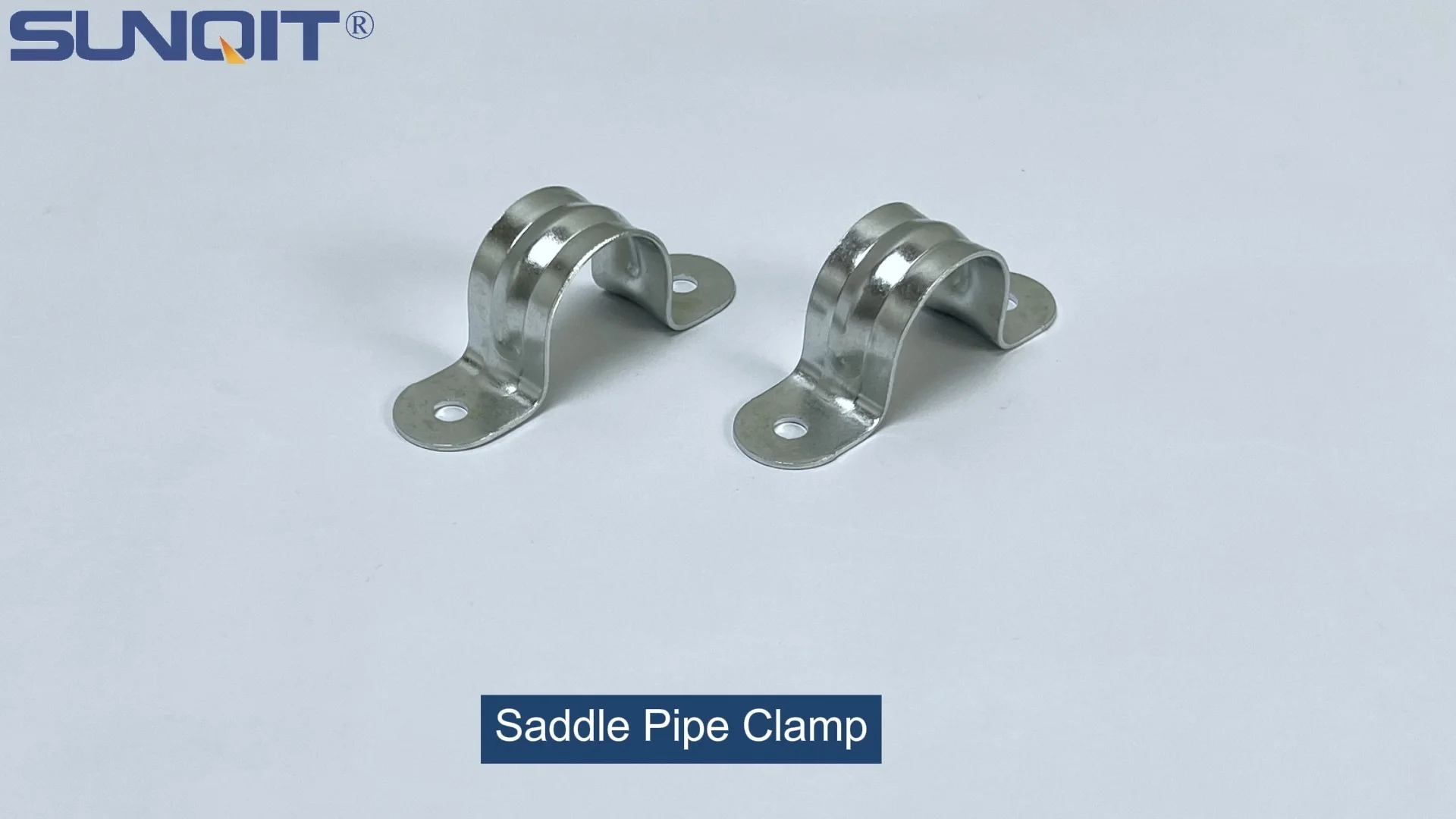
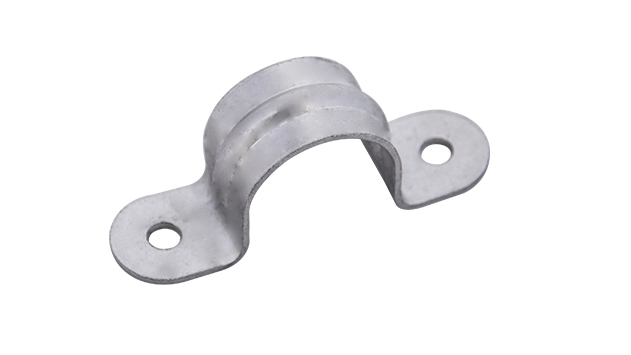
Saddle Pipe Clamp
Saddle pipe clamp, used for board connect with pipe, usually for table top installation.
In today's fast-paced manufacturing landscape, two priorities stand out: the relentless pursuit of efficiency and an unwavering commitment to sustainability. For decades, lean manufacturing has been the gold standard for streamlining processes, eliminating waste, and boosting productivity. But as the world grapples with climate change and resource scarcity, sustainability has evolved from a "nice-to-have" to a business imperative. The question now is: how can manufacturers align these two goals—lean efficiency and environmental responsibility—without sacrificing one for the other? The answer lies in the details: in the tools, components, and systems that form the backbone of factory operations. One such unsung hero? The reusable saddle pipe clamp.
Often overlooked in the grand scheme of production lines and assembly systems, saddle pipe clamps play a quiet but critical role in building the flexible, adaptable structures that power lean manufacturing. More than just a connecting piece, they are a bridge between efficiency and sustainability, enabling manufacturers to reduce waste, minimize costs, and reconfigure workflows—all while leaving a lighter footprint on the planet. Let's dive into how these small but mighty components are reshaping the future of manufacturing.
Understanding Lean Manufacturing and the Rise of Sustainable Practices
Before we explore the role of saddle pipe clamps, it's important to ground ourselves in what lean manufacturing truly means—and why sustainability has become integral to its evolution. Lean manufacturing, born from the Toyota Production System in the mid-20th century, is built on the principle of "kaizen," or continuous improvement. Its core goal is to eliminate "muda" (waste) in all forms: overproduction, waiting time, unnecessary transportation, excess inventory, defects, over-processing, and unused employee talent. By stripping away inefficiencies, lean systems create smoother workflows, faster production times, and higher-quality output.
But in recent years, lean has expanded beyond just operational waste to include environmental waste. Today's manufacturers aren't just measured by how quickly they produce goods—they're measured by how responsibly they do so. Customers, regulators, and even employees are demanding more sustainable practices: reduced carbon emissions, less material waste, and circular systems that prioritize reuse over disposal. This shift isn't just ethical—it's practical. Sustainable operations often lead to lower costs, better brand reputation, and greater resilience in the face of resource shortages.
The challenge? Merging lean's focus on efficiency with sustainability's focus on resource conservation. This is where modular, reusable components like saddle pipe clamps shine. They're not just tools for building workbenches or material racks—they're tools for building a manufacturing system that's both lean and green.
The Basics: What Are Saddle Pipe Clamps?
At first glance, a saddle pipe clamp might seem simple: a small, often metal component designed to secure two pipes together. But its simplicity is deceptive. Saddle pipe clamps are engineered for versatility, strength, and reusability—three qualities that make them indispensable in modern manufacturing.
Traditional pipe clamps are often fixed: welded into place, glued, or tightened with permanent fasteners. Once installed, they're difficult to adjust or remove without damaging the pipes or the clamp itself. When a production line needs to be reconfigured—say, to accommodate a new product or a redesigned workflow—these fixed clamps become obstacles. The result? Manufacturers end up discarding perfectly functional pipes and clamps, contributing to material waste and increasing costs.
Reusable saddle pipe clamps, by contrast, are designed to be disassembled and reassembled with ease. They typically feature a "saddle" shape that wraps around the pipe, secured by bolts, screws, or quick-release mechanisms. This design allows them to grip pipes tightly during use but loosen quickly when adjustments are needed. Made from durable materials like aluminum, stainless steel, or high-grade plastic, they're built to withstand the wear and tear of factory environments—yet remain flexible enough to be reused across multiple projects.
But their value goes beyond just reusability. Saddle pipe clamps are compatible with a wide range of pipe types, including lean pipe (also known as "lean tube"), aluminum profile, and even stainless steel pipe series. This compatibility means manufacturers can use the same clamps across different parts of the factory, reducing the need for specialized components and simplifying inventory management—another win for lean efficiency.
Design Features That Drive Sustainability
What makes saddle pipe clamps such powerful tools for sustainable lean manufacturing? It's in their design. Let's break down the key features that set them apart and how each contributes to both efficiency and environmental responsibility.
1. Reusability: From One Project to the Next
The most obvious (and impactful) feature of saddle pipe clamps is their reusability. Unlike fixed clamps, which are often single-use, saddle clamps can be removed, cleaned, and reinstalled multiple times. Imagine a manufacturer that needs to reconfigure an assembly line from producing smartphones to tablets. With fixed clamps, the old workbenches and material racks would likely be disassembled and scrapped, with new ones built from scratch. With saddle pipe clamps, the same lean pipes and clamps can be rearranged into new configurations. No waste, no delays, no unnecessary spending on new materials.
This reusability also extends to end-of-life scenarios. When a clamp finally reaches the end of its usable life (after years of service), its durable materials—like aluminum or stainless steel—are often recyclable. This closes the loop, ensuring even worn components don't end up in landfills.
2. Adjustability: Precision Without Waste
Saddle pipe clamps aren't just reusable—they're adjustable. Many models allow for 360-degree rotation, angle adjustments, or variable tightness, making them suitable for pipes of different diameters or for creating custom structures. This adjustability eliminates the need for "one-size-fits-none" fixed components. For example, a single saddle clamp can secure a 20mm lean pipe in one project and a 25mm aluminum profile in another, as long as it's designed for variable diameters. This reduces the need to stock multiple clamp sizes, cutting down on inventory waste and simplifying supply chains.
3. Durability: Built to Last (and Last)
Sustainability isn't just about reusing—it's about using well. A cheap, flimsy clamp that breaks after a few uses might be "reusable" in theory, but in practice, it leads to frequent replacements and more waste. Saddle pipe clamps are built to withstand the rigors of factory life: heavy loads, constant movement, and exposure to dust, moisture, or chemicals. Materials like aluminum offer a balance of strength and lightweight portability, while stainless steel resists corrosion in harsh environments. This durability means fewer replacements, less material consumption, and lower long-term costs.
4. Compatibility: A Universal Solution
In lean manufacturing, standardization is key to reducing waste. Saddle pipe clamps excel here by being compatible with a wide range of pipe systems. Whether a factory uses traditional lean pipe, aluminum profile, or stainless steel pipe series, there's a saddle clamp designed to work with it. This compatibility reduces the need for specialized tools or custom components, streamlining the manufacturing process and making it easier to adapt to new technologies or pipe types in the future.

Integrating Saddle Pipe Clamps into Lean Systems: Real-World Applications
To truly understand the impact of saddle pipe clamps, let's look at how they're used in everyday manufacturing scenarios. From workbenches to material racks, these clamps are the invisible force holding lean, sustainable systems together.
Workbenches: The Heart of the Assembly Line
Workbenches are the backbone of any production line. They need to be sturdy enough to support tools and materials, flexible enough to adapt to different tasks, and ergonomic enough to keep workers comfortable. Saddle pipe clamps make building such workbenches simple and sustainable.
Consider a lean pipe workbench: a frame built from lightweight, durable lean pipe, secured with saddle clamps. When a new product requires a taller work surface, the clamps can be loosened, the pipes repositioned, and the clamps retightened—no saws, no welding, no waste. If the workbench is no longer needed, the entire structure can be disassembled, and the pipes and clamps can be repurposed into a material rack or a turnover trolley. This flexibility eliminates the need to build new workbenches from scratch, saving time, money, and resources.
Example:
A small electronics manufacturer produces both smartwatches and fitness trackers. Smartwatch assembly requires a lower workbench for precision tasks, while fitness trackers need a higher surface to accommodate larger components. Instead of building two separate workbenches, the manufacturer uses saddle pipe clamps to adjust the height of a single lean pipe workbench. When switching production runs, the team spends 30 minutes reconfiguring the workbench instead of days building a new one—saving 80% on material costs and reducing waste by keeping old workbenches out of landfills.
Material Racks and Flow Racks: Streamlining Inventory with Less Waste
Material handling is another area where lean and sustainability intersect. Traditional fixed material racks are often built to specific dimensions, leaving little room for adjustment. If inventory sizes change or new parts are introduced, these racks become inefficient or obsolete. Saddle pipe clamps solve this by enabling the creation of modular flow racks—structures where shelves, dividers, and rails can be easily adjusted to fit different materials.
For example, a flow rack used to store small electronic components might need narrow shelves, while the same rack, reconfigured with saddle clamps, could later store larger mechanical parts. The clamps secure roller tracks (another modular component) to the rack, allowing materials to flow smoothly from one end to the other—reducing the need for manual transportation and cutting down on energy use. When the rack is no longer needed, it's disassembled, and its parts are reused elsewhere in the factory.
Turnover Trolleys: Mobile, Modular, and Sustainable
Turnover trolleys are essential for moving materials across factory floors, but fixed trolleys often suffer from the same problem as fixed racks: they're designed for one purpose and one purpose only. A trolley built to carry small boxes can't easily adapt to larger items—until now. Using lean pipe, saddle clamps, and casters (another reusable component), manufacturers can build modular trolleys that change with their needs. Need to add a shelf? Loosen the clamps, add a pipe section, and retighten. Need to increase the height? Adjust the vertical pipes. When the trolley is retired, its parts live on, repurposed into new trolleys, workbenches, or racks.

The Numbers: How Saddle Pipe Clamps Reduce Waste and Costs
It's one thing to talk about sustainability in theory— it's another to see the impact in numbers. Let's compare traditional fixed clamps with reusable saddle pipe clamps across key metrics:
| Feature | Traditional Fixed Clamps | Reusable Saddle Pipe Clamps |
|---|---|---|
| Reusability | Single-use; difficult to remove without damage | Reusable across 5–10+ projects (depending on material) |
| Material Waste per Project | High: 60–80% of clamps and pipes discarded during reconfiguration | Low: <5% waste (mostly from wear and tear over time) |
| Installation/Reconfiguration Time | Slow: Requires tools, welding, or specialized labor; 2–4 hours for a small workbench | Fast: Basic tools; 30–60 minutes for the same workbench |
| Long-Term Cost (5-Year Period) | Higher: Frequent replacement of clamps and pipes; estimated $5,000+ for a small production line | Lower: One-time purchase with minimal replacements; estimated $1,500–$2,000 for the same line |
| Carbon Footprint | Higher: Frequent manufacturing of new clamps and pipes; more transportation and disposal emissions | Lower: Reduced manufacturing and disposal needs; up to 60% fewer emissions over the product lifecycle |
These numbers tell a clear story: saddle pipe clamps aren't just good for the planet—they're good for the bottom line. By reducing material waste, cutting reconfiguration time, and lowering long-term costs, they align lean efficiency with sustainable practices in a way that benefits both manufacturers and the environment.
Choosing the Right Saddle Pipe Clamps for Your Needs
Not all saddle pipe clamps are created equal. To maximize sustainability and efficiency, it's important to choose the right clamps for your specific application. Here are a few factors to consider:
Material
Aluminum clamps are lightweight and corrosion-resistant, making them ideal for general-purpose use. Stainless steel clamps are stronger and better suited for heavy loads or harsh environments (e.g., factories with high moisture or chemicals). Plastic clamps are affordable and lightweight but best for light-duty applications.
Pipe Compatibility
Ensure the clamp is designed for your pipe type: lean pipe, aluminum profile, or stainless steel. Most manufacturers specify the pipe diameter and material the clamp works with, so double-check these details before purchasing.
Adjustability
If you need to reconfigure structures frequently, look for clamps with quick-release mechanisms or tool-free adjustment. For fixed applications where occasional adjustments are needed, standard bolt-on clamps may be sufficient.
Load Capacity
Don't skimp on strength. Check the clamp's load rating to ensure it can support the weight of your materials. Overloading clamps can lead to failure, safety risks, and increased waste from replacements.
The Future of Lean and Sustainable Manufacturing
As manufacturers continue to prioritize both lean efficiency and sustainability, the demand for modular, reusable components will only grow. Saddle pipe clamps are just one piece of this puzzle, but they represent a larger shift: a move away from "use-and-discard" manufacturing and toward circular systems that value longevity, flexibility, and resource conservation.
Looking ahead, we can expect to see even more innovations in this space: clamps made from recycled materials, smart clamps with sensors that alert users to wear and tear, and enhanced compatibility with emerging pipe technologies like carbon fiber or composite materials. These advancements will further reduce waste, lower costs, and make sustainable manufacturing accessible to even more businesses—from small workshops to large industrial facilities.
Conclusion: Small Components, Big Impact
In the world of manufacturing, it's easy to focus on the big picture: automated robots, high-tech assembly lines, and cutting-edge software. But sometimes, the most significant changes come from the smallest components. Reusable saddle pipe clamps are a perfect example. They don't grab headlines, but they quietly transform how manufacturers build, adapt, and operate—making lean systems more efficient and more sustainable.
By choosing saddle pipe clamps, manufacturers aren't just investing in a tool—they're investing in a future where efficiency and sustainability go hand in hand. A future where workbenches are reconfigured, not replaced; where material racks adapt to new needs, not end up in landfills; and where every component, no matter how small, does its part to protect the planet.
So the next time you walk through a factory, take a closer look at the workbenches, the material racks, and the trolleys. Chances are, there's a saddle pipe clamp holding them together—silently supporting a manufacturing system that's lean, green, and built to last.