- Company Articles
- Products and Technology
- Product knowledge
- Reusable Single Side Aluminum Pipe: Minimizing Environmental Impact in Production

Reusable Single Side Aluminum Pipe: Minimizing Environmental Impact in Production
Related Product
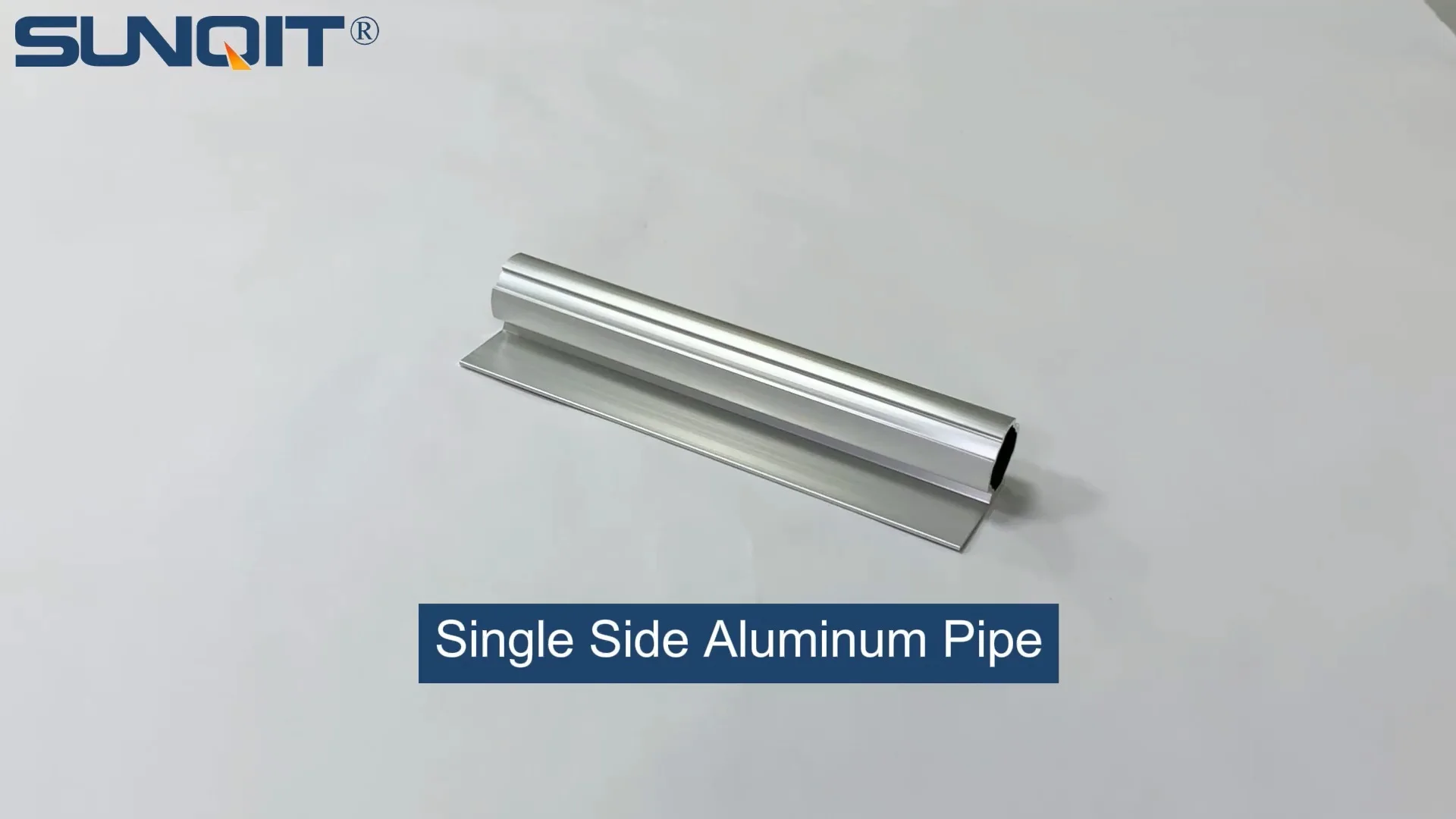
Single Side Aluminum Pipe
The single-sided plane can be installed with a back-mounted material box, and can also be used as a sidewall or partition.
Walk through any manufacturing facility, and you'll likely spot the same silent problem: waste. Piles of discarded metal scraps, outdated workbenches gathering dust in corners, and plastic components that crack under pressure—all relics of a system built around "use once, replace later." For decades, production lines have prioritized speed and cost over sustainability, treating equipment as disposable rather than durable. But as the world wakes up to the urgency of reducing environmental harm, manufacturers are asking a critical question: What if our tools could be part of the solution, not the problem? Enter the reusable single side aluminum pipe—a humble yet revolutionary component that's quietly transforming how factories operate, one reconfigurable workstation at a time.
The Hidden Cost of "One-and-Done" Manufacturing
Traditional production setups are built on rigidity. A steel workbench, for example, is welded into place, designed to serve one purpose for its lifetime. When a product line changes, or a workflow is optimized, that bench becomes obsolete. It's hauled to the scrapyard, and a new one is built from scratch—using fresh raw materials, energy, and labor. The same goes for conveyor systems, material racks, and even simple trolleys. Each time a factory adapts, it's not just spending money; it's generating waste that ends up in landfills or requires energy-intensive recycling.
Consider this: The EPA estimates that manufacturing accounts for 11.7 million tons of metal waste annually in the U.S. alone. Much of this comes from equipment that's still functional but no longer fits a facility's needs. Plastic components fare even worse—they degrade over time, release microplastics, and often can't be recycled effectively. For manufacturers, this cycle of waste isn't just bad for the planet; it's bad for the bottom line. Raw material costs rise, disposal fees add up, and the time spent replacing equipment slows down production. There had to be a better way.
Aluminum: The Unsung Hero of Sustainable Manufacturing
Enter aluminum—a material that's been quietly revolutionizing sustainability in manufacturing for years, and for good reason. Unlike steel, which is heavy and energy-intensive to recycle, or plastic, which lingers in ecosystems for centuries, aluminum is a sustainability standout. Here's why:
- Nearly infinite recyclability: Aluminum can be recycled repeatedly without losing its strength or quality. In fact, recycling aluminum saves 95% of the energy required to produce new aluminum from bauxite ore—a statistic that makes it one of the most eco-friendly metals on the planet.
- Lightweight yet durable: Aluminum is 30% lighter than steel but just as strong, making it easier to transport and handle. This reduces fuel consumption during shipping and lowers the risk of workplace injuries from heavy lifting.
- Resistance to corrosion: Unlike steel, aluminum doesn't rust, even in humid or chemical-heavy factory environments. This extends its lifespan, reducing the need for frequent replacements.
But aluminum's true power lies in its adaptability. When shaped into profiles—extruded lengths with precise cross-sections (think of the aluminum profile you might see in window frames or shelving)—it becomes a building block for modular systems. And when designed as a single side aluminum pipe, with a specialized T-slot or groove along one edge, it becomes a tool for reusability. This isn't just metal; it's a sustainable solution waiting to be reimagined.

Single Side Aluminum Pipe: Built to Be Reborn
So, what exactly is a reusable single side aluminum pipe? At its core, it's a lightweight aluminum tube with a functional groove or slot along one side, designed to connect seamlessly with accessories like joints, clamps, and brackets. Unlike traditional pipes, which require welding or permanent fasteners, these pipes use simple, tool-free connectors that let you assemble, disassemble, and reassemble components in minutes. It's like building with an advanced set of tinker toys—only for grown-ups running factories.
The "single side" design is key here. By concentrating the connection points on one edge, the pipe remains strong and versatile, while the smooth opposite side can be used for mounting panels, tools, or labels. This balance of strength and flexibility makes it ideal for everything from workbenches to material racks. And because it's aluminum, it's lightweight enough to be moved by hand, yet sturdy enough to support heavy loads—think 500+ pounds on a properly assembled shelf.
But the real magic is in its reusability. Let's say your factory needs to shift from assembling small electronics to larger appliances. A traditional steel workbench would need to be replaced, but a workbench built with single side aluminum pipes? You simply loosen the joints, adjust the height, add extra shelves using aluminum pipe accessories like corner brackets or shelf supports, and you're ready to go. No welding, no cutting, no waste—just a quick reconfiguration. It's manufacturing on your terms, not the tool's.

Lean Systems: Less Waste, More Wisdom
If single side aluminum pipes are the building blocks, then lean system principles are the blueprint. Lean manufacturing, born from Toyota's "just-in-time" philosophy, focuses on eliminating waste ("muda") in all forms—whether it's excess inventory, unnecessary movement, or, yes, discarded equipment. Reusable aluminum pipes align perfectly with this mindset by turning "waste" into "potential."
In a lean system, every component should add value without creating waste. Traditional fixed equipment fails this test because it can't adapt to changing needs, leading to "overproduction" of tools (buying new ones when old ones could be reused). Single side aluminum pipes solve this by being inherently flexible. Need a longer conveyor? Add more pipe sections. Need a shorter workbench? Remove a few. The system grows and shrinks with your needs, ensuring you never invest in more than you need—or throw away what you've already bought.
Take, for example, a lean facility producing medical devices. When a new regulatory requirement demands taller safety barriers around workstations, instead of building new barriers from scratch, the team can repurpose existing aluminum pipes and accessories. They add extension tubes, attach clear plastic panels using T-slot connectors, and voilà—compliance achieved without waste. That's lean thinking in action, powered by reusable materials.

Aluminum Profile and Accessories: The Glue That Holds It All Together
A pipe is only as useful as the accessories that connect it, and single side aluminum pipes shine here thanks to a robust ecosystem of aluminum pipe accessories . These aren't your average nuts and bolts; they're engineered for speed and versatility. Let's break down the essentials:
Joints and Connectors
From 90-degree elbows to 135-degree angles, these connectors snap into the pipe's T-slot, securing with a simple twist of a knob or hex key. Many are adjustable, letting you fine-tune angles for custom setups. Internal rotary joints, for example, let pipes swivel 360 degrees, making it easy to create fold-down shelves or rotating tool holders.
Shelving and Panels
Aluminum profile panels—thin, lightweight sheets cut to size—slide into the T-slot, creating work surfaces or dividers. They're available in materials like plywood, plastic, or even aluminum honeycomb (for extra strength without weight), and can be swapped out as needed. A scratched panel? Just replace that one piece, not the entire workstation.
Casters and Feet
Need mobility? Add locking casters to the base of a pipe frame, and suddenly your stationary workbench becomes a mobile trolley. Prefer stability? Swap the casters for adjustable feet that level on uneven floors. No drilling or welding required—just click-and-go.
Together, these accessories turn single side aluminum pipes into a modular toolkit. It's not just about building once; it's about building smarter, with the freedom to adapt without waste.
Workbenches: A Case Study in Reusability
Let's zoom in on one of the most common factory tools: the workbench. For most manufacturers, workbenches are the backbone of production—where assembly happens, tools are stored, and workers spend hours each day. Yet traditional workbenches are surprisingly wasteful. Built from solid wood or steel, they're heavy, hard to modify, and often end up in scrapyards when workflows change.
Enter the aluminum pipe workbench. Built with single side aluminum pipes, aluminum profile panels, and a few basic accessories, it's a chameleon of a tool. Let's walk through its lifecycle:
- Phase 1: Assembly – A team needs a 6-foot workbench for electronics assembly. They cut aluminum pipes to length (or use pre-cut standard sizes), connect them with 90-degree joints to form a frame, and add a plywood panel top. Total time: 30 minutes, no power tools needed.
- Phase 2: Adaptation – Six months later, the team shifts to assembling larger circuit boards. They loosen the joints, add 2-foot pipe extensions to the legs, and raise the top panel. They also add a second shelf halfway up using parallel brackets. Now it's a taller, double-decker workbench. No new materials, no waste.
- Phase 3: Repurposing – A year later, the line is moved to a new facility. The workbench is disassembled, loaded into a truck, and reassembled as a material rack in the warehouse. The plywood top is replaced with wire mesh (using the same T-slot connectors), and suddenly it's holding boxes of components. Still functional, still useful.
- Phase 4: Recycling – After 10 years of service (yes, 10 years!), the pipes show signs of wear. Instead of being thrown away, they're recycled at a local facility, where they'll be melted down and turned into new aluminum products—saving 95% of the energy that would be used to make new aluminum from ore.
Compare that to a traditional wooden workbench, which might last 3–5 years before warping or cracking, then end up in a landfill. The aluminum version isn't just reusable; it's a circular economy in action.
By the Numbers: The Environmental Impact of Reusability
Sustainability is great in theory, but manufacturers need hard numbers to justify change. Let's break down the environmental benefits of single side aluminum pipes using real data:
| Metric | Traditional Steel Workbench | Single Side Aluminum Pipe Workbench |
|---|---|---|
| Raw Material Use | ~50 lbs of steel (newly mined ore) | ~25 lbs of aluminum (30% recycled content) |
| Energy to Produce | 300 kWh (steel production is energy-intensive) | 50 kWh (recycled aluminum uses 5% of new aluminum energy) |
| Lifespan | 3–5 years (prone to rust; hard to modify) | 10–15 years (corrosion-resistant; reconfigurable) |
| Waste Generated | 50 lbs (sent to landfill/scrapyard after use) | 0 lbs (100% recyclable; components reused) |
| CO2 Emissions | 200 kg CO2 (from mining, production, disposal) | 30 kg CO2 (lower production energy; no disposal) |
The numbers speak for themselves: A single aluminum workbench can reduce CO2 emissions by 85% over its lifetime compared to a steel one. Multiply that by hundreds of workstations, racks, and conveyors in a factory, and the impact becomes transformative. And that's before factoring in cost savings—reusing components cuts down on new equipment purchases, while lighter materials reduce shipping and handling costs.
Real-World Change: How One Factory Cut Waste by 70%
Let's take a look at a real example: a mid-sized automotive parts manufacturer in Ohio. Three years ago, the factory was struggling with two problems: rising waste disposal fees and frequent retooling delays when switching between product lines. Their solution? A complete overhaul of their production floor using single side aluminum pipes, aluminum profile panels, and lean system principles.
Before the switch, the factory replaced an average of 15 workbenches and material racks annually, generating 7 tons of metal and plastic waste. Retooling took 2–3 days per line change, as workers had to dismantle old equipment and build new setups from scratch. After switching to aluminum pipes, they've only purchased new components twice in three years—mostly additional accessories to expand existing setups. Retooling now takes 4–6 hours, and waste has dropped to 2 tons annually—a 70% reduction.
"We used to see workbenches as disposable," says the factory manager. "Now, we see them as investments. Last month, we took a rack from the welding department and turned it into a packing station in shipping. It took one person an hour, and we didn't throw away a single piece. That's the future of manufacturing."
The Road Ahead: Reusability as the New Standard
As environmental regulations tighten and consumers demand greener products, sustainability is no longer optional for manufacturers—it's a competitive advantage. Reusable single side aluminum pipes aren't just a trend; they're a glimpse into the future of manufacturing: one where equipment is designed to adapt, not retire, and where waste is the exception, not the rule.
But this future won't happen overnight. It requires a shift in mindset—from "build it once" to "build it to last, and to change." It means investing in modular systems that grow with your business, and choosing suppliers who prioritize sustainability (look for those offering recycled aluminum options or take-back programs for old components). It means training teams to see their tools as flexible assets, not fixed liabilities.
For manufacturers ready to take that step, the rewards are clear: lower costs, reduced waste, and a reputation as a leader in sustainable production. And for the planet? A fighting chance to heal, one reconfigurable workbench at a time.
Conclusion: Small Pipes, Big Impact
Reusable single side aluminum pipes may not grab headlines like electric vehicles or solar panels, but they're the unsung heroes of sustainable manufacturing. They're proof that sustainability doesn't have to mean sacrificing efficiency or productivity—in fact, it can enhance both. By choosing materials that are light, strong, and infinitely reusable; by designing systems that adapt to change; and by prioritizing the circular economy over the "take-make-waste" model, manufacturers can build a future where production and the planet thrive together.
So, the next time you walk through a factory, look closely. If you see a workbench that seems to "breathe"—changing shape, growing, evolving—chances are it's built with aluminum pipes. And if not? Maybe it's time to ask: Why not?