- Company Articles
- Products and Technology
- Solution
- Reusable Suction Cup Anti-Slip Foot Adjusters: Aligning with Lean Manufacturing

Reusable Suction Cup Anti-Slip Foot Adjusters: Aligning with Lean Manufacturing
Related Product
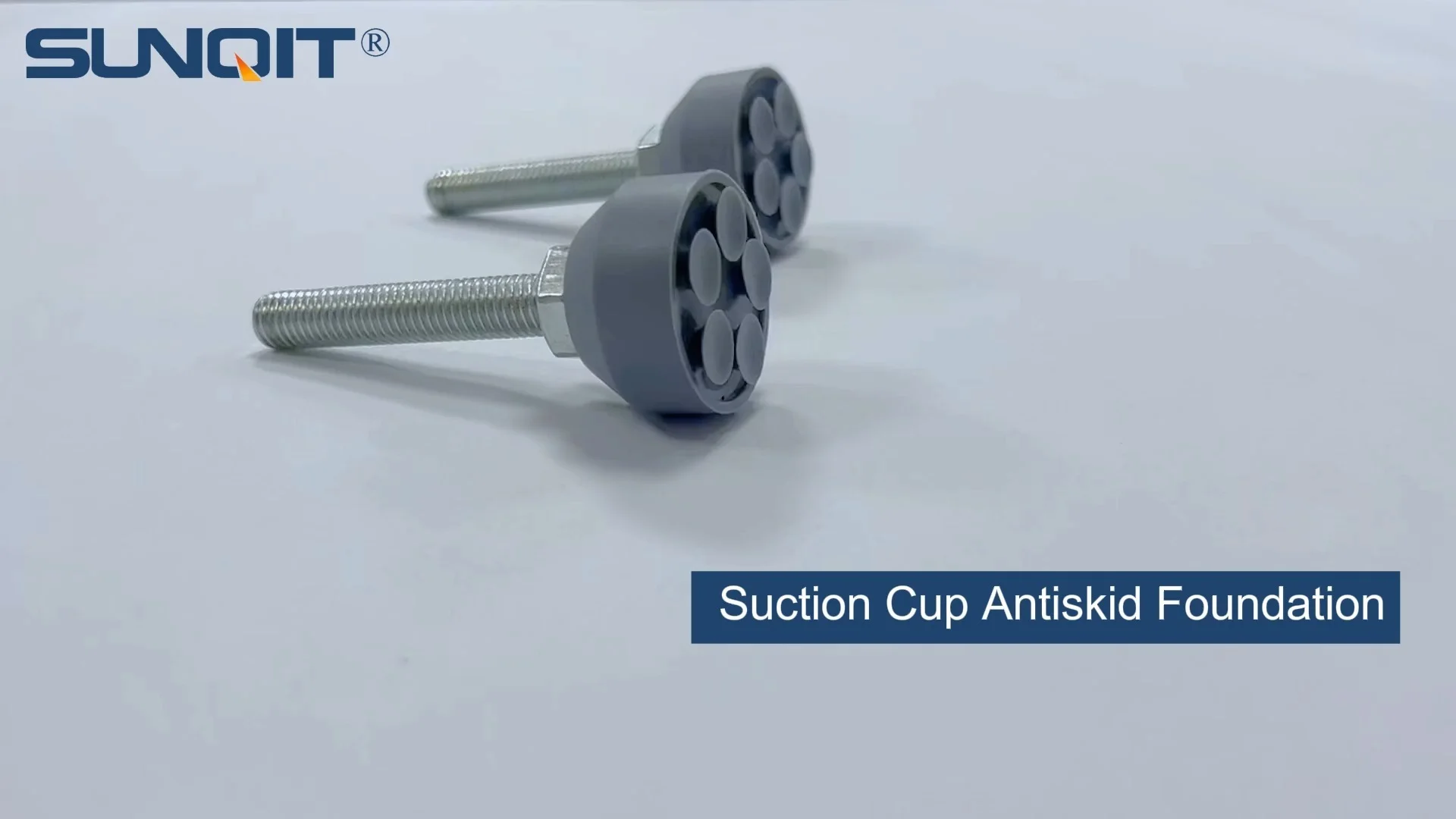
Suction Cup Anti-slip Foot Adjuster
D=35mm suction cup anti-slip foot adjusterï¼screw M10*55ï¼with a blot, used for workbench, flowrack pipe contact with groud.
How a small component can make a big difference in efficiency, safety, and flexibility on the factory floor
Introduction: The Heartbeat of Lean Manufacturing
Walk into any modern manufacturing facility, and you'll likely hear the term "lean" thrown around. But what does it really mean? At its core, lean manufacturing is about creating more value with less waste. It's about streamlining processes, empowering workers, and building systems that adapt and improve over time. Every tool, every piece of equipment, and every workflow is designed to answer one question: Does this help us deliver better products faster, safer, and more cost-effectively?
Today, we're going to zoom in on a component that might seem at first glance but plays a critical role in keeping lean systems running smoothly: reusable suction cup anti-slip foot adjusters. These small, unassuming devices are the unsung heroes of stability, flexibility, and waste reduction on the factory floor. Let's break down why they matter, how they support lean principles, and how they integrate with other key lean components like workbenches, caster wheels, and aluminum profiles.
What Are Reusable Suction Cup Anti-Slip Foot Adjusters?
Before we dive into their role in lean manufacturing, let's get clear on what these foot adjusters actually are. Imagine a sturdy, rubberized base with a suction cup design, topped with a threaded rod or adjustable screw. That's the basic idea. They're designed to attach to the bottom of equipment—think workbenches, material racks, or even roller track supports—to do two main things: keep the equipment stable and level, and prevent it from slipping or sliding on smooth floors.
The "reusable" part is key. Unlike one-time-use adhesives or permanent fixtures, these foot adjusters can be removed, repositioned, and reused as your needs change. The "suction cup" feature adds an extra layer of grip, making them ideal for smooth surfaces like concrete or tiled floors common in manufacturing settings. And the "anti-slip" rubber ensures that even with vibrations from nearby machinery or the constant movement of workers, the equipment stays put.
But why does this matter for lean manufacturing? Let's connect the dots.

How Suction Cup Foot Adjusters Support Lean Manufacturing Principles
Lean manufacturing is built on five core principles: value, value stream, flow, pull, and perfection. Suction cup foot adjusters contribute to each of these, but let's focus on the areas where they shine brightest.
1. Eliminating Waste (Muda)
Waste is the enemy of lean, and one of the most common forms is "downtime." Think about a workbench that wobbles because it's not level. A worker might spend extra time adjusting tools or repositioning parts to compensate. Or worse, a wobbly material rack could cause boxes to tip over, leading to damaged inventory and cleanup delays. These are all forms of waste—time, materials, and energy that don't add value to the product.
Suction cup foot adjusters eliminate this waste by keeping equipment stable and level. No more stopping to fix a wobbly table or clean up spills from fallen items. Workers can focus on their tasks, and processes flow without unnecessary interruptions. And because they're reusable, you won't waste money replacing them every time you reconfigure your workspace—a common practice in lean environments that prioritize adaptability.
2. Enhancing Safety (A Foundation for Flow)
Lean thrives on "flow"—the idea that materials and work should move smoothly from one step to the next. But flow grinds to a halt if workers are worried about safety hazards. An unstable workbench isn't just inefficient; it's dangerous. Tools could slide off, causing injuries, or workers might strain themselves trying to stabilize equipment manually.
Suction cup foot adjusters add a critical safety net. The anti-slip design reduces the risk of equipment sliding, even in high-traffic areas. The adjustable height means you can level equipment on uneven floors, preventing tipping. And because they're made from durable materials like rubber, they stand up to the wear and tear of a busy factory, so you don't have to worry about them failing unexpectedly.
3. Promoting Flexibility (Adapting to Change)
Lean systems aren't static—they evolve. A manufacturing line that works today might need to be reconfigured next month to accommodate a new product. That's where "flexibility" comes in, and it's where reusable foot adjusters really shine.
Suppose you need to move a workbench from one part of the floor to another. With permanent fixtures, you'd have to drill new holes or patch old ones—a time-consuming process. With suction cup foot adjusters? Simply unscrew them, move the bench, and reattach the adjusters in the new location. No tools, no mess, no waste. This flexibility lets you adapt your workspace quickly, keeping up with changing production demands without losing momentum.
4. Reducing Costs (Perfection Through Efficiency)
The final lean principle is "perfection"—striving to continuously improve. One way to achieve perfection is by reducing costs, and suction cup foot adjusters do this in two ways: by lowering maintenance expenses and extending the life of your equipment.
Consider this: A material rack that's not level puts extra stress on its joints and supports, leading to premature wear. Over time, you might need to replace bent aluminum profiles or broken caster wheels. But with foot adjusters keeping the rack stable, the stress is evenly distributed, and your equipment lasts longer. Add in the fact that reusable adjusters mean you won't buy new ones every time you move something, and the cost savings add up quickly.

Integration with Other Lean Components
Suction cup foot adjusters don't work in isolation. They're part of a larger ecosystem of lean tools and components. Let's look at how they pair with some common lean equipment to create a seamless, efficient workflow.
Workbenches: The Stable Foundation of Productivity
Workbenches are the workhorses of manufacturing—whether it's an ESD workstation for electronics assembly or a general-purpose bench for packaging. But a wobbly workbench is a productivity killer. Workers adjust their posture to compensate, leading to fatigue and errors. Tools roll off, and small parts get lost.
Suction cup foot adjusters solve this by leveling the bench, even on slightly uneven floors. The suction cup grip ensures it won't slide when a worker leans against it or pushes heavy parts across the surface. For example, a "Workbench E (Single Deck—Without Caster)" (a common model in many lean setups) relies entirely on its base for stability. Adding foot adjusters transforms it from a basic table into a rock-solid workstation where precision work can happen without distractions.
Caster Wheels: Mobility + Stability = Lean Magic
Many lean systems use equipment with caster wheels for mobility—think turnover trolleys or mobile material racks. But mobility can come at the cost of stability. A trolley with caster wheels might roll unexpectedly if not locked, or a mobile workbench might shift when in use.
Here's where foot adjusters and caster wheels become a dynamic duo. When you need to move the equipment, engage the caster wheels and roll it to the new location. When you're ready to use it, lock the casters and lower the foot adjusters to stabilize it. This combination gives you the best of both worlds: the flexibility to move equipment and the stability to work efficiently once it's in place. It's a small tweak that eliminates the "either/or" choice between mobility and stability.
Aluminum Profiles: Lightweight Strength, Supported by Stability
Aluminum profiles are a staple in lean systems thanks to their lightweight, modular design. They're used to build everything from workbench frames to roller track supports. But even the strongest aluminum profile can bend or warp if the structure it's supporting isn't level. That's where foot adjusters come in.
Imagine a roller track built with aluminum guide rails. If the supports holding the rails aren't level, the track will slope, and materials might get stuck or roll too quickly. By attaching foot adjusters to the base of the supports, you can fine-tune the height to ensure the track is perfectly level. This keeps materials flowing smoothly—exactly what lean's "flow" principle is all about. And because aluminum profiles are modular, you can easily add or remove foot adjusters as you expand or modify the track.
Roller Tracks: Keeping Materials Moving Without Bottlenecks
Roller tracks are the arteries of lean material flow, moving parts from one workstation to the next. But for them to work, they need to be level and stable. A sagging roller track or one that's tilted to one side will cause jams, slow down production, and create bottlenecks.
Suction cup foot adjusters ensure that the supports under roller tracks stay firm and level. Whether it's a "Plastic Roller Track Guide Rail Yellow" or a heavy-duty "85 Steel Roller Track," the foot adjusters absorb vibrations and prevent shifting, so materials glide smoothly from start to finish. No more stopping to free a stuck box or realign the track—just consistent, reliable flow.

Real-World Applications: How One Factory Improved Efficiency with Foot Adjusters
Let's put this all into context with a real example. A mid-sized electronics manufacturer was struggling with two issues: frequent downtime on their assembly line due to wobbly ESD workstations, and damaged circuit boards from material racks that tipped over. Their lean coordinator suggested installing reusable suction cup anti-slip foot adjusters on both the workstations and the racks.
Within a month, the results were clear: Downtime decreased by 15% because workers no longer stopped to stabilize equipment. Damaged inventory dropped by 20% as racks stayed upright. And when the factory reconfigured their line to accommodate a new product, they reused the foot adjusters on the new workstations, saving $500 on new fixtures. It was a small change with a big impact—exactly the kind of lean win that adds up over time.
Choosing the Right Foot Adjusters for Your Lean System
Not all foot adjusters are created equal. To get the most out of them, you'll need to consider a few key factors:
- Load Capacity: How much weight will the equipment bear? Make sure the foot adjusters can handle the load without compressing or breaking.
- Floor Type: Suction cup designs work best on smooth floors. If your facility has rough concrete, look for foot adjusters with a more aggressive tread.
- Adjustability: Some models offer more height adjustment than others. If your floors are uneven, opt for adjusters with a longer threaded rod.
- Material: Rubber is standard for anti-slip grip, but look for oil-resistant or chemical-resistant options if your facility uses lubricants or cleaning agents.
To help you compare, here's a quick overview of common features to consider:
| Feature | Benefit for Lean Systems | Example Product |
|---|---|---|
| Suction Cup Grip | Extra stability on smooth floors; reduces slipping | Suction Cup Anti-Slip Foot Adjuster (50mm Diameter) |
| Adjustable Height (Up to 30mm) | Levels equipment on uneven floors; prevents wobbling | Threaded Rod Foot Adjuster with Rubber Base |
| Reusable Design | Lower long-term costs; supports workspace reconfiguration | Universal Suction Cup Foot Adjuster (Removable) |
| Heavy-Duty Rubber | Resists wear and tear; ideal for high-traffic areas | Industrial-Grade Anti-Slip Foot Adjuster |
Conclusion: Small Tools, Big Lean Wins
Reusable suction cup anti-slip foot adjusters might not be the first thing you think of when you hear "lean manufacturing," but they're a perfect example of how the smallest components can have the biggest impact. By eliminating waste, enhancing safety, promoting flexibility, and reducing costs, they align perfectly with lean principles and support the larger ecosystem of lean tools—from workbenches and caster wheels to aluminum profiles and roller tracks.
So the next time you're looking to optimize your lean system, don't overlook the details. A stable, adaptable workspace is the foundation of efficiency, and sometimes, all it takes is a few well-placed foot adjusters to transform chaos into flow. After all, lean isn't just about big changes—it's about making every part of your process work smarter, together.