- Company Articles
- Products and Technology
- Product knowledge
- Rigidity of 1.5mm Stainless Steel Pipe for Stable Material Handling Systems

Rigidity of 1.5mm Stainless Steel Pipe for Stable Material Handling Systems
Related Product
1.5mm Stainless Steel Pipe
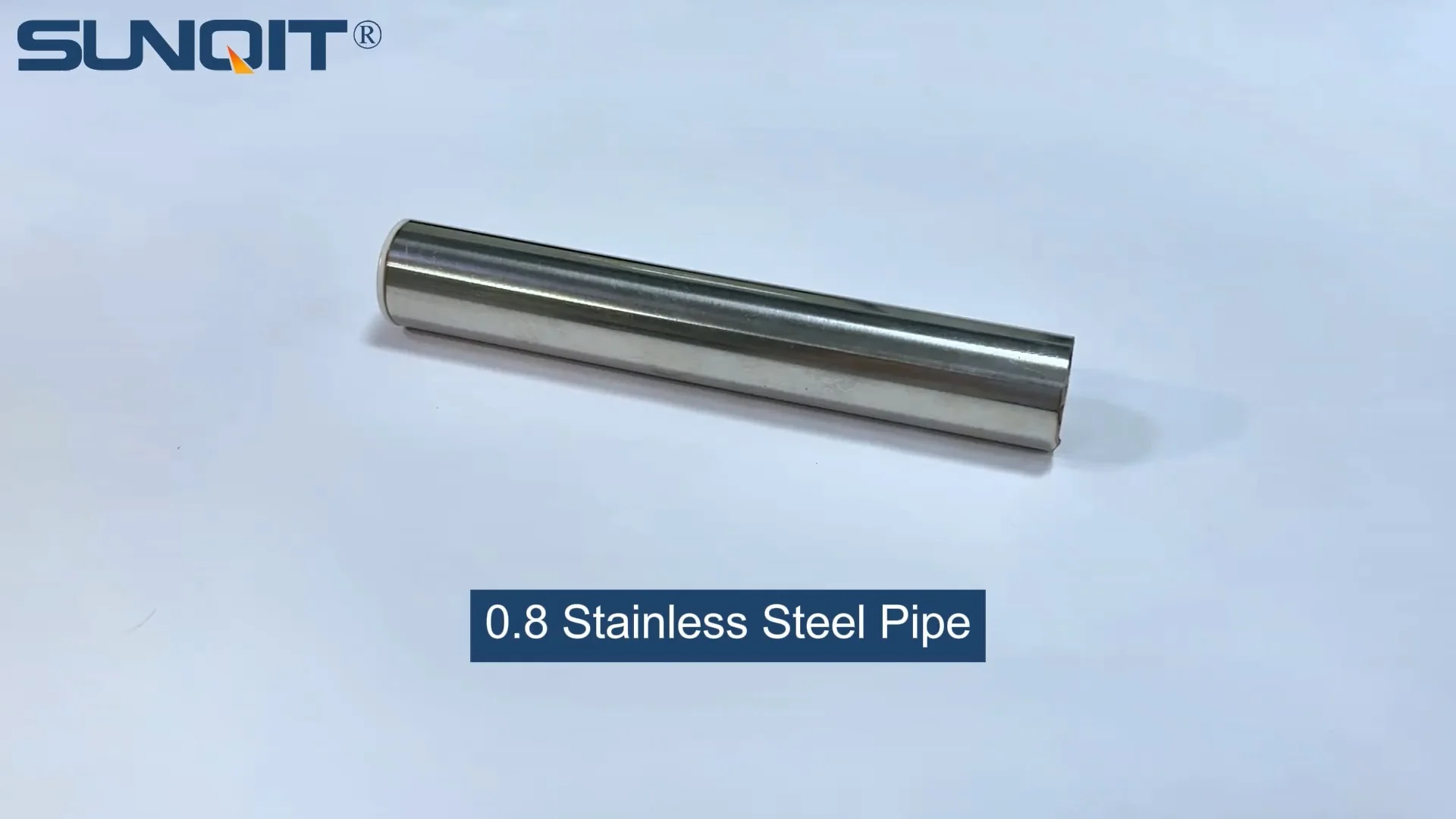
Stainless steel pipe, lean pipe, diameter is 28mm, material is SS201 or SS304, SS201 is normally used in the market. It knows a KARAKURI, KAIZEN material for industrial plant to improve efficiency, save labor cost, standard management.
In the bustling world of manufacturing and warehousing, material handling is the unsung hero that keeps operations moving. Every cart, conveyor, and workbench plays a role in ensuring products flow seamlessly from production to delivery. But here's the thing: if these tools aren't built to last, they become bottlenecks. Bent pipes, wobbly racks, and misaligned tracks don't just slow things down—they eat into profits, compromise safety, and derail the efficiency that modern businesses rely on. That's where lean systems come in, designed to eliminate waste and streamline processes. And at the heart of many lean material handling setups? The 1.5mm stainless steel pipe. Its rigidity isn't just a spec on a datasheet; it's the backbone of stable, reliable operations that keep lean principles alive on the factory floor.
Why Rigidity Matters in Material Handling
Let's start with the basics: What is rigidity, and why should anyone care? In simple terms, rigidity is a material's ability to resist bending or warping when weight or pressure is applied. Think of it as the "stiffness" that keeps a structure upright and stable, even under load. In material handling, this isn't just a nice-to-have—it's critical.
Imagine a roller track conveyor used to move heavy automotive parts. If the pipes supporting that track are flimsy, they might sag under the weight of a transmission or engine block. That sagging throws the rollers out of alignment, causing parts to jam or slide off track. Suddenly, workers are stopping production to fix the jam, products get damaged, and deadlines slip. In a lean system, where every second counts, that's waste—exactly what lean aims to eliminate. Rigid structures, on the other hand, keep everything aligned. Rollers spin smoothly, parts glide without hiccups, and workflows stay on track. No unexpected delays, no damaged goods, no frustrated teams. Rigidity isn't just about durability; it's about consistency—the kind that makes lean processes work.
The Science Behind 1.5mm Stainless Steel Pipe's Strength
Stainless steel has long been a favorite in industrial settings, and for good reason. Its mix of iron, chromium, and nickel creates a material that's resistant to rust, easy to clean, and—when engineered right—surprisingly strong. But why 1.5mm specifically? Let's break it down.
At 1.5mm thick, this pipe strikes a sweet spot between strength and practicality. Thinner pipes (like 1.0mm or 0.8mm) might save on cost, but they lack the backbone to handle heavy loads. A 1.0mm stainless steel pipe, for example, might start bending under the weight of a fully loaded turnover trolley, compromising the entire structure. Thicker pipes (2.0mm or more) offer plenty of rigidity, but they add unnecessary weight. Heavier structures are harder to install, require sturdier supports, and can even increase energy use when integrated into motorized conveyors. The 1.5mm thickness avoids both pitfalls: it's thick enough to resist deformation under typical material handling loads (think 50-200kg, depending on the setup) but light enough to keep installations flexible and cost-effective.
But it's not just about thickness. Stainless steel's microstructure plays a role too. The alloy's grain structure is tightly packed, creating a material that's inherently resistant to bending. When force is applied, the grains lock together, distributing the load evenly across the pipe's surface. This means even if you stack heavy boxes on a rack made with 1.5mm stainless steel pipe, the frame won't bow or twist over time. Compare that to aluminum pipes, which—while lightweight—can flex under sustained pressure, or PE-coated lean pipes, which might degrade faster in harsh environments. Stainless steel's rigidity is a result of both its composition and its thickness, making the 1.5mm variant a workhorse for material handling.

1.5mm Stainless Steel Pipe: A Cornerstone of Lean Systems
Lean systems thrive on predictability. They're built around the idea that every step should add value, and waste—whether in time, materials, or effort—should be cut out. For that to happen, the tools and structures used in these systems need to be reliable. You can't have a "continuous flow" if your conveyor track bends and jams every few hours. You can't practice "just-in-time" production if your workbench wobbles and throws off assembly precision. That's where 1.5mm stainless steel pipe shines: its rigidity ensures that the structures built with it—from roller tracks to workbenches—perform consistently, day in and day out.
Take a typical lean assembly line, for example. Parts need to move from station to station smoothly, often via gravity-fed roller tracks. These tracks are mounted on frames made from pipes, and if those pipes aren't rigid, the track sags. A sagging track means parts slow down or get stuck, forcing operators to stop, adjust, and restart—wasting precious time. With 1.5mm stainless steel pipe frames, the track stays level. Parts glide at a steady pace, operators don't waste time troubleshooting, and the line maintains its rhythm. That's lean in action: eliminating waste by building on a foundation of stability.
Another example: material racks. In a warehouse, racks hold everything from raw materials to finished products, and they need to handle varying weights without complaint. A rack built with flimsy pipes might start to lean after months of use, putting products at risk of falling or becoming difficult to access. But a rack made with 1.5mm stainless steel pipe? It stands firm. The rigidity ensures that even when loaded with heavy items—like metal components or bulk packaging—the rack remains upright and stable. This not only reduces the risk of accidents but also makes inventory management easier: workers can quickly locate and retrieve items without struggling with a warped structure. In lean terms, that's "respect for people"—giving teams the tools they need to work efficiently and safely.

Real-World Applications: Roller Tracks and Beyond
One of the most common places you'll find 1.5mm stainless steel pipe is in roller track systems. Roller tracks are everywhere in material handling—used to move boxes, parts, and even entire pallets. They rely on a frame that keeps the rollers aligned, so items can slide or roll with minimal friction. If the frame bends, the rollers misalign, and suddenly you've got a logjam. 1.5mm stainless steel pipe solves this problem by providing a rigid base that keeps the track straight, even under heavy loads.
Consider a distribution center handling e-commerce orders. During peak seasons, conveyor lines are bombarded with packages of all shapes and sizes. A roller track made with 1.5mm stainless steel pipe can handle the stress: boxes weighing 20kg or more glide along without causing the frame to bow. This consistency means fewer jams, less downtime, and faster order fulfillment—exactly what's needed to keep up with customer demand. Even in manufacturing, where parts might be oily or heavy, stainless steel's corrosion resistance (paired with its rigidity) ensures the track stays in shape, reducing the need for frequent repairs or replacements.
But roller tracks are just the start. 1.5mm stainless steel pipe is also used in workbenches, turnover trolleys, and material racks—all critical components of lean material handling. For instance, a workbench in an electronics assembly line needs to stay stable to ensure precision. A wobbly workbench could lead to misaligned circuit boards or dropped components, both of which are costly mistakes. With a frame made from 1.5mm stainless steel pipe, the workbench stays level, giving operators a steady surface to work on. Similarly, turnover trolleys—used to transport parts between stations—need to handle heavy loads without tipping or flexing. Stainless steel's rigidity ensures the trolley's frame holds up, even when loaded to capacity, making it a reliable tool for keeping materials moving.
Comparing Materials: Why 1.5mm Stainless Steel Stands Out
To really appreciate the value of 1.5mm stainless steel pipe, it helps to compare it to other common materials used in material handling. Let's take a look at how it stacks up against aluminum lean pipe and PE-coated lean pipe—two popular alternatives.
| Material | Thickness | Rigidity (1-10) | Weight (kg/m) | Corrosion Resistance | Typical Lifespan | Best For |
|---|---|---|---|---|---|---|
| 1.5mm Stainless Steel Pipe | 1.5mm | 9 | 3.8 | Excellent (resists rust, oils, chemicals) | 10-15 years | Heavy loads, harsh environments, lean systems requiring long-term stability |
| Aluminum Lean Pipe | 2.0mm | 7 | 2.1 | Good (but prone to dents) | 5-8 years | Light to medium loads, applications where weight is a priority |
| 1.2mm PE-Coated Lean Pipe | 1.2mm (steel core + PE coating) | 6 | 3.2 | Moderate (coating can chip) | 3-5 years | Light loads, temporary setups, budget-sensitive projects |
As the table shows, 1.5mm stainless steel pipe outperforms the others in rigidity, corrosion resistance, and lifespan. While aluminum is lighter, it sacrifices rigidity—making it less ideal for heavy or sustained loads. PE-coated pipes are cheaper upfront but wear out faster, especially in environments with oils, chemicals, or heavy use. Stainless steel, on the other hand, offers the best of both worlds: rigidity to handle tough conditions and durability to last for years. For lean systems, where reliability and long-term value are key, this makes 1.5mm stainless steel pipe a smart investment.
Accessories and Compatibility: Building a Complete System
A pipe is only as good as the accessories that hold it together. Fortunately, the 1.5mm stainless steel pipe is part of a larger "stainless steel pipe series" that includes a range of joints, connectors, and fittings designed to work seamlessly with it. These accessories are built to match the pipe's rigidity, ensuring the entire structure—whether a roller track, rack, or workbench—stays strong.
Take joints, for example. A 90° crossing lean pipe joint or a three-way lean pipe joint made from stainless steel will lock the pipes together tightly, preventing wobble or shifting. Unlike plastic or aluminum joints, which might degrade or loosen over time, stainless steel joints maintain their grip, even under stress. Similarly, caster wheels and accessories used to build turnover trolleys are designed to attach securely to stainless steel pipes, ensuring the trolley rolls smoothly without the frame flexing.
Even small details matter. Roller track connectors, for instance, are critical for linking sections of track into a continuous line. If these connectors are flimsy, the track can misalign, causing jams. But when paired with 1.5mm stainless steel pipe, heavy-duty stainless steel connectors keep the track straight and stable. The same goes for end supports and brackets—they're engineered to distribute weight evenly across the pipe, preventing bending at stress points. Together, the pipe and its accessories create a system that's greater than the sum of its parts: a rigid, reliable structure that supports lean material handling.
Long-Term Value: Investing in Rigidity
Let's talk about cost. At first glance, 1.5mm stainless steel pipe might seem more expensive than alternatives like PE-coated pipe. But here's the thing: material handling structures are long-term investments. A rack or conveyor built with flimsy materials might save money upfront, but it will need repairs or replacement in 3-5 years. A structure made with 1.5mm stainless steel pipe, though, can last 10-15 years or more—even in tough industrial environments. When you factor in lower maintenance costs, fewer replacements, and reduced downtime, stainless steel becomes the more cost-effective choice over time.
Sustainability is another angle. Stainless steel is 100% recyclable, and its long lifespan means less waste ends up in landfills. In a world where businesses are increasingly focused on eco-friendly practices, this matters. Lean systems already aim to reduce waste, so using durable, recyclable materials like stainless steel aligns perfectly with those goals. It's a win-win: lower costs and a smaller environmental footprint.
Conclusion: Rigidity That Powers Lean Success
In the end, the rigidity of 1.5mm stainless steel pipe is more than just a technical feature—it's a catalyst for lean success. It ensures material handling systems run smoothly, reduces waste, and gives teams the reliable tools they need to do their best work. Whether it's supporting a roller track in a warehouse, a workbench in a factory, or a rack in a distribution center, this pipe stands tall under pressure, keeping operations moving and profits flowing.
So the next time you walk through a manufacturing plant or warehouse, take a closer look at the structures around you. Chances are, the ones that look the sturdiest, the ones that keep the workflow humming—they're built with 1.5mm stainless steel pipe. Because in material handling, rigidity isn't just about strength. It's about trust—trust that the tools you rely on will never let you down.