- Company Articles
- Products and Technology
- Product knowledge
- Role of 60 Steel Roller Track Small Wheels in Medical Device Turnover Systems

Role of 60 Steel Roller Track Small Wheels in Medical Device Turnover Systems
Related Product
60 Steel Roller Track Small Wheel
Modular system roller tracks aluminum gravity roller tracks are an excellent solution for transporting materials within industrial environments, warehouses and distribution centres.
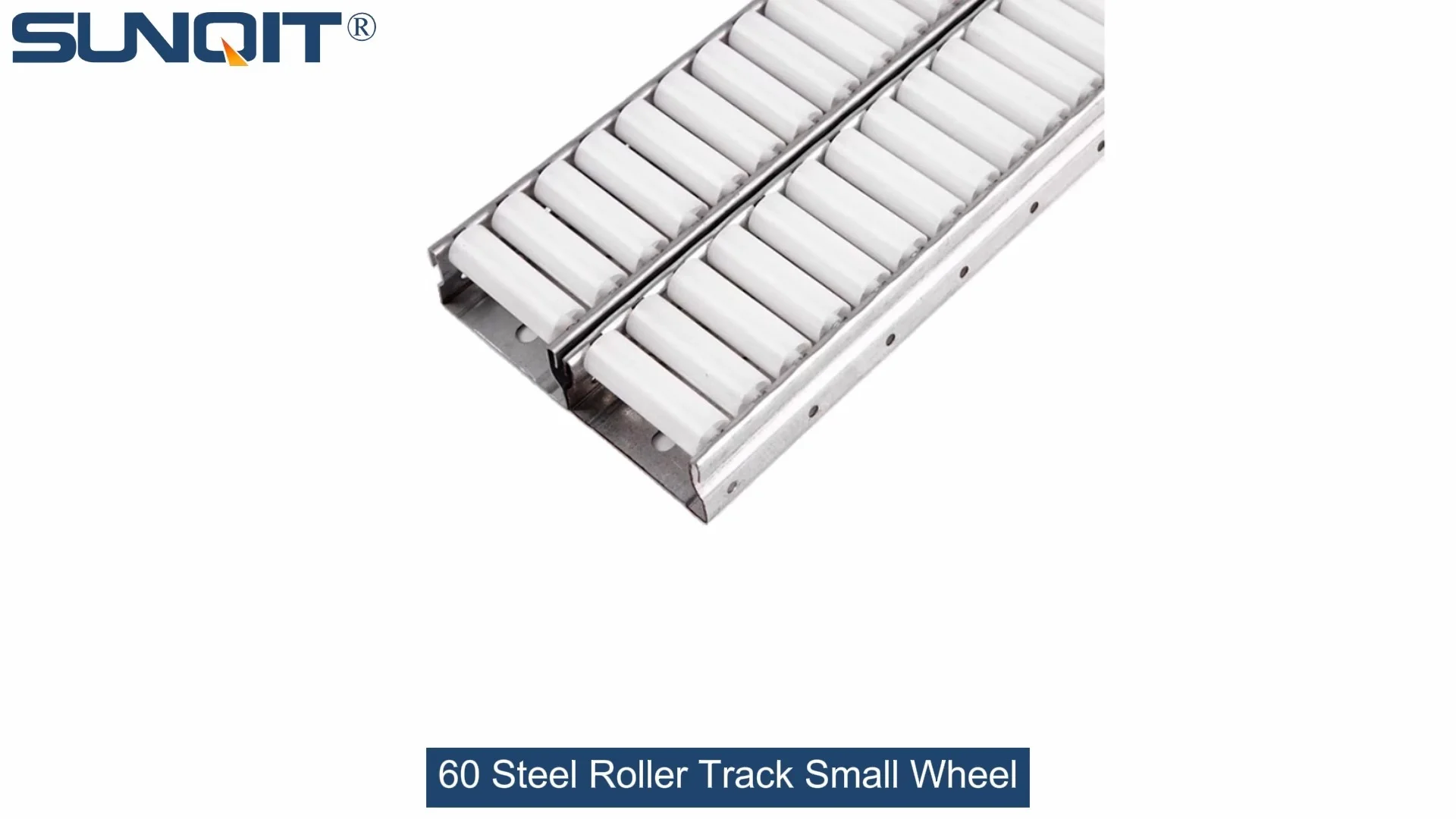
In the highly regulated and precision-driven world of medical device manufacturing, every component of the production line plays a critical role in ensuring product safety, compliance, and operational efficiency. Turnover systems—used to transport raw materials, semi-finished parts, and finished devices across different stages of production—are no exception. Among the many components that make these systems work seamlessly, the 60 Steel Roller Track Small Wheels stand out as an unsung hero. These small but robust wheels are integral to creating smooth, reliable, and hygienic turnover systems that meet the stringent demands of the medical industry. In this article, we will explore the core roles of these wheels in medical device turnover systems, their key features, and how they integrate with comprehensive lean solutions to address the unique challenges of medical manufacturing.
1. The Importance of Turnover Systems in Medical Device Manufacturing
Medical device manufacturing is a field where even the smallest error can have life-altering consequences. As such, every aspect of the production process must adhere to strict standards for precision, hygiene, and traceability. Turnover systems are the backbone of this process, facilitating the movement of components from one workstation to another without compromising their integrity.
For example, a surgical instrument manufacturer needs to transport delicate stainless steel parts from the machining station to the sterilization area. Any scratch or contamination during this transfer could render the instrument unusable, leading to costly rework or, worse, regulatory non-compliance. Similarly, a diagnostic equipment maker must move sensitive electronic components (like sensors or circuit boards) across assembly lines with minimal vibration to avoid damage.
Turnover systems in medical manufacturing must also be flexible enough to adapt to changing production needs. With medical technology evolving rapidly, manufacturers often need to reconfigure their lines to produce new devices or modify existing ones. This flexibility is where lean solutions come into play—allowing for quick adjustments without significant downtime or costs.
Moreover, these systems must be easy to clean and maintain to prevent cross-contamination. Medical facilities and manufacturing plants are required to follow strict hygiene protocols (such as ISO 14644 for cleanrooms or FDA guidelines for medical devices), so turnover systems must be designed with materials that resist corrosion and are compatible with sanitization processes.
2. What Are 60 Steel Roller Track Small Wheels?
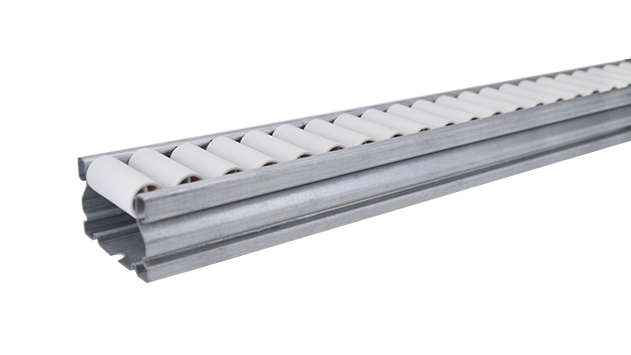
60 Steel Roller Track Small Wheels are compact, high-performance components designed for use in roller tracks, flow racks, and conveyors. As the name suggests, these wheels are made from durable steel, which gives them excellent load-bearing capacity and resistance to wear and tear. The "small" designation refers to their diameter, making them ideal for applications where space is limited (like in tight medical manufacturing workspaces).
Key features of these wheels include:
- **Robust Steel Construction**: The steel material ensures that the wheels can handle heavy loads (up to 50 kg per wheel) while maintaining smooth operation.
- **Smooth Rotation**: Precision-engineered bearings enable frictionless movement, reducing manual strain and preventing damage to sensitive parts.
- **Corrosion Resistance**: Zinc-plated coatings withstand exposure to cleaning agents and moisture—essential for medical environments.
- **Compatibility**: Designed to fit seamlessly with flow racks, conveyors, and lean pipe workbenches for integrated system design.
These wheels are part of an extensive range of flexible production equipment, which also includes flow racks, conveyors, and lean management accessories. This integration ensures that every component works in harmony to deliver optimal performance.
3. Core Roles of 60 Steel Roller Track Small Wheels in Medical Turnover Systems
3.1 Enhancing Material Flow Efficiency
One of the primary roles of these wheels is to improve material flow efficiency in medical manufacturing lines. When integrated into flow racks or conveyors, they allow for smooth movement of bins/trays holding medical components, reducing bottlenecks and minimizing manual handling time. For example, in a 3C assembly line for wearable health monitors, these wheels enable parts to glide from storage to assembly stations without hiccups, boosting production output by up to 25% in some cases.
3.2 Ensuring Product Safety & Hygiene
Medical devices are highly sensitive to contamination, so turnover systems must prioritize hygiene. 60 Steel Roller Track Small Wheels excel here: their steel construction resists corrosion and is compatible with harsh sanitization agents (like ethanol or hydrogen peroxide). Unlike plastic wheels, they do not harbor bacteria or degrade over time, making them ideal for cleanroom environments. Their smooth surface also prevents debris accumulation, reducing cross-contamination risks between batches.
3.3 Supporting Flexible & Lean Operations
Lean solutions are critical for medical manufacturers to adapt to rapid technological changes. These wheels are a perfect fit for lean systems—they can be easily removed and reused in reconfigured lines, aligning with the "reusable and sustainable improvement" philosophy. For instance, a manufacturer can reconfigure their lean pipe workbench by adding roller tracks with these wheels to accommodate a new device line, avoiding costly equipment replacements.
3.4 Handling Heavy & Sensitive Loads
Medical components range from delicate sensors to heavy imaging equipment parts. These wheels handle this diversity with high load capacity (up to 50 kg per wheel) and minimal vibration. This is crucial for protecting sensitive electronic parts (like MRI machine circuits) from damage during transport. Conveyors equipped with these wheels can safely move heavy trays of surgical instruments from sterilization to packaging stations without issues.
3.5 Compatibility with Other Components
The table below compares 60 Steel Roller Track Small Wheels with other components for medical manufacturing applications:
| Component Name | Material | Load Capacity (per wheel) | Hygiene Compliance | Best Use Case |
|---|---|---|---|---|
| 60 Steel Roller Track Small Wheels | Zinc-plated Steel | Up to 50 kg | High (anti-corrosion, easy to clean) | Heavy medical components, flow racks, conveyors |
| 38 Aluminum Roller Track Yellow Wheels | Aluminum | Up to 30 kg | Medium (good for light sanitization) | Light to medium parts, lean pipe workbenches |
| Plastic Roller Track Guide Rail Wheels (Yellow) | Food-grade Plastic | Up to 20 kg | Medium (easy to clean, limited load) | Temporary turnover systems for light parts |
| Stainless Steel Swivel Roller Balls (1 inch) | Stainless Steel | Up to 40 kg | Very High (cleanroom-compatible) | Precision medical parts, ISO 14644 cleanrooms |

4. Integration with Lean Solutions for Medical Industry
Custom lean solutions for the medical industry integrate 60 Steel Roller Track Small Wheels with flow racks, conveyors, and lean pipe workbenches to create tailored turnover systems. For example, a diagnostic equipment manufacturer might use:
- Flow racks with these wheels to store semi-finished sensor components.
- Conveyors connecting racks to lean pipe workbenches for assembly.
- Reusable lean accessories to organize tools at workstations.
A hypothetical case study: A surgical instrument maker needed to upgrade their turnover system for heavier components. The solution included flow racks with 60 Steel Wheels and conveyors, resulting in 15% fewer material handling errors and improved FDA compliance. This success stemmed from the wheels' load capacity and hygiene features.
5. Key Considerations for Choosing These Wheels
When selecting 60 Steel Roller Track Small Wheels for medical turnover systems, consider:
- **Load Capacity**: Match to your component weights (up to 50 kg per wheel).
- **Corrosion Resistance**: Opt for zinc-plated variants for sanitization compatibility.
- **Compatibility**: Ensure fit with existing flow racks, conveyors, or lean pipe workbenches.
- **Regulatory Compliance**: Choose wheels meeting ISO 13485 or FDA standards.
- **Maintenance**: Prioritize easy-to-clean designs to reduce downtime.
Conclusion
60 Steel Roller Track Small Wheels are critical to medical device turnover systems, enhancing efficiency, safety, flexibility, and load handling. Their integration with lean solutions—including flow racks, conveyors, and lean pipe workbenches—addresses the unique challenges of medical manufacturing, from hygiene to regulatory compliance. As medical technology evolves, these wheels will remain essential for building reliable, adaptable turnover systems that support high-quality device production.