- Company Articles
- Products and Technology
- Installation And Maintenance
- Roller Track Placon Mount Bracket Maintenance: Extending Lifespan in Manufacturing Settings

Roller Track Placon Mount Bracket Maintenance: Extending Lifespan in Manufacturing Settings
Related Product
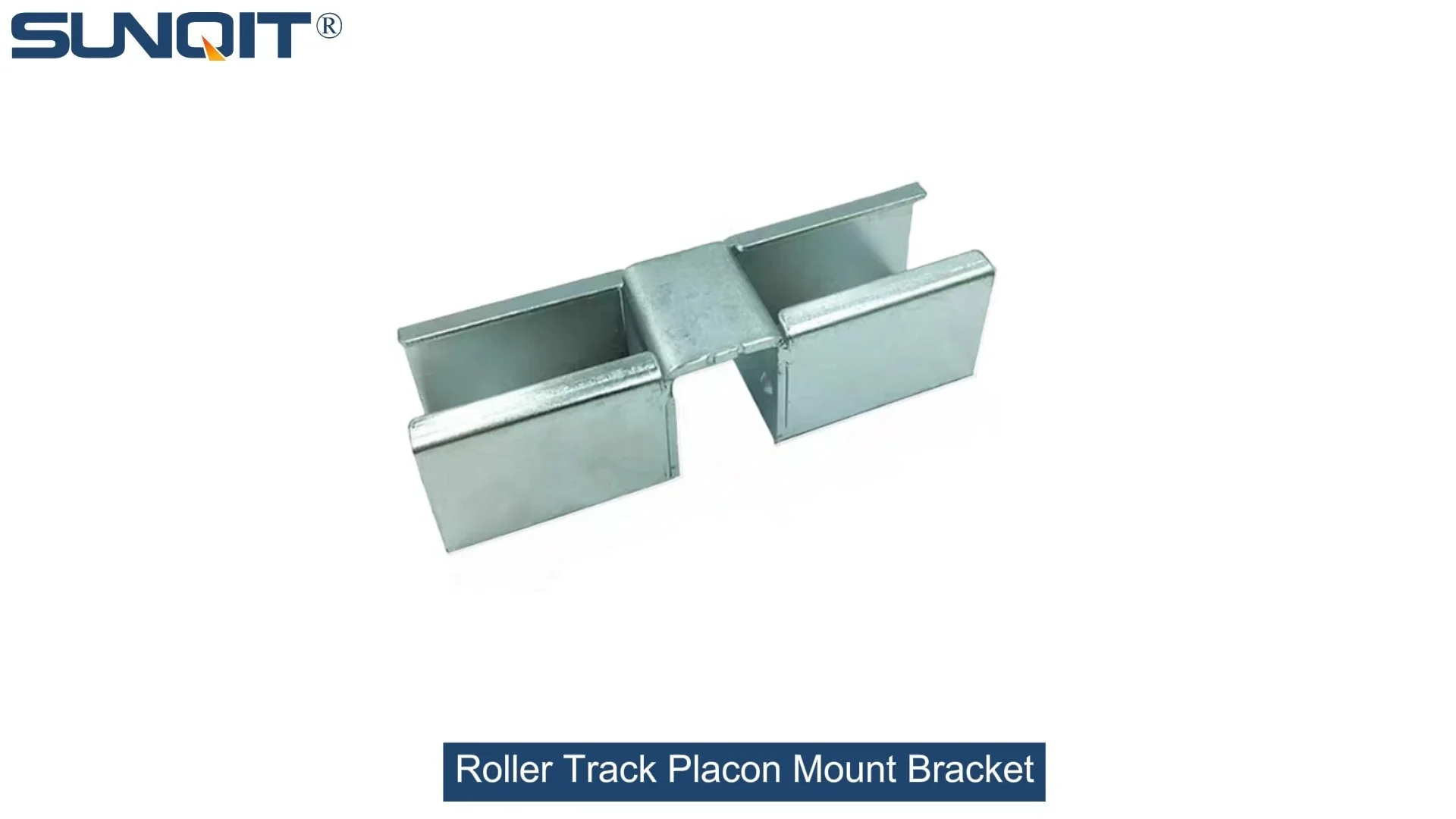
Roller Track Placon Mount Bracket
Roller track placon mount work as a connector for roller track and pipe or aluminum profile in rack syetem, it is a necessary parts in rack system which widely used in industrial plant and logistic,warehouse storage.
Keeping the backbone of your production line strong and efficient
Why Maintenance Matters More Than You Think
Walk into any busy manufacturing workshop—whether it's a 3C assembly line churning out smartphones or a medical device plant packaging precision tools—and you'll notice a silent hero hard at work: the roller track system . These tracks, lined with smooth-rolling wheels, carry components from station to station, keeping production flowing like a well-choreographed dance. But what holds these tracks steady? That's where roller track placon mount brackets come in.
Think of placon mount brackets as the "backbone" of your roller track. They secure the tracks to aluminum profiles or workbenches, absorb vibrations from constant rolling, and ensure alignment stays precise even after months of heavy use. But here's the thing: when these brackets wear down—whether from rust, loose bolts, or misalignment—your entire line can grind to a halt. A stuck roller track might mean delayed shipments, missed deadlines, or even damaged materials. And in manufacturing, downtime isn't just frustrating—it's costly.
That's why maintenance isn't just a "nice-to-have" here. It's part of a smart lean solution —one that prevents small issues from ballooning into big problems, reduces waste, and keeps your operation running at peak efficiency. Let's dive into how to keep these critical brackets (and by extension, your entire roller track system) in top shape.
First, Get to Know Your Bracket: What Makes It Tick?
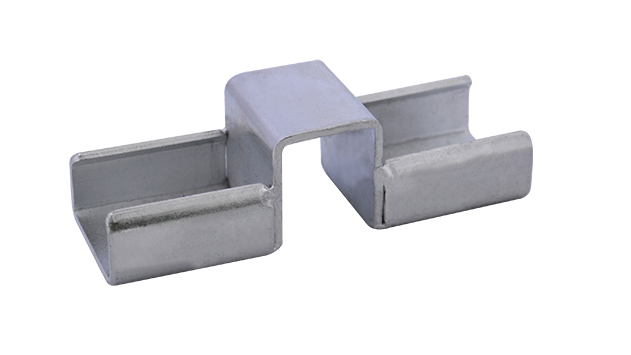
Before you start maintaining something, you need to understand how it works. Roller track placon mount brackets might look simple, but their design is all about balance—strength, flexibility, and compatibility with your existing setup. Most are made from durable aluminum profile or steel, chosen for their lightweight yet robust properties, especially in environments where corrosion resistance matters (like warehouses with temperature fluctuations).
These brackets come in various styles to fit different track types: from "flat" mounts that attach directly to workbench surfaces to "drop high" versions that create space for under-track storage. Some even have built-in stop mechanisms to prevent materials from sliding off the end of the track. No matter the style, they all share a common goal: to keep the roller track stable while allowing the wheels to spin freely.
Pro tip: Check your bracket's specs against your conveyor or roller track model. Using mismatched parts is a common cause of premature wear—like putting a square peg in a round hole, it'll work for a while, but eventually, the stress will take its toll.
Daily Maintenance: Small Habits, Big Results
You don't need a fancy toolkit or a dedicated maintenance team to keep your placon mount brackets in good shape. Daily checks, done by the operators who use the equipment every day, can catch issues early. Here's a step-by-step routine to follow:
| Task | How to Do It | Why It Matters |
|---|---|---|
| 1. Quick Visual Inspection | Scan brackets for cracks, bent edges, or rust spots. Check that bolts are tight (no wiggling when you gently shake the track). | Loose bolts can misalign the track, causing materials to jam. Rust weakens metal over time—catching it early prevents breakage. |
| 2. Clean Debris | Use a dry brush or compressed air to sweep away dust, metal shavings, or product residues from bracket joints and bolt holes. | Debris buildup can trap moisture, corrosion, and block adjustment mechanisms. |
| 3. Check Track Alignment | Place a straightedge along the track—if it dips or curves, the brackets might be warped or loose. | Misaligned tracks cause materials to slow down or get stuck, wasting operator time and energy. |
| 4. Test Wheel Movement | Roll a test part along the track. If it stops or jolts, check if the bracket is pushing the track out of level. | Smooth movement = efficient production. A stuck wheel could mean bracket stress is warping the track. |
Make this routine part of your team's start-of-shift checklist. Operators are the first to notice when something feels "off"—empower them to flag issues, and you'll cut down on unexpected breakdowns.

Weekly Deep Dive: Lubrication and Tightening
Daily checks keep things running, but weekly maintenance ensures long-term durability. Focus on two key areas: lubrication and bolt tightening.
Lubricating Moving Parts
Most placon mount brackets have pivot points or adjustable joints (like those used to angle the track up or down). These parts need regular lubrication to stay flexible. Use a lightweight machine oil or silicone spray—avoid heavy greases, which attract dust and gunk.
How to do it: Spray a small amount of lubricant into the joint, then move the bracket back and forth a few times to work it in. Wipe away excess oil with a clean cloth—you don't want it dripping onto products or the factory floor.
Tightening Bolts and Fasteners
Vibration from daily use slowly loosens bolts—even if they felt tight on Monday, by Friday, they might be wobbly. Use a torque wrench (set to the manufacturer's recommended level) to tighten all bracket bolts. For aluminum profile brackets, be careful not to over-tighten—aluminum is softer than steel and can strip if you crank too hard.
Pro hack: Mark bolts with a permanent marker after tightening. If the mark shifts later, you'll know the bolt has come loose and needs attention.

Troubleshooting Common Problems (And Fixing Them Fast)
Even with regular maintenance, issues can pop up. Here's how to spot and solve the most common bracket-related problems:
Problem: Track is Misaligned (Materials Keep Getting Stuck)
Why it happens: Loose brackets, bent mounting plates, or uneven floor surfaces.
Fix: Loosen the bracket bolts, use a level to realign the track, then retighten. If the floor is uneven, add shims under the bracket base to stabilize it. For bent plates, replace the bracket—bending metal back weakens it, and it'll just warp again.
Problem: Rust Spots on Steel Brackets
Why it happens: Exposure to moisture (e.g., from cleaning sprays or humid environments).
Fix: Sand off rust with fine-grit sandpaper, wipe clean, and apply a rust-resistant paint or coating. For severe cases, replace the bracket—rust eats through metal from the inside out, and a "patched" bracket might fail suddenly.
Problem: Bracket is Cracking at the Bolt Hole
Why it happens: Overloading the track (putting heavier materials than the bracket is rated for) or repeated stress from vibration.
Fix: replace the bracket immediately—cracks can't be repaired safely. While you're at it, check if you need a heavier-duty model. Many manufacturers offer reinforced brackets for high-load applications, which is where a good lean solution comes in—investing in the right part now saves money later.
Long-Term Strategy: Building Maintenance into Your Lean Culture
Maintenance shouldn't be a one-time chore—it's part of a larger lean solution focused on continuous improvement. Here's how to make bracket care a permanent part of your operation:
1. Track Maintenance Data
Keep a log of when brackets are inspected, cleaned, or replaced. Over time, you'll spot patterns—like certain brackets wearing out faster in high-vibration areas. Use this data to adjust your maintenance schedule (e.g., lubricate more often) or switch to more durable materials (like stainless steel brackets in humid zones).
2. Train Your Team to Be "Bracket Detectives"
Your frontline operators know the equipment best. Host 15-minute training sessions to teach them how to spot early warning signs (e.g., "If the track makes a squeaking noise when rolling parts, that could mean a bracket is loose"). Offer small rewards for reporting issues—like a gift card for the first person to catch a cracked bracket. When everyone owns maintenance, problems get fixed faster.
3. Partner with a Supplier Who Gets Lean
A good lean pipe supplier doesn't just sell you parts—they help you optimize your system. Ask your supplier for maintenance guides tailored to your specific brackets, or inquire about upgrade options (like corrosion-resistant aluminum brackets) that reduce long-term upkeep. Some suppliers even offer on-site audits to identify weak spots in your roller track setup.
Final Thoughts: Small Parts, Big Impact
At the end of the day, roller track placon mount brackets might not be the most glamorous part of your manufacturing process. They don't have flashy buttons or high-tech sensors—they're just sturdy pieces of metal doing a tough job. But as any seasoned plant manager will tell you, the strength of a production line lies in its weakest link.
By taking 10 minutes each day to inspect, clean, and care for these brackets, you're not just extending their lifespan—you're protecting your entire operation from costly downtime. You're honoring the lean of "continuous improvement" by turning small, consistent actions into big results.
So the next time you walk past a roller track in your workshop, take a second to look down at those brackets. Give them a quick check, tighten a loose bolt if you see one, and remember: keeping them strong means keeping your production line—and your business—moving forward.