- Company Articles
- Products and Technology
- Procurement Guidelines
- Roller Track Placon Mount Bracket Suppliers: What to Look for in a Reliable Partner

Roller Track Placon Mount Bracket Suppliers: What to Look for in a Reliable Partner
Related Product
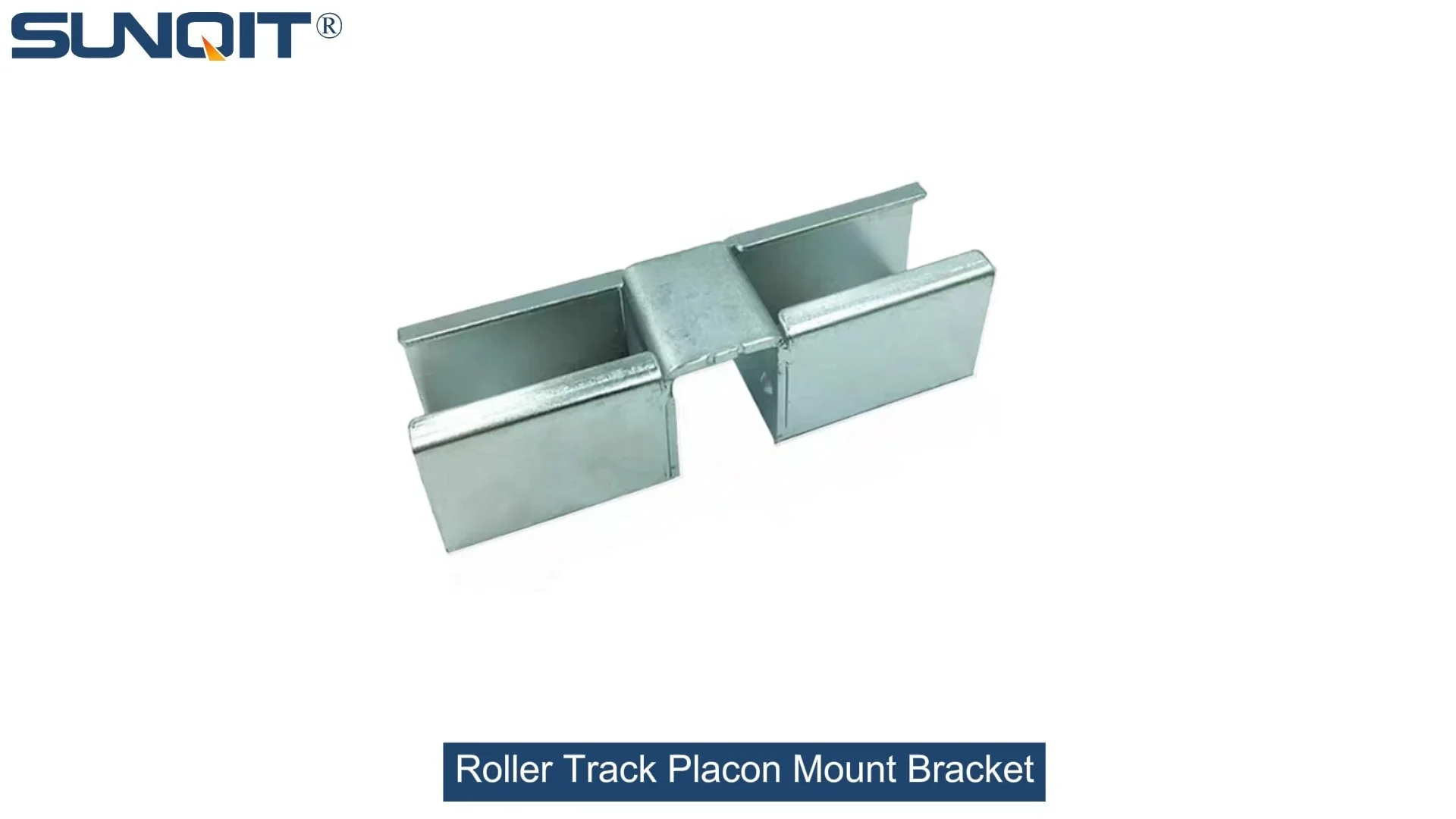
Roller Track Placon Mount Bracket
Roller track placon mount work as a connector for roller track and pipe or aluminum profile in rack syetem, it is a necessary parts in rack system which widely used in industrial plant and logistic,warehouse storage.
In the fast-paced world of manufacturing, where every second counts and efficiency can make or break your bottom line, the smallest components often play the biggest roles. Take roller track placon mount brackets, for example—these unassuming parts are the backbone of smooth material flow in production lines, warehouses, and assembly stations. But how do you choose a supplier who doesn't just sell you brackets, but becomes a partner in your operational success? Let's dive into the key factors that separate the average suppliers from the ones who truly understand your needs.
Why Your Choice of Supplier Matters More Than You Think
Imagine this: You've invested in a state-of-the-art lean production line for your 3C assembly facility. The flow racks are perfectly aligned, the conveyors hum with precision, and your team is ready to boost output by 30%. But two weeks in, a batch of faulty roller track placon mount brackets starts to loosen. Material jams become frequent, downtime creeps in, and that 30% efficiency gain? It's now a 15% loss. Sound familiar? For many manufacturers, this scenario isn't hypothetical—it's a costly reality when the wrong supplier is chosen.
The Hidden Cost of Cutting Corners: A subpar bracket might save you a few dollars upfront, but when it causes production delays, rework, or even safety risks, the long-term costs multiply. According to industry reports, manufacturers lose an average of $22,000 per minute of unplanned downtime. For a mid-sized facility, that's over $1 million per hour—a price tag no business can afford.
On the flip side, a reliable supplier acts as an extension of your team. They don't just deliver parts; they deliver peace of mind. They understand that your roller track system isn't just about moving materials—it's about creating a lean, adaptable workflow that grows with your business. Whether you're assembling smartphones, medical devices, or automotive components, the right partner will ensure that every bracket, joint, and rail works in harmony with your unique processes.
5 Non-Negotiable Traits of a Trustworthy Supplier
So, what should you look for when evaluating potential roller track placon mount bracket suppliers? It's not just about price or proximity. Here are the five traits that truly matter:
1. Product Quality: More Than Just "Durable"
When it comes to roller track components, quality is defined by consistency, material integrity, and engineering precision. A reliable supplier won't just tell you their brackets are "strong"—they'll show you why. For example, aluminum lean pipes and brackets should be made from high-grade aluminum alloys (like 6063-T5) that balance lightweight design with industrial-strength durability. Look for suppliers who invest in advanced extrusion and machining processes, ensuring that every bracket has uniform wall thickness, smooth edges, and tight tolerances.
Real-World Impact: A medical device manufacturer we worked with once struggled with frequent bracket failures on their cleanroom assembly line. The issue? Their previous supplier used low-grade aluminum that corroded easily under the strict cleaning protocols. By switching to brackets made from anodized aluminum with internal rotatary joints, they reduced maintenance costs by 40% and eliminated unplanned downtime entirely.
2. Customization: Because Your Line Isn't "One-Size-Fits-All"
Manufacturing is no longer about cookie-cutter solutions. Today's production floors demand flexibility—whether you need a bracket modified to fit a unique conveyor layout, or a complete lean system tailored for ESD-sensitive electronics assembly. A top-tier supplier will offer more than standard catalog items; they'll have a dedicated engineering team that collaborates with you to design components that align with your specific goals, whether that's maximizing vertical space in a warehouse or ensuring compliance with medical industry (sterility) standards.
For instance, when a leading 3C manufacturer needed a roller track system that could adapt to frequent product changes (from smartwatches to tablets), we designed a modular bracket system with quick-release fasteners and adjustable angles. This allowed their team to reconfigure workstations in under 30 minutes, cutting changeover time by 75%.
3. Industry Expertise: They Speak Your Language
There's a big difference between a supplier who sells brackets and one who understands why you need them. A reliable partner will have deep experience in your industry—whether that's automotive, medical, or consumer electronics—and will anticipate your unique challenges. For example, in the automotive sector, they'll know that brackets must withstand heavy loads and constant vibration, while in 3C assembly, ESD protection and micro-adjustment capabilities are non-negotiable.
Don't hesitate to ask for case studies or references from companies similar to yours. A supplier who can walk you through how they solved a problem for a peer is far more valuable than one who only talks about their products in isolation.
4. Supply Chain Stability: Consistency When You Need It Most
We've all seen the chaos caused by supply chain disruptions in recent years. A trustworthy supplier will have robust systems in place to ensure on-time delivery, even during peak seasons or unexpected crises. This means diversified sourcing for raw materials (like aluminum profiles and stainless steel fasteners), in-house manufacturing capabilities to reduce reliance on third parties, and transparent communication about lead times and potential delays.
At our facilities, for example, we maintain a 90-day inventory buffer for critical components and use predictive analytics to forecast demand spikes. This proactive approach helped one of our clients avoid a production shutdown during a global aluminum shortage last year—while their competitors were scrambling, they kept their lines running.
5. Post-Sale Support: Beyond the Invoice
The best suppliers don't disappear once the order is shipped. They offer ongoing support to ensure your roller track system performs at its best for years to come. This might include technical assistance for installation, maintenance guides tailored to your equipment, or even training sessions for your team on how to optimize bracket adjustments for maximum efficiency. Look for suppliers with a dedicated customer success team and a responsive support line—because when a bracket fails at 2 AM, you need help fast.
How to Evaluate Suppliers: A Practical Checklist
Now that you know what to look for, here's a step-by-step guide to vetting potential suppliers:
| Evaluation Criteria | Questions to Ask | Red Flags to Watch For |
|---|---|---|
| Product Quality | What materials do you use? Do you have ISO 9001 or other quality certifications? Can you share test reports for load capacity and corrosion resistance? | Vague answers about materials; no certifications; unwillingness to provide test data. |
| Customization Capabilities | What's your process for custom designs? How long does a typical custom project take from concept to delivery? | Only offers off-the-shelf products; long lead times for simple modifications. |
| Industry Experience | What industries do you specialize in? Can you provide references from companies in [your industry]? | No specific industry focus; generic case studies without measurable results. |
| Supply Chain | Where do you source raw materials? What's your backup plan for material shortages? | Over-reliance on a single supplier; unclear contingency plans. |
| Support | What support do you offer after delivery? How quickly can we expect a response to technical issues? | No dedicated support team; limited hours for assistance. |
Final Due Diligence Steps:

Your Partner in Lean Manufacturing Success
Choosing a roller track placon mount bracket supplier is about more than buying components—it's about investing in the future of your manufacturing operations. The right partner will understand that every bracket, joint, and rail is a building block of your lean system, and will work with you to create solutions that drive efficiency, reduce waste, and adapt to your evolving needs.
At the end of the day, reliability isn't just about delivering parts on time. It's about trust—trust that the supplier has your back when challenges arise, trust that their products will stand the test of time, and trust that they're as invested in your success as you are. So take the time to evaluate your options, ask the tough questions, and choose a partner who doesn't just meet your expectations, but exceeds them.
After all, in the world of manufacturing, your next breakthrough in efficiency might just start with the right bracket.