- Company Articles
- Products and Technology
- Application Cases
- Roller Track Placon Mount Brackets in Aerospace Manufacturing: High-Precision Handling

Roller Track Placon Mount Brackets in Aerospace Manufacturing: High-Precision Handling
Related Product
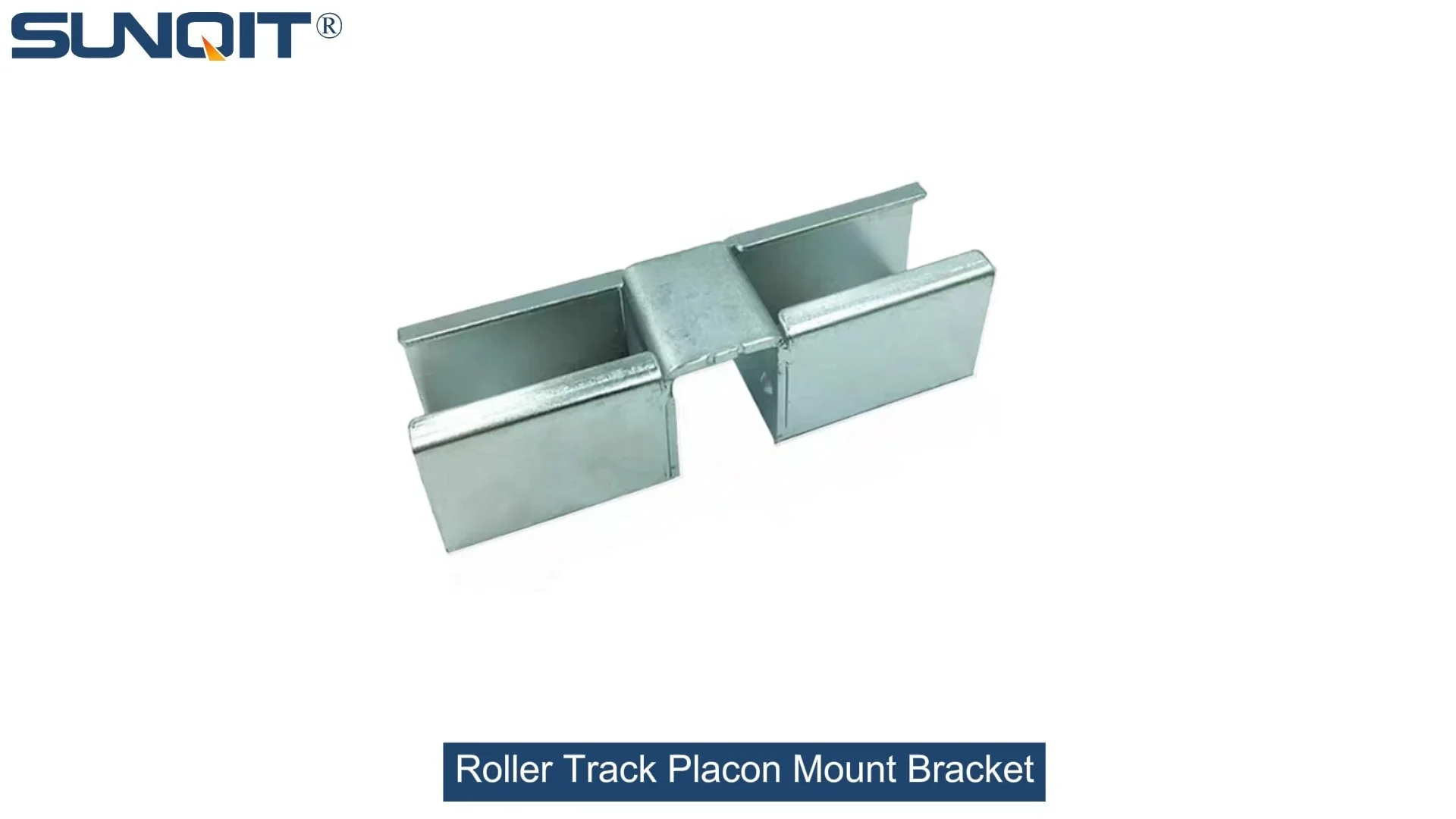
Roller Track Placon Mount Bracket
Roller track placon mount work as a connector for roller track and pipe or aluminum profile in rack syetem, it is a necessary parts in rack system which widely used in industrial plant and logistic,warehouse storage.
How a component is redefining precision, flexibility, and reliability in the world's most demanding manufacturing environments
The Stakes of Precision in Aerospace Manufacturing
Aerospace manufacturing isn't just about building machines—it's about crafting vehicles that defy gravity while carrying human lives, sensitive equipment, and multi-million-dollar payloads. Every turbine blade, every wiring harness, every structural panel must meet tolerances measured in micrometers. A single misalignment in a jet engine's compressor section could lead to catastrophic failure; a tiny scratch on a satellite's solar panel might compromise its efficiency in orbit. In this industry, "close enough" doesn't exist.
But precision alone isn't enough. Aerospace production lines must also adapt to evolving demands: shorter development cycles for new aircraft models, stricter sustainability regulations, and the need to handle increasingly complex components (think lightweight carbon fiber composites or intricate avionics systems). Traditional rigid manufacturing setups—fixed conveyors, inflexible workstations, one-size-fits-all handling equipment—often fall short. They're slow to reconfigure, prone to damaging delicate parts, and struggle to keep up with the industry's relentless push for innovation.
This is where lean manufacturing systems step in. By focusing on waste reduction, adaptability, and continuous improvement , lean principles have become the backbone of modern aerospace production. And at the heart of these systems lies a component so integral yet often overlooked: the roller track placon mount bracket . These unassuming brackets are the silent enablers of high-precision material handling, ensuring that even the most sensitive aerospace components move smoothly, safely, and exactly where they need to be—every single time.
Lean Systems: The Foundation of Modern Aerospace Production
Lean manufacturing isn't new, but its application in aerospace has transformed how the industry operates. Unlike mass-production sectors where standardization is king, aerospace deals with low-volume, high-complexity projects—each aircraft model might require thousands of unique parts, and production runs can span decades with constant upgrades. A lean system here isn't just about cutting costs; it's about building agility into every step of the process.
At its core, a lean system in aerospace prioritizes three key goals: minimizing waste (from excess inventory to unnecessary movement), maximizing flexibility (to adapt to design changes or new part requirements), and ensuring repeatability (so that precision isn't left to chance). This is where modular components shine. Instead of welding together fixed steel structures that take weeks to modify, aerospace manufacturers are turning to aluminum-based systems—think aluminum profiles , lightweight conveyor tracks, and adjustable workbenches—that can be reconfigured in hours, not days.
Consider the assembly of a commercial airliner's fuselage. Sections of the fuselage, some weighing over 50,000 pounds, must be transported from the fabrication shop to the final assembly line with zero deformation. Traditional cranes and fixed rails are slow and risk damaging the delicate outer skin. A lean system, by contrast, uses modular conveyors with adjustable roller tracks, supported by robust yet lightweight brackets, to glide these sections into place. If the next aircraft model has a slightly different fuselage shape? The system can be reconfigured by swapping out brackets or adjusting track angles—no need for a complete overhaul.
| Traditional Manufacturing Setup | Lean System with Modular Components |
|---|---|
| Fixed steel structures; difficult to modify | Aluminum profiles and brackets; tool-free reconfiguration |
| High risk of part damage due to rigid handling | Shock-absorbing roller tracks; gentle part movement |
| Long lead times for design changes (weeks/months) | Rapid reconfiguration (hours/days) |
| Heavy, energy-intensive equipment | Lightweight materials; reduced energy consumption |
Roller Track Placon Mount Brackets: The Unsung Heroes of Precision Handling
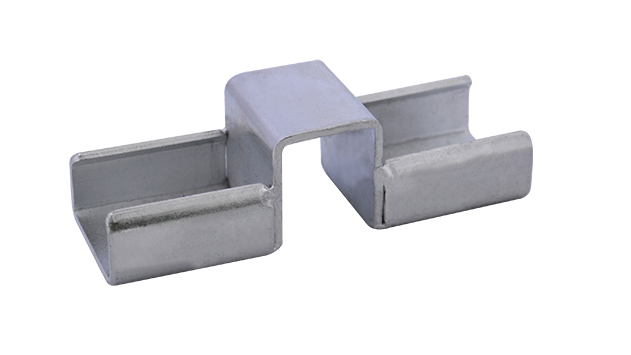
If lean systems are the skeleton of aerospace manufacturing, then roller track placon mount brackets are the joints that give it flexibility and strength. These brackets serve a critical role: they connect roller tracks to support structures (like aluminum profiles or workbenches), ensuring that the track remains stable under load while allowing for precise alignment. But in aerospace, "stable" and "precise" are just the starting points.
Design Features That Matter in Aerospace
Aerospace-grade roller track placon mount brackets are engineered with the industry's unique challenges in mind. Let's break down their key features:
- Material Science: Most brackets are crafted from high-grade aluminum alloys (like 6061-T6) or stainless steel. Aluminum is preferred for its strength-to-weight ratio —it's lightweight enough to keep conveyor systems energy-efficient but strong enough to support heavy components like jet engine casings. Stainless steel, on the other hand, is used in environments where corrosion resistance is critical (e.g., coastal manufacturing facilities or clean rooms handling liquid propellants).
- Precision Machining: The brackets' mounting holes, contact surfaces, and connection points are machined to tolerances of ±0.05mm. This ensures that when two brackets are aligned, the roller track sits perfectly level—no wobbling, no gaps. For aerospace components that demand micron-level positioning (like guidance system sensors), this precision is non-negotiable.
- Modular Connectivity: Unlike fixed welds or bolted brackets that require tools to adjust, placon mount brackets use quick-connect designs. Many feature T-slot compatibility, allowing them to slide into aluminum profiles and lock in place with a simple twist of a knob. This makes reconfiguring a conveyor line as easy as rearranging building blocks.
- Shock Absorption: Delicate components like avionics circuit boards or turbine blade airfoils can't handle sudden jolts. Advanced brackets integrate rubberized gaskets or spring-loaded mechanisms to dampen vibrations. When a part moves along the roller track, the bracket absorbs shocks from uneven loading or sudden stops, protecting the component from micro-damage that could compromise performance.
Why Aluminum? The Material Advantage in Aerospace
You might wonder: Why not use steel brackets? After all, steel is stronger, right? While steel has its place in heavy-industry applications, aluminum offers unique benefits for aerospace:
Weight Reduction: Aluminum is 30% lighter than steel, which reduces the load on conveyor motors and makes manual adjustments (e.g., repositioning a workbench) easier for operators. In a sector where fuel efficiency and payload capacity are paramount, even small weight savings in manufacturing equipment translate to lower operational costs.
Corrosion Resistance: Aerospace manufacturing facilities often use harsh cleaning agents or operate in controlled environments with strict humidity levels. Aluminum's natural oxide layer resists rust and chemical damage, ensuring brackets maintain their precision even after years of use.
Thermal Stability: Aluminum conducts heat evenly, which is critical in environments like composite curing ovens or engine test cells where temperatures can fluctuate. Unlike steel, it won't warp under thermal stress, keeping the roller track aligned even in extreme conditions.

Real-World Applications: How Brackets Drive Aerospace Efficiency
To understand the impact of roller track placon mount brackets, let's look at three key aerospace manufacturing scenarios where they shine:
1. Aircraft Wing Assembly: From Skin Panels to Spars
An aircraft wing is a marvel of engineering—curved, lightweight, and strong enough to support the plane's weight in flight. Assembling one requires handling large, flexible panels (some over 30 meters long) and precisely aligning internal spars and ribs. Traditional setups use fixed jigs that take weeks to reconfigure for new wing designs. With a lean system:
Roller tracks mounted on adjustable brackets are integrated into the assembly workbench. The brackets allow the tracks to tilt, rotate, and lock at custom angles, supporting the wing panel as operators attach ribs. When switching to a new wing model, operators simply adjust the brackets to the new dimensions—no need to rebuild the entire jig. This has reduced reconfiguration time at one major aerospace manufacturer from 14 days to just 2 days, cutting production lead times by 20%.
2. Satellite Component Handling: Precision in Microgravity Simulation
Satellite components like solar arrays or communication dishes must be tested under microgravity conditions to ensure they deploy correctly in orbit. On Earth, this is simulated using zero-gravity workstations where components float on air bearings. The roller tracks supporting these workstations rely on placon mount brackets to maintain absolute levelness—even a 0.1° tilt could skew test results.
Aluminum brackets with precision-machined surfaces ensure the tracks stay perfectly horizontal. During a recent satellite project, engineers used brackets with T-slot connections to reposition the tracks 12 times in a single day as they tested different deployment sequences. The result? A 30% reduction in test time and a 15% decrease in component damage compared to the previous steel-based system.
3. Engine Assembly Lines: Handling Heat and Heavy Loads
Jet engine components like turbine discs or combustion chambers are not only heavy (some weigh over 200kg) but also heat-sensitive. During assembly, they must be moved from machining stations to coating booths to quality inspection areas without warping. Roller tracks supported by aluminum brackets excel here:
The brackets' shock-absorbing features prevent sudden jolts that could crack heat-treated alloys, while their corrosion-resistant properties stand up to the high-temperature coatings used on engine parts. At a leading engine manufacturer, switching to placon mount brackets reduced component rejection rates by 25% and extended the lifespan of their conveyor systems by 40%—all while cutting energy costs due to the lighter aluminum construction.

Beyond Off-the-Shelf: Custom Solutions for Unique Challenges
Aerospace manufacturing is rarely "one-size-fits-all." Every project has its quirks: a new aircraft model with non-standard part dimensions, a satellite payload with unique handling requirements, or a military contract that demands classified production processes. This is where custom lean solutions make all the difference.
Suppliers of roller track placon mount brackets don't just sell components—they partner with manufacturers to design systems tailored to specific needs. For example, a manufacturer building next-gen hypersonic vehicles needed a roller track system that could handle components heated to 300°C. The solution? Brackets made from heat-resistant aluminum alloy, paired with ceramic-coated roller tracks, all integrated into a lean system that could be reconfigured for different vehicle sizes.
Another example: a space agency required a workstation to assemble delicate rover parts in a sterile, low-gravity simulation environment. The custom solution included height-adjustable workbenches with integrated roller tracks, supported by placon mount brackets with electromagnetic locks to prevent accidental movement. The result? A workstation that met NASA's strict cleanroom standards while allowing operators to position parts with sub-millimeter accuracy.
Customization also extends to sustainability—a growing priority in aerospace. Many manufacturers now request brackets made from recycled aluminum or designed for disassembly, so components can be reused or recycled at the end of their lifecycle. This aligns with the industry's push to reduce its carbon footprint, from aircraft design to manufacturing processes.
The Future of Aerospace Manufacturing: Where Lean Systems and Innovation Meet
As aerospace pushes boundaries—whether it's supersonic commercial flight, Mars colonization, or electric aircraft—manufacturing systems must evolve too. Roller track placon mount brackets, while small, will play a big role in this future. Here's what to watch for:
Smart Integration: Imagine brackets embedded with sensors that monitor load, temperature, and vibration in real time. If a bracket detects an abnormal load (indicating a part is misaligned), it could send an alert to operators before damage occurs. Paired with IoT platforms, this data could also optimize maintenance schedules—replacing brackets proactively instead of waiting for failure.
Additive Manufacturing: 3D printing will enable even more complex bracket designs, with internal geometries optimized for strength and weight. For low-volume aerospace projects, 3D-printed brackets could reduce lead times from weeks to days, allowing manufacturers to prototype new systems faster.
AI-Driven Design: Artificial intelligence could soon help engineers design brackets tailored to specific loads, environments, or reconfiguration needs. By analyzing data from past projects, AI algorithms might suggest bracket shapes or materials humans haven't considered—unlocking new levels of efficiency and precision.
Conclusion: The Quiet Force Behind Aerospace Innovation
In the grand scheme of aerospace manufacturing, roller track placon mount brackets might seem. They don't make headlines like new jet engines or reusable rockets. But without them, the industry's push for precision, flexibility, and sustainability would stall. These brackets are the unsung heroes, turning rigid production lines into adaptable ecosystems where innovation thrives.
As aerospace continues to reach for the stars, the role of lean systems—powered by components like aluminum brackets, modular conveyors, and flexible workbenches—will only grow. They're not just tools for building better machines; they're tools for building a better future: one where air travel is greener, space exploration is more accessible, and manufacturing is as innovative as the products it creates.
So the next time you look up at a passing airplane or read about a new satellite launch, take a moment to appreciate the precision that goes into making it all possible. And remember: sometimes, the smallest components make the biggest difference.