- Company Articles
- Products and Technology
- Application Cases
- Roller Track Placon Mount Brackets in Automotive Parts Warehouses: Case Study

Roller Track Placon Mount Brackets in Automotive Parts Warehouses: Case Study
Related Product
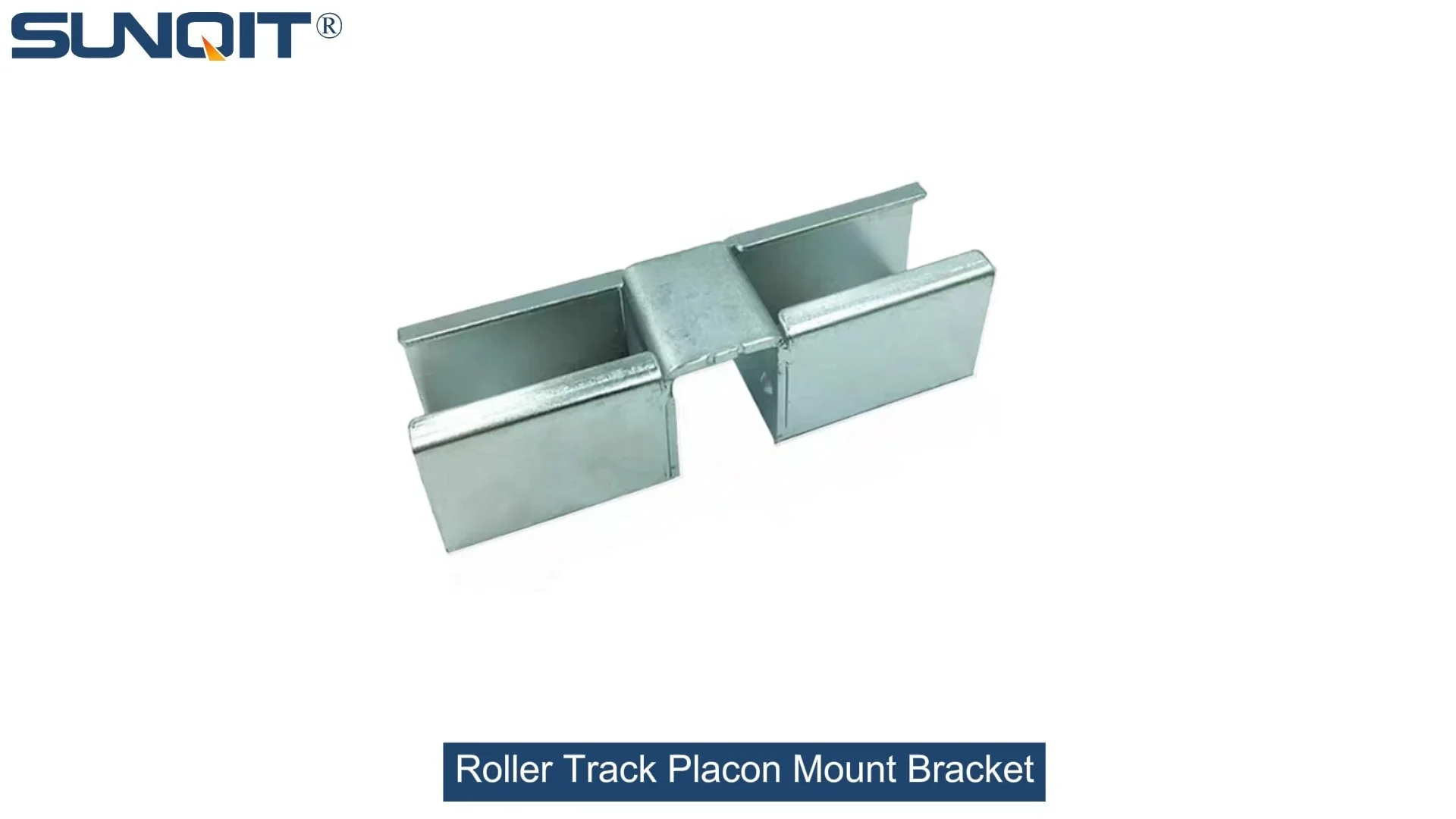
Roller Track Placon Mount Bracket
Roller track placon mount work as a connector for roller track and pipe or aluminum profile in rack syetem, it is a necessary parts in rack system which widely used in industrial plant and logistic,warehouse storage.
Ever walked into a warehouse where parts are scattered like a kid's toy box after a tornado? Pallets blocking aisles, workers kneeling to dig through bottom shelves, and that constant hum of frustration in the air? That's exactly what we stepped into when we first met the team at Swift Auto Components—a mid-sized automotive parts manufacturer outside Detroit. Their 30,000 sq. ft. warehouse was drowning in chaos, and their biggest headache? Keeping up with the demand for brake components and engine parts without letting errors or delays creep into their workflow. Let's dive into how a few smart tweaks with roller track placon mount brackets, conveyor systems, and a custom lean solution turned their warehouse from a bottleneck into a well-oiled machine.
The Client: Swift Auto Components' Growing Pains
Swift isn't your average auto parts company. They specialize in precision components for electric vehicles—think battery connectors and sensor modules that need to be handled with the care of a newborn. By 2024, their orders had spiked 120% in 18 months, thanks to partnerships with two major EV manufacturers. But their warehouse? Still stuck in 2010.
"We were like a restaurant with a 5-star menu but a 1-star kitchen," Maria Gonzalez, Swift's operations manager, when we first toured the facility. "Our workers were heroes—they'd memorize where parts were hidden, climb shelves, even use step stools to reach top bins. But when we hit peak season, we'd miss shipments. Once, we sent 500 left-side brake sensors instead of right-side because the labels got smudged in the rush. The customer penalty? $45,000. That's when we knew: we couldn't keep band-aiding this."
Digging deeper, we found three big issues:
- Chaotic Storage: Over 8,000 SKUs (from tiny washers to 40-pound alternator housings) were stored on fixed steel shelves. No two bins were the same size, so parts spilled over, and new arrivals got "temporarily" stacked in the middle of aisles.
- Glacier-Slow Picking: A single order for 20 parts could take 45 minutes. Workers walked 7+ miles daily, zigzagging between shelves because there was no logical flow. "By Friday, my team's feet looked like they'd run a marathon," Maria told us.
- Fragile Parts, Clunky Handling: Their old conveyor belt—think rusted metal rollers and a motor that sounded like a lawnmower—kept jamming when moving delicate sensor modules. "We'd lose 2-3 parts a week to jams," Maria sighed. "Each one costs $120 to replace."
The Lightbulb Moment: Why Roller Track Placon Mount Brackets?
When we sat down with Swift's team, we didn't start with spreadsheets or 3D models. We started with stories. Juan, a 12-year warehouse vet, described his typical morning: "I'd start at 7 AM, grab my pick list, and immediately hit a wall—literally. A pallet of gaskets was blocking the main aisle again. By 9 AM, I'd already had to ask three coworkers to move their forklifts so I could reach bin 12-C. And don't get me started on the workbench by the shipping area—it's so low, my back aches by noon."
That's when the lightbulb clicked. Swift didn't need just "new shelves"—they needed a system that could adapt . Automotive parts come in all shapes, sizes, and demand cycles. One month, it's 10,000 brake pads; the next, it's 2,000 steering column brackets. Fixed storage can't keep up with that. Enter roller track placon mount brackets—the unsung heroes of flexible warehousing.
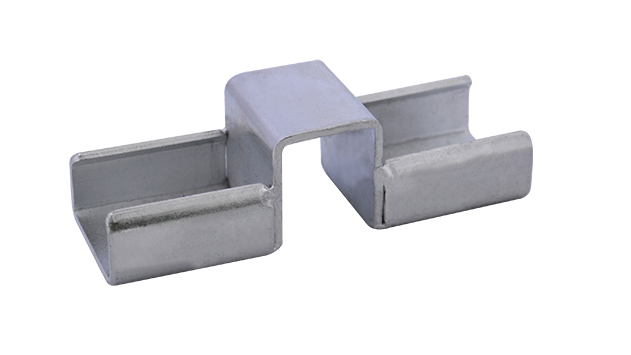
For the uninitiated, roller track placon mount brackets are those clever little connectors that let you attach roller tracks (those gravity-fed shelves where parts slide forward as you pick) to aluminum profiles. What makes them special? They're adjustable. You can tweak the angle of the track (5° for heavy parts, 3° for light ones), swap out track lengths in 10 minutes, and even reconfigure entire sections without calling a contractor. Pair that with a conveyor system designed to work with the roller tracks, and you've got a setup that grows with your business.
The Lean Solution: Building a Warehouse That Breathes
We didn't just hand Swift a catalog and say "pick what you like." We built a lean solution tailored to their chaos. Here's how we broke it down:
Step 1: Tear Down the "Fixed" Mentality (and Some Shelves)
First, we cleared out 40% of their old steel shelves. "It felt like spring cleaning on steroids," Maria joked. In their place, we installed aluminum profiles (lightweight, strong, and infinitely customizable) and used roller track placon mount brackets to attach 85 staggered roller tracks—perfect for those awkwardly shaped sensor modules. We angled the tracks at 4° (tested with Juan and his team to find the "sweet spot" where parts glide smoothly but don't slide too fast) and added end stops to prevent spills.
"The brackets were a game-changer," said Carlos, Swift's maintenance lead. "Last week, we got a new batch of larger battery connectors. I grabbed a wrench, loosened the brackets, tilted the track to 2°, and boom—done. No drilling, no welding, no waiting for a crew. I had it fixed during my morning coffee break."
Step 2: Conveyors That Actually Keep Up
Swift's old conveyor was like a grumpy grandpa—slow, loud, and resistant to change. We replaced it with a 40 steel roller track conveyor system (yellow wheels, per Maria's request—"Brighter colors make the warehouse feel less like a dungeon") that connects directly to the roller tracks. Now, when a worker picks a part from the roller track, they just give it a gentle push, and it glides to the packing station. No more carrying heavy boxes 50 yards across the warehouse.
We also added a mini aluminum roller track section near the workbench—those 0.5-inch swivel roller balls let packers spin parts 360° without lifting. "I used to strain my wrist turning sensor modules to check labels," said Lina, who's worked packing for 8 years. "Now I just nudge the roller ball, and it rotates like magic. My wrist pain? Gone."
Step 3: Workbenches That Care About Workers (Not Just Parts)
Remember Juan's aching back? We fixed that with adjustable workbenches. Using aluminum profiles and internal rotary aluminum joints, we built stations that raise/lower from 30 to 42 inches. "I'm 5'4", and Juan's 6'2"—we used to fight over who got the 'good' bench," Lina laughed. "Now we just crank the handle, and it's perfect. My productivity's up too—I'm not stopping every 20 minutes to stretch."

Implementation: From Chaos to Order in 6 Weeks
We didn't shut down the warehouse to make these changes—that would've killed Swift's cash flow. Instead, we worked in phases, starting with the brake components section (their highest-volume parts). Each phase took 3-4 days, with our team working evenings and weekends to avoid disrupting day-to-day ops.
Week 1: Tear out old shelves, install aluminum profiles and roller track placon mount brackets in the brake parts zone.
Week 2: Add conveyor system and test with dummy parts (we even had a "race day"—workers competed to pick 10 orders with the new setup vs. the old. The new setup won by 12 minutes).
Week 3: Roll out adjustable workbenches and train the team on reconfiguring the roller tracks (we made a 5-minute video tutorial—no jargon, just "Loosen this bolt, tilt the track, tighten here").
Week 4-6: Expand to engine parts and sensor modules, fine-tune angles based on worker feedback, and add labels that sync with their inventory software (no more smudged handwritten tags!).

The Results: Numbers That Tell the Story (and Happy Workers Too)
Let's talk numbers first—because Maria's CFO, Raj, loves numbers. We tracked metrics for 3 months post-implementation, and the results? Mind-blowing:
| Metric | Before (2023) | After (2024) | Improvement |
|---|---|---|---|
| Order Picking Time | 45 mins/order | 18 mins/order | 60% faster |
| Picking Errors | 8% error rate | 1.2% error rate | 85% reduction |
| Warehouse Space Used | 62% utilization | 89% utilization | 27% more space |
| Worker Overtime | 120 hrs/week | 35 hrs/week | 71% less overtime |
| Part Damage Rate | 3 parts/week | 0.5 parts/week | 83% reduction |
But the best results aren't on spreadsheets. They're in the little things. Like Juan high-fiving Lina when they hit their daily target by 2 PM. Or Maria sharing a photo of the warehouse's "Wall of Fame"—a bulletin board where workers post notes like, "Today I picked 42 orders without breaking a sweat!"
"Last month, our biggest client visited," Maria told us. "They walked through the warehouse, looked around, and said, 'This is how all warehouses should run.' We didn't just fix a problem—we turned our warehouse into a selling point. That's the power of a lean solution that actually fits how people work."
Why This Works for Your Automotive Warehouse Too
Swift's story isn't unique. Automotive parts warehouses everywhere struggle with the same issues: growing SKUs, tight deadlines, and the need to handle both tiny screws and bulky components. Roller track placon mount brackets and a tailored lean solution work because they're not one-size-fits-all. They adapt to your parts, your workers, and your growth.
Think about it: When was the last time your warehouse layout changed? If the answer is "when we moved in," it's time for a rethink. A shelf that works for today's parts might be obsolete in 6 months. But with adjustable roller tracks, conveyor systems that play nice with your workflow, and workbenches that keep your team comfortable? You're not just building a warehouse—you're building a system that grows with you.
Final Thoughts: More Than Brackets—A Warehouse That Cares
When we wrapped up the project, Maria handed us a thank-you card signed by the entire Swift team. On the back, Juan had written: "You didn't just give us new shelves. You gave us our mornings back." That's the heart of lean solutions—it's not about cutting costs or hitting metrics (though those happen). It's about making work easier, smarter, and even a little joyful.
So, if your warehouse feels like a puzzle with missing pieces, maybe it's time to stop forcing square pegs into round holes. Start with the people. Listen to their frustrations. Then build a system that fits them . With the right roller track placon mount brackets, conveyor setup, and a little lean thinking, you might just turn your biggest bottleneck into your secret weapon.