- Company Articles
- Products and Technology
- Application Cases
- Roller Track Placon Mount Brackets in Consumer Electronics Production: Precision Handling

Roller Track Placon Mount Brackets in Consumer Electronics Production: Precision Handling
Related Product
Roller Track Placon Mount Bracket
Roller track placon mount work as a connector for roller track and pipe or aluminum profile in rack syetem, it is a necessary parts in rack system which widely used in industrial plant and logistic,warehouse storage.
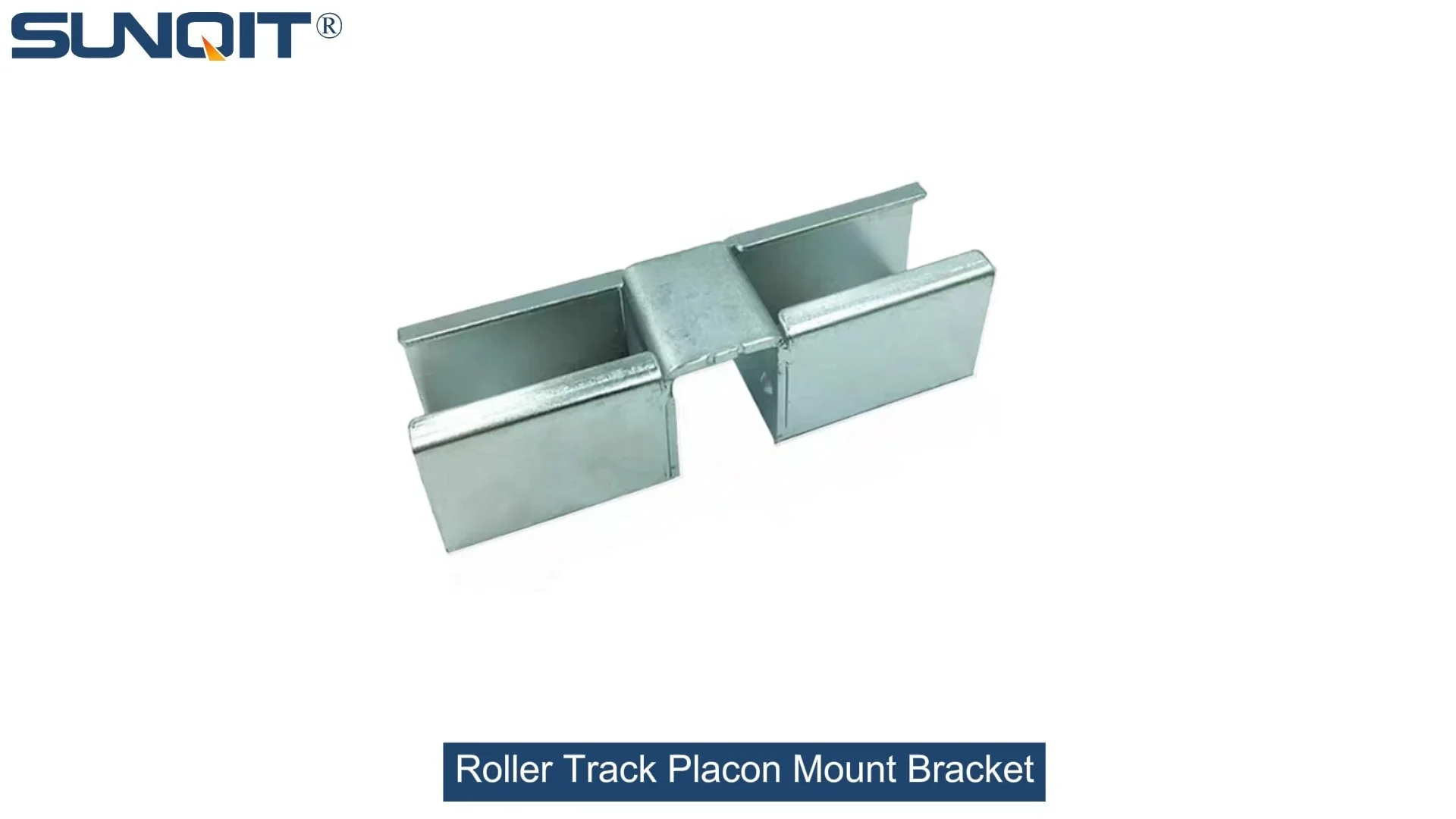
Let's start with a simple truth: in consumer electronics production, every second counts. Whether you're assembling smartphones, smartwatches, or wireless earbuds, the difference between a smooth workflow and a bottleneck often comes down to the small, unsung components that keep materials moving. Today, we're diving into one of those quiet heroes: roller track placon mount brackets. These unassuming pieces might not grab headlines, but they're the backbone of precision handling in factories worldwide. Let's break down why they matter, how they work, and why pairing them with the right lean components—like aluminum profiles and lean pipe workbenches—can transform your production line from "good enough" to "game-changing."
What Even Are Roller Track Placon Mount Brackets? (Spoiler: They're Not Just "Parts")
First things first: let's demystify the name. "Roller track placon mount brackets" might sound like industry jargon, but think of them as the connective tissue between your roller tracks and the rest of your setup. Imagine building a LEGO city—you've got the tracks (the roads), the rollers (the cars), and these brackets? They're the sturdy foundations that keep the roads attached to the buildings (your aluminum profiles or lean pipes) without wobbling, shifting, or failing when the pressure's on.
At their core, these brackets do two critical jobs: they secure roller tracks to frames (like aluminum profile setups) and they keep those tracks perfectly aligned. In consumer electronics, where components can be as small as a grain of rice or as delicate as a microchip, misalignment isn't just annoying—it's costly. A bracket that slips by even a millimeter could mean scratched screens, bent pins, or worse: a production halt while you fix it. That's why the best brackets aren't just "strong"—they're consistently strong, day in and day out.
Quick Example: Picture a line assembling wireless earbuds. Tiny batteries, circuit boards, and plastic casings need to glide from station to station. If the roller track dips because a bracket can't handle the weight? Those components might jostle, scratch, or even fall off. With a reliable placon mount bracket? The track stays level, the parts move smoothly, and your team stays focused on building—not fixing.
Why Consumer Electronics Can't Afford "Okay" Brackets
Consumer electronics production is a high-stakes game. You're dealing with tight tolerances, lightweight materials, and high volumes. Let's say you're producing 10,000 smartphones a day—even a 1% error rate due to handling issues translates to 100 defective units. That's wasted time, wasted materials, and a hit to your bottom line. Roller track placon mount brackets step in here as the first line of defense against those errors.
Here's why they're non-negotiable:
- Precision Alignment: These brackets lock roller tracks into place with minimal play. In a line where parts move at inches per second, even a tiny wobble can throw off positioning. Placon mount brackets keep tracks straight, ensuring parts land exactly where operators or machines need them.
- Durability for the Long Haul: Consumer electronics lines run 24/7. Brackets made from cheap materials might hold up for a week, but after months of vibration, temperature changes, and constant use? They'll bend, crack, or loosen. Quality brackets—often made from reinforced aluminum or steel—stand up to that abuse, reducing downtime for replacements.
- Flexibility to Adapt: Product cycles in electronics are short. Today you're making a 6.7-inch phone; next quarter, it's a 7.2-inch model. Placon mount brackets are designed to work with modular systems, so you can adjust track heights, angles, or lengths without rebuilding everything from scratch. Think of them as the "adjustable wrench" in your lean toolkit.
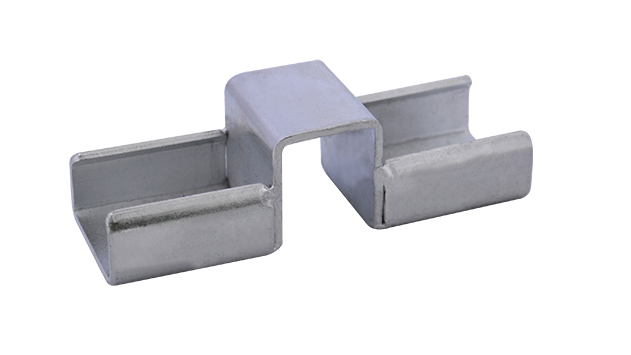
The Secret Sauce: Pairing Brackets with the Right Lean Components
A great bracket is only as good as the system it's part of. To truly unlock precision handling, you need to pair roller track placon mount brackets with components that complement their strengths. Let's talk about three key partners:
1. Aluminum Profiles: The Strong, Lightweight Foundation
Aluminum profiles are the backbone of modern lean setups, and for good reason. They're strong enough to support heavy tracks but light enough to reconfigure without heavy machinery. Placon mount brackets attach directly to these profiles—often via T-slot connections—creating a rock-solid base. Whether you're using 2020, 3030, or 4040 profiles, the brackets' design ensures a snug fit that won't slip, even under constant vibration.
Pro tip: Look for brackets with adjustable mounting points. This lets you fine-tune track height or angle to match your workflow. For example, if operators need to load parts from a lean pipe workbench, you can angle the track slightly downward for gravity-fed flow—no extra motors needed.
2. Lean Pipe Workbenches: Where Handling Meets Assembly
Lean pipe workbenches are the heartbeat of many electronics lines. They're where operators assemble, test, and package products. But what happens when parts need to move from the bench to the next station? That's where roller tracks (mounted with placon brackets) come in. By integrating a short roller track section into the edge of a workbench, you create a seamless handoff: operators set finished subassemblies on the track, and they glide to the next station—no bending, no lifting, no delays.
"We used to have operators walking parts from bench to bench—wasting 15 minutes per hour. After adding roller tracks with placon brackets to our lean pipe workbenches? Parts flow on their own, and our team focuses on building. Productivity jumped 20% in the first month." — Production Manager, Major Smartphone Manufacturer
3. Flow Racks: Storing Smart, Retrieving Faster
Flow racks are all about first-in, first-out (FIFO) inventory management—critical in electronics, where components have expiration dates or version numbers. Roller tracks mounted with placon brackets turn ordinary racks into high-efficiency flow systems. Boxes of PCBs or batteries slide forward as the front one is taken, ensuring operators always grab the oldest stock first. The brackets here ensure tracks stay level, so even lightweight boxes glide smoothly without getting stuck.

Which Bracket Is Right for Your Line? A Quick Guide
Not all roller track placon mount brackets are created equal. Different lines have different needs—load capacity, track type, and environment (like ESD protection for sensitive electronics) all play a role. Here's a breakdown of common types and when to use them:
| Bracket Type | Best For | Key Benefit | Typical Load Capacity |
|---|---|---|---|
| Placon Mount for Aluminum Profile Flat | Straight, horizontal tracks on flat profile surfaces | Low profile, minimal space usage | Up to 50kg per linear meter |
| Placon Mount for Aluminum Profile High | Tracks needing extra clearance (e.g., under-bench routing) | Raises track height without sacrificing stability | Up to 75kg per linear meter |
| Center Support Bracket | Long track sections (over 1.5m) | Prevents sagging in the middle of the track | Up to 100kg per linear meter (with spacing every 60cm) |
| Connector Bracket | Joining two track sections end-to-end | Creates seamless transitions, no "bump" between tracks | Same as track capacity (varies by track type) |
Pro tip: If your line handles ESD-sensitive components (like microchips), look for brackets with ESD coatings. These prevent static buildup that could damage parts—a small detail that saves big headaches down the line.

Real-World Impact: How One Factory Cut Waste by 30%
Let's get concrete. A mid-sized consumer electronics manufacturer in Southeast Asia was struggling with their smartwatch assembly line. Their biggest pain point? A bottleneck at the PCB testing station. Operators had to manually carry PCBs from the soldering bench to the test fixture—a 10-foot walk, repeated 50 times per hour. Not only was this slow, but it led to 2-3 damaged PCBs daily from drops or static.
Their solution? They installed a 15-foot roller track system using aluminum profiles, 40-series steel roller tracks, and placon mount brackets. The track ran from the soldering lean pipe workbench directly to the test fixture. Operators now slide PCBs onto the track, and they glide to the tester—no walking, no lifting. Result?
- Damaged PCBs dropped to zero (thanks to smooth track flow and ESD-safe brackets).
- Operator time freed up: 15 minutes per hour reclaimed for assembly work.
- Throughput increased by 30%—they went from 200 to 260 PCBs tested per shift.
The best part? The entire system was modular. When they introduced a new PCB size three months later, they adjusted the track width by swapping out a few brackets and profiles—no custom fabrication needed. That's the power of lean components working together.
Looking Ahead: Brackets in the Age of Smart Factories
Consumer electronics production isn't standing still. Factories are getting smarter, with IoT sensors, AI-driven analytics, and collaborative robots (cobots) becoming the norm. Where do roller track placon mount brackets fit into this future? More than you might think.
For starters, smarter brackets could integrate sensors to monitor track performance. Imagine brackets with built-in vibration sensors that alert maintenance when a track starts to misalign—preventing downtime before it happens. Or RFID tags that track which bracket sets are installed where, making reconfiguration faster for new product runs.
Sustainability is another trend. Aluminum brackets are already recyclable, but future designs might use even more recycled materials or modular parts that can be repaired instead of replaced. This aligns with the lean principle of "sustainable improvement"—making your line not just efficient, but eco-friendly too.
Choosing the Right Bracket: It's About Your Unique Flow
At the end of the day, there's no "one-size-fits-all" bracket. The best choice depends on your specific workflow, load requirements, and long-term goals. Here's a quick checklist to guide you:
- What's moving? Small components (earbuds) need lighter brackets; heavier subassemblies (laptop screens) need sturdier ones.
- How fast is it moving? High-speed tracks need brackets with tighter tolerances to prevent shaking.
- Will you reconfigure often? Prioritize brackets with tool-free adjustments or quick-release mechanisms.
- ESD concerns? Don't skip ESD-coated brackets—static damage is silent but costly.
And remember: you don't have to figure this out alone. A good lean solution supplier will work with you to audit your line, understand your pain points, and recommend the right bracket (and components) for your needs. They'll even help with installation and training to ensure your team gets the most out of the new system.
Final Thought: The "Small" Parts That Make the Big Difference
Roller track placon mount brackets might not be the flashiest part of your production line, but they're proof that great things come in small packages. In consumer electronics—where precision, speed, and flexibility are everything—these brackets are the unsung heroes keeping your line moving, your parts safe, and your team productive.
So the next time you pick up a sleek new gadget, take a second to appreciate the invisible infrastructure that built it. Behind that perfect screen or seamless design is a network of components working in harmony—aluminum profiles, lean pipe workbenches, roller tracks, and yes, those trusty placon mount brackets. They're not just parts. They're the precision handling that powers your success.