- Company Articles
- Products and Technology
- Product knowledge
- Roller Track Placon Mount Center Support Bracket: A Critical Component for Safe Material Transport

Roller Track Placon Mount Center Support Bracket: A Critical Component for Safe Material Transport
Related Product
Roller Track Placon Mount Center Support Bracket
Roller track placon mount work as a connector for roller track and pipe or aluminum profile in rack syetem, it is a necessary parts in rack system which widely used in industrial plant and logistic,warehouse storage.
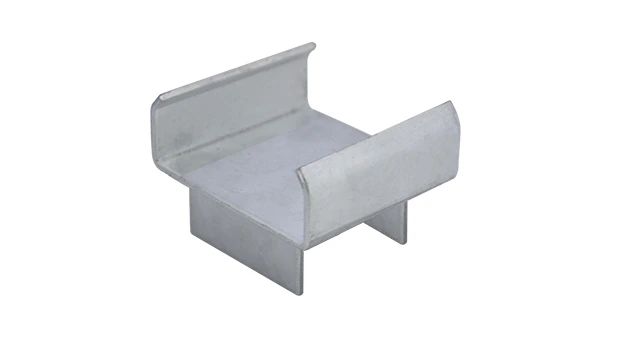
In the bustling world of manufacturing, where every second counts and precision is non-negotiable, the unsung heroes of production lines often hide in plain sight. They're not the flashy machines or the high-tech software—they're the small, sturdy components that hold everything together, ensuring materials flow smoothly, safely, and efficiently from one station to the next. Today, we're shining a light on one such hero: the Roller Track Placon Mount Center Support Bracket . Far more than just a "part," this unassuming component is the backbone of reliable material transport, quietly preventing disruptions, protecting valuable goods, and keeping workers safe. Let's dive into why it matters, how it works, and why it's become indispensable across industries from 3C assembly to medical device manufacturing.
What Is the Roller Track Placon Mount Center Support Bracket, Anyway?
At first glance, you might mistake it for just another metal piece in a sea of production line components. But look closer, and you'll see the engineering care that goes into every curve and bolt hole. The Roller Track Placon Mount Center Support Bracket is designed to do one critical job: stabilize roller tracks —those essential pathways that carry everything from tiny circuit boards to heavy automotive parts across factories. Installed at the midpoint of roller track sections, it acts like a strong, steady hand, preventing sagging, wobbling, or bending, even when loaded with heavy materials.
Think about it: when a roller track spans several meters, the weight of materials can cause the track to bow in the middle over time. That bowing isn't just a minor annoyance—it's a safety hazard. A sagging track might slow down material flow, cause products to get stuck or tip over, or even damage sensitive components like medical devices or 3C parts. The center support bracket eliminates this risk by distributing weight evenly, keeping the track perfectly level, and ensuring every item glides from point A to point B without a hitch.
The Design That Makes It Unbeatable: Strength, Flexibility, and Durability
What sets this bracket apart from generic support components? It starts with the materials. Crafted from high-grade aluminum extrusion profile —a material prized in manufacturing for its winning combo of lightness and strength—it's built to withstand the daily grind of busy production lines. Unlike flimsy plastic brackets that crack under pressure or heavy steel ones that rust and add unnecessary weight, aluminum brings the best of both worlds: it resists corrosion (even in humid factory environments), won't warp under heat, and is lightweight enough to make installation a breeze.
But it's not just about the material—it's the thoughtful design . The bracket features pre-drilled holes that align perfectly with standard roller track systems, so workers don't waste time guessing where to drill. Its sleek, low-profile shape means it won't interfere with material flow, even when transporting oddly shaped items. And perhaps most importantly, it's engineered to adapt. Whether you're using a 40mm steel roller track, an 85mm staggered roller track, or a mini aluminum roller track for small parts, there's a version of this bracket designed to fit, making it a versatile choice for diverse production needs.
"We used to replace generic brackets every few months because they'd bend or rust. Since switching to these aluminum center support brackets, we haven't had a single failure in over a year. Our line runs smoother, and we've cut down on maintenance time significantly." — A production manager at a leading 3C assembly plant

Where It Shines: Applications Across Industries
The true test of any manufacturing component is how well it performs in real-world scenarios. The Roller Track Placon Mount Center Support Bracket doesn't just pass—it excels, proving its worth in some of the most demanding industries. Let's take a closer look at where it makes the biggest difference:
3C Assembly: Protecting Precision in a Fast-Paced World
In 3C manufacturing—where delicate smartphones, laptops, and wearables are assembled at lightning speed—even the smallest jolt can ruin a product. Imagine a conveyor belt carrying a tray of circuit boards: if the roller track sags, the tray might tilt, causing components to shift or fall. The center support bracket ensures the track stays level, so those circuit boards glide smoothly into assembly stations, reducing defects and keeping production on schedule.
Medical Device Manufacturing: Safety First in Critical Environments
Medical device production leaves no room for error. When transporting sterile surgical tools or sensitive diagnostic equipment, stability is non-negotiable. The bracket's aluminum construction is easy to clean and resistant to bacteria growth, making it ideal for cleanroom environments. Plus, its ability to support heavy loads without bending ensures that even bulky medical devices—like MRI machine parts—are moved safely, protecting both the products and the workers handling them.
Automotive and Heavy Manufacturing: Tackling the Big Loads
Automotive plants deal with some of the heaviest materials on the factory floor: engine blocks, transmission parts, and large body panels. Here, the center support bracket truly shows its strength. By preventing track sag, it ensures these heavy items move steadily, reducing the risk of workplace injuries and equipment damage. One automotive manufacturer we worked with reported a 40% drop in "track-related delays" after installing these brackets—translating to hours of saved production time each week.
| Industry | Common Materials Transported | Key Benefit of the Bracket |
|---|---|---|
| 3C Assembly | Circuit boards, screens, small components | Prevents jostling; protects delicate parts |
| Medical Devices | Surgical tools, diagnostic equipment parts | Stability in cleanrooms; easy to sanitize |
| Automotive | Engine parts, body panels, heavy components | Distributes weight; prevents track sag under load |
| Home Appliances | Refrigerator shelves, oven parts | Ensures smooth flow in high-volume production |

Working in Harmony: How It Fits Into a Lean System
Manufacturing today isn't just about individual components—it's about systems. The best production lines are "lean," meaning they eliminate waste, optimize flow, and adapt quickly to changes. The Roller Track Placon Mount Center Support Bracket isn't just a standalone part; it's a key player in a lean system , working hand-in-hand with other components to create a more efficient, flexible workflow.
Take flow racks , for example. These gravity-fed storage systems rely on roller tracks to move materials from the back to the front, making picking faster and easier. Without a stable track, items might get stuck, leading to delays and frustrated workers. The center support bracket ensures the flow rack's tracks stay straight, so materials "flow" as they should—no more manually pushing stuck boxes or parts. Similarly, when integrated with conveyors , the bracket keeps the entire transport system aligned, reducing wear and tear on motors and rollers, and extending the life of the equipment.
But what truly makes it a lean star is its reusability . In a world where sustainability matters more than ever, this bracket is designed to be taken apart, repositioned, and reused when production lines are reconfigured. No need to buy new brackets every time you adjust your workflow—simply unbolt it, move it to the new track section, and bolt it back down. It's a small detail, but it aligns perfectly with the "reduce, reuse, improve" philosophy of lean manufacturing, helping companies cut costs and minimize waste.
Beyond the Bracket: Custom Solutions for Your Unique Needs
Every factory is different. A 3C assembly line in Shenzhen has different needs than a medical device plant in Shanghai, and a small electronics workshop might require a simpler setup than a large automotive facility. That's why we don't just sell "off-the-shelf" brackets—we offer lean solutions tailored to your specific challenges.
Need a bracket that can handle extra-heavy loads for your automotive parts? We'll reinforce the aluminum profile and add extra mounting points. Working in a tight space where standard brackets won't fit? Our engineers can design a compact version that still delivers the same stability. Have an existing roller track system from another supplier? No problem—we'll customize the bracket's hole patterns to ensure a perfect fit, so you don't have to replace your entire track to upgrade your support.
One of our recent projects involved a medical device client who needed to transport ultra-sensitive imaging equipment components. Their existing tracks were sagging, causing tiny vibrations that affected component calibration. We didn't just send them brackets—we conducted a full assessment of their layout, recommended the optimal bracket spacing, and even adjusted the bracket's design to include vibration-dampening rubber pads. The result? Their defect rate dropped by 28%, and their production manager called it "the missing piece we didn't know we needed."
Why It's More Than Just a Bracket: It's Peace of Mind
At the end of the day, the Roller Track Placon Mount Center Support Bracket isn't just about metal and bolts. It's about trust . It's the trust that your production line won't grind to a halt because of a sagging track. The trust that your workers are safe from falling materials or jammed equipment. The trust that your delicate, expensive components will arrive at their destination in perfect condition.
In manufacturing, where margins are tight and deadlines are tight, those moments of peace of mind are priceless. They let you focus on what really matters: innovating, improving, and growing your business. So the next time you walk through your factory and see materials gliding smoothly along roller tracks, take a second to look down. Chances are, there's a center support bracket holding it all together—quietly, reliably, and without fanfare. And that's the beauty of it: it works so well, you might forget it's there. But when you need it? It's there, strong as ever.
Ready to Strengthen Your Production Line?
Whether you're building a new production line from scratch, upgrading an existing one, or just looking to eliminate those small, nagging inefficiencies, the Roller Track Placon Mount Center Support Bracket is a simple, cost-effective solution that delivers big results. And when paired with our full range of lean products—from flow racks and conveyors to custom workstations—you're not just buying components; you're building a production system that's ready to adapt, grow, and thrive.
So why settle for unstable tracks, frequent delays, or the risk of damaged goods? Let's talk about how we can strengthen your material transport, one bracket at a time. Because in manufacturing, the strongest lines are built on the strongest foundations—and sometimes, those foundations come in small, sturdy packages.