- Company Articles
- Products and Technology
- Product knowledge
- Roller Track Placon Mount Center Support Bracket vs. Standard Support Brackets: Key Differences

Roller Track Placon Mount Center Support Bracket vs. Standard Support Brackets: Key Differences
Related Product
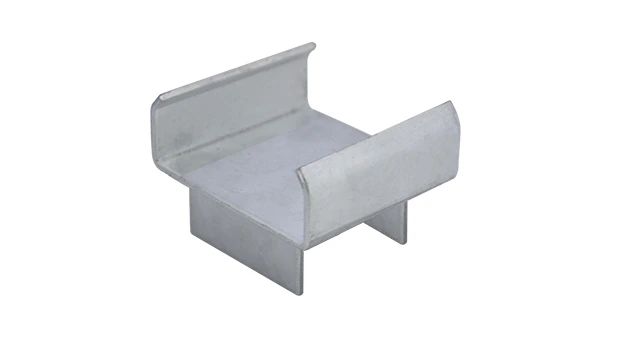
Roller Track Placon Mount Center Support Bracket
Roller track placon mount work as a connector for roller track and pipe or aluminum profile in rack syetem, it is a necessary parts in rack system which widely used in industrial plant and logistic,warehouse storage.
In the fast-paced world of manufacturing, where every component plays a role in keeping production lines moving, the choice between support brackets might seem small—until a loose connection causes downtime, or a wobbly structure compromises safety. Today, we're diving into two critical players in the backbone of production setups: the Roller Track Placon Mount Center Support Bracket and traditional Standard Support Brackets. Let's break down how they stack up, and why making the right choice could mean the difference between a smooth, adaptable workflow and constant headaches.
First Things First: What Are We Actually Comparing?
Before we jump into differences, let's make sure we're on the same page. Support brackets are the unsung heroes of production lines—they hold up roller tracks, conveyors, and workbenches, ensuring materials glide smoothly from one station to the next. Without reliable brackets, even the best-designed flow rack or conveyor system becomes a liability.
Roller Track Placon Mount Center Support Bracket : This is the newer, more specialized option. Think of it as the "precision-engineered" bracket, designed specifically for roller track systems. It's built with a central support structure (hence "center support") and often made from high-grade aluminum profile, which we'll talk more about later. Its claim to fame? Stability, flexibility, and compatibility with modern lean manufacturing setups.
Standard Support Brackets : The tried-and-true workhorses. These are the generic brackets you might find in older factories—usually made from basic steel or low-grade aluminum, with a simple L-shaped or T-shaped design. They get the job done in static setups but lack the finesse needed for dynamic, ever-changing production environments.
1. Design & Structure: The "How It's Built" Factor
Let's start with the bones of each bracket—their design. This isn't just about looks; it's about how they handle stress, adapt to different setups, and integrate with other components like aluminum profile or roller tracks.
Placon Mount Center Support Bracket: The "Central Spine" Design
The Placon Mount bracket gets its name from its unique mounting system, but the real star is its
center support structure
. Imagine a bracket that doesn't just "hold up" the roller track from the sides, but cradles it from the middle—like a bridge supported by a central pillar instead of just the edges. This design distributes weight evenly across the entire track, reducing stress on individual connection points.
Plus, it's built to work seamlessly with aluminum profile systems. Most models feature pre-drilled holes and T-slot compatibility, meaning you can attach them to standard aluminum extrusion profiles without custom drilling or welding. This is a game-changer for anyone using lean solutions—no more mismatched parts or jerry-rigged connections.
Standard Support Brackets: The "Sidekick" Approach
Standard brackets typically use a side-mounted design—think L-brackets bolted to the side of a frame, with the roller track resting on top. This works for light loads, but when you start moving heavier items (like automotive parts or bulk 3C components), the weight pulls downward, creating torque on the side bolts. Over time, this can loosen connections, bend the bracket, or even warp the roller track itself.
Worse, standard brackets often use fixed holes or welded joints, making them a nightmare to adjust if you need to reposition the track slightly. Want to raise the track by 2 inches? You'll probably need to drill new holes or swap out the bracket entirely.
Key Takeaway:
The Placon Mount's center support and aluminum profile compatibility make it a structural overachiever, while standard brackets rely on outdated side-mounted designs that struggle with dynamic loads.

2. Load Capacity: How Much Can They Really Handle?
In manufacturing, "good enough" load capacity isn't enough. A bracket that fails under stress can lead to damaged products, injured workers, or costly downtime. Let's compare how each bracket holds up under pressure.
Placon Mount Center Support Bracket: Built for Heavy Lifting
Thanks to its central support design, the Placon Mount bracket excels at handling heavy, uneven loads. Most models (like the ones used in Material Rack B or Workbench E setups) can support up to 300-500 kg per linear meter of roller track—more than enough for, bulk 3C components, or even small appliances.
Why? Because the center support spreads the weight across the bracket's entire base, rather than concentrating it on side bolts. It's like the difference between carrying a heavy box with two hands (balanced) vs. one hand (strained). This makes it ideal for high-throughput lines, like those in automotive or medical device manufacturing, where material flow can't afford interruptions.
Standard Support Brackets: The "Light Duty Only" Warning
Standard brackets are usually rated for 100-200 kg per linear meter—fine for lightweight items like small plastic parts, but risky for anything heavier. We've seen factories try to use them for metal components, only to have brackets bend mid-shift, causing roller tracks to tilt and materials to jam. The result? A 2-hour shutdown to replace brackets and realign the track—all avoidable with a sturdier design.
Real-World Example: 3C Assembly Line in Shenzhen
A client in the 3C industry recently upgraded from standard brackets to Placon Mount center supports on their flow rack. They were moving smartphone cases (small, but in high volume—hundreds per hour). With standard brackets, the constant vibration from the conveyor caused bolts to loosen weekly, leading to 1-2 minor jams per shift. After switching, they reported zero jams in 3 months, and maintenance time dropped by 70%.

3. Flexibility & Adaptability: Can They Keep Up with Change?
Modern manufacturing isn't static. Lines get reconfigured for new products, seasonal demand spikes require faster flow, and lean principles demand continuous improvement. Here's where the Placon Mount bracket really shines.
Placon Mount: The "Chameleon" of Brackets
Remember that T-slot compatibility with aluminum profile? That's not just for easy installation—it's for
easy reconfiguration
. Need to angle the roller track by 15 degrees for a new workstation layout? Loosen the T-slot bolts, adjust, and retighten—done in 10 minutes. Want to add a second roller track parallel to the first? The Placon Mount's modular design lets you stack or side-mount brackets without custom parts.
This is a cornerstone of lean solution thinking: "build once, adapt often." Factories using Placon Mount brackets report saving 40-60% of the time they used to spend on reconfigurations compared to standard brackets. For a medical device manufacturer we worked with, this meant they could switch from producing surgical tools to diagnostic equipment in a single day—critical in a industry where product lines evolve rapidly.
Standard Brackets: The "Set It and Forget It" (Until You Can't) Option
Standard brackets are rigid by design. If you need to change anything—height, angle, spacing—you're looking at drilling new holes, cutting metal, or even replacing the entire bracket. One automotive supplier told us they once spent 8 hours reconfiguring a single conveyor line because their standard brackets couldn't adjust to the new workbench height. By the time they finished, the production delay had cost them over $10,000 in lost output.
4. Cost: Short-Term Savings vs. Long-Term Value
Let's talk money. Standard brackets are often cheaper upfront—no denying that. But in manufacturing, the true cost of a component isn't just the purchase price; it's maintenance, downtime, and replacement over time. Let's crunch the numbers.
| Factor | Placon Mount Center Support Bracket | Standard Support Bracket |
|---|---|---|
| Upfront Cost | Higher (15-30% more than standard brackets) | Lower |
| Installation Time | 30-45 minutes per bracket (no custom drilling) | 60-90 minutes per bracket (may require drilling/welding) |
| Annual Maintenance Cost | ~$50 per bracket (occasional bolt tightening) | ~$200 per bracket (bolt replacement, repainting, realignment) |
| Expected Lifespan | 7-10 years (aluminum resists corrosion/wear) | 3-5 years (steel/cheap aluminum prone to rust/bending) |
| Downtime Risk | Low (even weight distribution reduces failure risk) | High (side-loading leads to frequent jams/breakdowns) |
Over 5 years, the Placon Mount bracket actually saves money. Take a small production line with 10 brackets: the upfront cost difference might be $500, but you'll save $1,500 in maintenance, 50+ hours in installation/reconfiguration time, and avoid thousands in downtime costs. It's a classic "pay a little more now, save a lot later" scenario—exactly the kind of lean thinking that drives modern manufacturing success.
5. Compatibility with Lean Principles: More Than Just a Bracket
At the end of the day, manufacturing brackets aren't just tools—they're part of your lean system. The best brackets align with core lean values: eliminating waste, continuous improvement, and respect for people (by keeping workers safe and efficient).
Placon Mount: A Lean Dream
-
Eliminating Waste
: Modular design means brackets can be reused when lines reconfigure—no more throwing away old brackets. Aluminum profile compatibility reduces part inventory (one bracket fits multiple setups).
-
Continuous Improvement
: Easy adjustments let teams tweak layouts based on Kaizen events without waiting for maintenance.
-
Safety
: Stable, even weight distribution reduces the risk of track collapse or material jams—keeping workers safe and focused.
Standard Brackets: A Lean Nightmare
-
Waste
: Rigid design leads to bracket waste when lines change. Custom drilling/welding creates scrap metal.
-
Stagnation
: Difficult adjustments discourage teams from experimenting with better layouts.
-
Safety Risks
: Loose bolts and bent brackets create hazards—from jammed fingers to falling materials.
So, Which Bracket Should You Choose?
If your production line is static, handles light loads, and you never plan to reconfigure—standard brackets might work. But in today's fast-moving manufacturing world, that's rare. Most factories need flexibility, durability, and cost-effectiveness over time—and that's where the Roller Track Placon Mount Center Support Bracket shines.
Whether you're building a new flow rack, upgrading a conveyor system, or designing a custom lean solution for 3C assembly or medical device production, the Placon Mount bracket isn't just a better bracket—it's a better investment in your team's efficiency, your product's quality, and your company's future.
After all, in manufacturing, the smallest components often make the biggest difference. Choose wisely.