- Company Articles
- Products and Technology
- Product knowledge
- Roller Track Placon Mount Center Support Bracket: Working Principle Explained for Beginners

Roller Track Placon Mount Center Support Bracket: Working Principle Explained for Beginners
Related Product
Roller Track Placon Mount Center Support Bracket
Roller track placon mount work as a connector for roller track and pipe or aluminum profile in rack syetem, it is a necessary parts in rack system which widely used in industrial plant and logistic,warehouse storage.
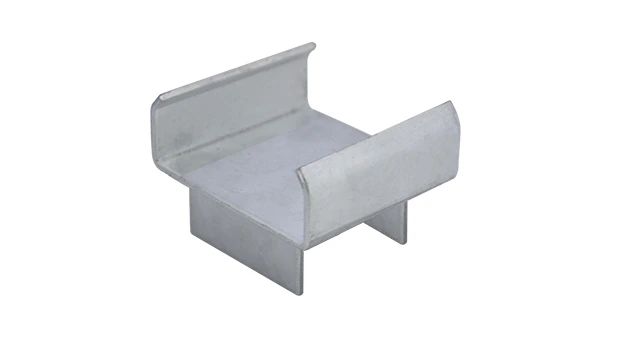
If you've ever walked through a manufacturing workshop or a warehouse, you've probably seen those smooth, rolling tracks that move materials from one station to another. Ever wondered what keeps those tracks stable, even when loaded with heavy parts? Today, we're diving into one unsung hero of these systems: the Roller Track Placon Mount Center Support Bracket . Don't let the long name intimidate you—we're breaking it down in plain language, perfect for anyone new to lean manufacturing or material handling systems.
First Things First: What Even Is This Bracket?
Let's start with the basics. A roller track system is like a highway for materials in a factory—think of it as the road that lets bins, parts, or products glide from point A to point B without manual lifting. Now, every highway needs strong foundations, right? That's where the center support bracket comes in. Specifically, the "Roller Track Placon Mount Center Support Bracket" is the component that sits under the middle section of a roller track , holding it up and keeping it steady. It's not just a simple piece of metal; it's the backbone that prevents sagging, reduces vibration, and ensures the track works smoothly even with heavy loads.
You might be thinking, "Why does the 'center' matter so much?" Imagine a long roller track without support in the middle—over time, the weight of materials would bend the track, making it wobbly or even unusable. This bracket steps in to distribute weight evenly, like how a book's spine keeps its pages from flopping over. And the "placon mount" part? That just means it's designed to attach to aluminum profiles (those modular metal frames you see in workbenches or racks), which are super common in lean systems because they're lightweight and easy to customize.
How Does It Actually Work? The Working Principle in Simple Terms
Let's get into the "why" behind its design. The core job of this bracket is to support the roller track from below , but it does more than just hold weight. Here's the step-by-step breakdown of its working principle:
1. Weight Distribution: Spreading the Load Like a Pro
When you place a heavy bin on a roller track, the weight doesn't just sit on the rollers—it pushes down on the entire track structure. Without a center bracket, most of that weight would ( at the ends), causing the middle to sag over time. The center support bracket acts like a helper, pushing upward from the middle to share the load. It's similar to how two people carrying a heavy table—one at each end—might add a third person in the middle to lighten the load for everyone.
2. Stability: Keeping the Track "On Track"
Ever tried balancing a ruler on two fingers? If you place your fingers at the ends, the ruler wobbles. But add a third finger in the middle, and suddenly it's steady. That's exactly what this bracket does for a roller track. It reduces side-to-side movement, so when a bin slides over the rollers, the track doesn't shake or shift. This stability is crucial for precision—imagine working on an ESD workbench assembling tiny 3C components (like phone parts) that need to move smoothly without jostling. A wobbly track could mean damaged parts or slowdowns, and no one wants that.
3. Compatibility with Placon Mount Systems
Remember that "placon mount" term? It refers to how the bracket attaches to the frame of the system, usually made of aluminum profiles. Aluminum profiles are popular in lean systems because they have T-slots—grooves that let you slide in bolts or connectors without drilling new holes. The bracket is designed with holes or clips that fit perfectly into these T-slots, making installation quick and adjustable. Need to move the bracket a few inches to the left? Just loosen the bolts, slide it, and tighten again. This flexibility is a big part of why lean systems are so loved—they adapt as your needs change.

Anatomy of the Bracket: Key Parts You Should Know
To really get how this bracket works, let's look at its main components. Think of it like dissecting a simple machine—each part has a job, and they all work together. Here's what you'll find on a typical Roller Track Placon Mount Center Support Bracket:
| Component Name | What It Does | Why It Matters |
|---|---|---|
| Base Plate | The flat, bottom part that attaches to the aluminum profile (placon mount). | Creates a strong connection to the frame, preventing the bracket from slipping. |
| Vertical Support Arm | The upright "leg" that connects the base plate to the track holder. | Adjusts the height of the track—taller arms for higher tracks, shorter for lower ones. |
| Track Holder/Cradle | The curved or flat top part that wraps around the roller track. | Holds the track securely in place, preventing it from sliding off the bracket. |
| Fastening Holes/Clips | Pre-drilled holes or T-slot clips on the base plate and track holder. | Let you attach the bracket to the aluminum profile and the track without extra tools. |
| Reinforcement Ribs | Thin metal strips on the vertical arm or base plate (like bones in a skeleton). | Add strength without extra weight, so the bracket can handle heavier loads. |
Most brackets are made of aluminum or steel, both strong and lightweight. Aluminum is a top pick for lean systems because it resists rust and is easy to handle—important if you're setting up the track yourself. Steel might be used for extra-heavy-duty applications, like in automotive factories where tracks carry engine parts.

Installing the Bracket: A Beginner-Friendly Guide
You don't need to be a pro to install this bracket—seriously! Lean systems are all about simplicity, and this is no exception. Let's walk through the basic steps (always check the manufacturer's instructions for your specific model, but this is a general idea):
- Gather your tools: You'll need a hex key (Allen wrench) to fit the T-slot bolts, a level to make sure the track is straight, and maybe a rubber mallet to tap parts into place gently.
- Mark the spot: Decide where the middle of your roller track will be—this is where the bracket goes. If the track is 6 feet long, the bracket should sit around 3 feet from each end.
- Attach the base plate to the aluminum profile: Slide T-slot bolts into the grooves of the aluminum profile, line up the base plate's holes with the bolts, and tighten the nuts. Make sure it's snug but not so tight you bend the metal.
- Mount the vertical arm and track holder: Some brackets have the arm and holder pre-attached; others let you adjust the height. If adjustable, set the height so the track will be level with other sections (use that level tool here!).
- Secure the roller track to the holder: Place the roller track into the cradle of the bracket. Most tracks have holes that line up with the holder—use bolts or clips to lock it in. Give it a gentle shake to make sure it doesn't move.
- Test it out: Slide a bin or a box along the track. It should move smoothly without sagging in the middle. If it wobbles, check if the bracket is tight or if the track is level.
Pro tip: If you're building a long roller track (like for a conveyor in a warehouse), you might need more than one center support bracket. As a rule of thumb, add a bracket every 3-4 feet to keep the track stable. Think of it like placing pillars under a long bridge—the more support, the stronger the structure.
Why This Bracket Matters in Lean Manufacturing
Okay, so we know it holds up the track—but why is that such a big deal for lean systems? Let's connect the dots to lean principles, which focus on reducing waste, improving efficiency, and making systems that can grow with your business.
First, no more wasted time . A sagging track means materials get stuck, workers have to stop and fix jams, and production slows down. The bracket prevents this by keeping the track stable, so materials flow continuously. In lean terms, that's eliminating "motion waste" and "waiting waste"—two of the big eight wastes in manufacturing.
Second, durability and reusability . Lean systems are all about sustainability—using components that last and can be reused when you rearrange your workspace. This bracket is built to withstand daily use, and since it's adjustable (thanks to the placon mount and T-slots), you can take it apart, move it to a new location, and reuse it. No need to buy a new bracket every time you redesign your production line—saves money and reduces waste. That's a win for your budget and the planet.
Third, supports precision in critical industries . Take medical device manufacturing, for example. When assembling tools like surgical instruments, even a tiny mistake can have big consequences. A stable roller track (held up by this bracket) ensures parts move smoothly to the workbench, where technicians can focus on precision instead of wrestling with stuck bins. The same goes for 3C assembly—imagine trying to attach a delicate circuit board to a phone case on a wobbly track. Not ideal, right?
Center Support Bracket vs. Other Supports: What Makes It Unique?
You might be wondering, "Aren't there other brackets that support roller tracks?" Absolutely! But the center support bracket has a specific job that end supports or side supports can't do as well. Let's compare:
End Supports
These go at the very ends of the roller track, attaching it to the frame. They're like the bookends of the track—keeping it from sliding off the frame. But they can't support the middle, so a long track without center brackets will sag.
Side Supports
These attach to the sides of the track, adding lateral stability (preventing side-to-side movement). They're great for tracks that handle uneven loads, but they don't help with sagging from the top down.
Center Support Brackets
Focused on the middle section, they prevent sagging and distribute weight. Think of end supports as holding the track's "hands," side supports as holding its "shoulders," and center supports as holding its "waist." You need all three for a truly stable system, but the center is what keeps the track from "bending over" under pressure.
Troubleshooting: Common Problems and How to Fix Them
Even the best brackets can run into issues, especially if they're not installed or maintained properly. Here are some common problems beginners might face, and how to solve them:
Problem: The track sags in the middle, even with the bracket installed.
Solution: Check if the bracket is centered correctly. If it's too close to one end, the middle might still sag. Also, make sure the vertical arm is at the right height—if it's too short, the bracket won't reach the track. Tighten all bolts—loose connections can make the bracket feel "soft."
Problem: The bracket slides around on the aluminum profile.
Solution: The T-slot bolts might be too loose. Try tightening them with a hex key—snug, but don't over-tighten (you could strip the threads). If the profile is dirty, wipe out the T-slots with a cloth first—dust or grease can prevent a tight grip.
Problem: The track makes a rattling noise when materials slide over it.
Solution: This is usually a sign of vibration. Check if the bracket is touching the track properly—there should be no gaps. You can add rubber washers between the bracket and the track to reduce noise, or tighten any loose parts on the roller track itself (like wheels or axles).
Caring for Your Bracket: Maintenance Tips
To keep your center support bracket working like new, a little maintenance goes a long way. Here's what to do:
- Check bolts monthly: Tighten any loose bolts on the base plate or track holder. Vibration from daily use can loosen them over time.
- Clean the T-slots: Wipe out the grooves in the aluminum profile occasionally to remove dust or debris. This keeps the bracket sliding smoothly if you need to adjust its position.
- Inspect for rust (if using steel): If your bracket is steel, look for rust spots. A quick wipe with a dry cloth and a light coat of anti-rust spray will keep it in shape.
- replace worn parts: If the track holder cracks or the base plate bends (unlikely with normal use, but possible with extreme loads), replace the bracket. Using a damaged bracket can risk the entire roller track system.
Wrapping It Up: Why This Bracket Deserves a Spotlight
So, there you have it—the Roller Track Placon Mount Center Support Bracket might not be the flashiest part of a lean system, but it's absolutely essential. It's the quiet worker that keeps your roller tracks stable, your materials moving, and your production line efficient. Whether you're setting up a small ESD workstation for electronics or a large conveyor system in a warehouse, this bracket ensures everything runs smoothly, safely, and sustainably.
Remember, lean manufacturing isn't just about big machines or complex software—it's about the small, smart components that work together to eliminate waste and boost productivity. This bracket is a perfect example of that philosophy: simple, adjustable, durable, and designed to make your job easier. So next time you see a roller track gliding smoothly in a factory, take a second to look underneath—chances are, there's a center support bracket hard at work, keeping the "highway" of materials open for business.
Ready to build your own lean system? Start with the basics, and don't overlook the importance of strong, reliable supports. Your future self (and your production line) will thank you.