- Company Articles
- Products and Technology
- Application Cases
- Roller Track Placon Mount Connector in Medical Device Manufacturing: Case Study

Roller Track Placon Mount Connector in Medical Device Manufacturing: Case Study
Related Product
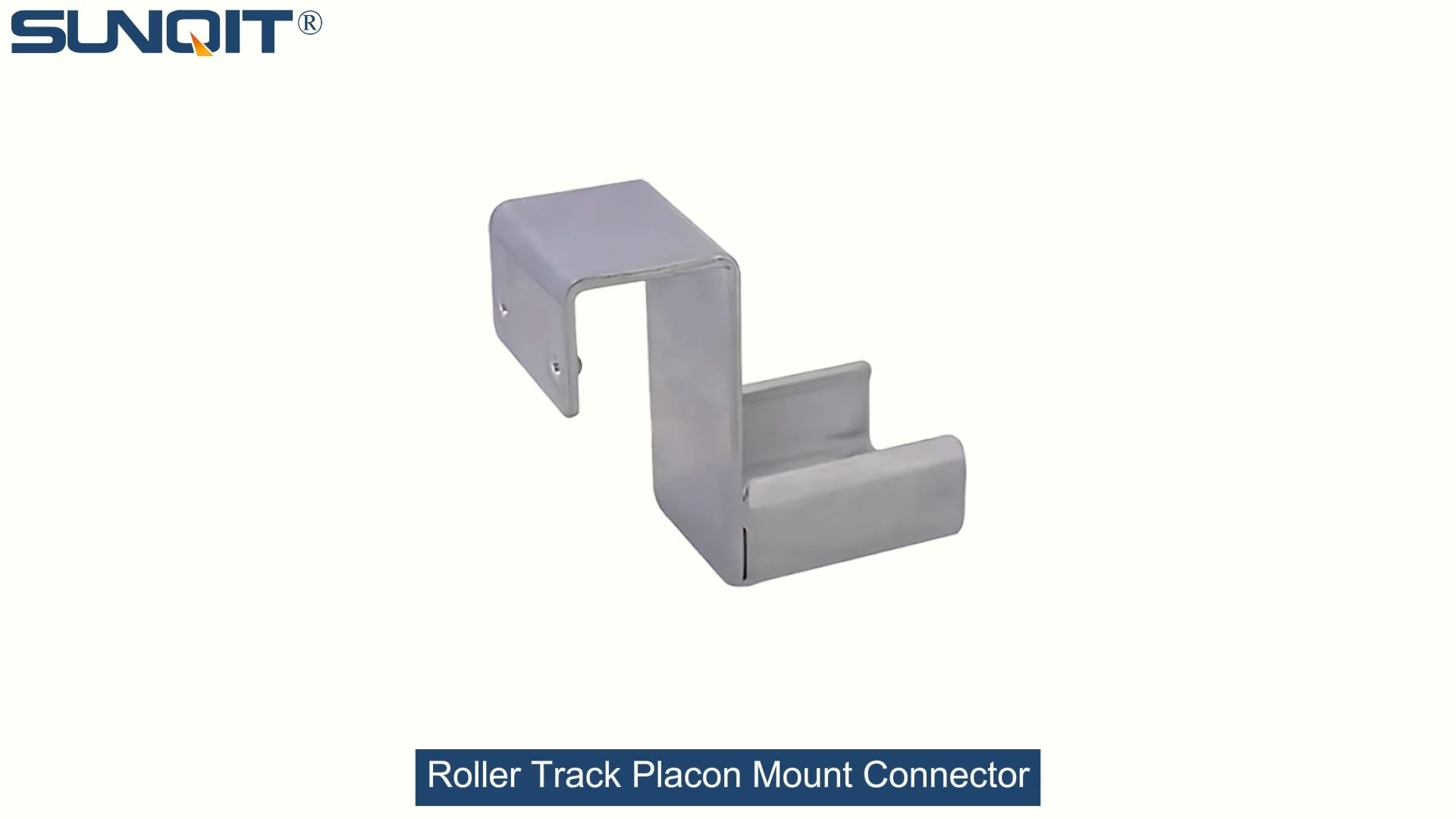
Roller Track Placon Mount Connector
Roller track placon mount work as a connector for roller track and pipe or aluminum profile in rack syetem, it is a necessary parts in rack system which widely used in industrial plant and logistic,warehouse storage.
Medical device manufacturing is a world where precision isn't just a goal—it's a lifeline. Every component, every assembly step, and every minute of production time carries the weight of patient safety and regulatory compliance. In this high-stakes environment, inefficiencies aren't just costly; they can delay the delivery of critical equipment to hospitals and clinics. That's why forward-thinking manufacturers are turning to lean production solutions to streamline workflows, reduce waste, and ensure consistent quality. Today, we're diving into a real-world case study that showcases how one essential component—the roller track placon mount connector—paired with a suite of lean tools, transformed a medical device manufacturer's production line from a source of frustration to a model of efficiency.
The Case: Streamlining a Medical Device Assembly Line
Our story begins with MediTech Innovations (a fictional name representing a typical mid-sized medical device manufacturer), which specializes in producing diagnostic equipment. By 2024, MediTech faced a critical challenge: its assembly line for blood glucose monitors was struggling to keep up with rising demand. The production floor was plagued by three major issues: slow (material flow), frequent disruptions from static electricity damaging sensitive electronics, and rigid workstations that couldn't adapt to frequent product design updates. With regulatory deadlines looming and competitors gaining ground, MediTech needed a lean solution that could deliver results fast.
The Challenges: Why the Status Quo Was Failing
Before we explore the solution, let's break down the specific pain points MediTech was facing. These aren't unique to medical device manufacturing—they're common in any industry where precision and flexibility matter, but in healthcare, their impact is amplified.
1. Bottlenecks in Material Flow
The assembly process for blood glucose monitors involved moving small, delicate components (circuit boards, sensors, plastic casings) between six workstations. The existing material handling system relied on fixed plastic bins and manual cart transport. Workers spent 15-20% of their shift simply moving parts, and bins often got stuck on uneven floor sections, causing delays. "We had technicians standing around waiting for parts because the carts couldn't reach them quickly enough," said Maria Gonzalez, MediTech's Production Manager. "It was like watching a symphony where half the musicians were waiting for their sheet music."
2. Static Electricity Risks
Many components in the monitors—particularly the circuit boards—are highly sensitive to electrostatic discharge (ESD). Even a small static shock could damage the electronics, leading to product failures during testing. MediTech's old workstations lacked proper ESD protection; technicians used makeshift grounding mats, and there was no standardized system to monitor static levels. "We were seeing a 3% failure rate in final testing, and root cause analysis pointed to ESD damage 70% of the time," Gonzalez noted. "That's 3 out of 100 monitors that couldn't be shipped—costing us time, materials, and reputation."
3. Rigid, Unadaptable Workstations
Medical device design evolves rapidly, and MediTech's engineering team was rolling out updates to the glucose monitor every 6-8 months to improve accuracy and user-friendliness. Each update required changes to the assembly process—adjusting workstation heights, adding new tool storage, or reconfiguring the layout of components. The existing workstations, made of welded steel, took 8-10 hours to modify. "By the time we finished reconfiguring for one design update, the next one was already on the horizon," Gonzalez explained. "We were stuck in a cycle of constant catch-up."

The Lean Solution: Building a Flexible, Efficient Ecosystem
MediTech turned to a lean system supplier with expertise in medical manufacturing, who proposed a holistic approach centered on five key components: roller track placon mount connectors, lean pipe workbenches, ESD workstations, aluminum profiles, and a customized lean solution tailored to their workflow. Let's explore how each piece of the puzzle addressed their unique challenges.
1. Roller Track Placon Mount Connector: The Unsung Hero of Material Flow
At the heart of the new material handling system was the roller track placon mount connector—a small but mighty component that revolutionized how parts moved across the factory floor. These connectors are designed to join sections of roller track (think of them as the "building blocks" of a flexible conveyor system) with precision and speed. Unlike fixed conveyor belts, they allow for quick adjustments: if a workstation needs to be moved 2 feet to the left, the roller track can be disassembled, reconnected with the placon mount connectors, and operational in minutes.
For MediTech, this meant replacing the old plastic bins and manual carts with a network of roller tracks that spanned the entire assembly line. Components now glide smoothly from the warehouse to the first workstation, then between stations, using gravity and gentle inclines. "The difference was night and day," said Juan Lopez, a senior technician at MediTech. "Before, I'd spend 20 minutes an hour wheeling carts. Now, parts arrive at my station as soon as I need them—no more waiting, no more back strain from lifting heavy bins."
2. Lean Pipe Workbench: Adaptability at Its Core
To solve the workstation rigidity problem, the supplier recommended lean pipe workbenches—modular workstations built with aluminum lean pipes and joints that can be reconfigured in minutes, not hours. These workbenches are lightweight yet durable, with a frame that can support tools, monitors, and storage bins, all of which can be adjusted in height or position using simple hand tools.
MediTech replaced its steel workstations with lean pipe workbenches customized to each assembly step. For example, the soldering station now has a height-adjustable surface to reduce technician fatigue, while the final testing station includes built-in cable management and tool hooks that can be moved as needed. "When we rolled out the new glucose monitor design last quarter, we reconfigured three workstations in under an hour," Gonzalez said. "Previously, that would have taken a full day and a maintenance crew. It's like having a workstation that can read our minds."
3. ESD Workstation: Protecting Sensitive Electronics
Static electricity was tackled with ESD workstations—lean pipe workbenches enhanced with specialized materials to dissipate static charge. These workstations include ESD-safe surfaces, grounding straps for technicians, and built-in monitors that alert teams if static levels rise above safe thresholds. Every component that touches the workstation—from the tabletop to the storage bins—is designed to prevent electrostatic discharge, ensuring that even the most delicate circuit boards remain intact.
The results were immediate. "Our failure rate dropped from 3% to 0.2% within the first month," Gonzalez reported. "That's hundreds of monitors that no longer need to be reworked or scrapped. The ESD workstations didn't just solve a problem—they gave our quality team peace of mind."
4. Aluminum Profile: Durability Meets Lightweight Design
Underpinning both the roller tracks and lean pipe workbenches was aluminum profile—a material chosen for its strength, corrosion resistance, and lightweight properties. Medical device manufacturing requires strict hygiene standards, and aluminum profiles are easy to clean and sanitize, unlike traditional steel which can rust or trap bacteria. Additionally, aluminum's lightweight nature makes reconfiguring workstations or roller tracks a one-person job, reducing reliance on heavy machinery.
5. Custom Lean Solution: Tailored to Medical Manufacturing Needs
What truly set this project apart was the supplier's focus on a customized lean solution, not just off-the-shelf products. The team spent two weeks on-site, observing MediTech's workflow, interviewing technicians, and analyzing production data to design a system that fit their specific processes. This included optimizing the layout of roller tracks to minimize travel time, integrating ESD workstations with quality control checkpoints, and training staff on how to adapt the system as their needs changed.
"It wasn't just about selling us equipment," Gonzalez emphasized. "They became partners in our success. They listened to our technicians' frustrations, asked questions about our long-term goals, and designed a system that grows with us."

The Implementation: From Plan to Production in 8 Weeks
One of MediTech's biggest concerns was downtime during the transition. The supplier addressed this by phasing the implementation in three stages:
- Week 1-2: Design & Training – The supplier's engineers finalized the layout and trained MediTech's maintenance team on assembling/disassembling the lean pipe workbenches and roller tracks using the placon mount connectors. "We practiced building a mini-version of the assembly line in the break room," Lopez laughed. "By the end, even the intern could put together a workstation."
- Week 3-6: Phased Rollout – The team installed the new system one workstation at a time, starting with the least critical section of the line. This allowed production to continue with minimal disruption. "We never stopped shipping product," Gonzalez noted. "That was a huge relief."
- Week 7-8: Optimization – After the full system was operational, the supplier returned to fine-tune the roller track angles, adjust workstation heights, and address any issues. "They stayed until we were 100% satisfied," Gonzalez said. "Even when we asked to move a roller track 6 inches to the right on a Friday afternoon, they were there to help."

The Results: Efficiency, Quality, and Employee Satisfaction
By the end of the first quarter, the results spoke for themselves. MediTech tracked key metrics before and after implementation, and the improvements were staggering:
| Metric | Before Implementation | After Implementation | Improvement |
|---|---|---|---|
| Production Output (Units/Day) | 120 | 180 | +50% |
| Material Handling Time (Hours/Shift) | 4.5 | 1.2 | -73% |
| ESD-Related Failures | 3% of units | 0.2% of units | -93% |
| Workstation Reconfiguration Time | 8-10 hours | 30-45 minutes | -94% |
| Employee Overtime (Hours/Week) | 60 | 15 | -75% |
Beyond the Numbers: A Happier, More Engaged Team
Perhaps the most unexpected benefit was the impact on employee morale. "Our technicians went from dreading coming to work to being proud of our line," Gonzalez said. "They no longer waste time on manual labor—they can focus on what they do best: building high-quality medical devices. We've even had technicians suggesting improvements to the system, like adding extra roller track branches for new components. That kind of engagement is priceless."
Why Lean Excellence Matters in Medical Manufacturing
MediTech's story isn't just about roller track placon mount connectors or lean pipe workbenches—it's about the power of lean thinking to transform not just production lines, but entire businesses. In medical device manufacturing, where every second and every component counts, a lean solution that prioritizes flexibility, efficiency, and quality isn't a luxury; it's a necessity.
For manufacturers looking to replicate this success, the key takeaways are clear: invest in adaptable tools (like roller track placon mount connectors and lean pipe workbenches), prioritize ESD protection to safeguard sensitive electronics, choose lightweight, durable materials like aluminum profiles, and partner with suppliers who understand your industry's unique challenges. By doing so, you're not just improving your bottom line—you're ensuring that life-saving equipment reaches the patients who need it most, faster and more reliably than ever before.
In the end, lean manufacturing isn't about cutting corners. It's about creating a production environment where people, processes, and technology work in harmony—a symphony of precision that delivers results when it matters most.