- Company Articles
- Products and Technology
- Installation And Maintenance
- Roller Track Placon Mount Connector Maintenance Costs: Budgeting Guide

Roller Track Placon Mount Connector Maintenance Costs: Budgeting Guide
Related Product
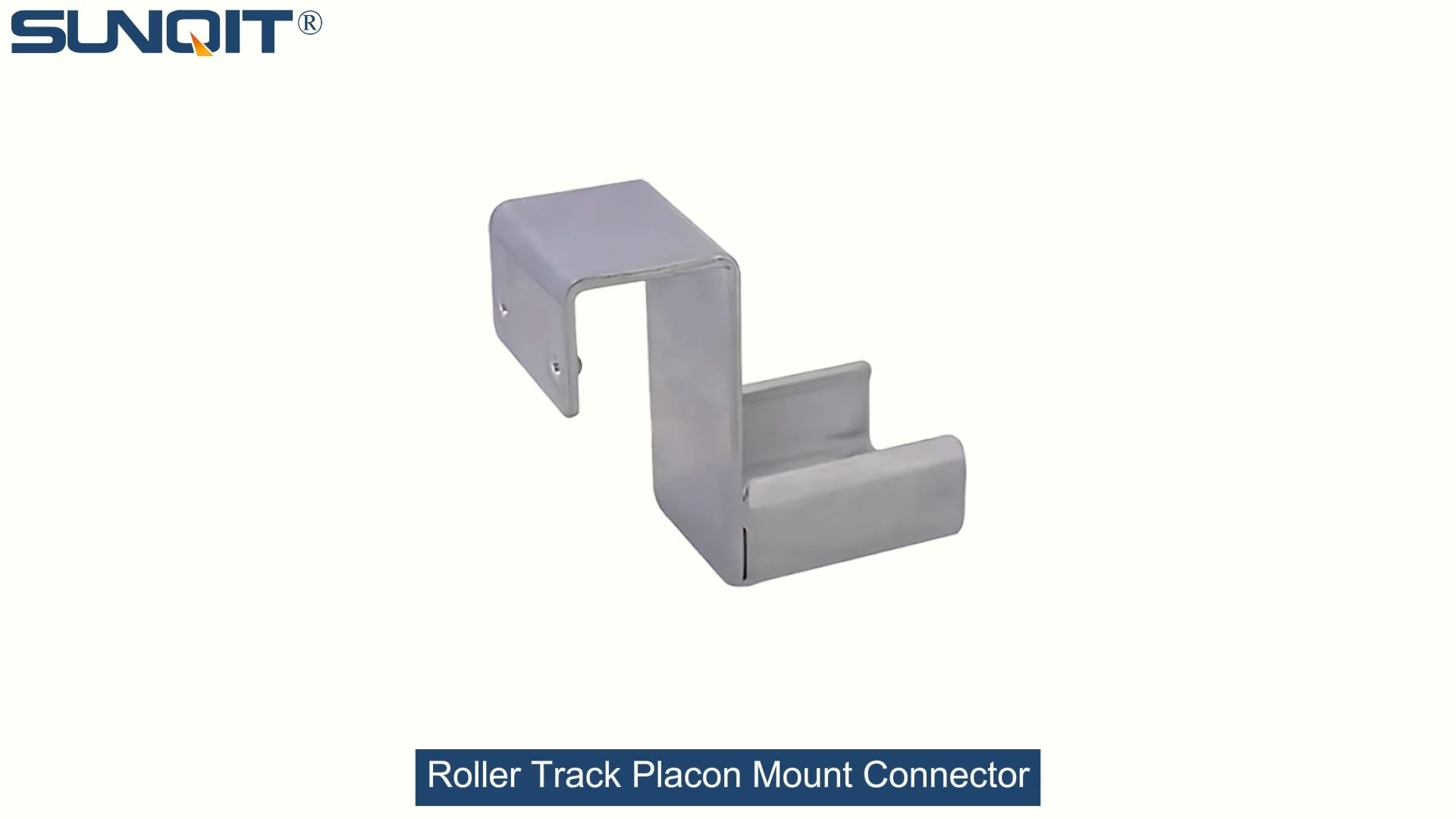
Roller Track Placon Mount Connector
Roller track placon mount work as a connector for roller track and pipe or aluminum profile in rack syetem, it is a necessary parts in rack system which widely used in industrial plant and logistic,warehouse storage.
Navigating the hidden costs of keeping your production line moving smoothly
Imagine standing on the floor of a bustling manufacturing plant—conveyors hum, workbenches are lined with components, and materials glide seamlessly from one station to the next. It's a symphony of efficiency, but every symphony has its unsung heroes. In your facility, those heroes might just be the roller track systems that keep materials flowing. And holding that entire system together? Small but mighty components like the Roller Track Placon Mount Connector.
These unassuming connectors might look simple, but they're the joints that let your roller tracks bend, connect, and adapt to your production needs. When they work, you barely notice them. But when they fail? Suddenly that smooth symphony turns into a costly silence—materials pile up, workers stand idle, and deadlines slip. The question isn't whether you'll face maintenance issues with these connectors; it's whether you've budgeted smartly enough to handle them without derailing your operations.
As someone who's worked with manufacturers across 3C assembly, medical device production, and (warehousing and logistics), I've seen how overlooked maintenance on small parts can lead to six-figure losses. That's why we're breaking down everything you need to know about budgeting for Roller Track Placon Mount Connector maintenance—from common issues to cost-saving strategies that align with lean manufacturing principles.
Why Roller Track Placon Mount Connector Maintenance Deserves Your Attention
The $45,000 Connector Failure
Last year, a consumer electronics manufacturer in Guangdong reached out to us after a crisis. Their production line for smartwatch components had ground to a halt—literally. A single Roller Track Placon Mount Connector had worn through at the joint, causing a 3-meter section of roller track to sag. Materials jammed, and the line stayed down for 4.5 hours while they sourced a replacement and made repairs.
When we crunched the numbers with their team, the damage was clear: 2,200 units not produced, overtime pay for emergency repairs, and expedited shipping fees for replacement parts. Total cost? $45,200. All from a component that costs less than $20 to replace proactively.
This isn't an isolated incident. In lean manufacturing, we talk a lot about eliminating waste—but one of the biggest wastes is unplanned downtime . And when it comes to roller track systems, the connectors are often the weakest link. Here's why they deserve dedicated maintenance focus:
- They handle constant stress : Every time a cart rolls over the track or a pallet hits a curve, these connectors absorb vibration and weight. Over time, that takes a toll.
- They're critical to system flexibility : Your lean system relies on adaptability. Placon mount connectors let you reconfigure tracks for new products—but only if they're in good shape.
- Small issues escalate fast : A loose connector might start as a minor rattle, then become a misalignment, then a full system failure. Catching problems early saves exponentially.
The 4 Most Common Maintenance Headaches (and What Causes Them)
Before you can budget for maintenance, you need to know what you're up against. Let's break down the typical problems facilities face with Roller Track Placon Mount Connectors—and why they happen:
Premature Wear & Tear
The connector's mounting points or rotating surfaces show signs of excessive wear, leading to looseness or play in the track.
Common causes: Using low-quality plastic or steel components, exceeding weight capacities, or friction from misaligned tracks. Many facilities don't realize that aluminum profile connectors (like our aluminum alloy options) resist wear 3x longer than standard steel in high-friction environments.
Corrosion & Rust
Metal components develop rust spots or corrosion, weakening the connection and risking contamination (critical in medical device production).
Common causes: Humid environments, exposure to cleaning chemicals, or using non-ESD-safe materials in electronics production. Our ESD workstation clients often switch to stainless steel or coated aluminum connectors to solve this.
Loosening & Misalignment
Connectors work themselves loose over time, causing tracks to shift out of alignment and materials to jam or tip.
Common causes: Insufficient torque during installation, constant vibration from nearby machinery, or using mismatched connector sizes. We've seen facilities reduce this by 70% by implementing monthly torque checks with calibrated tools.
Compatibility Failures
Connectors don't fit properly with existing roller tracks or accessories, leading to uneven wear or sudden failure.
Common causes: Mixing components from different suppliers, using generic "one-size-fits-all" parts, or failing to account for track thickness variations. As a dedicated lean pipe supplier , we always recommend sticking to compatible component systems to avoid this.

Breaking Down the True Cost of Connector Maintenance
When most facilities budget for maintenance, they only account for the obvious: replacement parts and labor. But the real cost of connector issues goes far beyond that. Let's break down the three cost categories you need to include in your budget:
| Cost Category | What It Includes | Typical Cost Range* | Often Overlooked? |
|---|---|---|---|
| Direct Maintenance Costs | Replacement connectors, tools, cleaning supplies, technician labor | $150–$800 per incident | Rarely |
| Operational Disruption Costs | Idle labor, missed production targets, rescheduling fees | $2,000–$25,000+ per incident | Often |
| Long-Term Consequence Costs | Premature track replacement, product defects from misalignment, worker safety incidents | $5,000–$50,000+ over time | Almost always |
*Based on data from 30+ manufacturing facilities (2023-2024)
The Hidden Price of "Run-to-Failure" Maintenance
Many facilities fall into the trap of "run-to-failure" maintenance—waiting until a connector breaks before replacing it. On the surface, this seems cheaper: why spend money on parts that aren't broken yet? But our analysis with manufacturing clients shows the opposite is true. Let's compare two scenarios for a mid-sized electronics plant using 50 Roller Track Placon Mount Connectors:
Reactive Maintenance (Run-to-Failure)
- Annual failures: ~8 connectors (based on industry averages)
- Direct costs: $640 (8 connectors × $80 each + labor)
- Disruption costs: $40,000 (8 incidents × 1 hour downtime × $5,000/hour production value)
- Long-term costs: $12,000 (accelerated track wear requiring partial replacement)
- Total Annual Cost: $52,640
Preventive Maintenance Program
- Proactive replacement: 10 connectors/year (preventive schedule)
- Direct costs: $1,000 (10 connectors × $80 + planned labor)
- Disruption costs: $0 (maintenance during scheduled downtime)
- Long-term costs: $2,000 (minimal track wear)
- Total Annual Cost: $3,000
That's a 94% cost reduction with preventive maintenance. The numbers speak for themselves: investing in regular upkeep isn't an expense—it's insurance against catastrophic failures.

5 Smart Budgeting Strategies for Connector Maintenance
Now that you understand the costs, let's talk about building a budget that actually works for your facility. These strategies are tailored to manufacturers who want to balance lean principles with practicality:
1. Conduct a Connector Audit First
You can't budget effectively if you don't know what you're working with. Start by mapping all roller track systems and documenting every Placon Mount Connector. Note: location (high-traffic vs. low-traffic areas), age, previous maintenance history, and environmental conditions (humidity, temperature, exposure to chemicals). This audit will help you prioritize high-risk connectors.
Pro Tip: Use your workbench staff—they interact with these systems daily and often notice early warning signs (unusual noises, sticking materials) that engineers might miss.
2. Adopt a Tiered Replacement Schedule
Not all connectors need the same maintenance frequency. Create three tiers based on your audit:
- Tier 1 (Critical Path): Connectors on high-speed lines or those handling heavy loads (replace every 6–8 months)
- Tier 2 (Standard Use): General production line connectors (replace every 12–15 months)
- Tier 3 (Light Duty): Connectors in low-traffic areas or backup systems (replace every 18–24 months)
This tiered approach ensures you're spending money where it matters most.
3. Invest in Quality Components Upfront
It's tempting to save money with budget connectors, but we've seen facilities double their maintenance costs by choosing cheaper options. For example, our aluminum Placon Mount Connectors cost ~30% more than generic steel versions upfront but last 3x longer and resist corrosion. Over 3 years, that's a 60% savings.
Look for features like reinforced mounting points, corrosion-resistant coatings, and compatibility with your existing lean pipe system—these details reduce long-term maintenance needs.
4. Build a Spare Parts Inventory (the Lean Way)
Running out of replacement connectors during a failure leads to emergency shipping fees and longer downtime. But stockpiling dozens of spares ties up cash. The solution? A lean inventory system:
- Keep 2–3 spare connectors per Tier 1 area
- 1–2 spares per Tier 2 area
- Use a kanban system to reorder when stock hits minimum levels
- Partner with a supplier who offers 24–48 hour delivery for bulk orders
5. Train Your Team for Early Detection
Your frontline workers are your first line of defense. Train them to spot early warning signs during their daily operations:
- Unusual noises (rattling, grinding) from connectors
- Materials slowing down or shifting on the track
- Visible gaps between connected track sections
- Rust or discoloration on metal components
Set up a simple reporting system (digital form or even a dedicated logbook) so workers can flag issues before they escalate. We've seen clients reduce emergency repairs by 40% just by empowering their teams this way.

Real-World Success: How a Medical Device Maker Cut Maintenance Costs by 62%
Let's look at how these strategies work in practice. A medical device manufacturer in Suzhou was struggling with frequent connector failures on their conveyor systems, which transport delicate surgical tools between assembly stations. Their maintenance budget was ballooning, and regulatory pressures meant they couldn't afford unplanned downtime.
The Problem
Their audit revealed 120 Roller Track Placon Mount Connectors across 8 production lines. Most were generic steel connectors that were corroding in the cleanroom environment. Failures were happening every 4–6 weeks, costing an average of $3,200 per incident (including product contamination risks).
The Solution
- Switched to stainless steel Placon Mount Connectors with corrosion-resistant coating
- Implemented a Tier 1 replacement schedule (every 9 months) for cleanroom connectors
- Trained assembly line workers to perform weekly visual inspections
- Established a kanban system with 5 spare connectors per line
The Results (After 12 Months)
- Emergency failures reduced from 18 to 3 per year
- Total maintenance costs dropped from $57,600 to $21,900 annually
- Regulatory compliance scores improved (fewer contamination risks)
- Workers reported higher confidence in equipment reliability
The key takeaway? They didn't just throw money at the problem—they combined better components with smarter processes, aligning with the lean solution principles of continuous improvement and waste reduction.
Building a Maintenance Budget That Supports Lean Manufacturing
At the end of the day, budgeting for Roller Track Placon Mount Connector maintenance isn't just about avoiding costs—it's about building a production system that's truly lean. When you proactively maintain these critical components, you're not just preventing failures; you're creating the stability needed for continuous improvement.
Remember: lean manufacturing isn't about cutting corners. It's about investing in the right places to eliminate waste. And few investments deliver a better ROI than proper connector maintenance. Whether you're running a small workshop or a large-scale production facility, the strategies in this guide will help you build a budget that protects your bottom line while keeping your materials—and your business—moving forward.
Ready to take the next step? Start with that connector audit we mentioned. You'll be surprised how quickly you can identify cost-saving opportunities. And if you need help selecting the right components or designing a maintenance schedule that fits your lean system, our team is here to help—because keeping your production line running smoothly is what we do best.