- Company Articles
- Products and Technology
- Installation And Maintenance
- Roller Track Placon Mount Connector Maintenance Schedule Best Practices

Roller Track Placon Mount Connector Maintenance Schedule Best Practices
Related Product
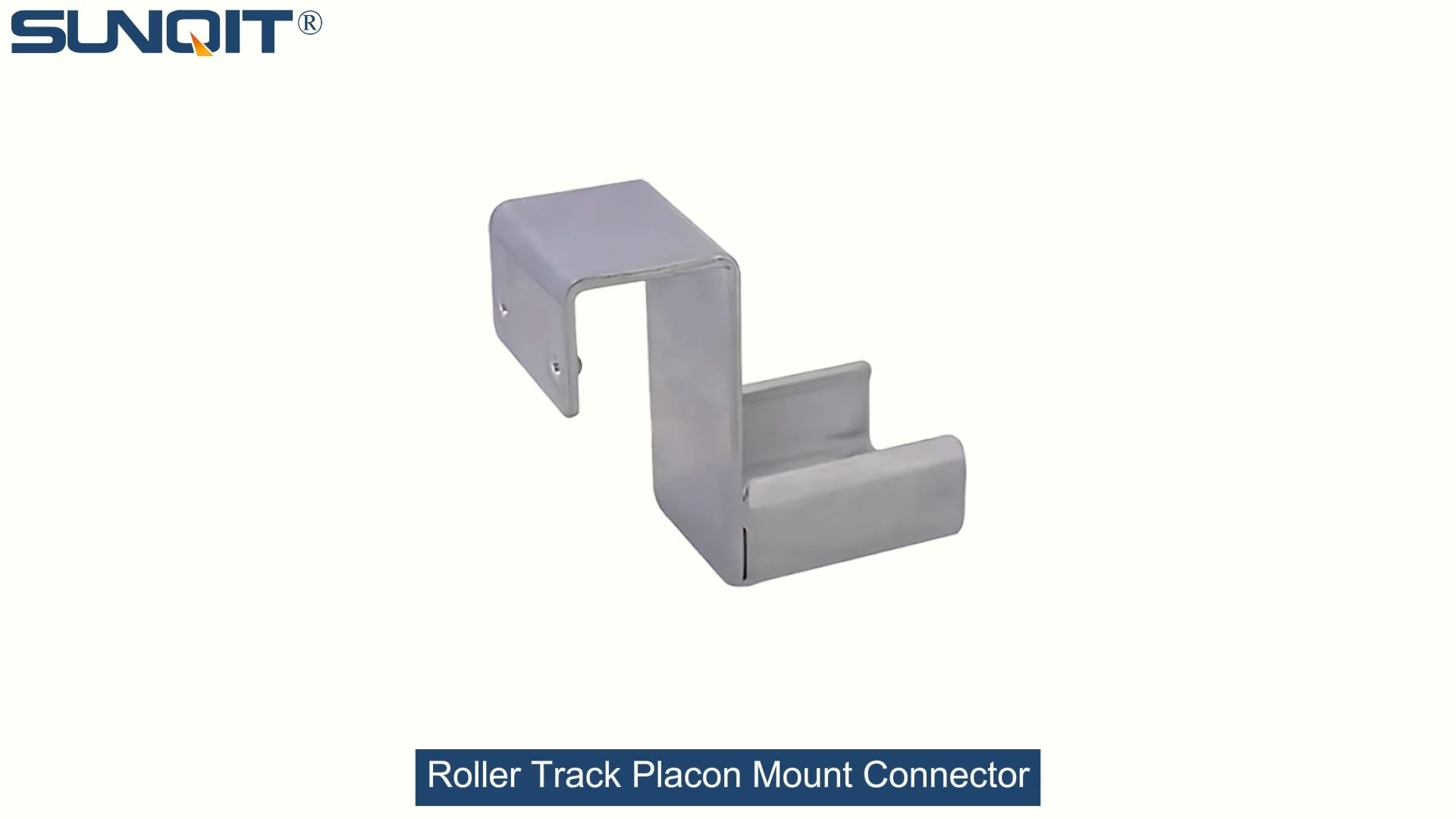
Roller Track Placon Mount Connector
Roller track placon mount work as a connector for roller track and pipe or aluminum profile in rack syetem, it is a necessary parts in rack system which widely used in industrial plant and logistic,warehouse storage.
Imagine standing on a busy factory floor: conveyor belts hum softly, materials glide smoothly along roller tracks, and workers move with purpose. Every component, from the smallest bracket to the largest workstation, plays a role in keeping production flowing. But what happens when one tiny part fails? A loose roller track placon mount connector might seem insignificant—until it causes a jam, halts a conveyor, and turns a productive day into a costly delay.
In the world of lean manufacturing, where efficiency and reliability are everything, your roller track system isn't just a piece of equipment. It's the backbone of your workflow, the silent partner that ensures materials reach the right place at the right time. And at the heart of that system? The often-overlooked placon mount connectors that hold your roller tracks securely to aluminum profiles, keeping everything aligned and moving. Today, we're diving into the best practices for maintaining these critical components—because when your roller tracks run smoothly, your entire lean system thrives.
Why Roller Track Placon Mount Connector Maintenance Matters
Think of your production line as a symphony: each machine, each conveyor, each roller track is an instrument. The placon mount connectors? They're the sheet music that keeps everyone in rhythm. When these connectors are well-maintained, your roller tracks integrate seamlessly with conveyors and workstations, creating a lean system that minimizes waste and maximizes output. When they're neglected? It's like a violin string snapping mid-performance—suddenly, everything feels off-key.
Here's why this maintenance deserves a spot on your priority list:
- Uptime is everything : A single loose connector can cause a roller track to misalign, leading to jams, damaged materials, and unplanned downtime. For manufacturers running 24/7 operations, even an hour of downtime can cost thousands in lost production.
- Safety first : Worn or broken connectors increase the risk of track collapse, putting workers at risk of injury and creating OSHA compliance headaches. A well-maintained system is a safe system.
- Long-term cost savings : Replacing a $5 connector today beats replacing an entire $500 roller track next month. Regular maintenance extends the life of your equipment, making your initial lean solution investment go further.
- Quality control : Misaligned tracks can cause products to shift during transport, leading to scratches, dents, or assembly errors—costly mistakes in industries like medical device manufacturing or 3C assembly where precision is critical.
Roller Track Placon Mount Connector Maintenance Schedule (The Ultimate Checklist)
Maintaining placon mount connectors doesn't have to be complicated. With a clear schedule and simple tools, your team can keep things running like clockwork. Below is a breakdown of tasks to integrate into your daily, weekly, and monthly routines—tailored to fit the demands of high-paced manufacturing environments.
| Maintenance Frequency | Key Tasks | How to Perform | Why It Matters |
|---|---|---|---|
|
Daily Check
(End of Shift) |
Visual inspection of connectors and tracks | Walk the length of the roller track, looking for: loose placon mount brackets, bent aluminum profiles, or debris caught in connectors. Use a flashlight to check hard-to-see areas. | Catches small issues before they escalate—like a connector that's starting to wiggle loose after a day of heavy use. |
| Weekly Maintenance | Tighten connections & clean tracks | Using a socket wrench or Allen key, gently tighten all placon mount connectors (don't over-tighten—aluminum profiles can strip!). Wipe tracks with a dry cloth to remove dust, grease, or product residue. | Prevents gradual loosening from vibration, which is common in facilities with nearby conveyors or heavy machinery. |
| Monthly Deep Dive | Lubricate, inspect for wear, & calibrate |
1. Apply a light machine oil to roller axles (avoid over-lubricating—grease attracts dust!).
2. Check placon mount connectors for signs of wear: cracks, stripped threads, or corrosion. 3. Use a level to ensure tracks are still aligned with conveyors and workstations. |
Extends roller and connector life. Ensures the entire lean system works in harmony, not against itself. |
| Quarterly Review | replace worn accessories & update plan | replace any placon mount connectors, brackets, or aluminum profile accessories that show significant wear. Review maintenance logs to adjust frequency (e.g., if a high-traffic track needs weekly tightening instead of monthly). | Keeps your maintenance plan agile and responsive to real-world use. |
Pro Tip: Assign a dedicated "track champion" on each shift to own these tasks. When someone is responsible, nothing falls through the cracks—especially in busy production environments.

Tools & Materials: What You'll Need (No Fancy Equipment Required!)
You don't need a warehouse full of tools to maintain placon mount connectors. Most tasks can be handled with basic equipment—and having the right aluminum profile accessories on hand ensures you can fix issues fast when they pop up. Here's your go-to toolkit:
Essential Tools
- Socket wrench set (with metric sizes for aluminum profiles)
- Allen key set (common for placon mount connector bolts)
- Level (2-foot or longer for track alignment)
- Wire brush (for cleaning debris from connector threads)
- Microfiber cloths (for wiping down tracks and rollers)
- Light machine oil or silicone spray (for lubricating rollers)
Spare Parts to Stock
- Placon mount connectors (various types: center support brackets, rail connections, end supports)
- Replacement rollers (matching your track type: steel, aluminum, or ESD-safe options)
- Lock washers (prevents connectors from loosening due to vibration)
- Aluminum profile end caps (protects exposed edges and reduces dust buildup)
- Anti-corrosion spray (for facilities in humid environments or near washdown areas)
Pro Tip: Partner with a reliable lean pipe supplier who offers fast shipping on replacement parts. Waiting weeks for a connector can turn a minor issue into a major delay—look for suppliers who stock common aluminum profile accessories locally.

Troubleshooting Common Issues (Because Even the Best Plans Hit Bumps)
Even with regular maintenance, you might run into problems. The key is to diagnose and fix them fast. Here are the most common placon mount connector issues—and how to solve them like a pro:
Issue: Connectors Keep Loosening
Why it happens : Constant vibration from nearby conveyors or heavy loads can shake bolts loose over time—especially in automotive or heavy machinery plants.
Fix : Apply thread-locking fluid (like Loctite) to bolt threads before tightening. For extreme cases, replace standard bolts with flange bolts, which distribute pressure better on aluminum profiles.
Issue: Rollers Stick or Make Noise
Why it happens : Dust, debris, or dried lubricant can cause rollers to bind. In ESD workstations, static can attract even more dust to tracks.
Fix : Remove the roller, clean the axle with a wire brush, and apply a fresh coat of lubricant. If the roller is scored or damaged, replace it—worn rollers will only get louder and less efficient.
Issue: Track is Misaligned (Materials Slide Off or Jam)
Why it happens : Loose placon mount brackets can shift the track out of level, or uneven floor settling can throw alignment off.
Fix : Use a level to identify high/low spots. Loosen the placon mount connectors, adjust the track height with shims if needed, then retighten. For persistent issues, check if the aluminum profile itself is bent—replace damaged sections to restore alignment.
Issue: Corroded Connectors (Rust or White Residue)
Why it happens : Exposure to moisture, chemicals, or humidity (common in food processing or pharmaceutical facilities).
Fix : replace corroded connectors with stainless steel or aluminum options (both resistant to rust). Apply anti-corrosion spray monthly to slow future damage.

Real-World Success: How One Manufacturer Cut Downtime by 40% with This Routine
Don't just take our word for it—let's look at a real example. A mid-sized 3C assembly plant in Guangdong was struggling with frequent roller track jams on their smartphone production line. Their lean system, which included roller tracks, conveyors, and ESD workstations, was supposed to boost efficiency—but unplanned downtime was eating into their gains. Workers were spending 2-3 hours per week fixing loose connectors or replacing damaged rollers.
After implementing the maintenance schedule above (and training two "track champions" per shift), here's what happened in 3 months:
- Downtime related to roller tracks dropped from 12 hours/month to just 7 hours/month—a 40% improvement.
- Scrap rates decreased by 15%, as products no longer shifted during transport.
- Worker satisfaction scores rose—team members reported feeling "more in control" of their workflow.
- The plant saved $12,000 in replacement parts and lost production costs.
"We used to think maintenance was just 'fixing things when they break,'" said the plant manager. "Now we see it as an investment. The 30 minutes we spend each day checking connectors saves us hours of headaches later."
Final Thoughts: Maintenance as Part of Your Lean Journey
At the end of the day, maintaining placon mount connectors isn't just about keeping equipment running—it's about honoring the lean principles that make your operation successful. Lean manufacturing is built on continuous improvement, and that includes taking care of the tools and systems that power your production.
Whether you're running a small workshop or a sprawling factory, remember this: your roller tracks and connectors are the unsung heroes of your lean system. They don't ask for much—just a little attention, a few tools, and a consistent schedule. In return, they'll keep your materials moving, your workers safe, and your bottom line healthy.
So, what's next? Grab your wrench, stock those spare connectors, and make today the day you turn "reacting to problems" into "preventing them." Your future self (and your production metrics) will thank you.