- Company Articles
- Products and Technology
- Installation And Maintenance
- Roller Track Placon Mount Connector Maintenance Tips for Longevity

Roller Track Placon Mount Connector Maintenance Tips for Longevity
Related Product
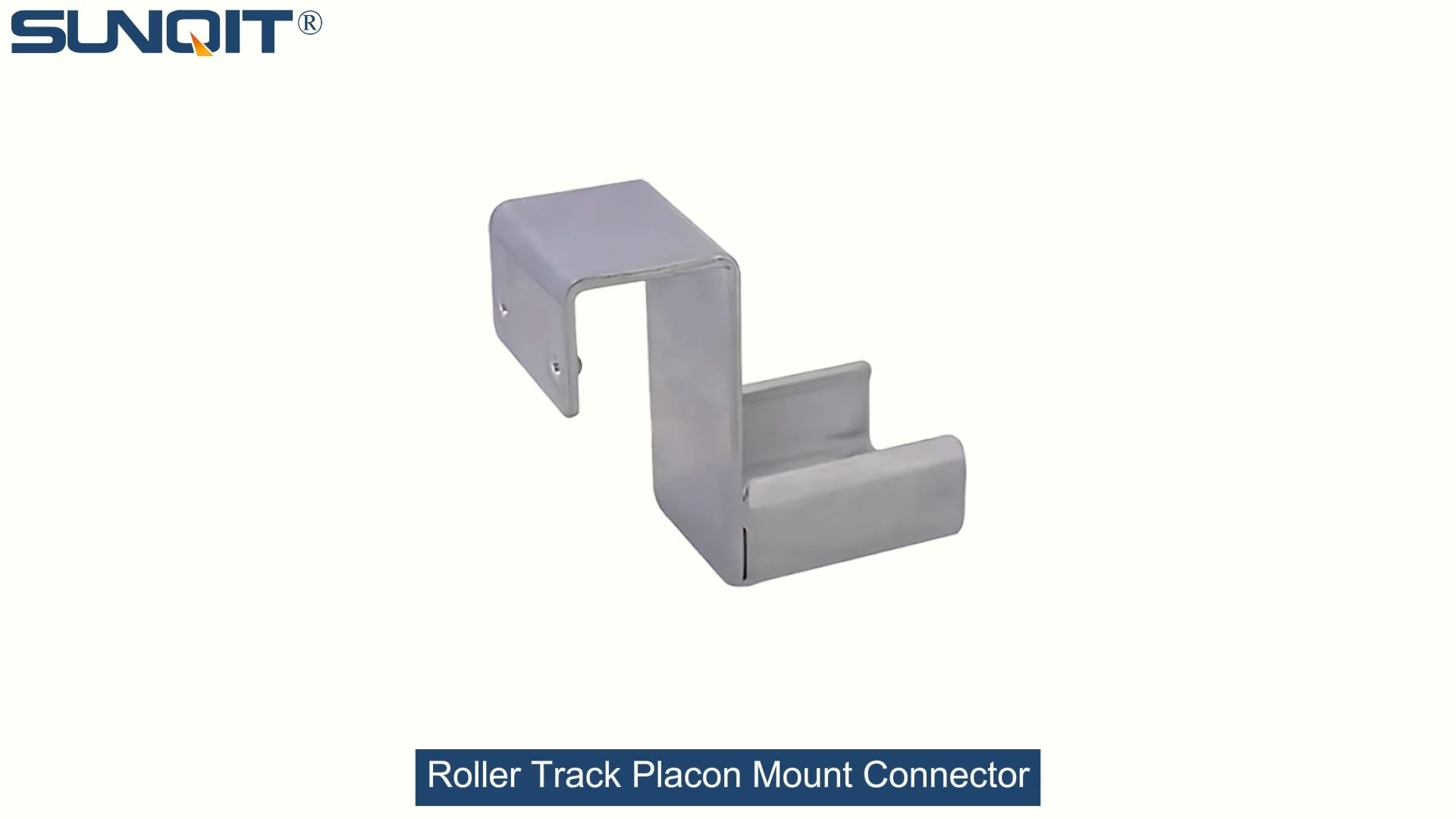
Roller Track Placon Mount Connector
Roller track placon mount work as a connector for roller track and pipe or aluminum profile in rack syetem, it is a necessary parts in rack system which widely used in industrial plant and logistic,warehouse storage.
Introduction: The Unsung Hero of Smooth Production Lines
In the bustling world of manufacturing—whether it's assembling smartphones in a 3C factory, packaging medical devices, or moving automotive parts along a conveyor—every component plays a critical role in keeping operations running seamlessly. Among these components, the roller track placon mount connector might not grab headlines, but it's the silent workhorse that holds your roller track systems together. These small yet mighty parts ensure that materials glide smoothly from one workstation to the next, supporting everything from lightweight plastic components to heavy metal parts.
Designed to connect roller tracks to aluminum profiles or other structural elements, these connectors bear constant stress: vibrations from moving parts, weight from transported goods, and even environmental factors like dust, humidity, or oil. Over time, neglecting their maintenance can lead to loose connections, misaligned tracks, and ultimately, production delays. But with the right care, you can extend their lifespan significantly—aligning perfectly with the lean (lean philosophy) of "reusable, sustainable improvement" that drives modern manufacturing.
This guide will walk you through practical, actionable maintenance tips tailored specifically for roller track placon mount connectors. Whether you're managing a small workshop or a large-scale production facility, these steps will help you keep your roller track systems in top shape, reduce downtime, and maximize the return on your equipment investment.
1. Daily Visual Inspection: Catch Issues Before They Escalate
The first line of defense in connector maintenance is a quick but thorough daily inspection. This doesn't require fancy tools—just a keen eye and a few minutes of your time. Here's what to look for:
Check for Physical Damage
Start by examining the connector's body and attachment points for signs of wear or damage. Look for:
- Cracks or fractures: points—like the corners where the connector attaches to the roller track or aluminum profile. Even hairline cracks can weaken the structure over time.
- Corrosion or rust: If your facility handles liquids or operates in high-humidity environments (common in food processing or pharmaceutical sectors), check for white/green oxidation (on aluminum) or red rust (on steel). Corrosion eats away at material strength.
- Bent or deformed parts: Heavy impacts (e.g., a dropped pallet hitting the track) can bend connector flanges or mounting tabs, leading to misalignment.
Example: In a busy automotive parts warehouse, a worker once ignored a small crack in a placon mount connector. Within a week, the crack expanded, causing the roller track to tilt. This led to a box of delicate sensors sliding off the track, resulting in $2,000 in damaged goods and 2 hours of downtime to replace the connector and realign the track.
Verify Tightness of Fasteners
Most roller track placon mount connectors are secured with screws, bolts, or clips to aluminum profiles (like the 4040 aluminum profile or aluminum guide rail A/B ). Daily vibrations from moving rollers can loosen these fasteners over time. Gently wiggle the connector with your hand—if it shifts or makes a "clinking" sound, it's time to tighten the hardware.
Pro Tip:
Use a torque wrench set to the manufacturer's recommended torque (usually 3-5 N·m for aluminum connectors) to avoid over-tightening, which can strip threads or crack the aluminum profile.

2. Weekly Cleaning: Keep Dust and Debris at Bay
Manufacturing environments are dusty places. Metal shavings from a nearby workbench, plastic particles from injection molding, or even oil residue from conveyor lubricants can accumulate on your connectors. This buildup isn't just unsightly—it can trap moisture, accelerate corrosion, and interfere with the connector's ability to grip the track or profile.
Step-by-Step Cleaning Process
- Power down the system: Never clean moving roller tracks—safety first!
- Remove loose debris: Use a soft-bristled brush or compressed air (with low pressure, ~30 PSI) to blow away dust and loose particles from the connector's crevices, especially around the mounting holes and joint interfaces.
- Wipe with a mild cleaner: Dampen a lint-free cloth with a solution of warm water and mild dish soap (avoid harsh chemicals like bleach or acetone, which can damage aluminum finishes). Gently wipe the connector's surface, paying extra attention to areas with oil or grease buildup.
- Dry thoroughly: Use a dry cloth to wipe away moisture, ensuring no water remains in threaded holes or cracks—this prevents corrosion.
Special Care for ESD-Sensitive Environments
If your facility uses ESD workbenches or handles electrostatic discharge (ESD)-sensitive components (common in electronics manufacturing), use ESD-safe cleaning materials. Avoid regular soap, which can leave a static-attracting residue. Instead, opt for isopropyl alcohol (70-90%) on a lint-free ESD cloth to clean connectors without compromising ESD protection.

3. Monthly Lubrication: Reduce Friction, Extend Life
While roller track placon mount connectors aren't moving parts themselves, their contact points with roller tracks or aluminum profiles can experience friction—especially in systems where tracks are adjusted or repositioned regularly (a key feature of flexible production lines ). Proper lubrication minimizes wear and tear on these contact surfaces.
Choosing the Right Lubricant
Not all lubricants are created equal. For aluminum connectors and profiles, avoid petroleum-based greases, which can degrade plastic components (like the yellow or grey plastic roller track guide rails) over time. Instead, use:
- Silicone-based lubricants: Ideal for general use—they repel water, resist dust buildup, and are safe for plastics and aluminum.
- PTFE (Teflon) sprays: Great for low-friction needs, especially in high-speed roller track systems (e.g., conveyor lines moving small parts at 10+ meters per minute).
- Graphite powder: A dry lubricant option for environments where oil or grease might attract dust (e.g., cleanrooms in medical device manufacturing).
How to Apply Lubricant
- Clean the connector and contact surfaces first (as described in Section 2) to remove old lubricant and debris.
- Apply a small amount of lubricant to a clean cloth, then wipe it onto the connector's mounting edges, screw threads, and any areas that touch the roller track or aluminum profile.
- Wipe away excess lubricant— less is more here. Too much can attract dust, creating a gritty paste that accelerates wear.
Example: A medical equipment manufacturer was experiencing frequent jams in their roller track system. Upon inspection, they found dried lubricant had turned into a sticky residue, trapping dust and causing rollers to stick. After cleaning and reapplying a light silicone lubricant, jams decreased by 80%.

4. Quarterly Adjustment and Alignment: Keep Tracks Straight and True
Even with daily inspections, minor shifts in your roller track system can occur over time. Floor settling, heavy loads, or accidental impacts can misalign connectors, leading to uneven wear or noisy operation. A quarterly alignment check ensures your system stays in top form.
Tools You'll Need
- Spirit level or laser level
- Adjustable wrench or hex keys (depending on fastener type)
- Tape measure
- Rubber mallet (for gentle realignment)
Alignment Steps
- Check horizontal alignment: Place a spirit level on the roller track. If it's uneven, loosen the placon mount connectors, adjust the track until level, then retighten the fasteners.
- Verify spacing between tracks: For dual-track systems (common in conveyor lines), use a tape measure to ensure consistent spacing across the entire length. Misaligned connectors can cause gaps or overlaps, leading to jams.
- Test movement: After adjustment, manually roll a test part along the track. It should glide smoothly without catching or tilting. If you hear squeaking or feel resistance, recheck the connector alignment.
Lean Manufacturing Insight:
Regular alignment checks align with the
lean solution
principle of "continuous improvement." By keeping your roller tracks straight, you reduce waste—no more time wasted unjamming parts or replacing prematurely worn connectors.
5. Common Issues and Troubleshooting
Even with proactive maintenance, problems can arise. Here's how to diagnose and fix the most common roller track placon mount connector issues:
| Issue | Possible Cause | Solution |
|---|---|---|
| Loose connector | Worn threads, insufficient torque, or vibration | replace stripped screws; use thread-locking fluid (e.g., Loctite) on new fasteners; retighten to recommended torque. |
| Corrosion on aluminum connectors | Exposure to moisture or chemicals | Remove corrosion with a soft-bristle brush and vinegar; rinse, dry, then apply a thin coat of aluminum protectant spray. |
| Misaligned roller track | Bent connector flange or shifted mounting holes | Straighten flange with pliers (if minor bend); replace severely damaged connectors; realign track using a laser level. |
| Excessive noise during operation | Dry or dirty contact surfaces, loose connections | Clean and lubricate connectors; retighten fasteners; check for worn roller wheels (replace if needed). |
Emergency Fix:
If a connector fails unexpectedly, keep spare
roller track placon mount connectors
on hand—especially if your system uses specialized parts like
roller track placon mount for aluminum profile high
or
center support brackets
. This minimizes downtime while waiting for replacements.
6. Long-Term Maintenance: Beyond the Basics
For facilities aiming to maximize the lifespan of their equipment (and align with sustainable manufacturing goals), consider these long-term strategies:
Document Maintenance History
Keep a log of inspections, cleanings, and repairs for each roller track section. Note the date, tasks performed, and any issues found. Over time, this data will help you identify patterns—e.g., connectors in high-traffic areas might need more frequent lubrication, or those near washdown zones may require corrosion-resistant coatings.
Train Your Team
Maintenance isn't just for the engineering department. Train line operators to spot basic issues—like loose connectors or misaligned tracks—and report them immediately. A quick heads-up from someone working at the workbench can prevent a small problem from becoming a major breakdown.
Consider Environmental Upgrades
If your facility faces extreme conditions (e.g., high humidity, corrosive chemicals, or heavy dust), upgrade to more durable connectors. For example, stainless steel pipe series connectors offer better corrosion resistance than standard aluminum, while powder-coated aluminum connectors can withstand frequent cleaning in food or pharmaceutical plants.
Conclusion: Invest in Maintenance, Reap the Rewards
The roller track placon mount connector may be small, but its role in your production line is enormous. By following these maintenance tips—daily inspections, weekly cleaning, monthly lubrication, quarterly alignment, and proactive troubleshooting—you'll ensure these connectors stand the test of time. Not only will this reduce downtime and repair costs, but it will also keep your production line running smoothly, supporting your team's efficiency and your company's bottom line.
Remember, maintenance isn't an expense—it's an investment in the lean (lean philosophy) of continuous improvement. When your connectors last longer, your equipment stays productive, and your manufacturing processes become more sustainable. So grab your tools, start that inspection, and give your roller track system the care it deserves.