- Company Articles
- Products and Technology
- Procurement Guidelines
- Roller Track Placon Mount Connector Price Comparison: Budget Options 2025

Roller Track Placon Mount Connector Price Comparison: Budget Options 2025
Related Product
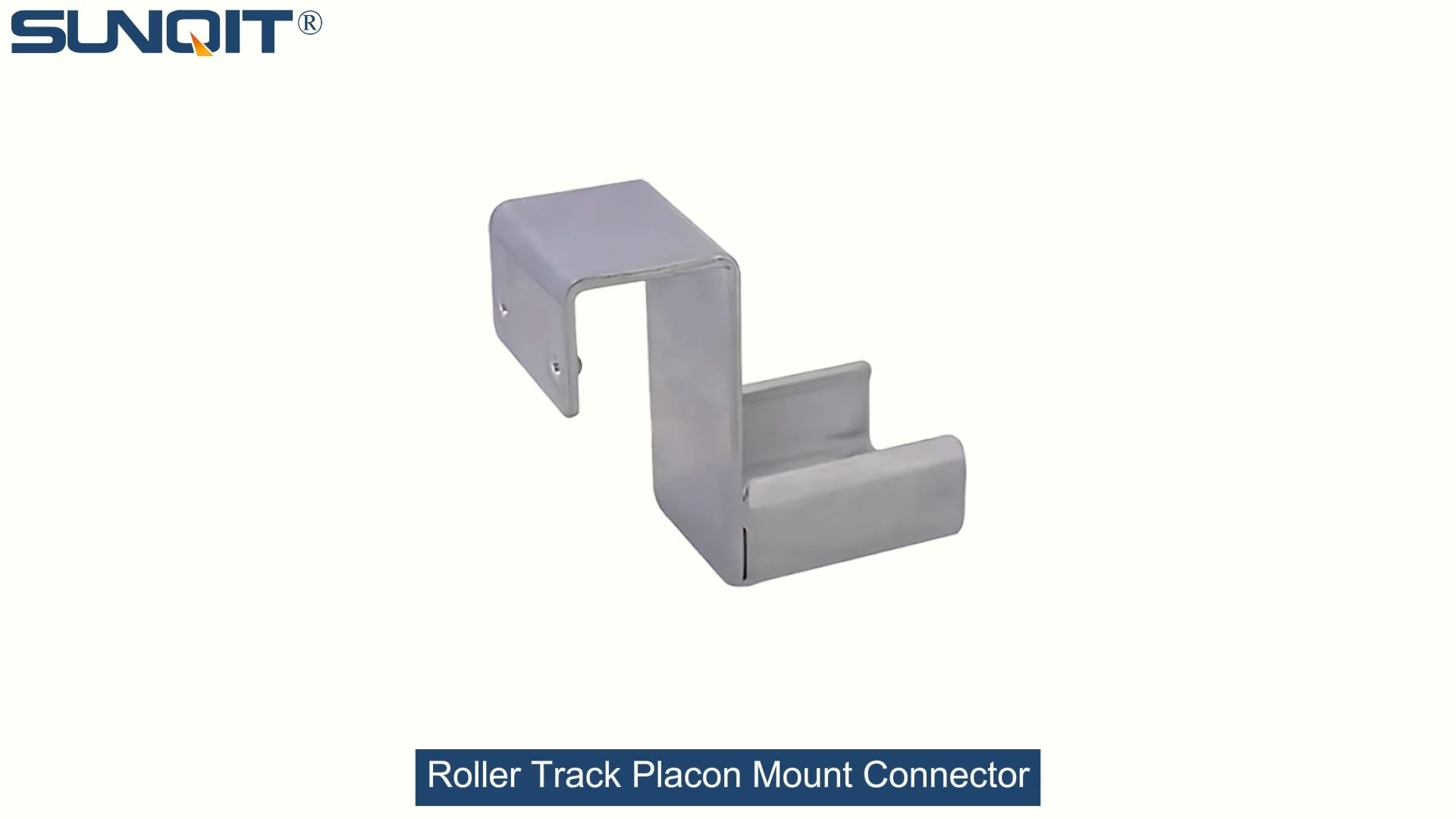
Roller Track Placon Mount Connector
Roller track placon mount work as a connector for roller track and pipe or aluminum profile in rack syetem, it is a necessary parts in rack system which widely used in industrial plant and logistic,warehouse storage.
Navigating Costs Without Compromising Quality in Lean Manufacturing Systems
Understanding Roller Track Placon Mount Connectors in Modern Lean Systems
In the fast-paced world of manufacturing, efficiency isn't just a goal—it's the backbone of profitability. Lean systems, built on principles of minimizing waste and maximizing productivity, rely heavily on precision components that work seamlessly together. Among these critical components, roller track placon mount connectors might not always grab the spotlight, but they play a pivotal role in keeping operations running smoothly. These small yet essential parts are the unsung heroes that hold roller tracks in place, ensuring materials glide effortlessly through assembly lines, warehouses, and distribution centers.
Whether you're setting up a new flow rack, upgrading a conveyor system, or customizing a lean pipe workstation, choosing the right roller track placon mount connector is key. But with so many options on the market—varying in material, design, and price—how do you balance quality and cost? This guide breaks down everything you need to know about roller track placon mount connectors, from their types and applications to a detailed price comparison of budget-friendly options in 2025.
Types of Roller Track Placon Mount Connectors: Which One Fits Your Needs?
Roller track placon mount connectors come in a range of designs, each tailored to specific applications and load requirements. Understanding the differences between them is the first step in making an informed purchase. Here are the most common types you'll encounter:
1. Roller Track Placon Mount for Rail Connection
Designed to link sections of roller track together, these connectors ensure a smooth, gap-free transition for materials. They're ideal for long conveyor lines or flow racks where alignment is critical to prevent jams or product damage. Most are made from durable aluminum or steel, with corrosion-resistant coatings for longevity in industrial environments.
2. Roller Track Placon Mount for Aluminum Profile (High & Flat)
These connectors are specifically engineered to attach roller tracks to aluminum profiles—common in lean pipe systems and modular workstations. The "high" variant raises the track slightly for better clearance, while the "flat" version sits flush, saving space. They're popular in 3C assembly and electronics manufacturing, where precision and clean aesthetics matter.
3. Center Support Bracket & Joints
For longer roller tracks that might sag under heavy loads, center support brackets provide extra stability. Joints, on the other hand, allow for flexibility in track direction, making them perfect for curved conveyor paths or multi-directional flow racks. These are workhorses in automotive and logistics industries, where durability under constant use is non-negotiable.
4. End Support with Stop & Wheel
End supports are the final piece of the puzzle, securing the ends of roller tracks to prevent materials from sliding off. Models with a "stop" feature use a rigid barrier, while those with a "wheel" allow for gentle redirection—useful in sorting areas of warehouses. They're often paired with ESD (Electrostatic Discharge) components in sensitive environments like medical device production.

Factors Influencing Roller Track Placon Mount Connector Prices
Before diving into price comparisons, it's important to understand why costs vary. Several factors can impact the price of roller track placon mount connectors, and being aware of these will help you identify true budget options versus false economies. Here's what to consider:
Material Quality
Aluminum is the most common material, offering a balance of strength and lightweight design. Stainless steel variants are pricier but ideal for corrosive environments (e.g., food processing). Plastic connectors are the cheapest but best suited for light loads and low-use scenarios. For most lean systems, aluminum strikes the best cost-quality balance.
Design Complexity
Basic straight connectors are more affordable than articulated or adjustable models. Custom designs, such as those with ESD protection or locking mechanisms, will also drive up costs. If your application doesn't require special features, sticking to standard designs can save you 20-30%.
Order Quantity
Bulk purchasing almost always leads to discounts. Suppliers often offer tiered pricing: the more you buy, the lower the per-unit cost. For example, ordering 100+ connectors might reduce the price by 15% compared to buying 10 at a time. If you're planning a large-scale project, factor this into your budget.
Supplier Expertise
Suppliers specializing in lean systems and roller track components often have more competitive pricing due to economies of scale. They may also offer bundled deals if you're purchasing other parts like lean pipe, flow racks, or conveyors—further lowering overall costs.

2025 Roller Track Placon Mount Connector Price Comparison Table
To help you find the best budget options, we've compiled a price comparison of popular roller track placon mount connectors. Prices are based on average market rates for bulk orders (50+ units) from reputable suppliers, excluding shipping.
| Connector Type | Material | Key Features | Average Price Range (USD/Unit) | Best For |
|---|---|---|---|---|
| Roller Track Placon Mount for Rail Connection | Aluminum | Standard duty, corrosion-resistant | $4.50 – $6.20 | Conveyor lines, straight flow racks |
| Roller Track Placon Mount for Aluminum Profile (Flat) | Aluminum | Flush mounting, compatible with 4040 profiles | $5.10 – $7.30 | Lean pipe workstations, 3C assembly |
| Roller Track Placon Mount for Aluminum Profile (High) | Aluminum | Raised design, extra clearance | $5.80 – $8.10 | Multi-level flow racks, tall conveyors |
| Center Support Bracket | Steel-Reinforced Aluminum | Heavy-duty, supports up to 50kg/m | $7.20 – $9.50 | Long roller tracks, automotive parts handling |
| End Support with Stop | Aluminum | Rigid barrier, ESD-safe option available | $3.80 – $5.50 | Medical device assembly, sensitive electronics |
| End Support with Wheel | Aluminum + Nylon Wheel | Gentle redirection, low friction | $4.20 – $6.10 | Warehouse sorting, package distribution |
| 90° Joint Connector | Aluminum | Adjustable angle, compatible with most tracks | $6.50 – $8.80 | Curved conveyor paths, corner flow racks |
Note: Prices are approximate and may vary based on supplier, location, and order quantity. Always request a quote for your specific needs.

Top Budget-Friendly Roller Track Placon Mount Connectors for 2025
Based on the price comparison and market trends, here are the best budget options for common applications. These choices prioritize affordability without sacrificing the durability needed for daily use in lean systems:
1. Standard Aluminum Rail Connection Connector
At $4.50–$6.20 per unit, this is the most economical choice for basic conveyor and flow rack setups. Made from high-grade aluminum, it's strong enough for medium loads (up to 30kg/m) and works with standard roller tracks. Perfect for small manufacturers or startups on a tight budget.
2. Flat Aluminum Profile Mount Connector
Priced at $5.10–$7.30, this connector is a staple for lean pipe workstations. Its flush design saves space, and it's compatible with most aluminum profiles (3030, 4040). If you're building modular workbenches or lightweight assembly lines, this is a cost-effective pick.
3. End Support with Stop (Non-ESD)
For $3.80–$5.50, this end support offers reliable protection without the added cost of ESD features. It's ideal for non-sensitive environments like general warehousing or plastic parts manufacturing. Pair it with the rail connection connector for a complete, budget-friendly track system.
Pro Budget Tip: Bundle Your Purchase
Many suppliers offer discounts when you buy connectors alongside other lean system components. For example, purchasing roller track placon mount connectors with lean pipe, flow racks, or conveyors could reduce your total bill by 10–25%. If you're planning a full system upgrade, ask about bundled pricing—it's one of the easiest ways to save.
Real-World Applications: Where These Connectors Make a Difference
Roller track placon mount connectors aren't just abstract parts—they solve real problems in manufacturing and logistics. Here are a few examples of how budget-friendly connectors can still deliver top-tier performance:
Case 1: 3C Assembly Line Upgrade
A mid-sized electronics manufacturer needed to upgrade their smartphone assembly line to handle higher volumes. By using standard aluminum rail connection connectors ($5.20/unit) and flat profile mounts ($6.10/unit), they built a modular flow rack system that reduced material handling time by 18%. The total cost for connectors was under $800, a fraction of the price of a custom-built system.
Case 2: Warehouse Logistics Optimization
A regional distribution center wanted to improve order picking efficiency. They installed 50+ roller tracks using end supports with wheels ($5.30/unit) and 90° joint connectors ($7.80/unit). The new system cut down on manual lifting, reducing worker fatigue and increasing throughput by 22%. The connectors paid for themselves in 3 months through labor savings.
Case 3: Medical Device Workstation
A medical equipment maker needed ESD-safe workstations for sensitive component assembly. They opted for end supports with stop (ESD version, $5.50/unit) and aluminum profile mounts ($6.80/unit). The ESD protection prevented static damage to parts, reducing waste by 15%. Despite the ESD feature, the connectors remained budget-friendly by choosing standard designs.
Buying Guide: How to Choose the Right Budget Connector
With so many options, selecting the right roller track placon mount connector can feel overwhelming. Follow these steps to ensure you get the best value for your money:
Step 1: Assess Your Load and Environment
Calculate the maximum weight your roller track will carry and note any environmental factors (moisture, chemicals, ESD sensitivity). This will narrow down material and feature needs—no need to pay for stainless steel if you're handling lightweight plastic parts in a dry warehouse.
Step 2: Check Compatibility
Ensure the connectors fit your existing roller tracks and profiles. Most suppliers provide compatibility charts—double-check dimensions (e.g., track width, profile size) before ordering. Mismatched parts lead to wasted money and downtime.
Step 3: Compare Supplier Reviews
Price isn't everything. Look for suppliers with strong reviews for durability and customer service. A slightly pricier connector from a reputable supplier may last twice as long as a cheap, untested alternative—saving you money in replacements.
Step 4: Ask About Warranties
Even budget connectors should come with a warranty (typically 1–2 years). This protects you from defective parts and shows the supplier stands behind their products. Avoid suppliers that don't offer warranties—they're rarely worth the risk.
Conclusion: Balancing Quality and Cost in Lean Systems
Roller track placon mount connectors may be small, but they're essential to the efficiency of lean manufacturing systems. By understanding the types available, the factors that influence pricing, and how to compare options, you can find budget-friendly connectors that don't compromise on performance. Whether you're building a new flow rack, upgrading a conveyor, or assembling a lean pipe workstation, the key is to prioritize your specific needs—avoid overpaying for unnecessary features, and take advantage of bulk or bundled discounts.
In 2025, the most successful manufacturers will be those who optimize every component of their operations—including the humble roller track placon mount connector. With the right budget options, you can keep costs low while keeping your lean system running at peak efficiency.