- Company Articles
- Products and Technology
- Procurement Guidelines
- Roller Track Placon Mount Connector Sourcing Guide: Quality vs. Cost

Roller Track Placon Mount Connector Sourcing Guide: Quality vs. Cost
Related Product
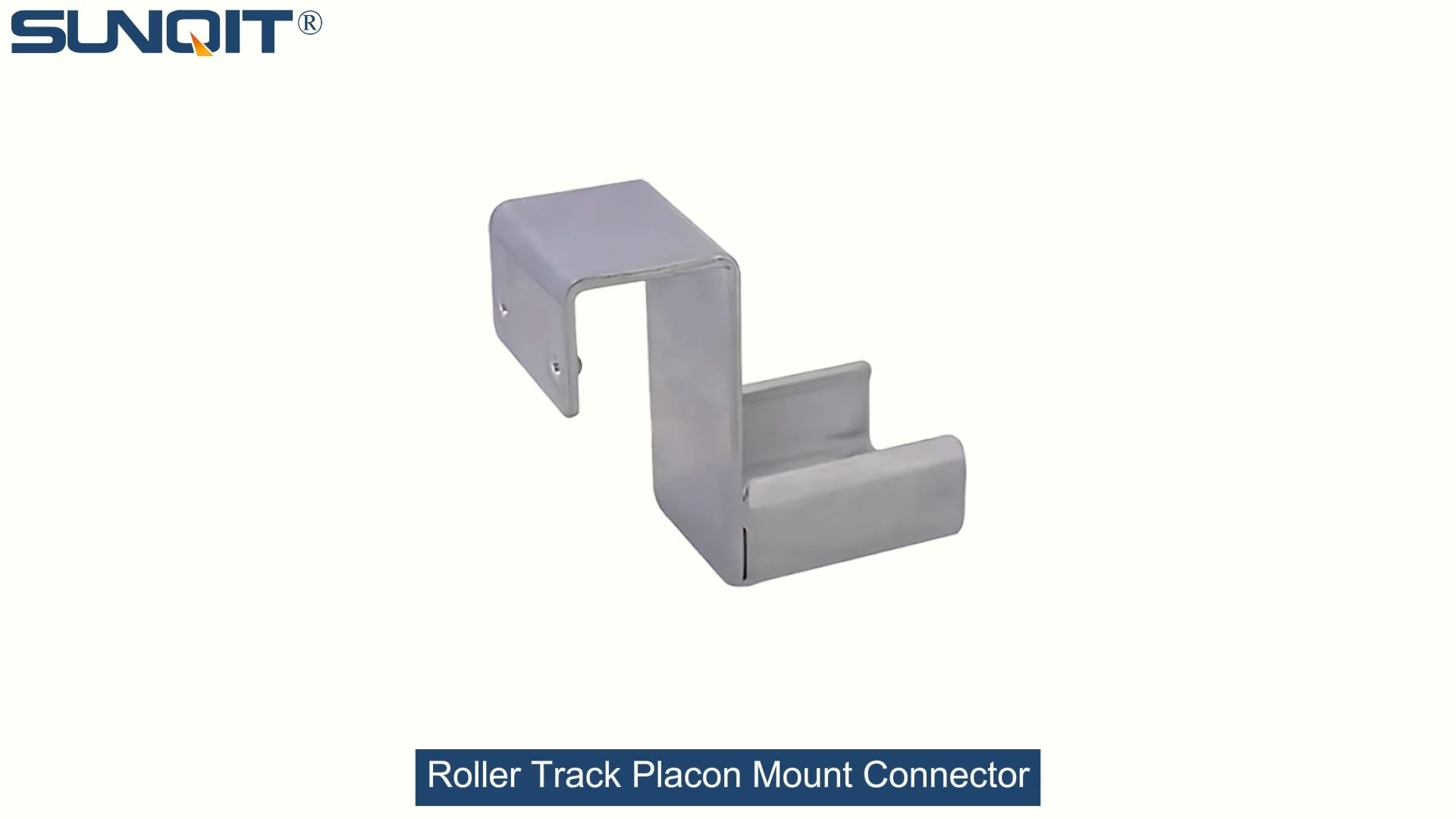
Roller Track Placon Mount Connector
Roller track placon mount work as a connector for roller track and pipe or aluminum profile in rack syetem, it is a necessary parts in rack system which widely used in industrial plant and logistic,warehouse storage.
Roller Track Placon Mount Connector Sourcing Guide: Quality vs. Cost
Ever stood at the end of a production line, watching a conveyor stutter to a halt? More often than not, the culprit isn't a massive machine failure—it's something tiny: a loose connector. That unassuming roller track placon mount connector you picked to save a few dollars last quarter? It just cost your team 8 hours of downtime and a missed order deadline. Sourcing these components isn't just about checking "buy" on a procurement list; it's about balancing the invisible costs of poor quality against the pressure to stay under budget. Let's walk through how to get it right.
Why This Tiny Connector Matters More Than You Think
Think of your production line as a symphony. Your conveyor systems, workbenches, and flow racks are the musicians—but the connectors? They're the sheet music keeping everyone in rhythm. A flimsy roller track placon mount connector might seem harmless on paper, but when it bends under pressure or wears out after 3 months, the whole orchestra falls apart. In 3C assembly plants, where millimeters matter, a misaligned connector can throw off component placement. In warehouse logistics, a failed joint can derail a cart loaded with inventory, risking both product damage and worker safety.
And let's talk numbers: A 2-hour line stoppage in a mid-sized factory costs an average of $22,000 in lost output. Multiply that by three stoppages a year from cheap connectors, and suddenly that "budget-friendly" $5 part is costing you $66,000. Not exactly the savings you had in mind, right?
Quality: What to Look for Beyond the Price Tag
When evaluating connectors, quality isn't just a buzzword—it's a set of tangible traits that directly impact your day-to-day operations. Here's how to spot the difference between a part that lasts and one that becomes a headache:
1. Material Matters: Aluminum's Silent Advantage
Most connectors today are made from aluminum, and for good reason. Unlike plastic variants that crack under UV exposure or steel that rusts in humid workshops, aluminum strikes that sweet spot of strength and durability. Look for aluminum profile accessories that use high-grade 6063 aluminum alloy—it's lightweight, corrosion-resistant, and offers the tensile strength needed for repetitive use. Ask suppliers for material certificates: A reputable vendor will happily share alloy composition reports to back their claims.
2. Design: It's All in the Details
A well-designed connector should do two things effortlessly: fit perfectly with your existing lean system and handle the load you throw at it. Check for precision machining—no rough edges that could snag gloves or damage products. The best placon mount connectors will have adjustable mounting points to accommodate slight variations in track alignment, saving your team hours of frustration during installation. And don't overlook load ratings: A connector rated for 50kg might work for small electronics, but warehouse applications need 200kg+ capacity to avoid mid-shift failures.
3. Testing: Does It Walk the Talk?
Any supplier can claim their product is "durable," but proof comes from testing. Ask about cycle tests—how many times can the connector pivot or bear weight before showing wear? A quality part should withstand 10,000+ cycles without deformation. For industries like medical device manufacturing, look for ESD (Electrostatic Discharge) certification to ensure the connector won't damage sensitive components. Remember: A $10 connector with test data is a safer bet than a $7 one with vague promises.
Cost: The Hidden Price of "Cheap" Connectors
Let's be honest—cost is always a factor. But focusing solely on the upfront price is like judging a car by its sticker price without checking the fuel efficiency or maintenance costs. Here's why total cost of ownership (TCO) matters more:
- Installation Time: A poorly designed connector with misaligned holes can take twice as long to install. If your team spends 4 extra hours per assembly line on installation, that's 240 labor hours a year for a 6-line facility—costing you $12,000+ in wages alone.
- Replacement Cycles: A $5 connector that lasts 6 months vs. a $12 one that lasts 3 years? The "cheap" option actually costs 2.5x more over time when you factor in replacement parts and downtime.
- Opportunity Cost: Every minute your team spends fixing a failed connector is a minute they're not optimizing your lean solution or improving production flow. Those lost opportunities add up fast.
Striking the Balance: Real-World Examples
Still on the fence? Let's look at two scenarios we've seen play out with clients:
Case 1: The "Budget" Gamble
A consumer electronics manufacturer opted for $3 plastic connectors to cut costs on their flow racks. Within 4 months, 15% of connectors cracked, causing weekly jams. The maintenance team spent 12 hours monthly replacing parts, and a critical order was delayed when a connector failure stopped the line. Total cost after 1 year: $4,500 in replacement parts + $7,200 in labor + $22,000 in lost orders = $33,700 .
Case 2: Investing in Quality
A medical device plant chose $11 aluminum connectors with ESD certification. Installation took 30% less time due to precision fit. Over 2 years, zero replacements were needed, and their lean system ran at 99.8% uptime. Total cost after 2 years: $2,200 in initial parts + $0 maintenance = $2,200 .
Your Go-To Quality Assessment Checklist
To make sourcing easier, we've put together a quick checklist to run through before placing an order. Print this out, and you'll never second-guess a connector purchase again:
| Quality Factor | What to Ask/Check | Red Flag |
|---|---|---|
| Material | Is it 6063 aluminum alloy? Ask for a material certificate. | Supplier hesitates to provide alloy specs. |
| Load Rating | Does the rating match your needs (e.g., 100kg for 3C, 200kg for logistics)? | Rating is listed as "up to X" without test data. |
| Compatibility | Does it fit your existing roller track and aluminum profiles? | Generic "one-size-fits-all" claims with no specific profile compatibility. |
| Certifications | ESD compliant? RoHS certified for electronics manufacturing? | No certifications mentioned on the product page. |
| Warranty | At least 12-month warranty against defects? | Warranty is less than 6 months or excludes "normal wear." |
Choosing the Right Supplier: More Than Just a Vendor
Great connectors come from great suppliers—and the best ones act like partners, not just order-takers. Here's how to separate the reliable from the risky:
- Ask for Custom Solutions: A supplier that offers lean solution expertise can help you optimize connector design for your specific line. For example, if you need connectors for a curved conveyor, they should adjust the angle without charging exorbitant fees.
- Check Their Track Record: Look for reviews or case studies from manufacturers in your industry. A supplier who's worked with automotive plants might not understand the ESD needs of 3C assembly—niche experience matters.
- Test Before Committing: Request a small sample order first. Install the connectors in your busiest line and monitor performance for 2–4 weeks. A confident supplier will offer a sample discount or even a free trial.
Final Thoughts: Your Production Line Deserves the Best
At the end of the day, every component in your facility—especially the small ones—shapes your ability to meet deadlines, maintain quality, and keep your team happy. Choosing roller track placon mount connectors isn't just about spending money; it's about investing in the reliability of your entire operation. The next time you're comparing quotes, remember: The cheapest option rarely saves you money in the long run. Instead, aim for that sweet spot where quality meets value—and watch your production line (and your bottom line) thrive.
Ready to find connectors that keep up with your ambition? Start by asking suppliers the tough questions, testing samples, and prioritizing partners who understand your unique needs. Your future self (and your production metrics) will thank you.