- Company Articles
- Products and Technology
- Application Cases
- Roller Track Placon Mount Joints in 3C Repair and Refurbishment Lines

Roller Track Placon Mount Joints in 3C Repair and Refurbishment Lines
Related Product
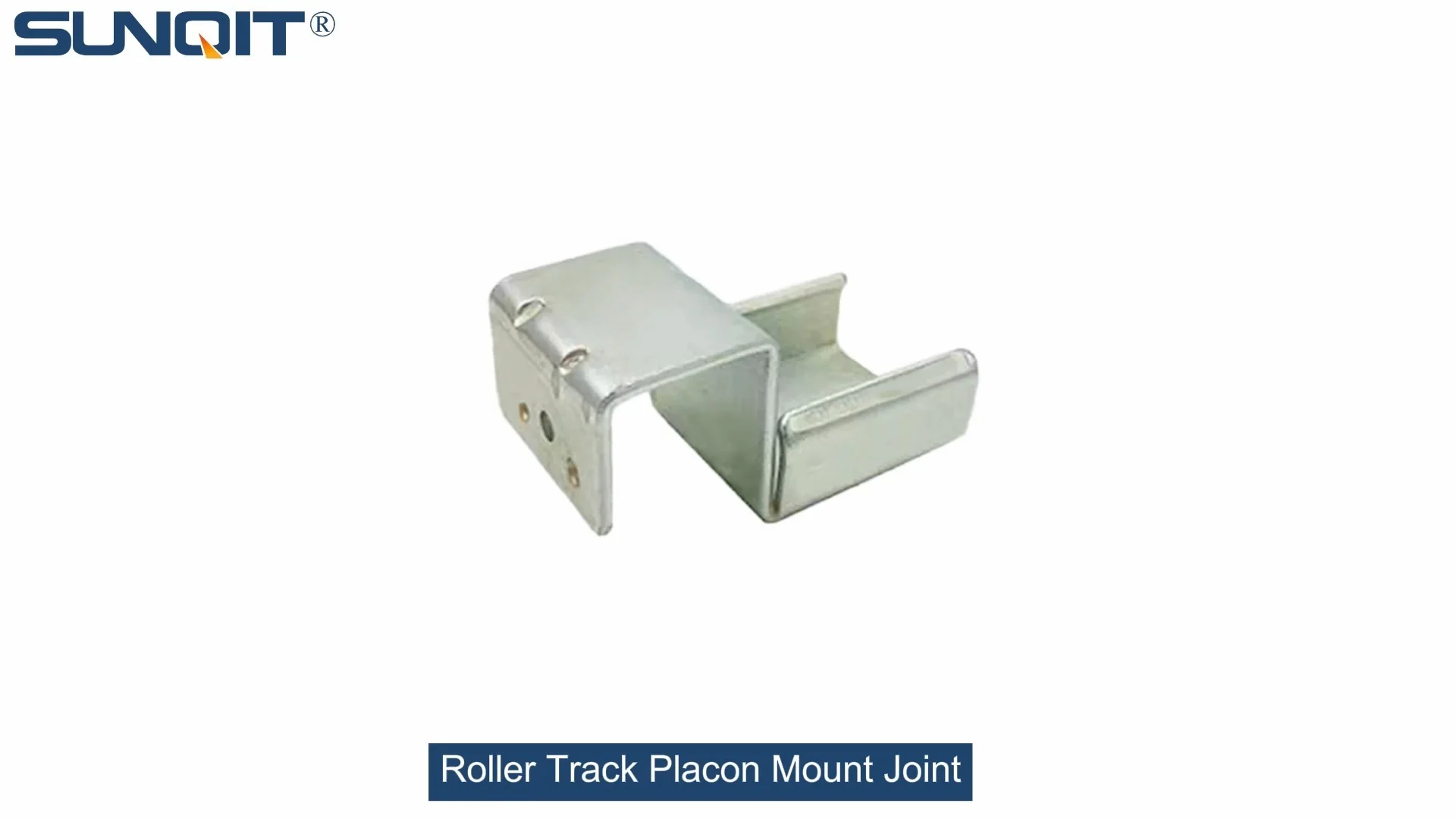
Roller Track Placon Mount Joint
Roller track placon mount work as a connector for roller track and pipe or aluminum profile in rack syetem, it is a necessary parts in rack system which widely used in industrial plant and logistic,warehouse storage.
Step into any modern 3C repair and refurbishment facility, and you'll quickly realize the heartbeat of its efficiency lies in the seamless flow of materials. From disassembling a cracked smartphone screen to testing a refurbished laptop's motherboard, every step demands precision, speed, and adaptability. In an industry where product lifecycles shrink by the month and customer expectations for quick turnarounds soar, traditional rigid production lines simply can't keep up. This is where lean manufacturing components—specifically, roller track placon mount joints—step in as unsung heroes, quietly transforming chaotic workspaces into synchronized hubs of productivity.
3C products—computers, communications, and consumer electronics—are delicate, diverse, and ever-evolving. A single repair line might handle everything from tiny smartwatch batteries to bulky tablet casings, each requiring unique handling. Add to this the pressure to minimize waste, reduce downtime, and stay agile enough to switch between models, and it's clear: the backbone of a successful 3C repair operation isn't just skilled technicians, but the infrastructure that supports them. Roller track placon mount joints, paired with lean pipe workbenches, flow racks, and conveyors, form this backbone, turning static workspaces into dynamic ecosystems where every component works in harmony.
The Unique Challenges of 3C Repair & Refurbishment Lines
To understand why roller track placon mount joints have become indispensable, let's first unpack the hurdles 3C repair lines face daily:
- Mix of Tiny and Bulky Materials: A typical repair station juggles microchips the size of a fingernail, heavy battery packs, and fragile glass panels. Traditional fixed racks or non-adjustable tracks often lead to jams, damage, or wasted time searching for tools.
- Frequent Product Switches: When a new smartphone model hits the market, repair protocols change. Lines must reconfigure quickly to accommodate new part sizes or testing steps—rigid infrastructure can't keep pace.
- Precision Handling: A misaligned roller can scratch a display or misposition a circuit board, ruining hours of work. Components need to glide smoothly, stopping exactly where technicians need them.
- Space Constraints: Urban repair facilities rarely have room for sprawling layouts. Every square foot must multitask, from storage to assembly to testing.
These challenges aren't just operational—they hit the bottom line. Downtime from jams, rework from damaged parts, or lost productivity from inefficient layouts eat into profit margins. This is where lean solutions, centered on adaptable components like roller track placon mount joints, make all the difference.
Roller Track Placon Mount Joints: The Unsung Heroes of Smooth Flow
At first glance, a roller track placon mount joint might seem like a simple piece of hardware—a small connector linking sections of roller track. But in reality, it's the linchpin that ensures (materials) move seamlessly through the repair line. Let's break down why these joints are game-changers:
1. Modularity: Build, Adjust, Repeat
Unlike welded or permanently fixed joints, roller track placon mount joints are designed for quick assembly and disassembly. Made from durable aluminum, they attach to aluminum profiles or lean pipes with minimal tools—no welding, no drilling, no waiting for a maintenance crew. This means when a repair line needs to shift from repairing tablets to smartwatches, technicians can reconfigure the roller tracks in minutes, not days.
For example, a lean pipe workbench in the disassembly area might use these joints to connect short roller track sections, allowing technicians to slide devices from one station to the next without lifting. If a new, thicker phone case requires a wider track, simply loosen the joint, adjust the spacing, and tighten—done.
2. Compatibility: Works with Your Existing Lean Ecosystem
One of the biggest frustrations in manufacturing is investing in components that don't play well with others. Roller track placon mount joints eliminate this by integrating seamlessly with other lean staples:
| Lean Component | How Roller Track Placon Mount Joints Enhance It |
|---|---|
| Flow Racks | Connects roller tracks in multi-tiered flow racks, ensuring parts like screws or charging ports slide forward as top tiers empty—no more reaching to the back of a shelf. |
| Conveyors | Links conveyor sections on assembly lines, maintaining consistent speed and alignment to prevent jostling delicate components like camera lenses. |
| Lean Pipe Workbenches | Attaches side-mounted roller tracks to workbenches, letting technicians push completed assemblies to the next station with a gentle nudge. |
This compatibility means you don't have to overhaul your entire line to upgrade—just swap out outdated joints for these adaptable ones and watch your existing equipment perform better.
3. Durability: Built for the Rigors of 3C Repair
3C repair lines are busy places. Parts drop, cleaning solvents spill, and tracks see constant use. Roller track placon mount joints are built to withstand this chaos. Their aluminum construction resists corrosion from cleaning agents, while precision-machined connections ensure a tight fit that won't loosen over time—even with thousands of daily operations. Unlike plastic alternatives that crack or metal joints that rust, these aluminum joints keep rolling smoothly for years, reducing replacement costs and downtime.
4. Smooth Material Flow: No More Stalls or Snags
Ever watched a conveyor belt stutter because a roller was misaligned? In 3C repair, a single snag can scratch a $500 display or misplace a $200 circuit board. Roller track placon mount joints solve this with their engineered design: each joint holds roller tracks in perfect alignment, ensuring materials glide at a steady pace. Whether it's a lightweight SIM card tray or a heavier laptop base, the joint's stable connection prevents tilting or jamming, keeping the line moving and parts intact.

Real-World Applications: A Day in the Life of a 3C Repair Line
Let's walk through a typical repair line to see how roller track placon mount joints, paired with lean pipe workbenches, flow racks, and conveyors, transform chaos into efficiency.
Scenario: Refurbishing Used Smartphones
Step 1: Incoming Inspection (Flow Rack & Roller Track Joints)
Used phones arrive in bulk and are sorted by model. They're placed on a flow rack where roller tracks, connected by placon mount joints, guide each phone to an inspection station. The joints ensure the phones roll gently, preventing screen cracks during transport. Inspectors flag issues (e.g., "cracked screen," "dead battery") and place the phones in color-coded bins on the same flow rack—no need to carry heavy bins across the floor.
Step 2: Disassembly (Lean Pipe Workbench & Roller Tracks)
Phones move to a lean pipe workbench fitted with roller track sections connected by placon mount joints. Technicians use the workbench's ESD (electrostatic discharge) surface to prevent static damage while removing batteries and screens. Once disassembled, parts like cameras or motherboards are placed on small trays that slide along the roller tracks to the next station—no more fumbling with parts or cluttering the workspace.
Step 3: Part Cleaning & Testing (Conveyor with Joints)
Cleaned parts travel via conveyor to testing stations. Here, roller track placon mount joints keep the conveyor tracks aligned, ensuring motherboards glide under testing equipment without shifting. If a part fails, a quick adjustment to the joint redirects it to a rework area—no stopping the entire line.
Step 4: Reassembly & Packaging (Adjustable Roller Tracks)
Finally, refurbished phones are reassembled on another lean pipe workbench. Completed devices slide along roller tracks (again, connected by placon mount joints) to packaging. If a new phone model with a larger frame arrives, the joints allow the tracks to widen in minutes, accommodating the change without disrupting production.
By the end of the day, this line has processed 50% more phones than before installing roller track placon mount joints—with fewer damaged parts and happier technicians who aren't wasting time on manual lifting or unjamming tracks.

Why Lean Solutions Matter in 3C Repair: Sustainability & Cost Savings
Beyond speed and efficiency, roller track placon mount joints align with the core of lean manufacturing: "," (reusable, continuously improvable). In an industry where e-waste is a growing concern, these joints help repair facilities reduce their environmental footprint while cutting costs.
Sustainability: Reduce, Reuse, Reconfigure
Traditional fixed infrastructure often ends up in landfills when lines reconfigure. Roller track placon mount joints, however, are reusable. When a line is retired, the joints can be (removed), cleaned, and reinstalled elsewhere—saving on raw materials and reducing waste. Their aluminum construction is also fully recyclable, aligning with global efforts to make manufacturing greener.
Cost Savings: Less Downtime, Lower Labor Costs
Every minute a line is down costs money. With roller track placon mount joints, reconfiguration takes minutes, not days, slashing downtime. Labor costs drop too: technicians spend less time moving parts manually and more time on skilled repair work. Plus, the durability of these joints means fewer replacements—over time, the initial investment pays for itself in reduced maintenance and higher output.

More Than Just Joints: Building a Future-Proof Repair Line
Roller track placon mount joints might be small, but their impact on 3C repair and refurbishment lines is enormous. They're not just connectors—they're enablers of agility, precision, and sustainability. When paired with lean pipe workbenches, flow racks, and conveyors, they turn static facilities into dynamic hubs that can adapt to new models, new technologies, and new challenges.
In the fast-paced world of 3C repair, where every second and every part counts, investing in the right lean components isn't a luxury—it's a necessity. Roller track placon mount joints prove that sometimes, the smallest parts make the biggest difference. So, the next time you pick up a refurbished phone or tablet, remember: behind its smooth performance is a line kept moving by the quiet efficiency of these unsung heroes.