- Company Articles
- Products and Technology
- Application Cases
- Roller Track Placon Mount Joints in Automotive Manufacturing: Efficiency Boosters

Roller Track Placon Mount Joints in Automotive Manufacturing: Efficiency Boosters
Related Product
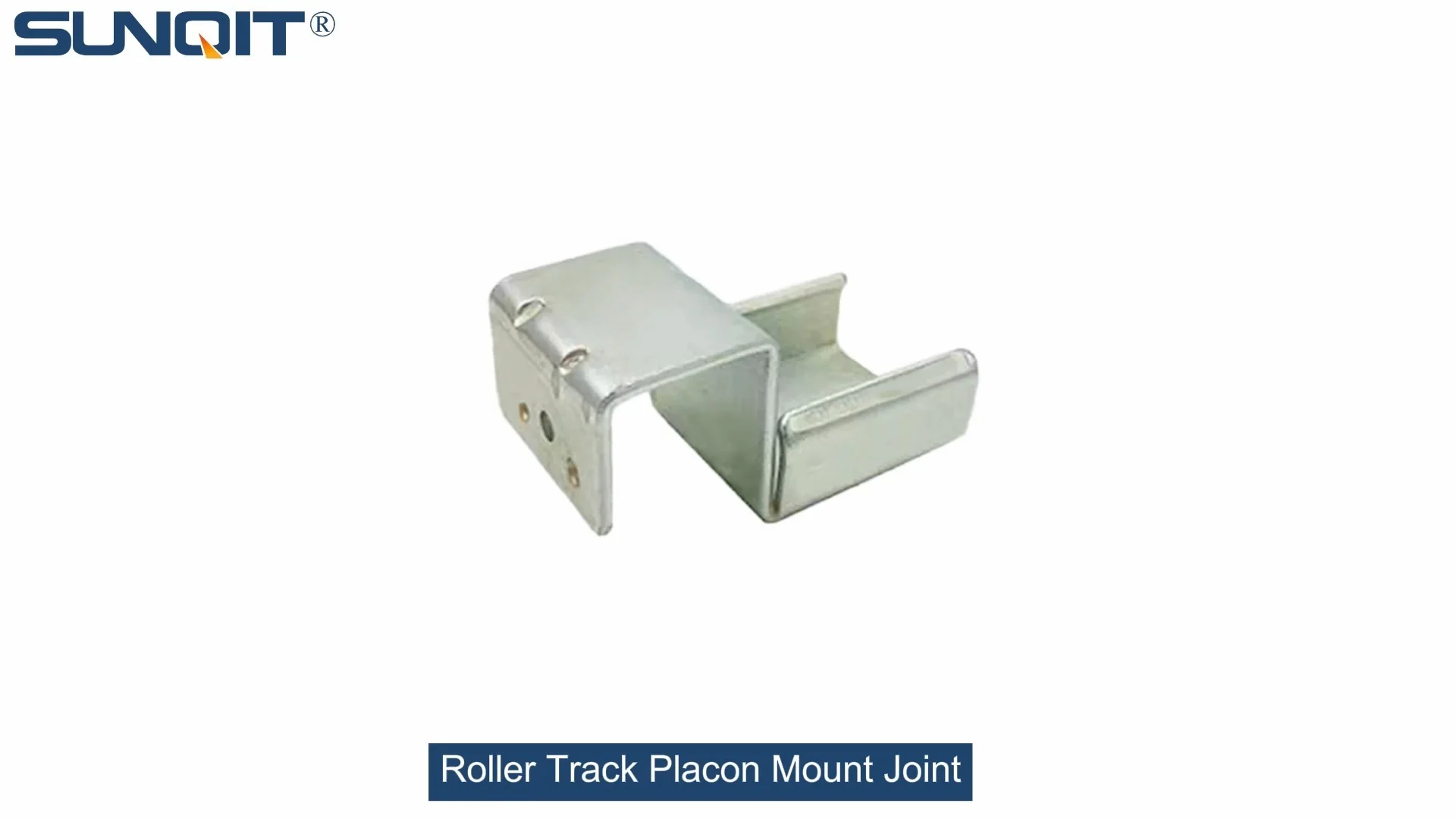
Roller Track Placon Mount Joint
Roller track placon mount work as a connector for roller track and pipe or aluminum profile in rack syetem, it is a necessary parts in rack system which widely used in industrial plant and logistic,warehouse storage.
In the fast-paced world of automotive manufacturing, every second counts. Production lines hum with the pressure to meet tight deadlines, adapt to frequent model changes, and maintain consistent quality—all while keeping costs in check. One of the unsung heroes behind smooth operations? The small but mighty components that hold everything together. Today, we're diving into how roller track placon mount joints are transforming automotive production floors, working hand-in-hand with lean systems to turn bottlenecks into streamlined workflows.
Why Roller Track Placon Mount Joints Matter in Automotive Plants
Think about a typical automotive assembly line: thousands of parts—from tiny screws to heavy engine components—need to move seamlessly from storage to workstations, then to final assembly. Any hiccup in this flow can throw off the entire schedule. Traditional fixed-track systems often struggle here—they're rigid, hard to adjust, and time-consuming to repair. That's where placon mount joints step in.
These joints are the "flexible backbone" of roller track systems. Designed with precision, they connect roller tracks, guide rails, and supports in a way that's both sturdy and adaptable. Whether you're moving delicate electronics or bulky metal parts, these joints ensure the track stays aligned, stable, and ready to handle the demands of 24/7 production. But their real superpower? They make change easy.
In automotive manufacturing, model updates and customizations are constant. A single production line might switch between SUVs, sedans, and electric vehicles in a matter of weeks. With placon mount joints, adjusting roller tracks to fit new part sizes or workflow layouts doesn't require dismantling the entire system. A few tweaks, and the line is ready to go—minimizing downtime and keeping productivity high.
How Placon Mount Joints Work with Other Lean System Components
No component works alone in a lean manufacturing setup. Roller track placon mount joints shine brightest when integrated with other tools like conveyors , flow racks , and lean pipe workbenches . Let's break down this teamwork:
1. With Conveyors: Keeping the Flow Uninterrupted
Conveyors are the arteries of the production line, moving parts between stations. But if the connection between a conveyor and a roller track is weak, parts can get stuck or jostled—risking damage or delays. Placon mount joints eliminate this by creating a smooth transition. Their low-profile design ensures parts glide from conveyor to track without friction, even at high speeds. For example, in engine assembly, where precision is critical, these joints keep heavy engine blocks moving steadily toward the next workstation, reducing the chance of misalignment during transfer.
2. With Flow Racks: Speeding Up Parts Access
Flow racks are a staple in automotive warehouses, storing parts like bolts, gaskets, and wiring harnesses for quick access. When paired with placon mount joints, these racks become even more efficient. The joints allow the roller tracks on the racks to be angled perfectly—ensuring parts "flow" to the front as soon as the top bin is empty. Workers spend less time reaching for parts and more time assembling, cutting down on idle moments that add up over a shift.
3. With Lean Pipe Workbenches: Building Flexible Workstations
Workstations are where the magic happens—where workers assemble dashboards, install wiring, or test components. A lean pipe workbench needs to be sturdy enough to hold tools and parts but flexible enough to adapt to different tasks. Placon mount joints secure the roller tracks under the workbench, creating a built-in delivery system for parts. Need to reposition the track to better suit a worker's height? Just loosen the joint, adjust, and tighten—no tools required. It's small changes like this that make workstations more ergonomic and workers more efficient.

Real Impact: A Side-by-Side Comparison
Curious how much difference these joints can make? Let's look at a real-world scenario. A mid-sized automotive parts supplier was struggling with their old roller track system: frequent jams, 45-minute downtime for track adjustments, and high maintenance costs. After switching to roller tracks with placon mount joints, here's what changed:
| Metric | Before Placon Mount Joints | After Placon Mount Joints | Improvement |
|---|---|---|---|
| Downtime for Track Adjustments | 45 minutes per changeover | 10 minutes per changeover | 78% reduction |
| Monthly Maintenance Costs | $1,200 (repairs/replacements) | $300 (minor adjustments) | 75% reduction |
| Track Reliability (Jams per Week) | 8-10 jams | 1-2 jams | 85% improvement |
| Worker Satisfaction (Survey Score) | 6/10 ("Frustrating to adjust") | 9/10 ("Quick and easy to use") | 50% increase |
These numbers tell the story: placon mount joints don't just fix problems—they transform how teams work. When workers spend less time fighting with equipment and more time adding value, everyone wins.

Beyond the Line: Custom Solutions for Automotive Challenges
Every automotive plant has unique needs. A luxury car manufacturer might prioritize precision and quiet operation, while a commercial vehicle producer focuses on heavy-duty durability. That's why lean solutions built around placon mount joints aren't one-size-fits-all—they're tailored to the job.
For example, in electric vehicle (EV) production, battery components require ESD (Electrostatic Discharge) protection to avoid damage. Placon mount joints can be paired with ESD-safe roller tracks and workbenches, creating a system that's both flexible and static-free. In automated welding areas, heat-resistant materials in the joints ensure the track stays stable even near high-temperature equipment.
And it's not just about the production line. Automotive plants also rely on efficient warehousing and logistics. Placon mount joints are used in gravity-fed flow racks for quick parts retrieval, in conveyor systems that move finished vehicles to shipping, and even in maintenance areas to organize tools and spare parts. It's a holistic approach to lean manufacturing—one that turns every corner of the plant into an efficiency driver.

Sustainability: Building for the Long Run
Today's automotive industry isn't just about speed and cost—it's about sustainability. Manufacturers are under pressure to reduce waste, reuse resources, and lower their carbon footprint. Placon mount joints align perfectly with this mission.
Unlike disposable fixed joints, these components are built to last. Made from high-quality aluminum and steel, they withstand years of heavy use without breaking down. And when a track system needs an upgrade, the joints can be reused—no need to throw them away. This "reuse, reconfigure, reduce" approach cuts down on waste and keeps materials out of landfills.
Plus, by minimizing downtime and energy use (no more running heavy machinery to rebuild tracks), placon mount joints help plants lower their overall energy consumption. It's a small component, but it adds up to big wins for both the bottom line and the planet.
Final Thoughts: The Efficiency Boost You Can't Ignore
In automotive manufacturing, success comes down to the details. Roller track placon mount joints might not grab headlines, but they're the kind of detail that makes or breaks a production line. They turn rigid systems into flexible ones, long downtimes into quick adjustments, and frustrating workflows into smooth operations.
Whether you're looking to handle frequent model changes, cut maintenance costs, or build a more sustainable plant, these joints deliver. Paired with conveyors, flow racks, and lean pipe workbenches, they form a lean system that's ready to tackle whatever the automotive industry throws its way.
At the end of the day, it's simple: when your equipment works with you, not against you, efficiency isn't just a goal—it's a reality. And in a world where every second counts, that's the competitive edge that matters most.