- Company Articles
- Products and Technology
- Application Cases
- Roller Track Placon Mount Joints in Medical Device Warehousing: Compliance and Safety

Roller Track Placon Mount Joints in Medical Device Warehousing: Compliance and Safety
Related Product
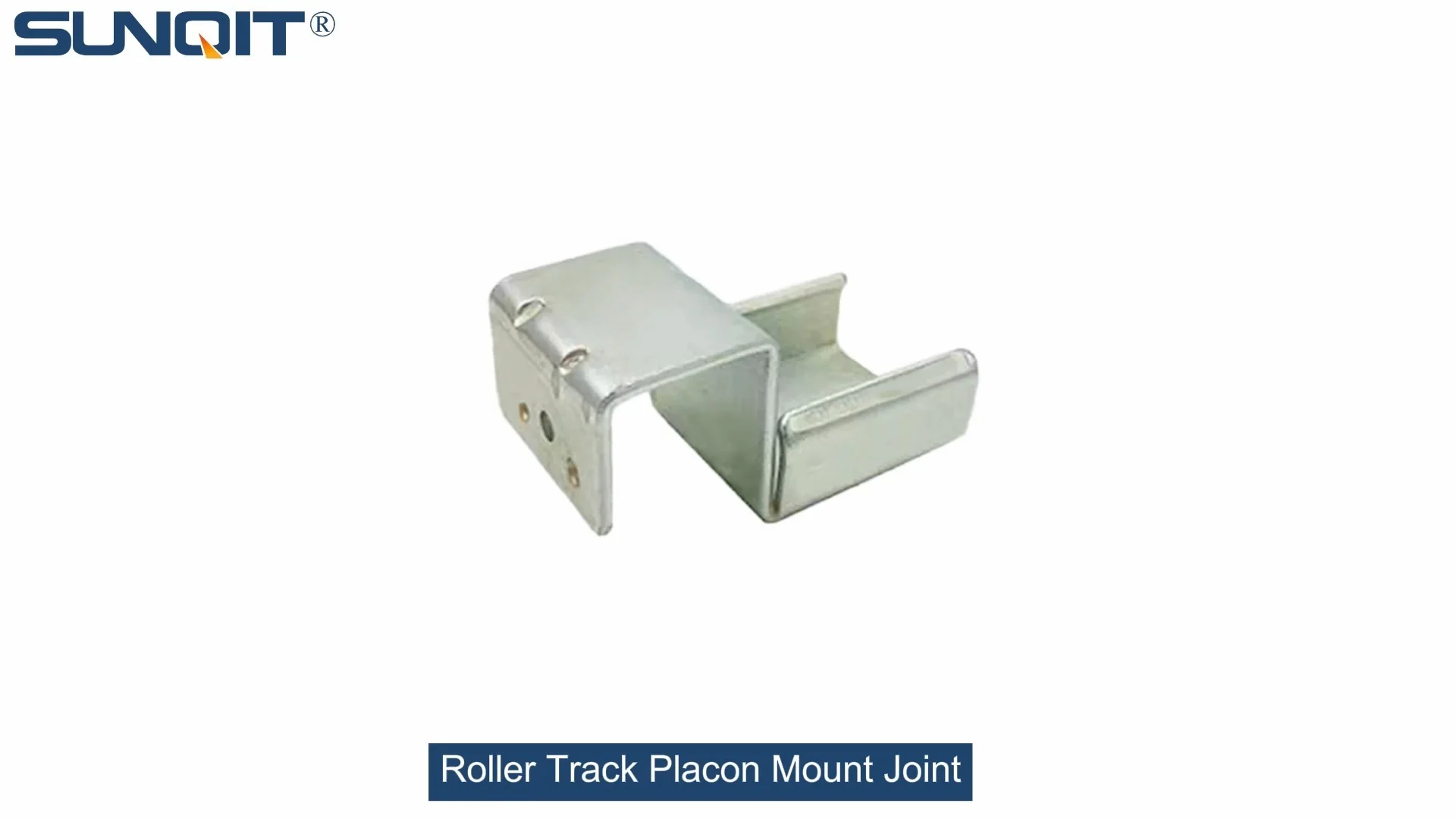
Roller Track Placon Mount Joint
Roller track placon mount work as a connector for roller track and pipe or aluminum profile in rack syetem, it is a necessary parts in rack system which widely used in industrial plant and logistic,warehouse storage.
Walk into any medical device warehouse, and you'll quickly realize it's more than just a storage space—it's a critical link in the chain that connects life-saving equipment to patients. Every box, every shelf, and every piece of material handling equipment plays a role in ensuring that syringes remain sterile, pacemakers stay functional, and surgical tools arrive at hospitals in perfect condition. Among these unsung heroes are the small but mighty components that keep everything moving smoothly: roller track placon mount joints. These unassuming connectors are the backbone of efficient, compliant medical device storage, and their role in maintaining safety and regulatory compliance can't be overstated.
Think about the last time you relied on a medical device—whether it was a simple thermometer or a complex imaging machine. Behind that moment of care is a warehouse where precision, cleanliness, and safety are non-negotiable. Roller track placon mount joints might not be the first thing that comes to mind, but they're the silent guardians ensuring that every step of the storage process meets the strictest standards.
The Compliance Maze: Why Medical Device Warehousing Isn't "Just Storage"
Medical device warehousing operates in a world of strict regulations, and for good reason. A single misstep—like a damaged package or a contaminated instrument—can put patient lives at risk. Regulatory bodies like the FDA (Food and Drug Administration) in the U.S. and the ISO (International Organization for Standardization) with standards like ISO 13485 set the bar high, dictating everything from how products are stored to how equipment is maintained. For warehouse managers, this means every component of their storage system, including roller track placon mount joints, must be designed and maintained to meet these rigorous requirements.
Let's break down what compliance really looks like in this context. FDA's 21 CFR Part 820, for example, mandates that medical device manufacturers (and their suppliers, including warehouses) implement quality systems to ensure products are safe and effective. This includes requirements for "appropriate environmental controls" during storage—meaning temperature, humidity, and cleanliness must be monitored and controlled. ISO 13485 goes further, emphasizing risk management and process validation, which applies directly to how materials are handled within the warehouse. If a roller track joint fails, causing a device to fall and become damaged, that's not just a logistics issue—it's a compliance failure that could trigger audits, fines, or even product recalls.
Roller Track Placon Mount Joints: The "Glue" That Holds Medical Storage Together
So, what exactly are roller track placon mount joints, and why do they matter so much in medical device warehousing? Simply put, these joints are the connectors that attach roller tracks to frames, workbenches, or shelving units, creating the pathways along which medical devices and components glide during storage and retrieval. They're the reason a cart of surgical instruments can move smoothly from the receiving dock to the sterile storage area, or why a tray of delicate diagnostic tools stays stable as it's transported across the warehouse.
But their role goes beyond just "holding things together." In medical settings, precision is everything. Roller track placon mount joints ensure that tracks are aligned correctly, preventing jams that could damage products or slow down operations. They also distribute weight evenly, ensuring that even heavy items—like MRI machine components or bulk medication supplies—don't cause tracks to bend or collapse. In a sector where even a minor delay can impact patient care, reliable joints are essential for maintaining efficient workflows.
The Hidden Risks of Subpar Joints
Imagine using a roller track system with low-quality joints in a medical warehouse. Over time, the joints might loosen, causing tracks to shift. A misaligned track could lead to a box of sterile gloves tipping over, tearing the packaging and exposing the gloves to contaminants. Or worse, a joint could fail entirely, sending a cart of sensitive electronic medical devices crashing to the floor. These scenarios aren't just hypothetical—they're real risks that highlight why choosing the right joints is a safety imperative, not a cost-saving afterthought.

Material Matters: Why Aluminum Profile Accessories Lead the Way in Medical Compliance
When it comes to medical device warehousing, the materials used in equipment design are just as important as the design itself. Roller track placon mount joints are no exception, and here's where aluminum profile accessories shine. Unlike plastic joints (which can crack under heavy loads or degrade when exposed to cleaning chemicals) or traditional steel (which is prone to rust and harder to sanitize), aluminum offers a unique combination of properties that make it ideal for medical settings.
First, aluminum is naturally resistant to corrosion. In warehouses where daily cleaning with harsh disinfectants is standard practice, this resistance ensures that joints won't degrade over time, maintaining their structural integrity and preventing rust flakes from contaminating products. Second, aluminum is non-porous, meaning it doesn't harbor bacteria or mold—critical for maintaining the sterile environments required by ISO 13485 and FDA guidelines. Unlike wood or some plastics, which can develop tiny cracks where pathogens hide, aluminum surfaces are smooth and easy to wipe clean, reducing the risk of cross-contamination.
Another key advantage of aluminum profile accessories is their lightweight strength. Medical warehouses often require frequent reconfiguration—for example, adjusting storage layouts to accommodate new device sizes or seasonal demand spikes. Aluminum joints are easy to install, adjust, and reposition without heavy tools, making it simpler to adapt to changing needs while minimizing downtime. This flexibility aligns with the lean solution philosophy of "sustainable improvement," allowing warehouses to optimize their spaces without investing in entirely new systems.

Designing for Safety: How Roller Track Joints Protect Patients and Staff
Compliance in medical warehousing isn't just about meeting regulations—it's about protecting people. Roller track placon mount joints are designed with safety in mind, incorporating features that prevent accidents and injuries in busy warehouse environments. Let's take a closer look at these design elements and how they make a difference.
Smooth Edges and Rounded Corners
Medical warehouse staff are constantly moving around—pushing carts, reaching for items, or operating machinery. Sharp edges on joints could lead to cuts or scrapes, which not only harm employees but also create opportunities for bloodborne pathogens to spread. High-quality aluminum joints are engineered with rounded corners and smooth finishes, eliminating this risk. It's a small detail, but one that reflects a commitment to both staff safety and infection control.
Secure Locking Mechanisms
Loose joints are a hazard in any warehouse, but in medical settings, the stakes are higher. A joint that slips could cause a track to detach, sending products crashing down. To prevent this, reputable roller track placon mount joints feature secure locking mechanisms—like threaded bolts or snap-fit designs—that ensure a tight, vibration-resistant connection. Some even include secondary locking features, such as cotter pins or locking nuts, for added security in high-traffic areas.
Load Capacity Testing
Not all medical devices are created equal—some are lightweight (like syringes), while others are surprisingly heavy (like hospital beds or imaging equipment). Roller track joints must be tested to withstand specific weight limits, and manufacturers should provide clear load capacity ratings. In medical warehouses, it's common to see joints rated for 200kg, 500kg, or more, depending on the application. This ensures that even when tracks are fully loaded, the joints won't buckle or fail.

From Blueprint to Warehouse: Custom Lean Solutions for Medical Storage Challenges
No two medical device warehouses are exactly alike. One might specialize in storing small, delicate components like pacemaker batteries, while another handles large, bulky items like hospital beds. This diversity means that a one-size-fits-all approach to roller track systems rarely works. Instead, the most effective medical storage solutions are custom-designed, leveraging lean principles to meet specific needs—and roller track placon mount joints are a key part of this customization.
Consider a scenario where a medical device company needs to store both sterile surgical kits and non-sterile packaging materials in the same warehouse. A lean solution might involve creating separate roller track lines: one for sterile items, with joints that allow for easy disassembly and cleaning, and another for non-sterile items, optimized for heavy loads. By choosing adjustable joints, the warehouse can also reconfigure tracks as inventory levels change—adding a new section during peak production seasons or removing a segment when demand slows. This flexibility not only improves efficiency but also ensures compliance with ISO 13485's requirement for "process flexibility" in response to changing market needs.
"We worked with a medical device manufacturer that was struggling with frequent product damage during storage," says a senior engineer at a leading lean solution provider. "Their existing roller tracks had fixed joints, making it hard to adjust for different product sizes. By switching to aluminum placon mount joints with adjustable angles, we were able to create custom track paths that minimized jostling. Within three months, their damage rate dropped by 40%, and their FDA audit scores improved significantly."
Maintaining Compliance: The Role of Joints in Ongoing Safety
Compliance in medical warehousing isn't a one-time achievement—it's a continuous process. Roller track placon mount joints play a critical role here, too, as part of regular maintenance and inspection routines. FDA and ISO auditors don't just check if systems are compliant on day one; they want to see evidence that equipment is being maintained to stay compliant over time. This means warehouses must have protocols for inspecting joints, tightening loose connections, and replacing worn parts before they fail.
So, what does a proactive maintenance plan look like? It starts with daily visual checks: staff should inspect joints for signs of wear, like cracks, rust (in non-aluminum systems), or looseness. Weekly, a more thorough inspection might involve using torque wrenches to ensure bolts are tightened to manufacturer specifications. Quarterly, joints should be cleaned with approved disinfectants to remove dust, debris, or chemical residues that could compromise their performance. All of these steps should be documented in a maintenance log—a requirement for passing regulatory audits.
The Cost of Cutting Corners on Maintenance
Skipping maintenance might seem like a way to save time or money, but the risks far outweigh the benefits. A 2023 FDA report cited "inadequate equipment maintenance" as a top cause of medical device storage violations, leading to over $12 million in fines that year alone. In one case, a warehouse failed to inspect roller track joints for six months; a loose joint eventually caused a pallet of insulin to fall, resulting in a recall of over 10,000 units. The financial cost was steep, but the reputational damage to the company was even harder to repair.
The Future of Medical Warehousing: Smart Joints and Sustainable Solutions
As the medical device industry evolves, so too does the technology that supports it. Roller track placon mount joints are no exception, with innovations on the horizon that promise to make medical warehousing even safer, more compliant, and more efficient. One emerging trend is the integration of smart sensors into joints, allowing warehouses to monitor performance in real time. These sensors can detect looseness, temperature changes, or excessive vibration, alerting staff to potential issues before they lead to failures. Imagine a joint that sends an alert to your phone when it's time for maintenance—that's the future of predictive maintenance in medical storage.
Sustainability is another growing focus. Medical device companies are under increasing pressure to reduce their environmental footprint, and aluminum profile accessories align perfectly with this goal. Aluminum is 100% recyclable, and using lightweight aluminum joints reduces the energy required to transport and install roller track systems. Additionally, the lean solution philosophy of "reusable and sustainable improvement" means that joints can be repurposed when warehouses are reconfigured, reducing waste and lowering long-term costs.
Conclusion: Investing in the Right Joints—Because Patient Safety Starts in the Warehouse
At the end of the day, roller track placon mount joints are more than just hardware—they're a commitment to patient safety. In medical device warehousing, every component, no matter how small, plays a role in ensuring that the devices patients rely on are stored, handled, and delivered with the utmost care. By choosing high-quality, compliant joints—made from durable materials like aluminum, designed with safety features, and supported by custom lean solutions—warehouses can meet regulatory requirements, reduce risks, and contribute to better patient outcomes.
So, the next time you walk through a medical device warehouse, take a moment to notice the roller tracks and their joints. They might not be glamorous, but they're the silent partners in healthcare—working behind the scenes to keep the supply chain safe, efficient, and ready to serve those who need it most.
| Compliance Checkpoint | Regulatory Requirement | Role of Roller Track Placon Mount Joints | Inspection Frequency |
|---|---|---|---|
| Material Safety | FDA 21 CFR Part 177 (Food Contact Substances) | Aluminum joints meet FDA standards for non-toxic, corrosion-resistant materials | Quarterly (material certification review) |
| Structural Integrity | ISO 13485 Clause 7.5.1 (Product Realization) | Secure locking mechanisms prevent joint failure during operation | Weekly (visual inspection + torque checks) |
| Cleanability | ISO 14644-1 (Cleanroom Standards) | Smooth, non-porous aluminum surfaces resist bacterial growth and are easy to disinfect | Daily (post-cleaning verification) |
| Load Capacity | ASTM E2180 (Static Load Testing) | Joints are tested to withstand rated loads (e.g., 500kg) without deformation | Semi-annually (load testing) |
| Traceability | FDA 21 CFR Part 820.184 (Device History Records) | Serialized joints allow for tracking of installation, maintenance, and replacement | Ongoing (maintenance log updates) |