- Company Articles
- Products and Technology
- Product knowledge
- Rubber Flat Swivel Castor Wheels: Ideal for Smooth Floors in Medical Facilities

Rubber Flat Swivel Castor Wheels: Ideal for Smooth Floors in Medical Facilities
Related Product
Flat Swivel Castor Wheel
Chair Casters Ball Bearing Wheels Rubber Base. Resistant to abrasion, impact and corrosion. Heavy payload can hold 70-90Kgs per pcs,which can make it works at a stable and smooth status.
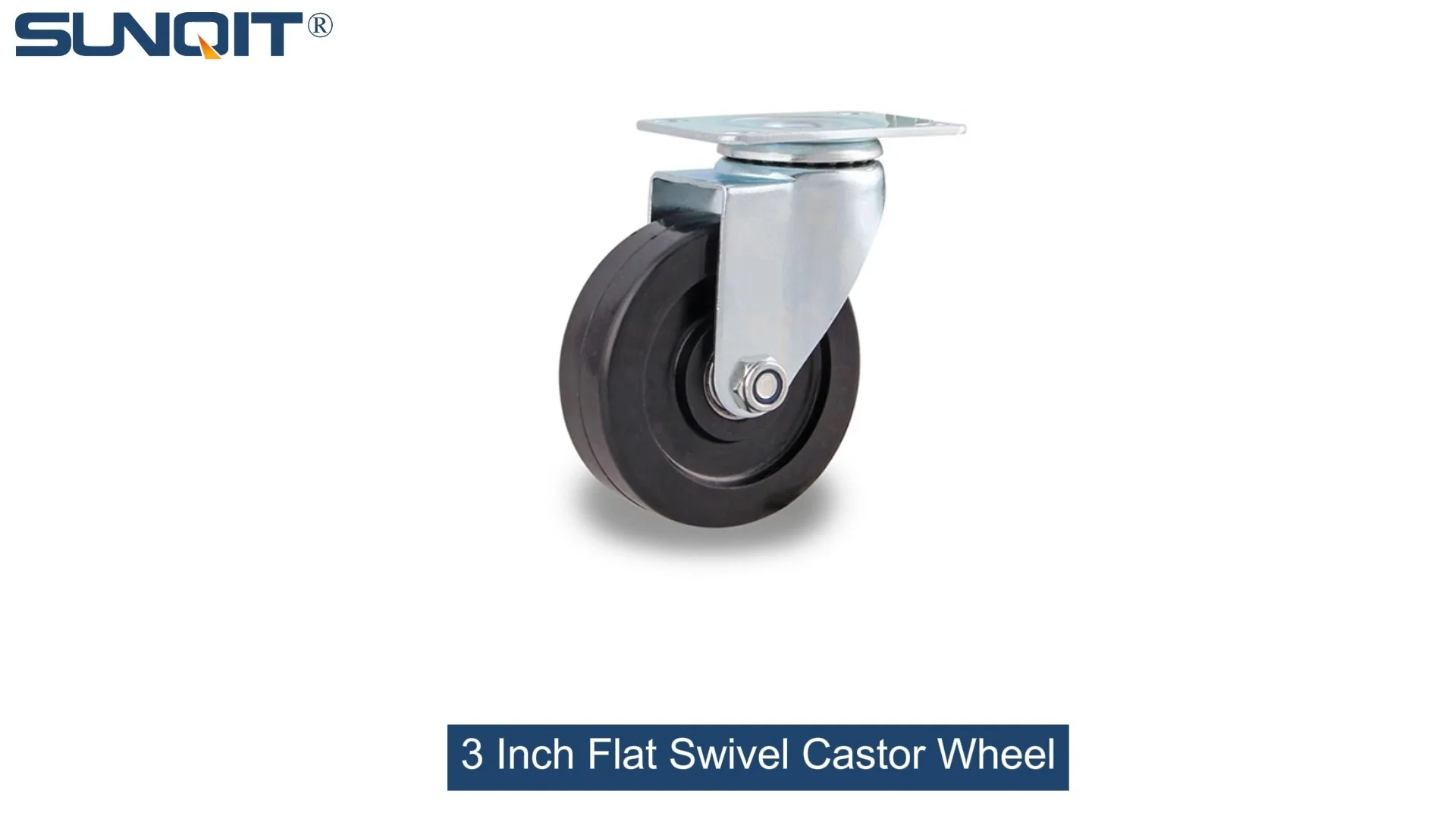
In the fast-paced world of healthcare, every second counts. From a nurse rushing to respond to a patient's call to a lab technician transporting sensitive samples, the ability to move equipment quickly, quietly, and safely can make all the difference in patient care. At the heart of this mobility lies a small but critical component: the caster wheel. Specifically, rubber flat swivel castor wheels have emerged as the unsung heroes of medical facilities, designed to tackle the unique challenges of smooth, sterile floors while prioritizing both functionality and patient comfort.
The Unique Challenges of Medical Floor Mobility
Medical facilities—hospitals, clinics, labs, and pharmacies—are environments where precision and care extend beyond patient interactions to every piece of equipment. Smooth floors, often made of vinyl, linoleum, or polished concrete, are standard here for a reason: they're easy to sanitize, resistant to stains, and promote a clean, sterile atmosphere. But these same floors present unique mobility challenges. Equipment wheels that stick, squeak, or scratch can disrupt workflows, damage expensive flooring, or even create distractions in quiet zones like patient rooms or ICUs.
Consider a typical scenario: a pharmacy technician pushing a medication cart through a busy hospital corridor. If the cart's wheels catch on a floor seam or emit a loud squeak with every turn, it not only slows the technician down but also risks waking a resting patient or startling someone in a high-stress situation. Worse, wheels that leave marks or scuffs require extra cleaning, diverting staff time from critical tasks. For labs handling fragile samples or sensitive equipment, unstable wheels could even lead to spills or breakages, compromising research or patient diagnostics.
Then there's the issue of adjustable leveling feet —a feature often paired with casters on medical workbenches and carts. In settings where precision matters, like compounding pharmacies or lab workstations, equipment must stay stable once positioned. A workbench with wobbly wheels or poorly designed leveling feet can make tasks like measuring medications or analyzing samples far more difficult, increasing the risk of errors. Medical mobility solutions need to balance two seemingly opposing needs: effortless movement and rock-solid stability.
Why Rubber? The Science Behind Medical-Grade Castor Wheels
Not all caster wheels are created equal, and in medical settings, material choice is everything. Rubber, particularly high-quality synthetic rubber, has become the gold standard for flat swivel castor wheels in these environments—and for good reason. Unlike plastic or metal wheels, rubber offers a unique blend of flexibility, durability, and gentleness that aligns perfectly with the demands of smooth medical floors.
Rubber's natural elasticity allows it to conform slightly to floor surfaces, reducing friction and enabling smooth, effortless movement. This is a game-changer for staff who push heavy carts—like instrument trolleys or linen carts—for hours daily. Reduced friction means less physical strain, lowering the risk of repetitive stress injuries and keeping staff energized for patient care. Additionally, rubber's shock-absorbing properties help stabilize loads, whether it's a cart full of glass vials or a mobile workbench holding delicate lab equipment.
Noise reduction is another key advantage. Rubber dampens vibrations and muffles sound, making it ideal for quiet zones. A medication cart with rubber wheels glides down a hallway almost silently, whereas metal wheels might clatter, and hard plastic wheels could squeak as they catch on floor imperfections. For patients recovering from surgery or struggling with anxiety, this quiet mobility is more than a convenience—it's an essential part of creating a healing environment.
Perhaps most importantly, rubber is non-marking. Unlike some plastic wheels that can leave scuffs or metal wheels that scratch, rubber wheels protect smooth medical floors from damage. This not only preserves the facility's appearance but also reduces long-term maintenance costs. When combined with regular cleaning (a must in medical settings), rubber wheels resist the buildup of dirt and grime, ensuring they continue to perform well even after repeated exposure to disinfectants and cleaning agents.
| Caster Wheel Material | Suitability for Smooth Medical Floors | Noise Level | Floor Protection | Chemical Resistance |
|---|---|---|---|---|
| Rubber (Flat Swivel) | Excellent – glides smoothly, minimal friction | Low – absorbs vibrations, quiet operation | Superior – non-marking, no scratches | High – resistant to most disinfectants |
| Hard Plastic | Fair – may stick on seams, uneven movement | Moderate – prone to squeaking on smooth surfaces | Good – but can leave scuffs with heavy loads | Moderate – may degrade with harsh chemicals |
| Metal | Poor – high friction, noisy, risks floor damage | High – clatters and scratches floors | Poor – scratches and dents smooth surfaces | High – but damages floors regardless |
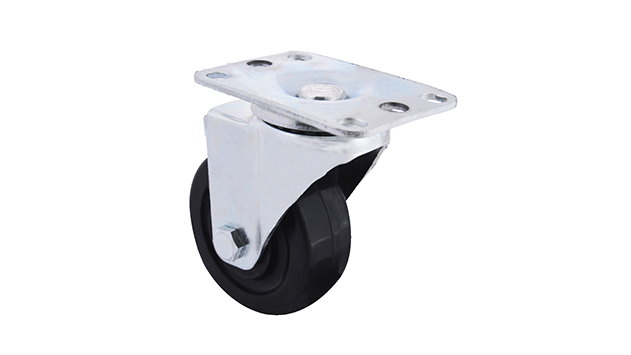
Key Features of Rubber Flat Swivel Castor Wheels for Medical Use
While rubber's material benefits are foundational, medical-grade castor wheels go a step further with design features tailored to healthcare environments. These features transform a basic wheel into a tool that supports safety, efficiency, and compliance with strict medical standards.
360-Degree Swivel for Maneuverability
In tight spaces like patient rooms or crowded lab areas, maneuverability is critical. Rubber flat swivel castor wheels are engineered with precision ball bearings that allow 360-degree rotation, making it easy to navigate around beds, chairs, or equipment. This agility reduces the need for constant back-and-forth adjustments, letting staff move more efficiently. For example, a nurse adjusting a mobile workbench in a patient room can pivot smoothly to access supplies from any angle, without having to reposition the entire bench.
Locking Mechanisms and Caster Accessories
Mobility means little if equipment can't stay put when needed. That's where locking mechanisms and caster accessories come into play. Many medical-grade rubber castors feature dual-locking brakes: one to lock the wheel in place (preventing rolling) and another to lock the swivel mechanism (keeping the wheel facing a fixed direction). This double security is essential for workbench setups, where stability during tasks like medication preparation or sample testing is non-negotiable.
Other accessories, like dust covers or bearing shields, help extend the life of the castors by preventing debris from entering the swivel mechanism. In environments where dust and lint can compromise sterility—such as operating rooms—these small additions make a big difference in maintaining equipment hygiene.
Load Capacity and Durability
Medical equipment varies widely in weight, from lightweight laptop carts to heavy instrument trolleys. Rubber flat swivel castor wheels are designed to handle specific load capacities, ensuring they don't warp or fail under strain. A typical medical castor might support 150–300 pounds per wheel, with reinforced rims and hubs to withstand daily use. For heavier loads, like mobile MRI machines or large storage carts, industrial-grade rubber castors with thicker treads and stronger bearings are available, ensuring safety without sacrificing mobility.

Beyond Mobility: Supporting Sterility and Compliance
In medical facilities, every component must meet strict sterility and compliance standards—and caster wheels are no exception. Rubber flat swivel castors are often designed with smooth, seamless surfaces that leave no crevices for bacteria to hide. This makes them easy to wipe down with disinfectants, a critical feature in infection control protocols. Unlike wheels with intricate designs or porous materials, rubber castors resist the growth of mold, mildew, or pathogens, even in high-moisture areas like operating rooms or dialysis centers.
Some rubber castors are also engineered to be ESD (Electrostatic Discharge) safe, though this is more common in specialized settings like labs handling electronic medical devices. While ESD isn't a concern for all medical equipment, the option for ESD-compatible rubber wheels ensures that facilities can maintain safety across diverse departments.
Compliance with industry regulations, such as those set by the FDA or ISO, is another consideration. Reputable manufacturers test their rubber castors for durability, chemical resistance, and safety, providing documentation to help facilities meet audit requirements. This peace of mind is invaluable in an industry where non-compliance can have serious consequences.

Real-World Impact: How Rubber Castors Enhance Daily Workflows
To understand the true value of rubber flat swivel castor wheels, look no further than the stories of healthcare staff who use them daily. Take Maria, a pharmacy technician at a large hospital, who pushes a medication cart through 12-hour shifts. "Before we switched to rubber wheels, my cart would get stuck on the floor seams, and the squeaking used to wake patients," she recalls. "Now, I glide through corridors, and I don't come home with a sore back. It's made my job so much easier."
In labs, too, these castors shine. Dr. Raj Patel, a research scientist, uses a mobile workbench with rubber castors and adjustable leveling feet for his cell culture experiments. "When I need to move the bench to the fume hood, the wheels roll so smoothly I don't have to worry about spilling reagents," he says. "And once I lock them and adjust the leveling feet, the bench stays rock-solid—no wobbling, no mistakes. It's the little things that let me focus on the science."
Even in patient care, the impact is tangible. A study in the Journal of Nursing Administration found that hospitals using rubber caster wheels on patient transport beds reported fewer patient complaints about noise and more positive feedback on "environment of care." Patients noted feeling less disturbed during nighttime checks, leading to better sleep and faster recovery times.
Maintenance Tips: Keeping Rubber Castors in Top Shape
Like any equipment, rubber flat swivel castor wheels perform best with regular maintenance. Fortunately, caring for them is simple and requires minimal time—critical in busy medical settings.
- Daily Cleaning: Wipe wheels with a damp cloth and mild disinfectant to remove dirt, grime, or spills. This prevents buildup that can affect movement or harbor bacteria.
- Check Brakes Weekly: Test locking mechanisms to ensure they engage fully. Adjust or replace worn brake pads promptly to avoid accidents.
- Lubricate Bearings Quarterly: Apply a sterile, food-grade lubricant to swivel bearings to maintain smooth rotation. Avoid over-lubricating, as excess grease can attract dust.
- Inspect Treads Monthly: Look for signs of wear, like cracks or flattened treads. replace wheels that show damage to prevent instability or floor scratches.
- Align Swivel Mechanisms: If a wheel begins to swivel unevenly, check for debris in the bearing housing and clean or adjust as needed.
Conclusion: The Small Component with a Big Impact
In the grand scheme of medical care, rubber flat swivel castor wheels may seem. But as healthcare professionals know, the difference between a good shift and a stressful one often lies in the tools that make daily tasks easier. These wheels do more than move equipment—they reduce staff fatigue, protect sterile environments, enhance patient comfort, and support compliance with strict safety standards.
For medical facilities looking to invest in better workflows, the choice is clear: rubber flat swivel castor wheels are not just a practical upgrade but a commitment to prioritizing both staff and patient well-being. After all, in healthcare, every detail matters—and sometimes, the smallest details roll the farthest.