- Company Articles
- Products and Technology
- Product knowledge
- Rubber vs. Silicone: Best Materials for Suction Cup Anti-Slip Foot Adjusters

Rubber vs. Silicone: Best Materials for Suction Cup Anti-Slip Foot Adjusters
Related Product
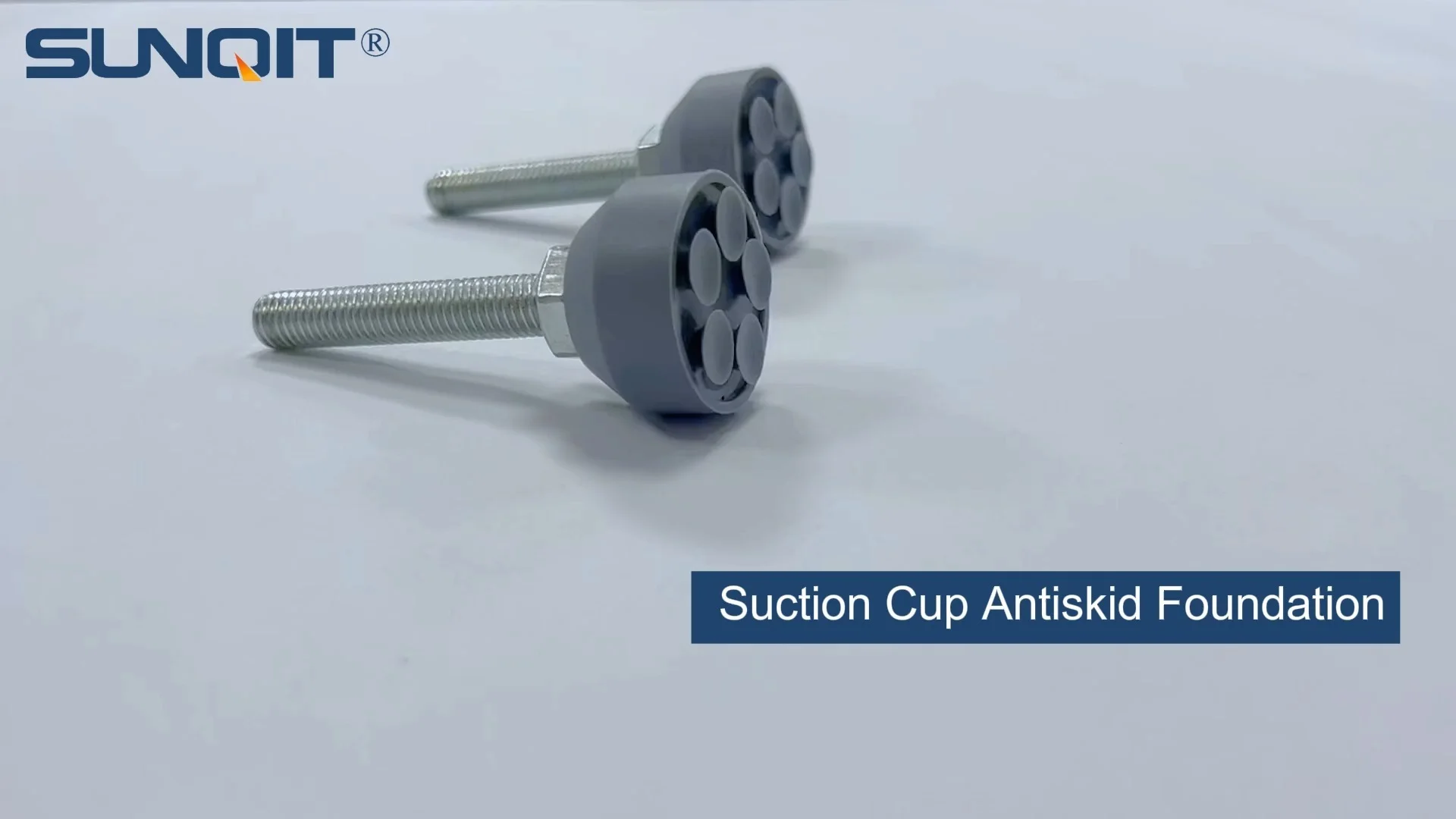
Suction Cup Anti-slip Foot Adjuster
D=35mm suction cup anti-slip foot adjusterï¼screw M10*55ï¼with a blot, used for workbench, flowrack pipe contact with groud.
The Unsung Heroes of Workplace Stability
Walk into any manufacturing plant, assembly line, or workshop, and you'll likely spot rows of workbenches, material racks, and turnover trolleys humming with activity. These tools are the backbone of daily operations, but have you ever stopped to think about what keeps them steady? Underneath that workbench E (single deck-without caster) or beside the material rack B (3 row and 3 floor), there's a small but mighty component hard at work: the suction cup anti-slip foot adjuster. These unassuming parts might not grab headlines, but they're critical for preventing wobbles, reducing accidents, and ensuring precision in every task. Today, we're diving deep into two of the most popular materials for these adjusters—rubber and silicone—to help you decide which one deserves a spot in your workspace.
What Are Suction Cup Anti-Slip Foot Adjusters, Anyway?
Before we compare rubber and silicone, let's make sure we're on the same page about what these tools actually do. A suction cup anti-slip foot adjuster is a hybrid component designed to solve two big problems: stability and adaptability. The "adjuster" part lets you tweak the height of a piece of equipment, ensuring it sits level even on uneven floors—think of it as a tiny, precision jack for your workbench. The "suction cup" and "anti-slip" features work together to keep that adjusted height locked in: the suction cup creates a vacuum seal with the floor, while the anti-slip material adds friction to prevent sliding. Together, they turn a wobbly workstation into a rock-solid foundation for everything from delicate electronics assembly to heavy-duty material handling.
Real-World Impact:
Imagine a busy electronics factory where a workbench E (single deck-without caster) is used to assemble circuit boards. If the foot adjusters fail to grip, the bench might shift mid-task, leading to misaligned components or even damaged parts. Over time, that instability could slow down production, increase waste, and raise safety risks for workers. It's the kind of problem that flies under the radar—until it becomes a costly headache.

Rubber: The Reliable Workhorse
Rubber has been a staple in industrial settings for decades, and for good reason. It's tough, flexible, and affordable—qualities that make it a go-to for suction cup anti-slip foot adjusters. Let's break down why rubber might be the right choice for your needs.
Properties That Shine:
Rubber's biggest strength is its elasticity. When compressed, it bounces back to shape, creating a tight seal between the foot adjuster and the floor. This elasticity also helps it conform to uneven surfaces, filling in small gaps that might otherwise cause wobbling. Add in its natural friction—rubber just "sticks" to most floors better than many materials—and you've got a recipe for reliable grip.
Benefits You'll Notice:
Cost is a major plus here. Rubber adjusters are generally more budget-friendly than silicone ones, making them ideal for large-scale setups where you need dozens (or hundreds) of units. They also perform well in moderate temperatures—think typical factory floors or warehouses where the mercury stays between 50°F and 120°F. And if you're working with rough or porous surfaces like concrete, rubber's ability to flex and grip shines; it won't slip as easily as harder materials might.
Drawbacks to Watch For:
Rubber isn't perfect, though. It's sensitive to extreme temperatures: too hot, and it can become soft and lose grip; too cold, and it hardens, reducing flexibility. Chemicals are another enemy. Oils, solvents, and even some cleaning agents can break down rubber over time, causing it to crack or degrade. If your workspace uses heavy-duty cleaners or deals with oily spills, rubber adjusters might need frequent replacement. Finally, UV light can fade and weaken rubber, so if your equipment is near windows or exposed to sunlight, you'll want to keep an eye on wear.
Best For:
Material rack B (3 row and 3 floor) in a warehouse storing dry goods, or a workbench E (single deck-without caster) in a woodworking shop. These are environments with moderate temps, minimal chemical exposure, and a need for cost-effective stability.

Silicone: The Modern Contender
Silicone is the newer kid on the block, but it's quickly gaining ground in industries where durability and precision matter most. Made from synthetic polymers, silicone offers a set of properties that rubber can't match—though it comes with a higher price tag.
Properties That Impress:
Silicone's claim to fame is its resistance to extremes. It stays flexible in temperatures ranging from -60°F to 400°F, making it a star in environments like food processing plants (where freezers or ovens are nearby) or automotive factories with high-heat machinery. Unlike rubber, silicone is also inert, meaning it won't react with oils, chemicals, or UV light. That makes it ideal for clean rooms, medical facilities, or labs where harsh disinfectants are used daily.
Benefits You'll Appreciate:
Longevity is a big one. Silicone adjusters don't degrade as quickly as rubber, so they last longer—even in tough conditions. That means fewer replacements and less downtime, which can offset the higher upfront cost over time. They also maintain their grip consistently, even after years of use; you won't notice a drop in performance as they age. And for applications where cleanliness is critical (like pharmaceutical labs), silicone is non-porous, so it won't harbor bacteria or absorb spills.
Drawbacks to Consider:
The biggest downside is cost. Silicone adjusters can be 2-3 times more expensive than rubber ones, which might be a non-starter for budget-conscious buyers. They also have slightly less friction than rubber on very rough surfaces. While they still grip well, if you're working with extremely porous concrete or uneven stone floors, rubber might edge out silicone in raw traction. Finally, silicone is stiffer than rubber at room temperature, which can make it feel less "forgiving" on minor surface imperfections.
Best For:
ESD workstations in electronics manufacturing (where chemical-resistant materials are a must) or material racks in food processing plants (where extreme cold or heat is common). Silicone's ability to stand up to harsh conditions makes it worth the investment in these high-stakes environments.

Rubber vs. Silicone: A Head-to-Head Comparison
| Feature | Rubber | Silicone |
|---|---|---|
| Grip Strength (General Floors) | Excellent (best on rough/porous surfaces) | Very Good (consistent on smooth/clean surfaces) |
| Temperature Range | 50°F – 120°F (moderate environments) | -60°F – 400°F (extreme hot/cold) |
| Chemical Resistance | Poor (degrades with oils/solvents) | Excellent (resists most chemicals, UV light) |
| Durability | Moderate (needs replacement every 1-2 years in heavy use) | High (lasts 3-5 years in heavy use) |
| Cost | Budget-friendly ($2-$5 per unit on average) | Premium ($5-$15 per unit on average) |
| Best For | Concrete floors, moderate temps, tight budgets | Clean rooms, extreme temps, chemical exposure |
How to Choose: Key Questions to Ask
Deciding between rubber and silicone comes down to your specific workspace. Here are the questions to ask yourself before buying:
1. What's Your Environment Like?
If your facility has extreme temperatures (freezers, ovens) or uses harsh chemicals (cleaners, oils), silicone is worth the splurge. For standard warehouses or workshops with moderate temps and minimal chemical exposure, rubber will do the job without breaking the bank.
2. What Surface Are You Working With?
Rough concrete? Go rubber—it grips better. Smooth tile or epoxy floors? Silicone's consistency will shine. If your floors are a mix, test both materials in a small area first to see which performs better.
3. What's Your Budget?
If you're outfitting a new factory with 100 workbenches, rubber's lower cost could save you thousands. But if you need adjusters that last 5 years without replacement, silicone might be cheaper in the long run (fewer replacements = less labor and material cost over time).
4. What's the Load Capacity?
Heavier equipment needs adjusters that can handle more weight without deforming. Both rubber and silicone work for most loads, but check the manufacturer's specs—some silicone blends are engineered for higher weight limits.
Beyond Material: The Role of Adjustable Leveling Feet
While rubber vs. silicone gets the spotlight, let's not forget the "adjustable" part of suction cup anti-slip foot adjusters. Even the best material won't help if the adjuster itself isn't easy to use. Look for models with clear height markings, smooth threading (so you can tweak the height without wrestling with stuck knobs), and sturdy construction. After all, what good is a grippy foot if you can't adjust it to the right height?
Adjustable leveling feet also play a role in longevity. A well-designed adjuster will distribute weight evenly across the suction cup, preventing premature wear. If the weight is concentrated in one spot, even durable silicone can crack over time. So when shopping, pay attention to the adjuster's build quality—not just the material of the suction cup.
Final Thoughts: The Right Material for Your Workflow
At the end of the day, there's no "better" material—only the better choice for your needs. Rubber is the practical, budget-friendly option that works great in most everyday settings, from warehouses with concrete floors to small workshops using workbench E (single deck-without caster) setups. Silicone, on the other hand, is the premium pick for environments where extremes (temp, chemicals, cleanliness) demand long-lasting, reliable performance—think ESD workstations or food processing plants.
The key is to assess your workspace honestly: What temperatures do you deal with? Are chemicals or UV light a factor? What's your budget, both upfront and long-term? Answering these questions will guide you to the material that keeps your equipment stable, your workers safe, and your operations running smoothly. After all, when it comes to suction cup anti-slip foot adjusters, the goal is simple: to be so reliable, you forget they're even there.