- Company Articles
- Products and Technology
- Installation And Maintenance
- Rust Prevention for 60 Aluminum Roller Track Small Wheel: Maintenance Best Practices

Rust Prevention for 60 Aluminum Roller Track Small Wheel: Maintenance Best Practices
Related Product
60 Aluminum Roller Track Small Wheel
Modular system roller tracks aluminum gravity roller tracks are an excellent solution for transporting materials within industrial environments, warehouses and distribution centres.
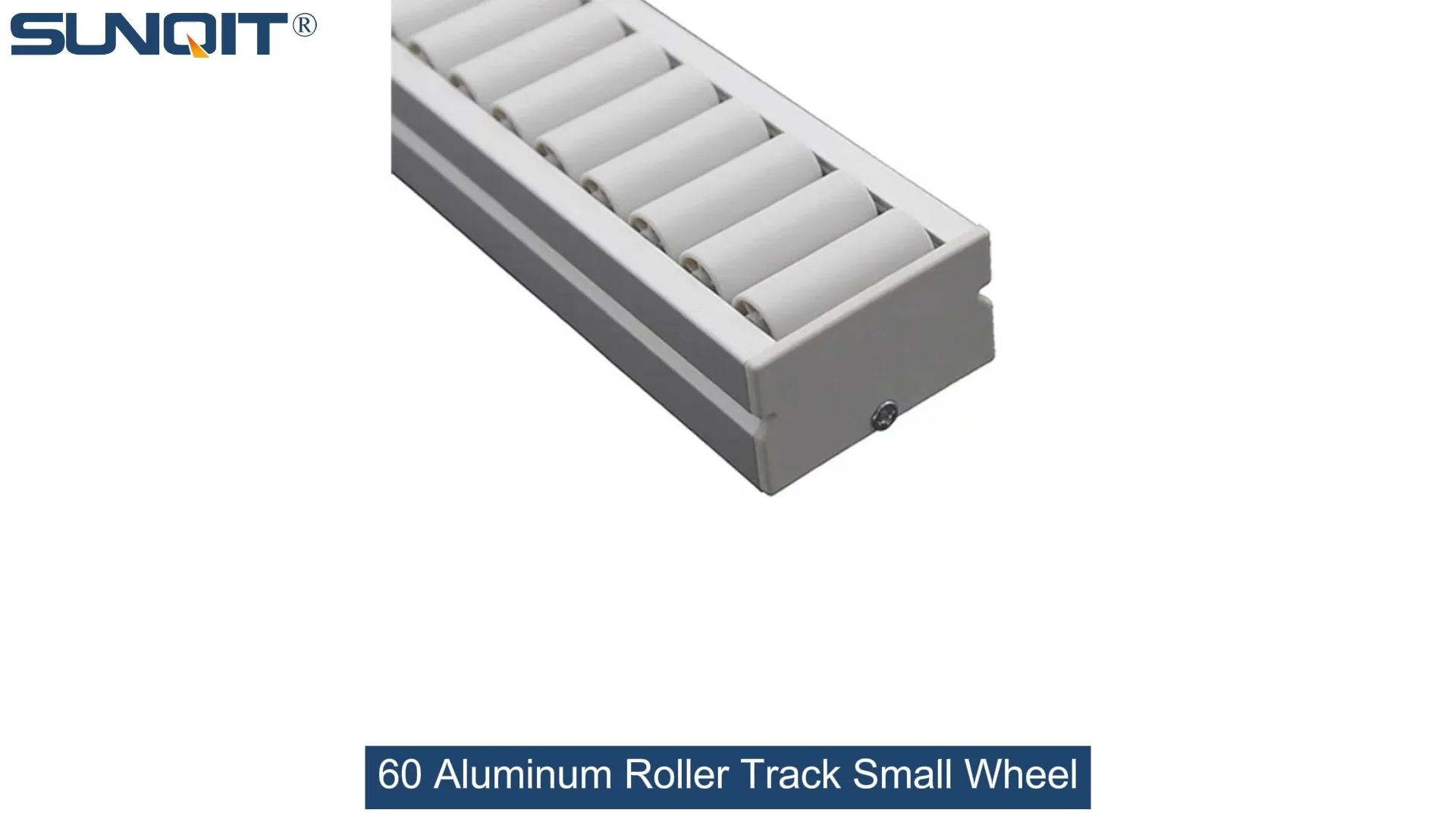
If you've ever worked with conveyor systems in a lean manufacturing setup—whether it's a flow rack for parts storage or a flexible production line for 3C assembly—you know how critical every small component is. The 60 aluminum roller track small wheel might seem like a tiny part, but it's the backbone of smooth material flow. When these wheels rust, the entire line can slow down, cause jams, or even stop production entirely. Rust isn't just an aesthetic issue; it's a threat to efficiency, cost-effectiveness, and the core principles of lean manufacturing. In this article, we'll dive deep into the best practices for preventing rust on these wheels, so you can keep your conveyor systems running like clockwork and maintain the lean flow your operations depend on.
What Makes the 60 Aluminum Roller Track Small Wheel Unique?
Before we talk about rust prevention, let's take a moment to understand what this wheel is and why it's so widely used. The 60 aluminum roller track small wheel is a compact, durable component designed for light to medium-duty conveyor systems. It's made from high-quality aluminum alloy, which is known for its lightweight, corrosion-resistant properties— but wait, if it's aluminum, why does it rust? Well, while aluminum doesn't rust in the traditional sense (rust is iron oxide), it can form a layer of aluminum oxide when exposed to oxygen and moisture. This layer is usually protective, but if it's damaged or exposed to harsh conditions (like acidic chemicals or high humidity), the underlying metal can corrode, leading to performance issues.
These wheels are commonly found in roller tracks that are part of larger lean systems—think flow racks for picking parts in a warehouse, or conveyors that move components along an assembly line. They're also a key part of aluminum profile-based systems, where they fit seamlessly into the t-slot aluminum pipes and accessories used to build flexible workstations and production lines. Because of their small size and versatility, they're used in a wide range of industries, from 3C assembly to medical device manufacturing, and even (warehouse logistics).
Common Causes of Corrosion on 60 Aluminum Roller Track Small Wheels
To prevent rust (or corrosion, in this case), we first need to identify the root causes. Here are the most common culprits:
- Moisture Exposure: This is the biggest enemy. Whether it's from cleaning with wet cloths (and not drying properly), spillages of liquids (like water or chemicals), or high humidity in the environment, moisture can break down the protective oxide layer on the aluminum.
- Chemical Contact: Industrial environments often have oils, solvents, or acidic substances that can corrode aluminum. For example, in a 3C assembly line, cleaning agents used to remove flux from circuit boards might accidentally get on the wheels.
- Wear and Tear: Over time, the surface of the wheel can get scratched or dented. These small damages expose the bare metal, making it easier for corrosion to start.
- Poor Maintenance: Skipping regular cleaning or lubrication can lead to a buildup of dirt and debris, which traps moisture and accelerates corrosion.
Step-by-Step Rust Prevention Best Practices
Preventing rust on 60 aluminum roller track small wheels isn't rocket science—it just requires consistent, proactive care. Let's break down the key steps you should follow:
1. Regular Cleaning: Keep Dirt and Moisture at Bay
Cleaning is the first line of defense against rust. Here's how to do it right:
- Daily Cleaning (High-Use Systems): Use a soft-bristled brush to remove loose dust and debris from the wheels and surrounding roller track. For hard-to-reach areas (like between the rollers), use low-pressure compressed air to blow away dirt—avoid high pressure, as it can damage the wheel bearings.
- Weekly Cleaning (Medium-Use Systems): Mix a mild detergent (like dish soap) with warm water. Dip a microfiber cloth into the solution and gently wipe the wheels. Make sure to dry them thoroughly with a clean, dry cloth immediately after—moisture left on the surface is a recipe for corrosion.
- Monthly Cleaning (Low-Use Systems): For systems that aren't used as often, do a deeper clean. Remove the wheels from the roller track (if possible) and soak them in a mild detergent solution for 10-15 minutes. Scrub gently with a soft brush to remove any stubborn grime, then rinse and dry completely before reinstalling.
Important: Never use harsh chemicals (like bleach or ammonia) or abrasive cleaners (like steel wool) on these wheels. They can scratch the aluminum surface and strip away the protective oxide layer, making corrosion worse.
2. Protective Coatings: Add an Extra Layer of Defense
Even with regular cleaning, adding a protective coating can go a long way in preventing rust. Here are the best options:
- Silicone-Based Anti-Rust Spray: This is a popular choice because it's non-corrosive, water-resistant, and doesn't attract dust. Apply a thin, even layer to the wheels after cleaning and drying. Reapply every 3-6 months, depending on how often the system is used.
- Clear Lacquer: For wheels in extremely harsh environments (like high humidity or chemical exposure), a clear lacquer coating can provide long-lasting protection. Make sure to apply it to clean, dry wheels, and follow the manufacturer's instructions for drying time.
- Factory-Applied Coatings: Many 60 aluminum roller track small wheels come with a factory-applied protective coating (like anodized aluminum). If your wheels have this, avoid using abrasive cleaners that can damage the coating—stick to mild detergents instead.
3. Proper Lubrication: Reduce Friction and Wear
Lubrication isn't just for smooth rotation—it also helps prevent rust by creating a barrier between the metal and moisture. Here's what you need to know:
| Lubricant Type | Best For | Application Frequency | Benefits |
|---|---|---|---|
| PTFE-Based Dry Lubricant | High-use conveyor systems (3C assembly, automotive parts) | Every 2-4 weeks | Doesn't attract dust, water-resistant, reduces friction |
| Silicone Grease | Medium-use systems (warehouse flow racks) | Every 1-2 months | Long-lasting, protects against moisture and corrosion |
| Mineral Oil | Low-use systems (storage conveyors) | Every 3-6 months | Affordable, easy to apply, good for light protection |
When applying lubricant, focus on the axle of the wheel—this is where friction and rust are most likely to occur. Use a small amount (a drop or two) and wipe away any excess to avoid attracting dust.
4. Environmental Control: Minimize Corrosive Factors
The environment where your conveyor system is located plays a huge role in rust prevention. Here are some steps to control it:
- Humidity Control: Keep the humidity in your facility between 40-60%. Use dehumidifiers if the air is too moist, especially in warehouses or production lines that handle liquid materials.
- Chemical Management: Store corrosive chemicals (like cleaning agents or solvents) away from conveyor systems. If you have to use them near the line, make sure to cover the wheels or clean them immediately after use.
- Weatherproofing: If your conveyor system is used outdoors (though this is rare for lean manufacturing), use weatherproof covers to protect the wheels from rain, snow, and extreme temperatures.
5. Regular Inspection: Catch Rust Early
Early detection is key to stopping rust before it spreads. Here's what to look for during inspections:
- Visual Signs: Check for orange or brown spots on the wheel surface or axle—these are early signs of corrosion.
- Rotation Test: Spin each wheel to see if it rotates smoothly. If it's stiff or makes a grinding noise, it could be due to rust on the axle.
- Damage Check: Look for scratches, dents, or other damage to the wheel surface—these can expose bare metal and lead to rust.
For high-use systems, inspect the wheels daily. For medium-use, weekly. For low-use, monthly. Keep a log of your inspections so you can track trends and address issues before they become major problems.

Integrating Rust Prevention into Your Lean Solution
Lean manufacturing is all about eliminating waste—whether it's waste of time, materials, or resources. Rust prevention for 60 aluminum roller track small wheels aligns perfectly with this philosophy:
- Reduce Downtime: Rusted wheels can cause unexpected breakdowns, leading to downtime that wastes production time and resources. Proactive maintenance keeps your lines running continuously, which is a core part of lean flow.
- Extend Component Lifespan: Lean principles emphasize reusing components whenever possible. By preventing rust, you extend the lifespan of your 60 aluminum roller track small wheels—so you don't have to replace them as often, reducing waste and cost.
- Improve Cost-Effectiveness: Replacing rusted wheels is expensive, especially if you have hundreds of them in your conveyor systems. Preventive maintenance is a small investment that pays off in the long run by reducing replacement costs.
- Align with Custom Lean Solutions: If you're using a custom lean solution (like those offered for 3C assembly or medical device manufacturing), maintaining the components is essential to getting the most out of your investment. These solutions are designed to be flexible and sustainable—rust prevention helps keep them that way.
For example, let's say you have a flexible production line for medical device assembly. The line uses 60 aluminum roller track small wheels to move parts from one station to the next. If one of these wheels rusts and causes a jam, the entire line stops. This not only delays production but also violates the strict quality standards required for medical devices. By following the rust prevention best practices we've outlined, you can avoid this scenario and keep your lean solution working as intended.

Troubleshooting Common Rust Issues
Even with the best preventive measures, rust can sometimes start. Here's how to handle it:
Light Rust Spots
If you notice small, light rust spots on the wheel surface:
- Use a fine-grit sandpaper (2000 grit) to gently sand the rusted area. Be careful not to scratch the surrounding surface.
- Clean the area with a mild detergent solution and dry it thoroughly.
- Apply a thin layer of anti-rust spray or clear lacquer to the area to prevent future rust.
Heavy Rust or Seized Wheels
If the wheel is heavily rusted or seized (won't rotate):
- Remove the wheel from the roller track.
- Soak the wheel in a rust remover solution (like vinegar or a commercial rust remover) for 24 hours.
- Scrub the rusted area with a soft brush. If the rust is still present, it's time to replace the wheel—repairing it will likely be more expensive than buying a new one.
- Before installing a new wheel, clean the axle of the roller track to remove any rust or debris.
Rust on the Axle
If the axle is rusted:
- Use a wire brush to remove the rust from the axle.
- Apply a thin layer of lubricant to the axle before reinstalling the wheel.
- Inspect the axle regularly for future rust—if it's heavily corroded, replace the entire roller track section.

Long-Term Benefits of Effective Rust Prevention
Investing time and effort into rust prevention for your 60 aluminum roller track small wheels has many long-term benefits:
- Extended Lifespan: Proper maintenance can double or triple the lifespan of your wheels. For example, a wheel that would normally last 1 year can last 3 years with regular cleaning and lubrication.
- Improved Conveyor Performance: Rust-free wheels rotate smoothly, which keeps your conveyor systems running at optimal speed. This improves material flow and reduces the risk of jams.
- Reduced Replacement Costs: Replacing a single wheel might cost a few dollars, but if you have 100 wheels in your system, that's hundreds of dollars. Multiply that by the number of times you have to replace them— the savings add up quickly.
- Better Quality Control: In industries like medical device manufacturing or 3C assembly, downtime from rusted wheels can lead to quality issues (like missed deadlines or rushed production). Preventive maintenance helps you maintain consistent quality.
- Enhanced Lean Efficiency: By keeping your components in good shape, you're upholding the lean principles of continuous improvement and waste reduction. This makes your entire operation more efficient and competitive.
Let's put this into numbers. Suppose a 60 aluminum roller track small wheel costs $5. If you replace it every year, that's $5 per wheel per year. If you extend its lifespan to 3 years, you save $10 per wheel over 3 years. For a conveyor system with 200 wheels, that's $2000 in savings—money that can be invested in other areas of your business.
Conclusion
The 60 aluminum roller track small wheel might be a small component, but it plays a big role in your lean manufacturing operations. Rust prevention isn't just a maintenance task—it's a strategic investment in your company's efficiency and profitability. By following the best practices outlined in this article—regular cleaning, protective coatings, proper lubrication, environmental control, and early inspection—you can keep your wheels rust-free and your conveyor systems running smoothly. Remember, lean manufacturing is about the little things—every small effort to prevent rust adds up to big gains in the long run. So take the time to care for your wheels, and your production lines will thank you.