- Company Articles
- Products and Technology
- Installation And Maintenance
- Rust Prevention: Maintenance Tips for 1.5mm Stainless Steel Pipe in Wet Environments

Rust Prevention: Maintenance Tips for 1.5mm Stainless Steel Pipe in Wet Environments
Related Product
1.5mm Stainless Steel Pipe
Stainless steel pipe, lean pipe, diameter is 28mm, material is SS201 or SS304, SS201 is normally used in the market. It knows a KARAKURI, KAIZEN material for industrial plant to improve efficiency, save labor cost, standard management.
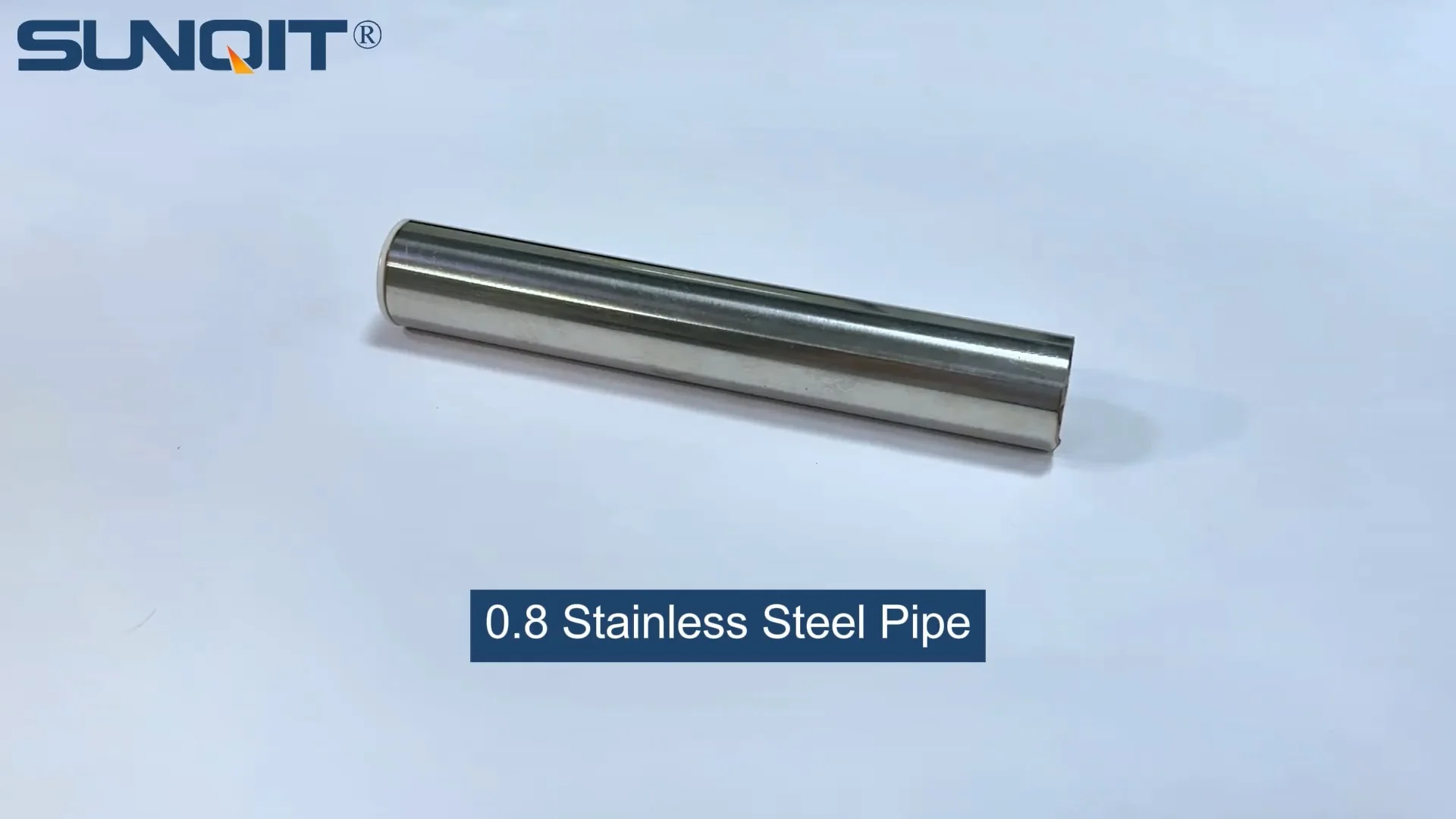
Let's face it: when you choose 1.5mm stainless steel pipe for your operation, you're investing in durability and corrosion resistance. Whether it's in a food processing plant, a marine facility, or a busy warehouse, these pipes are workhorses—carrying fluids, supporting equipment, or organizing workflows. But here's the catch: wet environments love to test that "stainless" label. Moisture, humidity, and even the chemicals in cleaning solutions can chip away at their resilience, leading to rust, leaks, and costly downtime. So, how do you keep your 1.5mm stainless steel pipes looking (and performing) like new? Let's dive into practical, actionable maintenance tips that'll save you time, money, and headaches.
Why 1.5mm Stainless Steel Pipes Rust (Yes, Even "Stainless" Ones)
First, let's clear up a common misconception: stainless steel isn't completely rust-proof. It's rust-resistant , thanks to chromium. When exposed to oxygen, chromium forms a thin, invisible "passive layer" on the surface that blocks corrosion. But in wet environments, this layer can break down—especially if you're not careful. For 1.5mm pipes, which are thinner than their heavier counterparts, even small rust spots can weaken the structure over time. So, what causes this breakdown?
Chlorides are public enemy number one. Think saltwater in coastal areas, chlorine-based cleaners in food plants, or even hard water with high mineral content. These chemicals attack the passive layer, leaving the steel vulnerable. Then there's mechanical damage: scratches from tools, dents from equipment, or loose fittings (like a poorly secured saddle pipe clamp) can scrape off that protective layer. And let's not forget stagnant water—pools of moisture in low spots or around joints create the perfect breeding ground for rust.
5 Maintenance Tips to Keep Rust at Bay
1. Clean Regularly (But Smartly)
You wouldn't let dirt build up on your car and expect it to stay shiny, right? The same goes for stainless steel pipes. Regular cleaning removes chloride deposits, grime, and other gunk that eats away at the passive layer. But skip the steel wool or abrasive sponges—they'll scratch the surface. Instead, use a soft cloth or sponge with mild dish soap and warm water. Gently scrub the pipes, paying extra attention to crevices (like where saddle pipe clamps meet the pipe) where moisture loves to hide. Rinse thoroughly with clean water to wash away soap residue—leftover detergent can attract dirt and trap moisture.
For tough spots, like mineral deposits from hard water, mix equal parts white vinegar and water. Apply it with a cloth, let it sit for 10 minutes, then wipe clean. Just avoid leaving vinegar on too long—it's acidic and can etch the surface if overused. And if you're using commercial stainless steel cleaners, check the label: steer clear of anything with chlorides, bleach, or ammonia.
2. Inspect Like a Detective
Rust doesn't happen overnight—it starts with tiny spots or discoloration. Make inspection part of your weekly routine. Walk the length of your stainless steel pipe series and look for red, brown, or orange hues, especially around joints, bends, and where saddle pipe clamps are attached. Run your hand along the pipe (with gloves, if it's sharp) to feel for scratches or dents—these are weak points where rust can take hold.
Don't forget the accessories! A loose saddle pipe clamp can create gaps where water seeps in, while a cracked plastic pipe end cap might let moisture drip into unused pipe sections. Tighten loose clamps, replace damaged end caps, and fix any fittings that look worn. Catching issues early means you can address them before they turn into full-blown rust problems.
3. Prioritize Proper Drainage
Stagnant water is rust's best friend. If your 1.5mm stainless steel pipes are horizontal, make sure they slope slightly (aim for a 1-2% gradient) so water drains toward a outlet. This simple tweak prevents pooling, which can corrode the pipe from the inside out. For vertical pipes, check that the bottom ends are open or fitted with drainage holes—no standing water allowed.
And when pipes aren't in use? Seal the ends with plastic pipe end caps. These little accessories are lifesavers: they block debris, pests, and most importantly, moisture from sitting inside the pipe. Look for end caps made of durable, food-grade plastic if you're in a sensitive industry—they'll resist cracking in wet conditions and won't react with cleaning chemicals.
4. Protect the Passive Layer
Remember that chromium passive layer we talked about? You can help it regenerate. After cleaning, dry the pipes thoroughly with a lint-free cloth—moisture left on the surface can slow down the layer's repair. In high-humidity areas, consider using a dehumidifier or fans to keep air circulating around the pipes. For extra protection, apply a thin coat of food-safe mineral oil or a specialized stainless steel sealant (check with your supplier for recommendations). These products act as a barrier, repelling water and giving the passive layer time to heal.
5. Choose the Right Accessories (Yes, They Matter)
You could have the best 1.5mm stainless steel pipe in the world, but if your accessories are low-quality, rust will find a way in. Let's talk saddle pipe clamps first: these little hardware pieces hold pipes securely to walls, racks, or machinery. Cheap clamps made of galvanized steel or plastic can corrode, creating rust that spreads to your stainless steel pipe. Opt for stainless steel saddle pipe clamps instead—they'll match your pipe's corrosion resistance and distribute pressure evenly, preventing dents that weaken the passive layer.
Plastic pipe end caps are another must-have. Look for ones with a tight, snug fit—push-fit designs work well for quick installation, while threaded caps are better for pipes that need occasional access. Avoid flimsy, thin plastic caps that crack easily; invest in thick, flexible ones that can handle repeated exposure to water and cleaning chemicals.

A Quick Guide to Cleaning Methods: Which One's Right for You?
| Cleaning Method | Pros | Cons | Best For |
|---|---|---|---|
| Mild Soap & Warm Water | Safe for daily use, inexpensive, no harsh chemicals | May not remove tough mineral deposits | Weekly maintenance, general grime |
| Vinegar Solution (1:1 with water) | Natural, effective for hard water stains, affordable | Strong odor, can etch if left too long | Mineral deposits, occasional deep cleaning |
| Commercial Stainless Steel Cleaner | Formulated to boost passive layer, removes tough grime | More expensive, check for chloride content | Monthly deep cleaning, stubborn stains |

Why Your Supplier Matters (More Than You Think)
Let's talk about the source: not all stainless steel pipe series are created equal. Choosing a reputable supplier who specializes in stainless steel pipe and accessories can make or break your maintenance efforts. Here's why: a good supplier will offer pipes made from high-quality 304 or 316 stainless steel (316 is better for saltwater or chemical-heavy environments), which have higher chromium and nickel content for superior corrosion resistance. They'll also stock compatible accessories—like saddle pipe clamps and plastic pipe end caps—so you don't have to mix and match parts from different brands (which often leads to ill-fitting pieces that trap water).
Case in point: A brewery in the Pacific Northwest was using 1.5mm stainless steel pipes for their cooling system. They bought pipes from a discount supplier and paired them with generic saddle pipe clamps. Within a year, rust started forming around the clamps—the clamps were made of low-grade steel and had corroded, causing water to seep between the clamp and pipe. They switched to a supplier that offered the full stainless steel pipe series, including stainless steel clamps and food-grade plastic end caps. Two years later, their maintenance logs showed zero rust-related issues, and their pipe replacement costs dropped by 40%.
Wrapping It Up: Rust Prevention = Long-Term Savings
At the end of the day, maintaining 1.5mm stainless steel pipes in wet environments isn't about perfection—it's about consistency. A little regular cleaning, careful inspection, and the right accessories (hello, saddle pipe clamps and plastic pipe end caps) go a long way. By protecting that passive layer, prioritizing drainage, and choosing quality parts from a trusted supplier, you'll keep your pipes rust-free, your operations running smoothly, and your budget intact.
So, grab that soft cloth, check those clamps, and seal those ends. Your stainless steel pipes (and your bottom line) will thank you.