- Company Articles
- Products and Technology
- Product knowledge
- Rust-Resistant Aluminum Side Guards: Long-Term Benefits in Humid Warehouse Environments

Rust-Resistant Aluminum Side Guards: Long-Term Benefits in Humid Warehouse Environments
Related Product
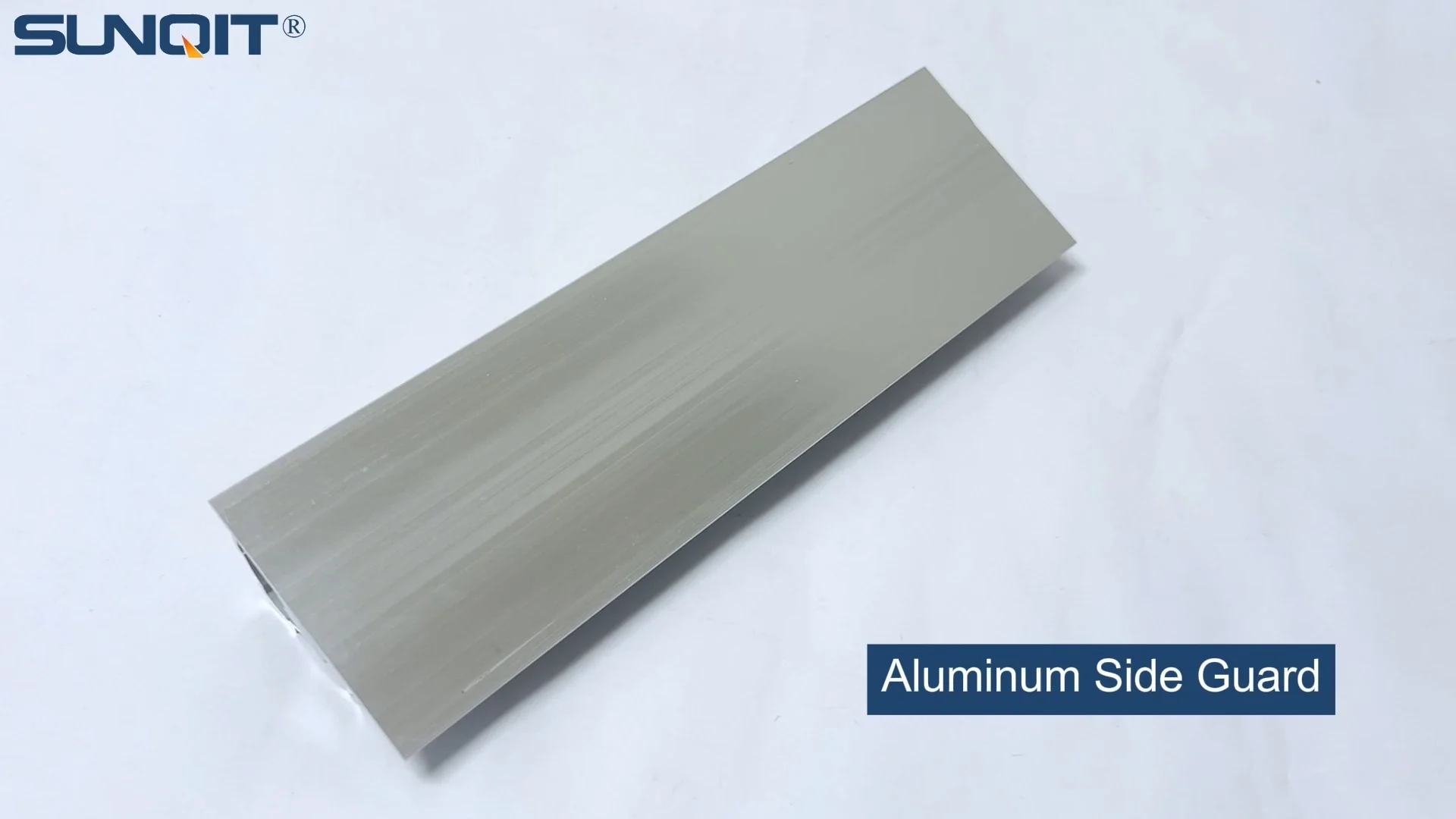
Aluminum Side Guard
Aluminum side guard, it works with a aluminum pipe or a roller track as side guard to prevent material drop,or move to wrong direction.
The Hidden Challenge of Humidity in Warehouse Operations
Walk into any busy warehouse on a sticky summer morning, and you'll likely notice the air feels thick—heavy with moisture that clings to metal surfaces, settles on cardboard boxes, and seems to seep into every corner. For warehouse managers and operations teams, this isn't just an uncomfortable working condition; it's a silent threat to the very equipment that keeps the facility running. Humidity, especially in coastal regions or areas with seasonal rainfall, can turn metal storage racks, conveyor systems, and workbench edges into breeding grounds for rust. Over time, that rust eats away at structural integrity, leads to costly replacements, and even creates safety hazards for workers handling corroded equipment.
Consider the humble side guard, a seemingly small component that plays a big role in warehouse safety. Installed along the edges of workbenches, material racks, or conveyor tracks, side guards prevent tools, parts, and products from slipping off surfaces, reducing the risk of damage or injury. But when these guards are made of traditional steel, humidity turns them into a liability. A few months of exposure, and you'll start to see orange flakes peeling off, weakening the guard's grip and leaving sharp, rusted edges that can snag gloves or cut skin. For warehouses already stretched thin on maintenance budgets, replacing rusted side guards every year or two becomes a frustrating, recurring expense.
This is where rust-resistant aluminum side guards step in—not as a flashy new technology, but as a practical, long-term solution that addresses the root cause of the problem. Made from durable aluminum materials like aluminum lean pipe and aluminum profile, these guards are designed to stand up to moisture, salt air, and daily wear without succumbing to corrosion. In this article, we'll explore why aluminum side guards are becoming a staple in humid warehouse environments, breaking down their benefits, material science, real-world applications, and how they integrate with existing systems like workbenches and roller tracks.
What Are Aluminum Side Guards, and How Do They Work?
At first glance, aluminum side guards might look similar to their steel counterparts: simple, low-profile barriers attached to the edges of work surfaces or racks. But dig deeper, and you'll find key differences in design and material that set them apart. Most aluminum side guards are constructed using lightweight, modular components—think aluminum lean pipe (a versatile, corrosion-resistant tubing) or aluminum profile (extruded aluminum with precision-cut grooves for easy attachment). These materials are combined with aluminum pipe accessories like joints, clamps, and brackets to create guards that are both strong and customizable.
The beauty of this modular approach is flexibility. Unlike steel guards, which often require welding or heavy drilling to install, aluminum side guards can be assembled on-site with basic tools. Need a guard for a curved workbench edge? Use a flexible aluminum lean pipe. Want to adjust the height to match a conveyor track? Swap out a bracket for a taller one. This adaptability makes them ideal for warehouses with ever-changing layouts or unique equipment configurations. And because aluminum is naturally lighter than steel, installing or repositioning guards is a one-person job, saving time and labor costs.
But the real star feature is their resistance to rust. Aluminum, unlike steel, doesn't rust in the traditional sense. When exposed to oxygen and moisture, it forms a thin, invisible layer of aluminum oxide on its surface. This layer acts as a protective barrier, preventing further corrosion from reaching the underlying metal. Even in high-humidity environments, this oxide layer self-repairs if scratched, ensuring the guard stays intact for years. For warehouses near the coast, where saltwater mist accelerates steel rust, this property alone makes aluminum side guards a game-changer.

The Cost of Rust: Why Humidity Damages More Than Just Equipment
To understand the value of rust-resistant aluminum side guards, it helps to first quantify the true cost of rust in humid warehouses. Let's start with the obvious: replacement expenses. A single steel side guard might cost $20-$50 upfront, but if it rusts and needs replacing every 12-18 months, the long-term cost adds up. Multiply that by dozens of workbenches, racks, and conveyor lines, and suddenly you're looking at thousands of dollars in annual replacements. And that's not counting the labor hours spent removing old guards, sourcing new ones, and installing them—time that could be better spent on more critical tasks like optimizing workflow or training staff.
Then there are the hidden costs. Rusted side guards don't just look bad; they compromise safety. A guard with peeling rust can snag on clothing or tools, leading to trips or cuts. In extreme cases, a corroded guard might fail entirely, causing a product to fall off a workbench and break, or worse, injure a worker below. The average cost of a workplace injury claim in the U.S. is over $40,000, according to the National Safety Council—far more than the price of investing in durable guards upfront. Rust can also damage the very surfaces the guards are meant to protect: moisture trapped between a rusted guard and a steel workbench can cause the bench itself to corrode, turning a small problem into a larger one.
Perhaps the most insidious cost is downtime. When a rusted guard needs urgent replacement, the workbench or rack it's attached to might have to be taken out of service temporarily. In a fast-paced warehouse, even an hour of downtime on a critical assembly line can lead to missed deadlines or backlogged orders. For e-commerce fulfillment centers or food distribution warehouses, where speed is everything, these delays can ripple through the supply chain, affecting customer satisfaction and revenue.

5 Key Benefits of Aluminum Side Guards in Humid Environments
1. Unmatched Durability: Years of Service Without Corrosion
The primary advantage of aluminum side guards is their longevity. While steel guards might last 1-2 years in humid conditions, aluminum guards can easily serve 5-10 years or more with minimal maintenance. This is thanks to aluminum's natural oxide layer, which we mentioned earlier, but also the quality of modern aluminum alloys used in manufacturing. Many aluminum side guards are made with high-grade aluminum profile, which is extruded under high pressure to create a dense, uniform structure that resists dents and scratches—further protecting the oxide layer from damage.
Take, for example, a warehouse in Miami, Florida, where humidity levels often exceed 80% year-round. A facility manager there recently shared that after switching to aluminum side guards on their assembly line workbenches, they've gone three years without a single guard replacement. "Before, we were changing steel guards every 14 months," they noted. "Now, the aluminum ones still look brand new. We just wipe them down with a damp cloth occasionally, and that's it."
2. Lower Long-Term Costs: Save on Replacements and Labor
It's true that aluminum side guards often have a higher upfront cost than steel ones—sometimes 20-30% more. But when you factor in their lifespan, the math tilts heavily in aluminum's favor. Let's crunch the numbers: A steel guard costs $30 and lasts 1.5 years, totaling $20 per year. An aluminum guard costs $40 but lasts 7 years, totaling just under $6 per year. Over a decade, that's a savings of $140 per guard. For a warehouse with 50 workbenches, that's $7,000 in savings—enough to invest in new tools, staff training, or other efficiency upgrades.
Labor savings add another layer. Installing steel guards often requires two people and power tools; aluminum guards, with their lightweight, modular design, can be installed by one person in half the time. And because they rarely need replacement, there's no need to schedule maintenance shutdowns or pay for emergency repairs. For small to mid-sized warehouses with limited maintenance teams, this efficiency is invaluable.
3. Safety First: No Sharp Edges or Contamination Risks
Warehouse safety is non-negotiable, and rusted steel guards pose two major risks: sharp, flaking edges and potential contamination. Aluminum side guards eliminate both. Without rust, there are no loose flakes to cut hands or snag clothing. The smooth, anodized finish of aluminum profile also reduces friction, so if a tool does brush against the guard, it slides off gently instead of catching. This is especially important in industries like electronics or pharmaceuticals, where even a small metal flake could damage sensitive products.
Contamination is another concern. Rust from steel guards can flake off into boxes, onto parts, or into machinery, leading to product defects or equipment malfunctions. Aluminum, being non-corrosive, doesn't shed particles, making it a safer choice for cleanrooms or facilities handling food, medical supplies, or electronics. One automotive parts manufacturer in Georgia reported a 40% reduction in product defects after switching to aluminum side guards, citing fewer metal contaminants in their assembly process.
4. Compatibility with Existing Systems: Workbenches, Roller Tracks, and More
Warehouses rarely operate with standalone equipment; everything from workbenches to roller tracks is part of an interconnected system. Aluminum side guards are designed to play well with others, thanks to their modular aluminum pipe accessories. Need to attach a guard to a wooden workbench? Use a clamp-style bracket. Want to align it with a roller track to guide products smoothly? Use a joint that connects directly to the track's frame. This compatibility means you don't have to overhaul your entire setup to switch to aluminum—just swap out the guards and keep working.
A warehouse in Seattle, Washington, recently integrated aluminum side guards with their existing roller track system to create a "no-slip" picking station. By attaching low-profile guards to the edges of the roller track, they reduced the number of products falling off during transport by 65%. "The guards and tracks work together seamlessly," the operations manager explained. "We didn't have to modify the track itself—just added the aluminum brackets, and it was done in a day."
5. Lightweight and Eco-Friendly: Easier Handling, Greener Operations
Aluminum's lightweight nature isn't just about installation ease—it also reduces strain on workers. A steel side guard for a standard workbench might weigh 8-10 pounds; an aluminum one weighs 3-4 pounds. Over a full shift of installing or adjusting guards, that difference adds up, lowering the risk of back injuries or fatigue. For warehouses prioritizing ergonomics, this is a small change with a big impact on employee well-being.
Eco-conscious facilities will also appreciate that aluminum is 100% recyclable. When an aluminum side guard finally reaches the end of its lifespan (decades down the line), it can be melted down and repurposed—unlike steel, which often ends up in landfills after rusting beyond repair. This aligns with sustainability goals and can even qualify warehouses for green business certifications or tax incentives.
The Science Behind Aluminum's Rust Resistance
To truly appreciate why aluminum side guards outperform steel in humidity, it helps to understand the chemistry at play. Rust—scientifically known as iron oxide—forms when iron (the main component of steel) reacts with oxygen and water. This reaction is electrochemical: water acts as a conductor, allowing electrons to flow from the iron to the oxygen, creating iron oxide molecules that flake off the surface. Over time, this process eats away at the metal, weakening it.
Aluminum, on the other hand, forms aluminum oxide—a different compound with very different properties. When aluminum is exposed to air, it reacts with oxygen to create a thin layer of Al₂O₃ (aluminum oxide) on its surface. Unlike iron oxide, which is porous and flaky, aluminum oxide is dense and tightly bonded to the metal. This layer is just 0.00001 inches thick—thinner than a human hair—but it's impermeable to water and oxygen, preventing further reaction. Even if the layer is scratched, the exposed aluminum immediately reacts with oxygen to reform the oxide barrier, self-healing the damage.
Manufacturers often enhance this natural resistance through anodization—a process where aluminum is submerged in an electrolyte solution and exposed to an electric current. This thickens the oxide layer, making it even more durable and resistant to scratches. Anodized aluminum profile, for example, has a oxide layer up to 0.001 inches thick, giving it added protection in harsh environments like coastal warehouses where saltwater mist accelerates corrosion.
Another factor is aluminum's lack of iron. Since there's no iron in aluminum alloys, there's no material to form rust. This is why even in standing water or high-salt environments, aluminum side guards remain bright and intact. Steel, by contrast, will start rusting within days in the same conditions—proof that the material itself, not just the finish, is the key to long-term resistance.
Aluminum Side Guards vs. Steel and Plastic: A Head-to-Head Comparison
Still on the fence about aluminum? Let's compare it directly to the two most common alternatives: steel and plastic. The table below breaks down key factors like rust resistance, durability, cost, and compatibility to help you decide which material is right for your warehouse.
| Factor | Aluminum Side Guards (Aluminum Lean Pipe/Profile) | Steel Side Guards | Plastic Side Guards |
|---|---|---|---|
| Rust Resistance | Excellent—natural oxide layer prevents corrosion; ideal for humid environments. | Poor—rusts quickly in moisture; requires regular painting/coating. | Good—no rust, but prone to cracking in extreme temperatures. |
| Durability | High—resists dents, scratches, and UV damage; lasts 5-10+ years. | High—strong but weakened by rust; lasts 1-2 years in humidity. | Low—bends or cracks under heavy impact; lasts 2-3 years. |
| Cost (Upfront) | Moderate—20-30% higher than steel, but lower long-term. | Low—cheapest upfront, but high replacement costs. | Low to moderate—similar to steel, but less durable. |
| Weight | Lightweight—easy to install and reposition (3-4 lbs per guard). | Heavy—requires 2+ people to install (8-10 lbs per guard). | Lightweight—similar to aluminum, but less stable. |
| Compatibility | Excellent—modular design works with workbenches, roller tracks, and aluminum pipe accessories. | Limited—requires welding or drilling; hard to adjust. | Fair—some compatibility with plastic accessories, but not metal systems. |
| Safety | High—smooth, rust-free edges; no flaking or contamination risks. | Low—rust creates sharp edges; heavy weight increases injury risk during installation. | Moderate—no rust, but cracked plastic can have sharp edges. |
As the table shows, aluminum strikes the best balance between durability, cost, and practicality—especially for humid environments. Steel may be cheaper upfront, but its inability to resist rust makes it a poor long-term investment. Plastic, while rust-free, lacks the strength to withstand the daily wear of a busy warehouse. For operations prioritizing reliability and cost-effectiveness, aluminum side guards are the clear winner.
Real-World Applications: How Warehouses Are Using Aluminum Side Guards
Aluminum side guards aren't just a theoretical solution—they're already making a difference in warehouses across industries. Let's look at three examples of facilities that switched to aluminum and reaped the benefits.
Case Study 1: Automotive Parts Warehouse in Houston, TX
A large automotive parts distributor in Houston was struggling with rusted steel side guards on their picking workbenches. Located just 50 miles from the Gulf of Mexico, the warehouse battled high humidity and occasional salt air, causing steel guards to rust within 12 months. "We were spending $5,000 a year on replacements," said the warehouse manager. "Not to mention the time our team spent taking down old guards and installing new ones—time we could have used to pick orders faster."
In 2022, they switched to aluminum side guards made from aluminum profile and aluminum lean pipe. Three years later, the guards are still in use, with no signs of corrosion. "We've saved over $10,000 in replacement costs alone," the manager reported. "Plus, our pickers love them—no more sharp edges, and the lighter weight makes it easy to adjust the guards when we rearrange the workbenches."
Case Study 2: Food Distribution Center in Seattle, WA
Food safety is paramount in distribution centers, and rusted steel guards were a constant concern for a Seattle-based food warehouse. "We handle fresh produce and frozen goods, so our facility is kept cool and humid to preserve items," explained the operations director. "Steel guards on our packing tables were rusting, and we were worried about flakes falling into food containers. We even had a few customer complaints about small metal particles in shipments."
After researching options, they chose aluminum side guards with anodized finishes. "Aluminum was the only material that checked all the boxes: rust-resistant, easy to clean, and compatible with our stainless steel workbenches," the director said. Within six months, customer complaints dropped to zero, and the warehouse passed its annual food safety audit with no notes on equipment corrosion. "The guards are so easy to sanitize—we just wipe them down with our daily cleaning solution, and they shine," they added.
Case Study 3: Electronics Assembly Plant in Singapore
In Singapore, where humidity averages 85% year-round, an electronics assembly plant was facing frequent downtime due to rusted steel side guards on their conveyor lines. "Our production line runs 24/7, and a rusted guard would sometimes jam the conveyor belt, causing 30-minute delays," said the plant engineer. "With orders backing up, those delays were costing us thousands in missed deadlines."
The solution? Aluminum side guards paired with roller tracks. "The modular design let us attach the guards directly to the roller track frames, creating a seamless barrier that guides circuit boards and components without snags," the engineer noted. "We've had zero conveyor jams related to side guards since installing them two years ago. The aluminum also dissipates static electricity, which is a bonus for electronics manufacturing."
Installing and Maintaining Aluminum Side Guards: A Practical Guide
One of the biggest advantages of aluminum side guards is how easy they are to install and maintain—even for teams with limited technical expertise. Here's a step-by-step breakdown of the process, plus tips to keep your guards in top shape for years to come.
Installation: Tools, Time, and Tips
Installing aluminum side guards requires just a few basic tools: a hex key (for tightening joints), a measuring tape, a pencil, and a rubber mallet (for gently tapping components into place). Most guards come in kits with pre-cut aluminum lean pipe or aluminum profile, along with aluminum pipe accessories like brackets, clamps, and end caps. Here's how to get started:
- Measure the surface: Use a measuring tape to determine the length of the workbench, rack, or roller track where the guard will be installed. Add 1-2 inches to account for overhang, if needed.
- Assemble the frame: Connect aluminum lean pipe or profile using joints—most kits use push-fit or screw-on joints that require no welding. For straight edges, use 90-degree brackets; for curves, flexible pipe or swivel joints.
- Attach to the surface: Use clamps or screws to secure the guard to the workbench or rack. Most aluminum pipe accessories include non-slip pads to prevent the guard from sliding.
- Test for stability: Gently shake the guard to ensure it's tight. If it wobbles, tighten the joints with a hex key. Add end caps to smooth any sharp edges.
For a standard 6-foot workbench, installation takes about 30 minutes—no special skills required. Many manufacturers also offer online tutorials or video guides to walk teams through the process.
Maintenance: Keeping Your Guards Looking and Performing Like New
Aluminum side guards are low-maintenance, but a little care goes a long way. Here's what you need to do:
- Regular cleaning: Wipe guards with a damp cloth or mild detergent to remove dust, grease, or spills. Avoid abrasive cleaners, which can scratch the oxide layer.
- Check joints annually: Over time, vibrations from warehouse equipment can loosen brackets. Tighten any loose joints with a hex key to keep the guard stable.
- Inspect for damage: Look for dents or deep scratches (though aluminum's durability makes this rare). If a scratch exposes bare metal, it will self-heal, but you can speed up the process by wiping the area with a damp cloth to encourage oxide layer formation.
That's it. No painting, no coating, no annual replacements—just simple, occasional upkeep that fits into even the busiest warehouse schedules.
Choosing the Right Aluminum Side Guards for Your Warehouse
Not all aluminum side guards are created equal, and choosing the right one depends on your warehouse's specific needs. Here are key factors to consider:
Environment: If you're in a coastal area with salt air, opt for anodized aluminum profile, which has a thicker oxide layer. For indoor warehouses with moderate humidity, standard aluminum lean pipe guards will work well.
Application: Will the guard be used on a workbench, conveyor track, or material rack? Look for kits designed for your specific surface—some guards are better suited for flat edges, while others work with curved or angled surfaces.
Load capacity: Most aluminum guards can handle light to moderate impacts (e.g., tools, small parts), but if you're protecting heavy items (like automotive components), choose guards with reinforced aluminum profile or thicker walls.
Compatibility: Ensure the guards work with your existing equipment. For example, if you have aluminum roller tracks, look for guards with brackets that attach directly to track frames.
When in doubt, reach out to a supplier that specializes in warehouse equipment. Many offer free consultations to help you select the right guards for your space and budget.
Conclusion: Investing in Long-Term Warehouse Resilience
Humidity might be a constant in many warehouse environments, but rust doesn't have to be. Aluminum side guards—made from durable materials like aluminum lean pipe and aluminum profile—offer a practical, cost-effective solution to the age-old problem of corrosion. By resisting rust, reducing maintenance costs, and enhancing safety, these guards do more than protect edges; they protect your bottom line, your team, and your ability to keep operations running smoothly, even in the stickiest conditions.
The warehouses we profiled—from automotive parts distributors to food facilities—are proof that the switch to aluminum pays off, often in just a year or two. And with their modular design, aluminum side guards grow with your business, adapting to new layouts, equipment, and challenges without requiring a complete overhaul.
So, if you're tired of replacing rusted steel guards, dealing with safety concerns, or watching maintenance budgets shrink, consider this: aluminum side guards aren't just a purchase—they're an investment in resilience. An investment that keeps your warehouse running, your team safe, and your costs in check for years to come. In the end, it's simple: when humidity is the enemy, aluminum is your ally.