- Company Articles
- Products and Technology
- Application Cases
- Saddle Pipe Clamp Applications in 3C Assembly Lines: A Practical Overview

Saddle Pipe Clamp Applications in 3C Assembly Lines: A Practical Overview
Related Product
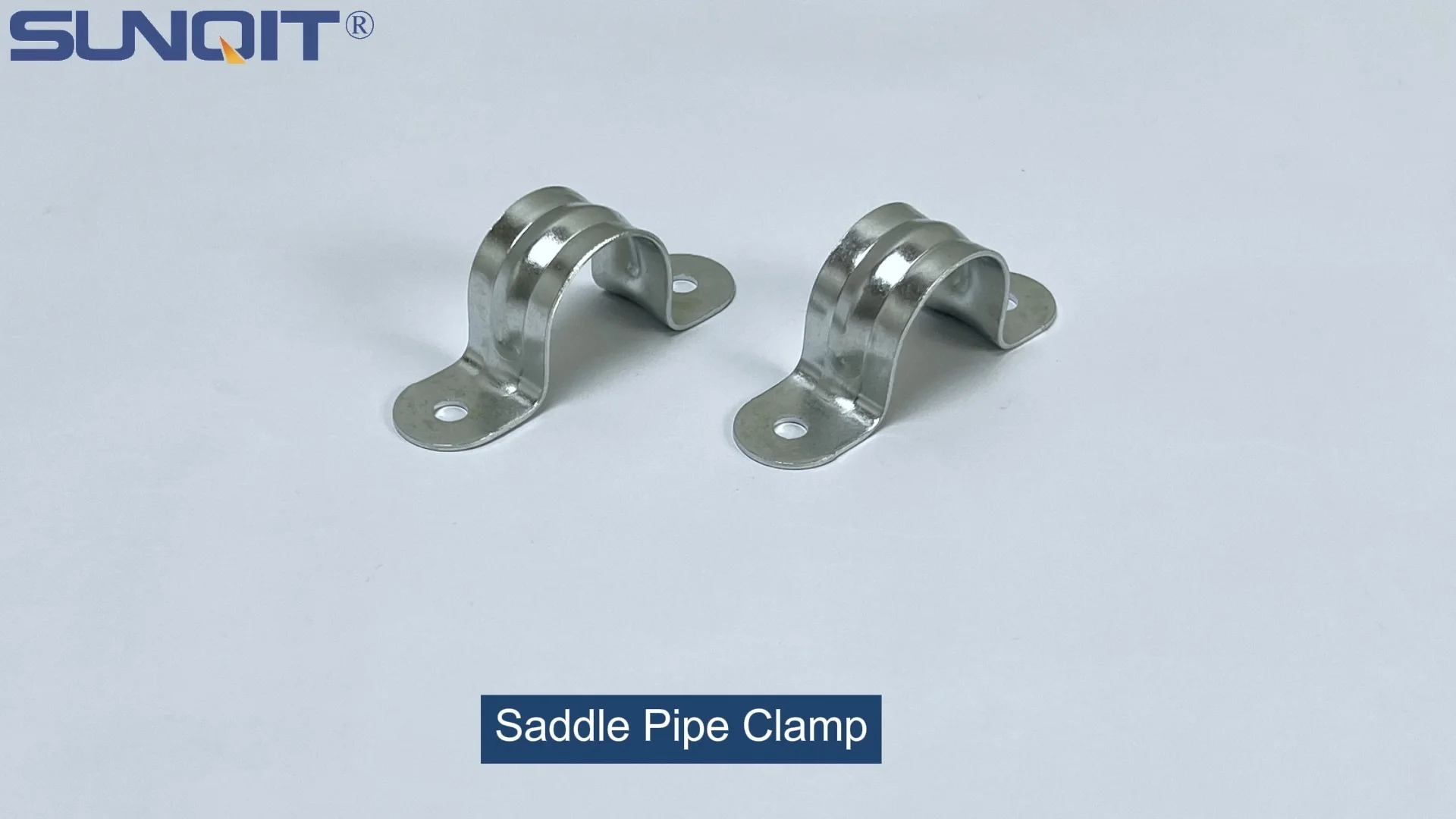
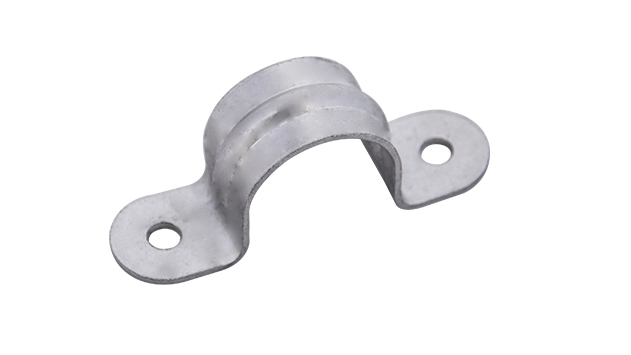
Saddle Pipe Clamp
Saddle pipe clamp, used for board connect with pipe, usually for table top installation.
In the fast-paced world of 3C manufacturing—where "3C" stands for computers, communications, and consumer electronics—efficiency isn't just a buzzword; it's the backbone of staying competitive. Picture this: a factory floor churning out smartphones, laptops, or smartwatches, where every second counts, and every square inch of space matters. Assembly lines here don't just need to be fast; they need to be flexible. New models launch quarterly, component sizes shrink yearly, and production demands swing like a pendulum. This is where lean systems step in, and at the heart of many of these systems lies a small but mighty component: the saddle pipe clamp.
You might not notice it at first glance, but saddle pipe clamps are the unsung heroes holding together the workbenches, roller tracks, and material racks that keep 3C assembly lines moving. They're the reason a team can reconfigure a workbench for a new phone model in hours instead of days, or adjust a roller track to handle smaller circuit boards without calling in a welding crew. In this article, we'll dive into how saddle pipe clamps work, why they're indispensable in 3C manufacturing, and how they integrate with lean pipes, workbenches, and roller tracks to create assembly lines that adapt as quickly as the industry does.
What Are Saddle Pipe Clamps, Anyway?
Let's start with the basics. A saddle pipe clamp is a mechanical fastener designed to secure two or more pipes together—or to attach pipes to other structures—without drilling, welding, or permanent modifications. Think of it as a heavy-duty "hug" for pipes. The name "saddle" comes from its shape: one curved, semicircular part (the "saddle") that wraps around the pipe, and a flat or angled base that connects to another surface, like a workbench frame or a roller track bracket. Most clamps use bolts, screws, or levers to tighten the saddle around the pipe, creating a secure grip that's strong enough to hold tools, components, or even heavy material racks, but easy enough to loosen when you need to make a change.
Design That Prioritizes Flexibility
What makes saddle pipe clamps stand out in 3C assembly lines is their simplicity and adaptability. Unlike welded joints or glued connections, they're temporary by design. Need to raise a workbench by 6 inches? Loosen the clamps, adjust the lean pipes, retighten, and you're done. Want to add a side shelf to hold small components like resistors or capacitors? Attach a new lean pipe section with a few clamps, and it's ready in minutes. This flexibility is gold in 3C manufacturing, where assembly lines are rarely "set it and forget it."
Materials Matter: Steel, Aluminum, and Why It Chooses You
Saddle pipe clamps come in a range of materials, each suited to different needs. Steel clamps are the workhorses—tough, corrosion-resistant (especially if coated), and ideal for heavy-duty applications like holding up multi-tier material racks stacked with PCBs. Aluminum clamps, on the other hand, are lighter and often used in areas where weight matters, like mobile workbenches or hand trolleys that need to be moved around the floor. Some even have plastic or rubber liners on the saddle to protect delicate pipes or reduce vibration—critical when handling sensitive 3C components that can be damaged by jostling.
Why Saddle Pipe Clamps Are Non-Negotiable in 3C Assembly
3C assembly lines face unique challenges. Components are tiny—think microchips smaller than a fingernail—and precision is non-negotiable. At the same time, production runs are often short (to keep up with trends) and demand spikes are unpredictable. Here's why saddle pipe clamps solve these pain points:
Speed: From Blueprint to Production in Hours
In traditional manufacturing, changing an assembly line meant hiring contractors to weld new frames or drill holes in workbenches. That could take days, even weeks. With saddle pipe clamps and lean pipes, it's a DIY job for the production team. For example, when a 3C manufacturer launches a new smartwatch, the assembly line might need narrower workbenches to fit the smaller components. Using clamps, workers can disassemble the old setup, cut lean pipes to the new length (or reuse existing ones), and reassemble the workbench in under a day. No waiting, no extra costs—just productivity.
Durability Without the Bulk
3C assembly lines are busy places. Workers lean on workbenches, material carts bump into racks, and tools get dropped. Saddle pipe clamps need to handle this wear and tear. High-quality steel or aluminum clamps can withstand hundreds of pounds of force, ensuring that roller tracks don't sag under the weight of circuit boards or that workbenches stay stable during precision tasks like soldering. And because they're made from metal, they outlast plastic alternatives, which can crack or warp under constant use.
Cost-Effectiveness: Save Now, Save Later
Welding, custom fabrication, and permanent installations are expensive. Saddle pipe clamps eliminate these costs. They're affordable to buy, reusable (you can move them from one project to another), and require no specialized tools to install—just a wrench or screwdriver. Over time, this adds up. A factory that uses clamps instead of custom welding might save 30-40% on setup and reconfiguration costs, freeing up budget for other upgrades like better lighting or ergonomic tools.
Practical Applications: How Saddle Pipe Clamps Power 3C Assembly Lines
Now, let's get specific. How exactly do saddle pipe clamps fit into the day-to-day of a 3C factory? Let's break down their most common roles, from workbenches to roller tracks.
1. Workbench Configurations: The Heart of Assembly
Workbenches are where the magic happens in 3C assembly. This is where workers assemble motherboards, attach screens, or test components. But not all workbenches are created equal. A bench for soldering needs heat-resistant surfaces and tool holders; one for quality control might need extra lighting and magnifying glasses. Saddle pipe clamps make it easy to build custom workbenches tailored to each task.
Here's how it works: Start with a frame of lean pipes—hollow steel or aluminum tubes that are lightweight but strong. Use saddle pipe clamps to connect the vertical and horizontal pipes, forming the bench's legs and frame. Then, attach a wooden, plastic, or aluminum top using clamps that bolt directly to the frame. Need a shelf for tools? Add a crossbar with clamps, then lay a plywood or metal sheet across it. Want to mount a monitor arm for assembly instructions? Clamp it to the back of the bench. The best part? If a new task requires a taller bench, just swap out the vertical pipes for longer ones and retighten the clamps. No need to buy a whole new bench.
2. Roller Tracks: Keeping Components Flowing
In 3C manufacturing, components rarely stay in one place. Circuit boards, screens, and casings need to move from one workstation to the next—often along roller tracks. These tracks are essentially rows of small wheels mounted on a frame, allowing components to glide smoothly with minimal effort. Saddle pipe clamps are critical here because they secure the roller track to its support structure, whether that's a wall, a rack, or the side of a workbench.
For example, a roller track carrying smartphone casings might need to slope gently downward to use gravity, ensuring casings move at a steady pace. Saddle pipe clamps let workers adjust the angle of the track by raising or lowering one end, using shims or adjustable lean pipe legs. They also attach the track to the frame, preventing it from wobbling or shifting when casings pass through. And if the track gets damaged? Instead of replacing the entire system, just loosen the clamps, swap out the broken section, and retighten. It's that simple.
3. Material Racks and Carts: Organizing the Chaos
3C assembly lines thrive on organization. Loose screws, misplaced microchips, or missing cables can bring production to a halt. Material racks and carts—used to store and transport components—are essential, and saddle pipe clamps make them both sturdy and customizable. A typical material rack might have 3 rows and 3 floors (like "Material Rack B" in many supplier catalogs), each shelf held up by lean pipes connected with clamps. Need to add a fourth floor for smaller components? Just add two more vertical pipes and a horizontal crossbar, secured with clamps. Carts, too, rely on clamps to attach handles, shelves, and even casters (wheels), making them easy to maneuver around tight factory aisles.

Comparing Saddle Pipe Clamp Types: Which One Do You Need?
Not all saddle pipe clamps are the same. Depending on your needs—load capacity, pipe material, or environment—you'll want to pick the right type. Let's compare the most common options used in 3C assembly lines:
| Clamp Type | Material | Load Capacity (Max) | Best For | Pros | Cons |
|---|---|---|---|---|---|
| Steel Saddle Clamp | Carbon Steel (Zinc-Plated) | 500 lbs per clamp | Heavy racks, roller tracks with heavy components | Ultra-strong, corrosion-resistant, long-lasting | Heavier than aluminum; may scratch soft pipes without padding |
| Aluminum Saddle Clamp | Anodized Aluminum | 300 lbs per clamp | Lightweight workbenches, mobile carts | Lightweight, rust-proof, easy to handle | Less strong than steel; not ideal for extreme weight |
| Plastic-Coated Steel Clamp | Steel with PVC Coating | 400 lbs per clamp | Delicate components, ESD-sensitive areas | Prevents scratches, insulates against static (ESD-safe) | Coating can wear off over time; more expensive than plain steel |
For most 3C applications, steel or aluminum clamps are the go-to. Steel is better for heavy-duty tasks like supporting roller tracks or large material racks, while aluminum shines for mobile setups like carts or temporary workbenches. If your line handles ESD-sensitive components (like microchips, which can be damaged by static electricity), plastic-coated steel clamps add an extra layer of protection.

Best Practices: Getting the Most Out of Your Saddle Pipe Clamps
To make sure your saddle pipe clamps last and perform well, follow these tips:
1. Don't Over-Tighten
It's tempting to crank down on the bolts to make sure the clamp is secure, but over-tightening can damage the pipe (especially aluminum or plastic-coated lean pipes) or strip the threads on the clamp. A good rule of thumb: tighten until the clamp doesn't slip, then give the bolt a quarter-turn more. If you're using a torque wrench, aim for 20-30 ft-lbs for steel pipes and 15-20 ft-lbs for aluminum.
2. Match Clamp Size to Pipe Size
Saddle pipe clamps come in different sizes to fit different pipe diameters—most commonly 1 inch, 0.75 inches, or 0.5 inches (like the swivel roller balls mentioned in supplier lists). Using a clamp that's too big will cause slipping; too small will warp the clamp or crack the pipe. Always check the pipe's outer diameter before buying clamps.
3. Inspect Regularly
3C assembly lines are busy, but take 5 minutes every month to check your clamps. Look for loose bolts, rust (on steel clamps), or cracks in the saddle. Tighten any loose clamps and replace damaged ones immediately—this prevents accidents and costly downtime later.
4. Use the Right Accessories
Saddle pipe clamps work best with compatible accessories. For example, if you're attaching a clamp to an aluminum profile workbench, use "roller track placon mount for aluminum profile flat" brackets to ensure a flush, stable connection. If you need to connect two clamps at an angle, use a "90° aluminum crossing joint" to keep the pipes aligned.
Real-World Example: How a 3C Factory Cut Downtime with Saddle Pipe Clamps
Let's wrap up with a story. A mid-sized 3C manufacturer in Shenzhen, China, was struggling to keep up with demand for their new smartwatch line. Their old assembly line used custom-welded workbenches and fixed roller tracks, which took 2-3 days to reconfigure for new models. When they launched a smaller, slimmer watch, the team realized the existing setup was too wide—components kept falling off the edges, and workers were cramped for space.
They decided to switch to a lean system using lean pipes, saddle pipe clamps, and modular workbenches. Here's what happened: First, they disassembled the old welded frames and recycled the metal. Then, they built new workbenches using 1-inch steel lean pipes and steel saddle pipe clamps. The clamps let them adjust the bench width from 4 feet to 3 feet in under an hour. They added roller tracks using "plastic roller track guide rail yellow" (for visibility) and secured them to the benches with clamps, angling the tracks slightly to speed up component flow. Finally, they built mobile material carts with aluminum clamps and casters, so components could be delivered directly to each workstation.
The result? Reconfiguration time dropped from 3 days to 4 hours. Worker productivity increased by 15% because the narrower benches reduced reaching and bending. And because the clamps and pipes were reusable, they repurposed the old setup for a new tablet line 6 months later. All in all, the factory saved over $50,000 in the first year alone—proving that even small components like saddle pipe clamps can make a big impact.
Conclusion: Small Clamps, Big Results
In the world of 3C manufacturing, where change is constant and efficiency is king, saddle pipe clamps are more than just fasteners—they're enablers. They turn rigid assembly lines into flexible, adaptable systems that can keep up with new models, shifting demands, and evolving worker needs. Whether they're holding together a workbench, securing a roller track, or building a material rack, these small but sturdy clamps prove that sometimes the most important innovations come in the simplest packages.
So the next time you pick up a smartphone or laptop, take a moment to appreciate the unseen heroes behind its creation. Somewhere, in a factory far away, a saddle pipe clamp is hard at work—keeping the line moving, one "hug" at a time.