- Company Articles
- Products and Technology
- Procurement Guidelines
- Saddle Pipe Clamp Buying Guide: Key Features to Look for in Industrial Clamps

Saddle Pipe Clamp Buying Guide: Key Features to Look for in Industrial Clamps
Related Product
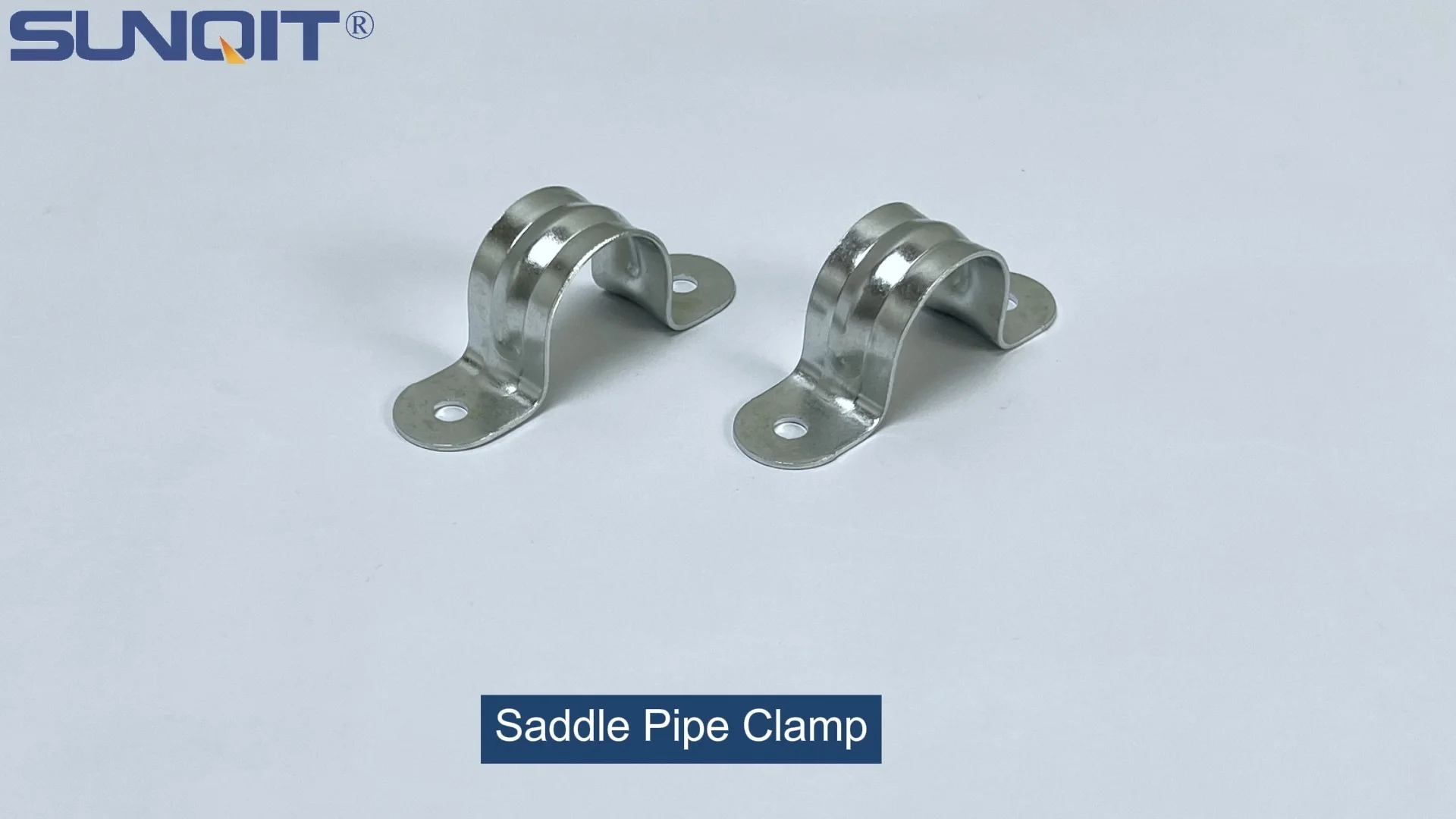
Saddle Pipe Clamp
Saddle pipe clamp, used for board connect with pipe, usually for table top installation.
Let's talk about the unsung heroes of your workshop, factory floor, or construction site—the saddle pipe clamps. You might not think about them often, but these small, unassuming components are the glue that holds your operations together. Whether you're building a lean pipe workbench, securing conveyor systems, or setting up material racks, the right saddle pipe clamp can mean the difference between a smooth, efficient workflow and a frustrating, accident-prone mess. But with so many options on the market—different materials, sizes, and designs—how do you know which one is right for your project? In this guide, we'll walk through everything you need to know to make an informed choice, from material selection to supplier vetting. Let's dive in.
What Are Saddle Pipe Clamps, Anyway?
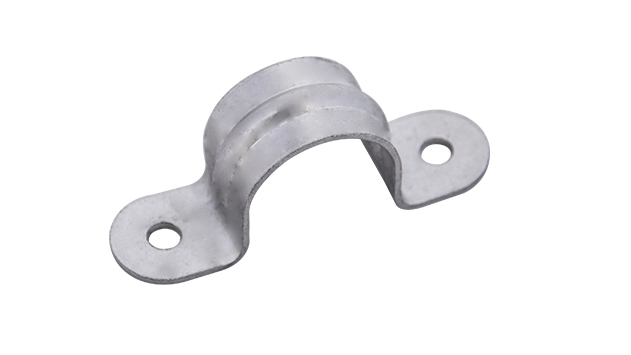
First things first: let's clarify what we're actually talking about. A saddle pipe clamp is a mechanical device designed to secure pipes, tubes, or rods to a surface (like a wall, beam, or another pipe) or to each other. The "saddle" refers to the curved, U-shaped part that wraps around the pipe, providing a snug fit, while the base or mounting plate attaches to the supporting structure. Simple enough, right? But don't let their simplicity fool you—these clamps play a critical role in maintaining stability, safety, and organization in industrial settings.
Think about it: if a pipe holding up a section of your lean pipe workbench comes loose because of a cheap clamp, it could derail production, damage materials, or even injure someone. On the flip side, a high-quality clamp that's well-suited to your needs will quietly do its job for years, keeping your setup secure and your mind at ease. That's why choosing the right one matters more than you might realize.
Key Features to Prioritize When Shopping
Not all saddle pipe clamps are created equal. To avoid buyer's remorse, here are the must-check features before adding to cart:
1. Material: The Foundation of Durability
The material of your clamp determines its strength, corrosion resistance, and lifespan. Let's break down the most common options:
- Stainless Steel: If you're working in a damp, humid, or corrosive environment (think food processing, marine, or chemical plants), stainless steel is your best bet. It's part of the stainless steel pipe series for a reason—resistant to rust and easy to clean. Look for grades like 304 (general use) or 316 (high corrosion resistance, ideal for saltwater or harsh chemicals).
- Aluminum: Lightweight and corrosion-resistant, aluminum clamps are great for applications where weight matters, like aerospace or temporary setups. They're also a popular choice for aluminum pipe clamp systems, pairing well with aluminum lean pipes in lean manufacturing setups.
- Carbon Steel (Galvanized or Painted): Budget-friendly and strong, but prone to rust if not coated. Good for dry, indoor environments where cost is a priority, but skip them for outdoor or wet areas.
- Plastic: Best for lightweight, non-conductive, or low-stress applications (e.g., holding small plastic pipes in HVAC systems). Not ideal for heavy loads or high temperatures.
Pro tip: Match the clamp material to the pipe material when possible. For example, using aluminum clamps with aluminum pipes prevents galvanic corrosion (a chemical reaction that eats away at metal when dissimilar metals touch in the presence of moisture).
2. Size Compatibility: One Size Does Not Fit All
This might seem obvious, but you'd be surprised how many people grab the first clamp they see without checking the pipe diameter. A clamp that's too loose won't hold; one that's too tight could crush the pipe or strip threads. Always measure your pipe's outer diameter (OD) before shopping. Most clamps list compatible pipe sizes (e.g., 1/2 inch, 1 inch, 2 inches), but double-check—some brands use metric measurements, so confirm inches vs. millimeters.
Also, consider the saddle design: some clamps have a fixed saddle (one size only), while others are adjustable (fit a range of sizes). Adjustable clamps are versatile but may not provide as tight a grip as fixed ones for heavy loads.
3. Load Capacity: Don't Skimp on Strength
Every clamp has a maximum load it can safely support—this is non-negotiable. If you're securing a pipe that holds up a heavy lean pipe workbench or a conveyor system carrying bulk materials, underestimating load capacity is a disaster waiting to happen. Check the manufacturer's specs for "static load" (weight when stationary) and "dynamic load" (weight when moving, like a vibrating pipe). Err on the side of caution: if your setup weighs 500 lbs, choose a clamp rated for at least 750 lbs to account for unexpected stress.
4. Installation Type: How Will You Mount It?
Clamps come in different installation styles, and choosing the right one depends on your mounting surface and tools:
- Bolt-On: Secure with bolts through pre-drilled holes. Strong and permanent, ideal for heavy loads. Requires drilling into the mounting surface (wall, beam, etc.).
- Threaded Rod: The clamp has a threaded rod that screws into a nut or bracket. Good for overhead installations or where you need height adjustment.
- Weld-On: For maximum strength, weld the clamp directly to metal surfaces. Permanent and industrial-grade, but requires welding equipment and skills.
- Quick-Release: Features a lever or latch for easy installation/removal. Great for temporary setups or pipes that need frequent access (e.g., maintenance).
5. Corrosion Resistance: Fight the Elements
Even if you're not in a coastal area, moisture, chemicals, or salt can take a toll. Look for clamps with protective coatings: galvanized (zinc coating for steel), powder-coated (durable, colorful finish), or anodized (for aluminum). Stainless steel, as mentioned earlier, is naturally corrosion-resistant, but it's pricier—weigh the cost against the environment.
6. Joint Design: Pairing with Your Setup
In lean manufacturing, clamps often work alongside lean pipe joint components to build workbenches, flow racks, and material handling systems. If you're using lean pipes, ensure the clamp's joint design (how it connects to the pipe and supporting structure) is compatible with your existing lean pipe joint setup. Some clamps have built-in slots or holes that align with lean pipe accessories, making assembly faster and more secure.
Types of Saddle Pipe Clamps: Which One Do You Need?
Beyond features, clamps come in specialized types for specific jobs. Here's how to choose:
Standard vs. Heavy-Duty
Standard clamps work for light to medium loads (e.g., holding electrical conduit or small water pipes). Heavy-duty clamps have thicker materials, larger bolts, and reinforced saddles for big pipes or heavy machinery. If you're unsure, go heavy-duty—it's better to have extra strength than not enough.
Single Saddle vs. Double Saddle
Single saddle clamps hold one pipe; double saddle clamps hold two parallel pipes (e.g., in HVAC systems where two pipes run side by side). Double saddles save space and ensure pipes stay aligned.
Insulated Clamps
For pipes carrying hot or cold fluids, insulated clamps (with rubber or foam padding) prevent condensation, reduce heat loss, and protect the pipe from damage. They also minimize noise from vibrating pipes—win-win.
Hygienic Clamps
In food, beverage, or pharmaceutical industries, hygiene is non-negotiable. Hygienic clamps have smooth surfaces (no crevices for bacteria to hide) and are easy to sanitize. Stainless steel is the go-to material here, often with polished finishes.

How to Choose a Reliable Supplier
Even the best clamp design is useless if it's poorly made. Here's how to find a trustworthy lean pipe supplier or clamp manufacturer:
1. Check Quality Certifications
Reputable suppliers will have certifications like ISO 9001 (quality management) or ASME (for pressure systems). These ensure they follow strict manufacturing standards.
2. Read Reviews and Ask for References
Look for customer reviews online (Google, industry forums) or ask the supplier for references from clients in your industry. A supplier with happy customers in similar fields is more likely to meet your needs.
3. Request Samples
Before placing a bulk order, ask for a sample clamp. Test its fit, strength, and finish. If it feels flimsy or the threads are rough, move on—details matter.
4. Inquire About Customization
If you have unique needs (unusual pipe size, custom material, or branding), check if the supplier offers customization. A flexible supplier can save you time and money in the long run.

Common Mistakes to Avoid
Even seasoned pros make these errors—don't let them cost you:
- Ignoring Material Compatibility: Mixing steel clamps with copper pipes? Galvanic corrosion will eat through both. Always match metals or use insulating sleeves.
- Underestimating Load: "It's just a small pipe" can lead to disaster. Calculate the total weight (pipe + contents + vibration) and choose a clamp rated for 1.5x that load.
- Skipping Installation Instructions: Overtightening can warp the pipe; undertightening leads to slippage. Follow the manufacturer's torque specs.
- Forgetting the Environment: Using a painted steel clamp outdoors in the rain? Rust will set in within months. Spend extra on stainless steel or aluminum if needed.
Maintenance Tips to Extend Clamp Life
A little care goes a long way in keeping your clamps working like new:
- Clean Regularly: Wipe down stainless steel or aluminum clamps with a damp cloth to remove dirt and grime. For painted or galvanized clamps, avoid abrasive cleaners that scratch the coating.
- Inspect for Wear: Check for rust, cracks, loose bolts, or bent saddles every 3-6 months (more often in harsh environments). replace damaged clamps immediately—don't wait for failure.
- Tighten Bolts: Vibration can loosen bolts over time. Give them a gentle tighten with a wrench periodically.
- Lubricate Threads: For threaded clamps, apply a small amount of anti-seize lubricant to prevent rust and make future adjustments easier.
FAQs: Your Burning Questions Answered
Q: Can I use aluminum clamps with stainless steel pipes?
A: Yes, but use a rubber or plastic insulator between them to prevent galvanic corrosion. Aluminum and stainless steel are dissimilar metals, and moisture can cause a reaction that damages both.
Q: How do I know if a clamp is rated for my pipe size?
A: Check the product specs for "pipe size" or "OD range." Measure your pipe's outer diameter with a caliper (not a ruler—ruler measurements can be off) and match it to the clamp's range. When in doubt, contact the supplier with your pipe OD.
Q: Are plastic clamps strong enough for industrial use?
A: It depends on the load. Heavy-duty plastic (like nylon or PVC) can handle light to medium loads in dry environments, but for metal pipes or heavy machinery, stick with metal clamps.
Q: How often should I replace saddle pipe clamps?
A: In ideal conditions (dry, indoor, low stress), stainless steel or aluminum clamps can last 10+ years. In harsh environments, check yearly and replace at the first sign of significant rust, cracks, or deformation.
Final Thoughts: Invest in Quality
Saddle pipe clamps might not be the most glamorous part of your setup, but they're the backbone of safety and efficiency. By prioritizing material, size, load capacity, and compatibility with components like lean pipe joint systems, you'll avoid headaches and ensure your operation runs smoothly. Remember: a cheap clamp might save you money today, but a failed clamp could cost you production time, materials, or even injuries tomorrow. Choose wisely, maintain regularly, and your clamps will keep your pipes—and your peace of mind—secure for years to come.