- Company Articles
- Products and Technology
- Product knowledge
- Saddle Pipe Clamp Color Coding: Organizing Pipes in Multi-Line Manufacturing

Saddle Pipe Clamp Color Coding: Organizing Pipes in Multi-Line Manufacturing
Related Product
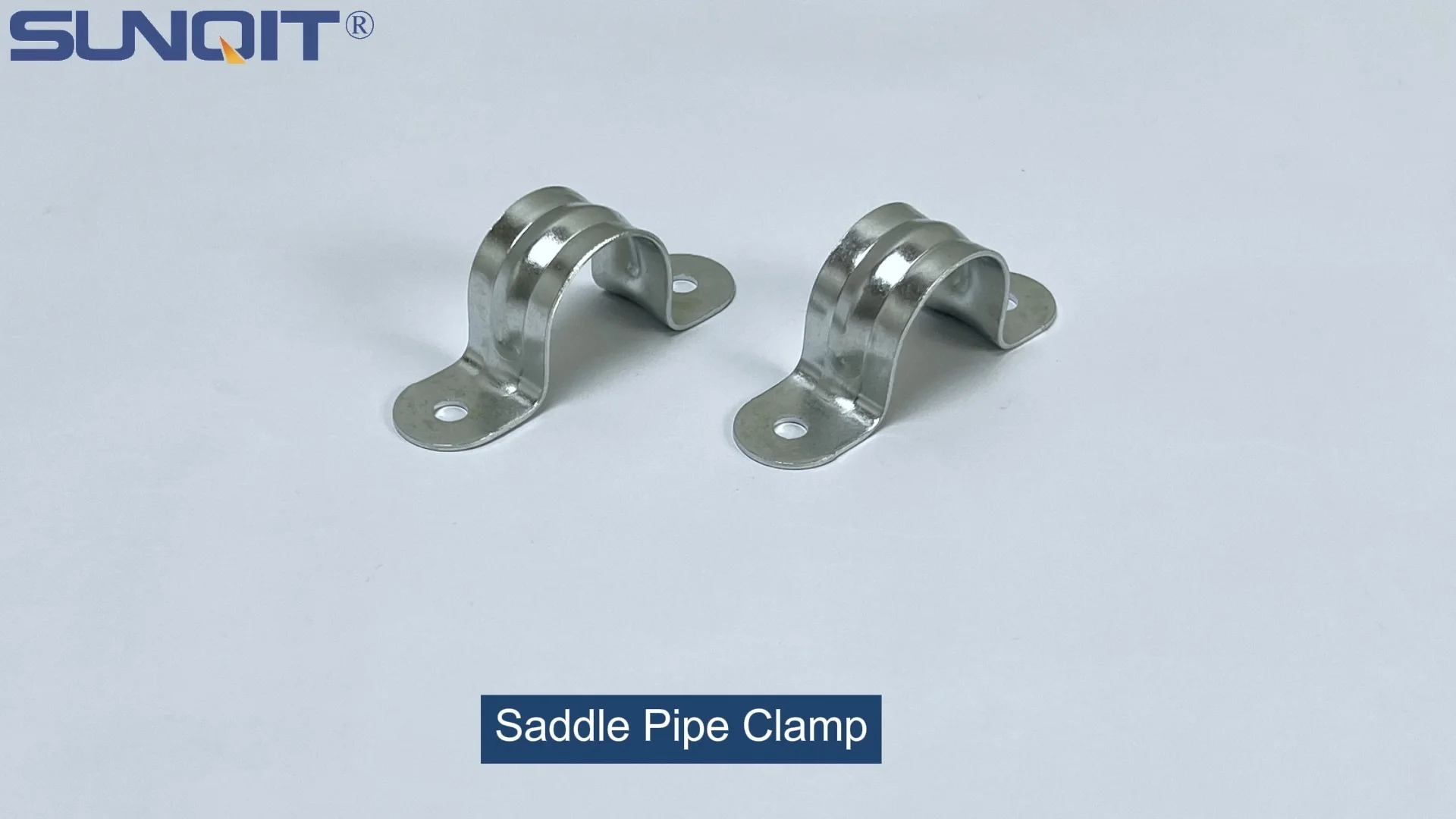
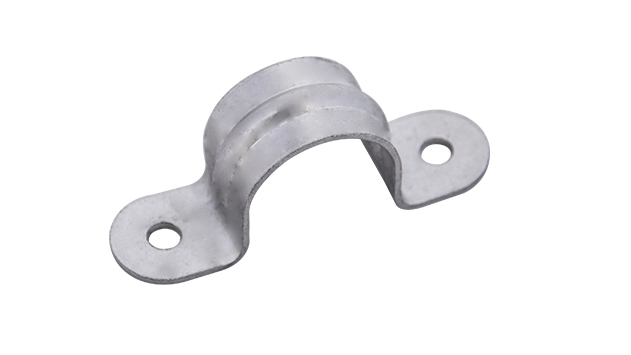
Saddle Pipe Clamp
Saddle pipe clamp, used for board connect with pipe, usually for table top installation.
The Hidden Cost of Pipe Chaos in Manufacturing
Walk into any bustling manufacturing facility, and you'll likely be met with a symphony of machinery, the hum of conveyor belts, and the steady rhythm of production lines. But amid this organized chaos, there's often an unsung villain: unorganized pipes. From hydraulic lines snaking across the floor to pneumatic tubes tangled above workstations, these essential components—when left unmanaged—become more than just eyesores. They're silent productivity killers.
Consider this: A maintenance technician spends 20 minutes tracing a leaky pipe, only to realize it's connected to the wrong production line. A new operator pauses, confused, when trying to identify which tube supplies air to the assembly station. A loose clamp goes unnoticed until it causes a spill, halting production for hours. These scenarios aren't just hypothetical—they're daily realities in factories where pipe organization takes a backseat to "more pressing" tasks. The result? Wasted time, increased errors, and unnecessary stress for teams already stretched thin.
In multi-line manufacturing, where dozens of production lines run simultaneously, each with its own network of pipes, the problem compounds. Pipes for water, air, electricity, and high-pressure fluids crisscross, and without a clear system to distinguish them, even seasoned workers can struggle. Traditional solutions—like handwritten labels or generic clamps—fade, smudge, or blend into the background, offering little relief. It's time for a better approach.
Saddle Pipe Clamps: The Unsung Heroes of Pipe Stability
Before diving into color coding, let's talk about the foundation: saddle pipe clamps. These unassuming tools are the backbone of pipe organization, designed to secure pipes to walls, floors, or machinery with minimal fuss. Shaped like a "U" (or saddle), they wrap around the pipe and fasten to a surface, preventing movement, reducing vibration, and protecting pipes from wear and tear.
Made from materials like stainless steel, aluminum, or durable plastic, saddle pipe clamps are built to withstand the harsh conditions of manufacturing environments—think extreme temperatures, oil spills, and constant mechanical stress. They come in various sizes to fit different pipe diameters, from small 0.5-inch tubes to larger 2-inch industrial pipes. But while their primary job is to hold pipes in place, they have a hidden potential: to act as beacons of organization. When paired with color coding, these simple clamps transform from functional hardware into powerful tools for clarity.
Why saddle pipe clamps, specifically? Unlike generic clamps or zip ties, they're designed for visibility. Their exposed "saddle" portion—visible from all angles—provides the perfect canvas for color coding. And because they're standardized, they ensure consistency across the facility. In short, they're not just for securing pipes—they're for making sense of them.
The Case for Color: Why Traditional Labels Fall Short
For years, factories have relied on labels, tags, or even marker pens to identify pipes. But in the chaos of a manufacturing floor, these methods quickly fail. Labels peel off after weeks of exposure to oil and moisture. Handwritten notes smudge or fade under heat lamps. And in low-light areas or from a distance, text-based labels become unreadable. worse, with multiple shifts and temporary staff, consistency in labeling is nearly impossible to maintain.
Color coding, on the other hand, speaks a universal language. Our brains process colors faster than text—studies show we recognize colors in as little as 0.5 seconds, compared to 2-3 seconds for words. In high-pressure situations, like a pipe burst or equipment malfunction, those extra seconds can mean the difference between a minor fix and a major shutdown. Colors also transcend language barriers, making them ideal for diverse workforces with employees from different backgrounds.
But color coding isn't just about speed—it's about standardization. When every red clamp means "high-pressure fluid" and every blue clamp means "water," there's no room for interpretation. New hires can learn the system in hours, not weeks. Teams across shifts stay aligned. And when changes happen—like adding a new production line—updating color codes is far easier than re-labeling every pipe.

Designing Your Saddle Pipe Clamp Color Coding System
Implementing color coding for saddle pipe clamps isn't about randomly painting clamps rainbow hues. It's about creating a logical, scalable system tailored to your facility's unique needs. Here's how to start:
Step 1: Map Your Pipe Network
Begin by auditing your facility. Walk each production line and document every pipe, noting its purpose (e.g., hydraulic, pneumatic, water), pressure level (high vs. low), line (Line A, Line B, etc.), and any special considerations (e.g., temporary, ESD-sensitive). This map will be your blueprint—skip it, and you risk missing critical pipes or creating redundant codes.
Step 2: Choose a Color Palette with Purpose
Colors should communicate specific, consistent messages. While there's no one-size-fits-all standard, many facilities follow these guidelines:
| Color | Common Meaning | Example Use Case |
|---|---|---|
| Red | High-pressure fluids/gases | Hydraulic lines for heavy machinery |
| Blue | Water (non-potable) | Cooling systems for welding stations |
| Green | Compressed air | Pneumatic tools at assembly workbenches |
| Yellow | Temporary installations | Short-term pipes for a trial production line |
| Orange | ESD-sensitive areas | Pipes near ESD workstations for electronics |
Pro tip: Avoid overly similar colors (e.g., light blue vs. sky blue) to prevent confusion, especially for workers with color vision deficiencies. Test your palette with a diverse group before finalizing.
Step 3: Label Clamps, Not Just Pipes
The magic of saddle pipe clamps is their visibility. Instead of painting the pipes themselves (which can chip or require reapplication), color the clamps. This way, even if a pipe is replaced, the clamp's color remains a constant identifier. Use durable, factory-grade paint or pre-colored clamps—investing in quality here prevents frequent touch-ups.

From Clamps to Culture: Integrating Color Coding into Lean Systems
Color coding saddle pipe clamps isn't just a standalone fix—it's a natural fit for lean manufacturing systems. Lean principles, which focus on eliminating waste (or "muda"), align perfectly with the goal of organized pipes. After all, time spent searching for pipes, correcting errors, or fixing preventable damage is pure waste. By making pipes instantly identifiable, color coding streamlines workflows and reduces non-value-added tasks.
Real-World Impact: A mid-sized automotive parts manufacturer recently implemented color-coded saddle pipe clamps as part of their lean transformation. They focused on their flow rack systems—critical for moving materials to assembly lines—where pipes for air and power often got mixed up. By coding green clamps for air and red for power, they reduced the time operators spent verifying connections by 65%. Maintenance response times for flow rack issues dropped by 40%, and temporary shutdowns due to pipe mix-ups became a thing of the past. "It's like giving our pipes a voice," one supervisor noted. "Everyone, from new hires to veterans, can 'read' them at a glance."
Lean pipe systems—flexible, modular setups used in agile manufacturing—benefit especially from color coding. These systems, made of lightweight aluminum or steel pipes, are designed to adapt quickly to changing production needs. But with frequent reconfigurations, pipes can easily become disorganized. Color-coded saddle clamps act as a "memory" for the system, ensuring that even after rearranging a workbench or reconfiguring a conveyor, pipes stay labeled correctly.
Training and Adoption: Making Color Coding Stick
A color coding system is only as effective as the team using it. Even the most well-designed palette will fail if workers don't understand or follow it. Here's how to ensure adoption:
Train with context, not just rules: Instead of handing out a color chart, walk teams through the facility and point out real examples. "See this red clamp? That's a high-pressure line—if it leaks, we need to shut down Line C immediately." Context makes the system memorable.
Involve frontline workers: Ask technicians, operators, and supervisors for input. They'll spot edge cases you might miss (e.g., "We have two types of water pipes—potable and non-potable—can we add a light blue for potable?"). When people help design the system, they're more likely to uphold it.
Post visual reminders: Hang color charts near workstations, break rooms, and entry points. Include QR codes linking to a digital guide for quick reference. Over time, the colors will become second nature, but reminders speed up the learning curve.
Avoiding Common Pitfalls: Keeping Your System Effective
Color coding isn't a "set it and forget it" solution. To keep it working, watch for these mistakes:
Failing to update codes: As production lines change, so do pipe networks. A new high-pressure line added six months later should follow the red color rule—not get a random new color because "red was already used." Review and update your color chart quarterly.
Ignoring wear and tear: Paint fades, especially in harsh environments. Schedule monthly checks to touch up chipped clamps or replace ones that are no longer legible. Consider investing in color-coded clamps (pre-painted by manufacturers) for longer durability.
Overcomplicating the palette: Adding 10+ colors might seem thorough, but it'll confuse teams. Stick to 5-7 core colors, and use stripes or secondary colors (e.g., red-and-white for "high-pressure + ESD") only for rare exceptions.
Conclusion: Small Clamps, Big Impact
Saddle pipe clamp color coding isn't about making your factory "prettier"—it's about empowering your team to work smarter. By turning clamps into visual cues, you eliminate guesswork, reduce errors, and free up time for the tasks that truly move the needle. In multi-line manufacturing, where every second counts, this isn't just an upgrade—it's a necessity.
So, the next time you walk through your facility, take a closer look at those pipes. Are they a source of frustration, or a well-oiled part of your lean system? With a little color and a lot of intention, you can transform chaos into clarity—one clamp at a time.