- Company Articles
- Products and Technology
- Product knowledge
- Saddle Pipe Clamp Corrosion Resistance: Why It Matters in Humid Industrial Environments

Saddle Pipe Clamp Corrosion Resistance: Why It Matters in Humid Industrial Environments
Related Product
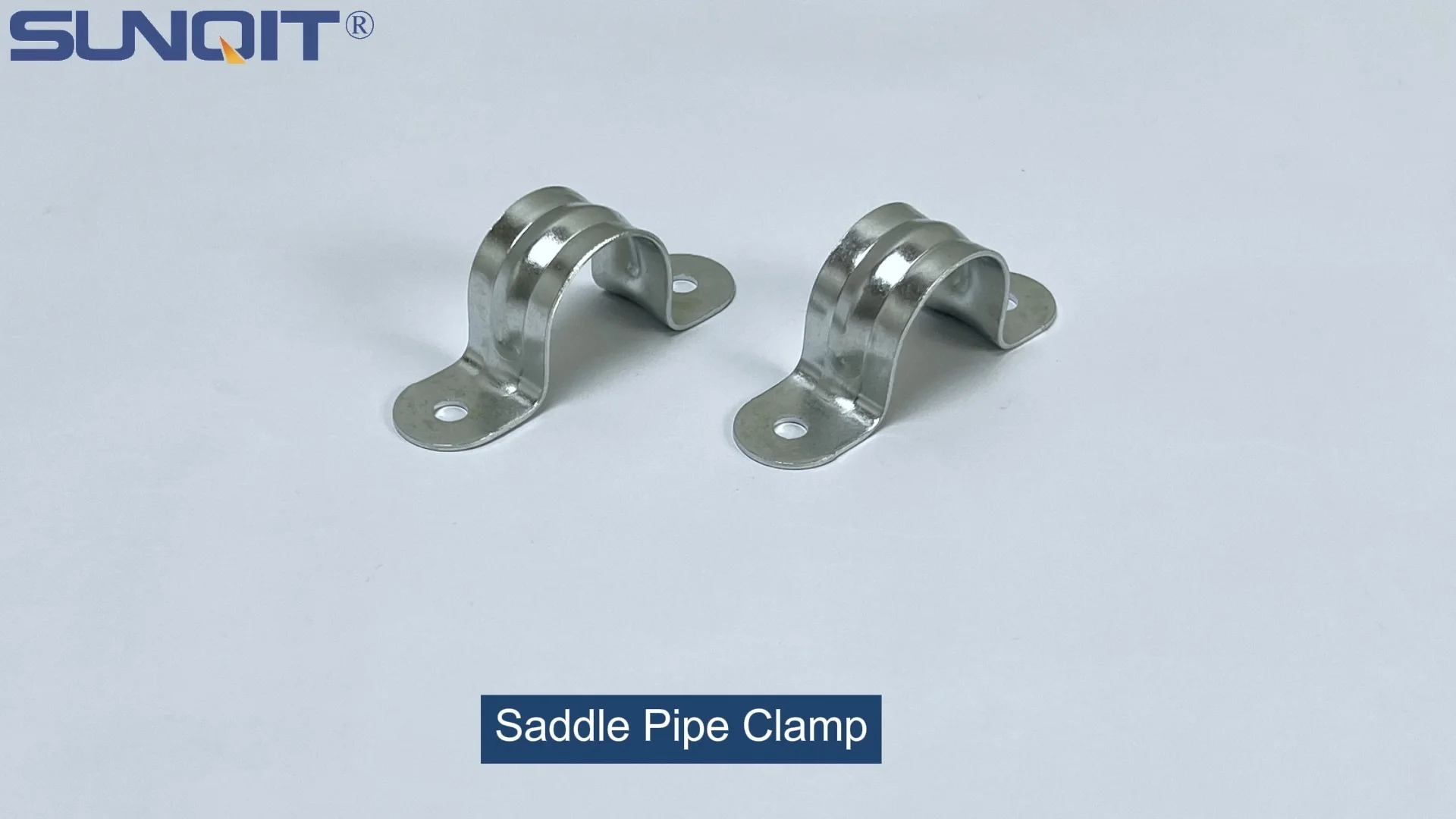
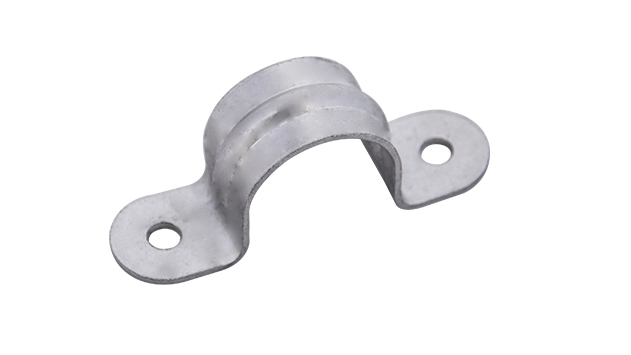
Saddle Pipe Clamp
Saddle pipe clamp, used for board connect with pipe, usually for table top installation.
Walk into any bustling factory, and you'll be met with the symphony of machinery—whirring conveyor belts, clinking tools, and the steady hum of assembly lines. But beneath that organized chaos lies a silent, persistent threat: humidity. It's in the thick air of coastal plants, the condensation on cold metal surfaces in food processing facilities, and the steam-filled corners of chemical warehouses. Over time, that moisture doesn't just make the air feel heavy; it eats away at the metal components that keep everything running. Nuts, bolts, brackets—even the unsung heroes like saddle pipe clamps—start to rust, weaken, and fail. And when a small part like a clamp gives way, the ripple effects can be huge: delayed production, costly repairs, and even safety risks for workers.
In this article, we're pulling back the curtain on one of those underappreciated workhorses: the saddle pipe clamp. We'll explore why its ability to stand up to humidity isn't just a "nice-to-have" feature, but a critical factor in keeping industrial operations smooth and reliable. From the science of corrosion to real-world impacts, let's dive into why corrosion resistance in saddle pipe clamps matters—and how choosing the right materials (like those in the stainless steel pipe series) can make all the difference.
What Even Is a Saddle Pipe Clamp, Anyway?
Before we get into the nitty-gritty of corrosion, let's make sure we're all on the same page about what a saddle pipe clamp actually does. Think of it as the "middleman" of industrial piping: a simple, sturdy device designed to hold pipes securely in place. Whether you're routing hydraulic lines above a workbench, securing ventilation ducts in a warehouse, or stabilizing material racks on a factory floor, saddle pipe clamps are the quiet force keeping those pipes from shifting, sagging, or even falling.
What makes them so versatile? Unlike rigid brackets, saddle clamps are designed to "hug" the pipe, distributing pressure evenly to avoid damaging the surface. They come in different sizes to fit everything from small-diameter aluminum pipes to heavy-duty stainless steel ones, and they're often paired with other components like lean pipe joints to build flexible, modular systems. Imagine building a lean workbench: the frame might use aluminum profile, the shelves could be held up with lean pipe joints, and the pipes carrying power or air? Those are secured with saddle pipe clamps. Small part, big job.
Humidity: The Invisible Enemy of Industrial Metal
Let's talk about humidity. In industrial settings, it's rarely just "a little damp." We're talking about environments where the air feels like a wet blanket—think paper mills, breweries, or coastal factories where saltwater mist hangs in the air. When metal parts are exposed to that kind of moisture day in and day out, something called "corrosion" starts to happen. And no, it's not just rust (though rust is a common type of corrosion). It's a chemical reaction where metal breaks down when it reacts with water and oxygen. Over time, that reaction turns strong steel into flaky, brittle oxide—and a once-reliable saddle pipe clamp into a ticking time bomb.
Here's why humidity accelerates this process: When the air is humid, water vapor condenses on cool metal surfaces, forming a thin layer of liquid water. That water acts as a conductor, turning the metal into a battery of sorts. The metal (let's say iron) loses electrons and dissolves into the water, while oxygen from the air gains electrons and forms hydroxide ions. The result? Iron hydroxide, which eventually dries out and becomes iron oxide—better known as rust. And if there are other chemicals in the air, like salt or acids (common in food processing or chemical plants), the process speeds up even more. Suddenly, that saddle pipe clamp holding up a pipe full of coolant isn't just "a little rusty"—it's losing structural integrity by the day.
Why Corrosion Resistance in Saddle Pipe Clamps Isn't Optional
You might be thinking, "So what if a clamp gets a little rust? Can't we just replace it?" In theory, yes—but in practice, the costs of ignoring corrosion resistance add up fast. Let's break down why this small component's ability to fight off humidity matters so much:
Safety First: Imagine a saddle pipe clamp securing a pipe that carries hot water or hydraulic fluid. If corrosion weakens the clamp, the pipe could slip, leading to leaks. In the worst case, a falling pipe could injure workers or damage expensive machinery. In food processing plants, a rusted clamp might even contaminate products—costing brands millions in recalls and lost trust.
Downtime Equals Dollars: When a clamp fails, production stops. Workers have to shut down the line, find a replacement, and reinstall it. For a factory churning out products 24/7, even an hour of downtime can mean thousands of dollars in lost revenue. Multiply that by multiple clamp failures across a facility, and the numbers get scary fast. Corrosion-resistant clamps last longer, meaning fewer unexpected breakdowns and less time wasted on repairs.
Long-Term Cost Savings: It's tempting to buy the cheapest clamp available, but corrosion-prone materials (like plain carbon steel) will need to be replaced far more often than corrosion-resistant ones (like stainless steel). Let's do the math: A basic carbon steel clamp might cost $5, but needs replacing every 6 months. A stainless steel clamp from the stainless steel pipe series might cost $10, but lasts 5 years. Over 5 years, you'd spend $50 on carbon steel clamps (10 replacements) vs. $10 on stainless steel. That's a no-brainer for any budget-conscious operations manager.
System Reliability: Industrial systems are only as strong as their weakest link. If saddle pipe clamps corrode, pipes shift, which can throw off alignment in conveyors, misalign workbenches, or even damage lean pipe joints downstream. A single failing clamp can disrupt an entire production line, turning a minor issue into a major headache.

Materials Matter: Which Saddle Pipe Clamps Fight Corrosion Best?
Not all saddle pipe clamps are created equal when it comes to standing up to humidity. The material they're made from is the first line of defense. Let's compare the most common options, with a focus on how they hold up in damp environments:
| Material Type | Key Components | Corrosion Resistance (1-5) | Typical Lifespan in Humid Industrial Settings | Best For |
|---|---|---|---|---|
| Stainless Steel (304/316) | Chromium (18-20%), Nickel (8-10%), Molybdenum (in 316) | 5/5 | 5-10+ years | Coastal plants, food processing, chemical facilities |
| Galvanized Steel | Carbon steel coated with zinc | 3/5 | 2-3 years (coating wears off) | Dry to moderately humid indoor environments |
| Aluminum | Pure aluminum or aluminum alloys | 4/5 | 4-6 years (forms protective oxide layer) | Lightweight applications, non-corrosive liquid lines |
| Plastic-Coated Steel | Carbon steel with PVC or nylon coating | 3/5 | 1-2 years (coating cracks/peels) | Temporary setups, low-moisture areas |
Unsurprisingly, stainless steel takes the top spot here. The stainless steel pipe series includes clamps made from grades like 304 and 316, which are packed with chromium. When chromium reacts with oxygen, it forms a thin, invisible layer of chromium oxide on the surface—this layer acts like a shield, preventing the underlying metal from reacting with water or oxygen. And if the surface gets scratched? The chromium oxide layer "heals" itself, reforming to protect the metal again. For extra protection in saltwater or chemical-heavy environments, 316 stainless steel adds molybdenum, making it even more resistant to pitting corrosion.
Aluminum is a solid runner-up. It forms its own protective oxide layer, but it's softer than stainless steel, so it's better for lightweight applications where strength isn't the top priority. Galvanized steel, while cheaper, relies on a zinc coating that can chip or wear off over time—once that happens, the underlying steel starts to rust. Plastic-coated steel is a budget option, but the coating can crack with temperature changes or physical stress, leaving the steel exposed. In humid environments, it's a temporary fix at best.

Saddle Pipe Clamps in Action: A Day in the Life
To really understand why corrosion resistance matters, let's walk through a hypothetical (but totally realistic) day at a coastal food processing plant. The facility makes frozen seafood, so it's cold inside, but outside, the air is thick with saltwater mist. Humidity levels hover around 85% year-round—prime conditions for corrosion.
In the packaging area, a conveyor belt carries frozen shrimp to the sealing machines. Above the conveyor, a pipe carries chilled water to cool the system, secured with saddle pipe clamps. Five years ago, the plant used galvanized steel clamps. Every 18 months, maintenance crews would notice rust spots, and by 2 years, the clamps were so corroded they'd start to loosen. Replacing them meant shutting down the conveyor for 2 hours each time—costing the plant ~$5,000 in lost production per shutdown.
Then, the plant switched to 316 stainless steel saddle pipe clamps from the stainless steel pipe series. Five years later, those clamps still look brand new. No rust, no loosening, and zero unplanned downtime. The maintenance team now only checks them during routine inspections, freeing up time to focus on other tasks. And because the clamps are secure, the chilled water pipe hasn't shifted, keeping the conveyor running smoothly. That small switch to corrosion-resistant clamps saved the plant tens of thousands of dollars in downtime and replacement costs—not to mention the peace of mind for the operations manager.
Another example: a pharmaceutical plant where cleanliness is critical. Saddle pipe clamps secure pipes carrying purified water to filling stations. Using stainless steel clamps here isn't just about corrosion resistance—it's about preventing rust particles from flaking off into the water, which could contaminate medications. In this case, corrosion resistance isn't just a cost-saver; it's a regulatory requirement.
Installing and Maintaining Saddle Pipe Clamps for Maximum Longevity
Even the best corrosion-resistant saddle pipe clamp won't last forever if it's installed or maintained poorly. Here are some tips to get the most out of your clamps in humid environments:
Choose the Right Size: A clamp that's too loose won't hold the pipe securely, leading to movement and wear. One that's too tight can damage the pipe's surface (especially if it's aluminum or plastic), creating weak spots where corrosion can start. Always check the pipe diameter and match it to the clamp size.
Clean Surfaces Before Installation: Dirt, grease, or old rust on the pipe or mounting surface can trap moisture, accelerating corrosion. Wipe down the pipe and the area where the clamp will attach with a clean, dry cloth before installing.
Use Compatible Materials: Mixing metals can cause galvanic corrosion. For example, if you're using a stainless steel clamp, pair it with stainless steel bolts and a stainless steel mounting bracket. Avoid using a copper pipe with an aluminum clamp—they'll react and corrode faster.
Inspect Regularly: Even stainless steel clamps need a quick check now and then. Look for signs of pitting (small holes), discoloration, or looseness. In high-humidity areas, inspect monthly; in moderate areas, quarterly should suffice.
Clean and Lubricate: Wipe down clamps with a damp cloth to remove salt, dust, or chemicals that could eat away at the surface. For moving parts (like bolts), apply a corrosion-resistant lubricant (like silicone spray) to prevent seizing.
The Bottom Line: Corrosion Resistance Is an Investment, Not an Expense
Saddle pipe clamps might not be the flashiest part of your industrial setup, but they're the glue that holds critical systems together. In humid environments, where moisture is constantly working to break down metal, choosing a corrosion-resistant clamp—like those in the stainless steel pipe series—is one of the smartest decisions you can make for your facility. It's not just about avoiding rust; it's about protecting your workers, reducing downtime, saving money, and keeping your operations running like clockwork.
So the next time you're ordering parts for your factory, workbench, or conveyor system, don't just reach for the cheapest clamp on the shelf. Think about the long-term: How much will that "budget" clamp cost you in repairs and downtime? How much peace of mind will a corrosion-resistant stainless steel clamp buy you? The answer, more often than not, is clear. Your team, your bottom line, and your machinery will thank you.