- Company Articles
- Products and Technology
- Product knowledge
- Saddle Pipe Clamp Design Innovations: Enhancing Ease of Installation & Adjustment

Saddle Pipe Clamp Design Innovations: Enhancing Ease of Installation & Adjustment
Related Product
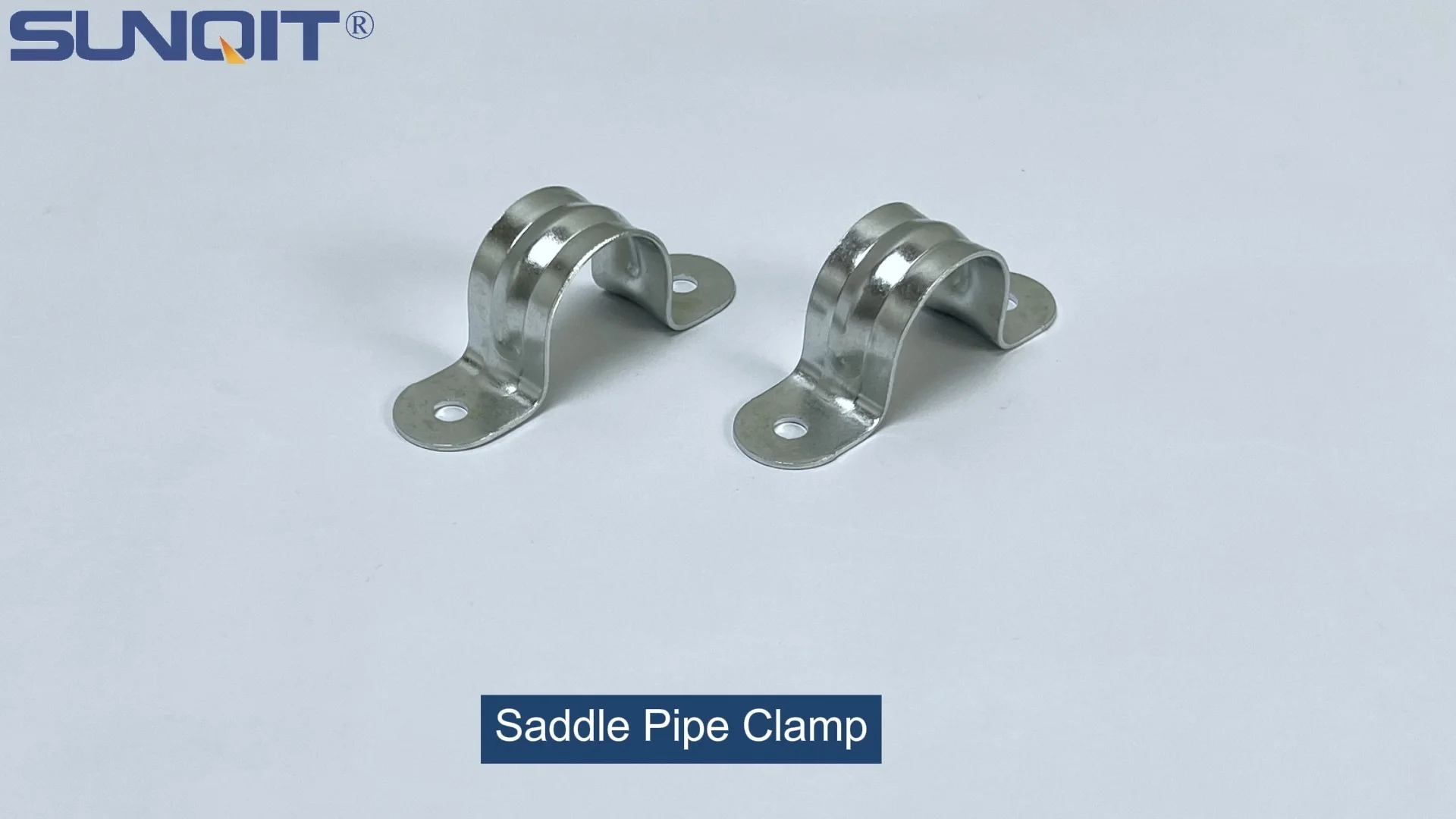
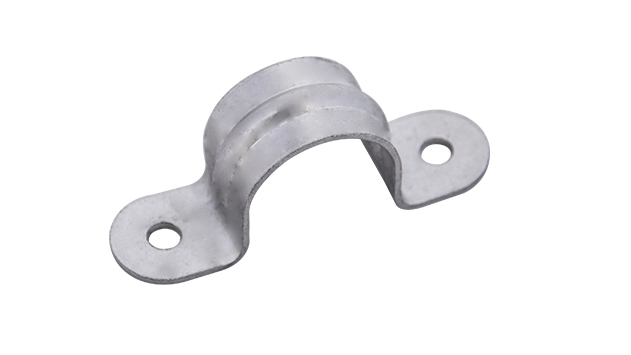
Saddle Pipe Clamp
Saddle pipe clamp, used for board connect with pipe, usually for table top installation.
In the bustling world of manufacturing, warehousing, and assembly lines, there's a silent workhorse that keeps operations running smoothly: the saddle pipe clamp. You might not notice it at first glance, but this unassuming component is the backbone of countless lean pipe systems, holding together everything from workbenches and material racks to conveyor belts and turnover trolleys. For years, though, traditional saddle pipe clamps have been a source of frustration—slowing down installation, limiting flexibility, and even compromising the durability of the systems they support. But recent design innovations are changing all that. Today, we're diving into how modern saddle pipe clamps are redefining efficiency, with a focus on easier installation, smarter adjustments, and seamless integration with lean pipe and accessories. Let's explore why these small but mighty tools are becoming a game-changer for industries worldwide.
The Traditional Saddle Pipe Clamp: Limitations That Slowed Us Down
To appreciate the innovations of today, it helps to look back at the challenges of yesterday. Traditional saddle pipe clamps were, in a word, cumbersome . Designed with a one-size-fits-all mindset, they relied on bolts, nuts, and wrenches to secure pipes in place—often requiring two people to hold, align, and tighten. If you've ever worked on a lean pipe setup, you know the drill: fumbling with a wrench in tight spaces, struggling to get the clamp perfectly aligned, and then crossing your fingers that it wouldn't loosen after a few weeks of use. Installation time? Easily 10–15 minutes per clamp, and that's if everything went right.
Adjustments were even more of a headache. Need to reposition a pipe to accommodate a new workflow? You'd have to fully disassemble the clamp, realign, and retighten—losing valuable production time in the process. And let's not forget material limitations: many traditional clamps were made of heavy steel, adding unnecessary weight to lean pipe systems and making them harder to reconfigure. Worse, steel clamps were prone to rust in humid environments, weakening their grip over time and forcing frequent replacements. For industries focused on lean manufacturing—where every second and every dollar counts—these limitations weren't just annoyances; they were roadblocks to efficiency.
Design Innovations: Redefining What a Saddle Pipe Clamp Can Do
Thankfully, engineers and designers have been hard at work reimagining the saddle pipe clamp from the ground up. The result? A new generation of clamps that prioritize user-centric design —making installation faster, adjustments smoother, and systems more durable. Let's break down the key innovations that are making waves.
Tool-Free Installation: A Game-Changer for Speed
Gone are the days of hunting for a wrench or socket set. Modern saddle pipe clamps now feature quick-release mechanisms that let you secure pipes in seconds, not minutes. Imagine this: you slide the clamp over a lean pipe, align it with your frame, and flip a lever or twist a knob. That's it. No tools, no extra hands, no guesswork. How does it work? Many clamps use a cam-lock design, where a spring-loaded lever tightens the clamp's grip as you close it, creating a secure hold without the need for bolts. Others feature ergonomic knobs with rubberized grips, allowing you to hand-tighten the clamp with minimal effort—perfect for workers wearing gloves or operating in tight spaces.
One manufacturer, for example, reports that their tool-free saddle pipe clamp reduces installation time by up to 70% compared to traditional models. In a busy automotive plant, where a single assembly line might use hundreds of clamps, that translates to hours of saved labor each week. And because there's no risk of over-tightening (a common issue with bolted clamps that can damage pipes or strip threads), these new designs also extend the lifespan of your lean pipe system.
Modular Adjustment: Adapting to Every Workflow
Flexibility is the name of the game in modern manufacturing, and saddle pipe clamps are now keeping up. Traditional clamps locked pipes into fixed positions, but today's models offer multi-axis adjustability , letting you rotate, tilt, or slide pipes with ease. Need to angle a material rack to reduce strain on workers? A swivel saddle clamp lets you pivot the pipe up to 360 degrees, then lock it in place with a simple lever. Want to raise a conveyor belt by a few inches? Sliding clamps with graduated markings let you adjust height in precise increments, ensuring alignment across the entire system.
What's truly impressive is how these adjustments hold up under stress. Engineers have tested these clamps with heavy loads—think 50+ pounds of materials sliding across a roller track—and found that the locking mechanisms maintain their grip, even after repeated adjustments. This is a huge win for industries like electronics manufacturing, where workstations and material flows are constantly evolving to keep up with new product designs.
Aluminum Pipe and Lightweight Durability: Strength Without the Bulk
Material science has also played a starring role in saddle pipe clamp innovation. While steel was once the go-to, many manufacturers now use high-grade aluminum for their clamps—and for good reason. Aluminum is 30% lighter than steel, making clamps easier to handle during installation and reducing the overall weight of lean pipe systems. This is especially valuable for mobile setups, like turnover trolleys or portable workbenches, where every pound saved makes maneuvering easier.
But aluminum isn't just lighter—it's also more resistant to corrosion. Unlike steel, which rusts when exposed to moisture or chemicals, aluminum clamps develop a thin oxide layer that protects against wear and tear, making them ideal for humid warehouses or cleanrooms. Some manufacturers even add a powder-coated finish to aluminum clamps, enhancing grip and preventing slippage between the clamp and pipe. And because aluminum is compatible with both traditional steel lean pipes and newer aluminum lean pipes, these clamps offer seamless integration with existing systems—no need to overhaul your entire setup to upgrade.
Seamless Integration with Lean Pipe Joints: Building Smarter Systems
A saddle pipe clamp is only as good as its ability to work with the rest of your lean system. That's why modern clamps are designed to pair perfectly with lean pipe joints —the connectors that link pipes together to form frames, racks, and workstations. Traditional clamps often had fixed shapes, limiting how they could attach to joints, but new modular designs feature interchangeable plates or adapters that fit a variety of joint types. For example, a single clamp might work with 90-degree elbow joints, T-joints, and even 135-degree angle joints, eliminating the need to stock multiple clamp styles.
This integration also improves system stability. When a clamp and joint are designed to work together, they distribute weight more evenly across the pipe, reducing stress points and lowering the risk of bending or breaking. In one case study, a food packaging plant replaced its mismatched clamps and joints with a coordinated system, resulting in a 40% reduction in pipe failures over six months. Workers also reported that the system felt sturdier, giving them more confidence when loading heavy boxes onto material racks.
Traditional vs. Innovative Saddle Pipe Clamps: A Side-by-Side Comparison
| Feature | Traditional Saddle Pipe Clamp | Innovative Saddle Pipe Clamp |
|---|---|---|
| Installation Time | 10–15 minutes per clamp (requires tools) | 2–3 minutes per clamp (tool-free) |
| Adjustment Flexibility | Limited; requires full disassembly | Multi-axis rotation; tool-free adjustments |
| Material | Heavy steel; prone to rust | Lightweight aluminum; corrosion-resistant |
| Compatibility | Limited to specific pipe/joint types | Modular adapters for most lean pipe joints |
| Durability | Prone to loosening over time; rust weakens grip | Cam-lock or lever mechanisms; oxide layer protects against wear |

Real-World Impact: Case Studies in Efficiency
Numbers and specs are great, but nothing tells the story like real-world results. Let's look at how innovative saddle pipe clamps are transforming operations in two key industries.
Automotive Assembly: Reducing Downtime During Line Changeovers
A major automotive manufacturer in the Midwest was struggling with frequent line changeovers. Every time they switched from producing one car model to another, they had to reconfigure their lean pipe workstations and material racks—tasks that involved disassembling and reassembling hundreds of traditional saddle pipe clamps. The process took 8 hours, forcing the plant to schedule changeovers on weekends and pay overtime to meet production deadlines.
After upgrading to tool-free, adjustable saddle pipe clamps, the plant saw a dramatic improvement. Changeover time dropped to just 2.5 hours, as workers could quickly release and reposition clamps without tools. The plant now handles changeovers during regular shifts, eliminating overtime costs and increasing overall production capacity by 15%. "It's like night and day," says the plant manager. "Our team used to dread changeovers; now they barely notice them."
Electronics Manufacturing: Precision Adjustments for ESD Workstations
In electronics manufacturing, static electricity is a constant threat—even a small discharge can damage sensitive components. That's why ESD (electrostatic discharge) workstations are critical, and their lean pipe frames must be precisely grounded and positioned to avoid static buildup. Traditional clamps made this tricky: slight misalignments could create gaps in the grounding path, and repositioning required disconnecting and reconnecting grounding wires.
A semiconductor plant in California switched to aluminum saddle pipe clamps with built-in grounding ports. These clamps feature a metal-to-metal contact design that ensures continuous grounding, even when adjusted. Workers can now tilt or rotate workstation shelves by up to 30 degrees (to reduce glare on screens) without breaking the grounding connection. The result? A 90% reduction in static-related component failures and a 50% faster setup time for new workstations.

Looking Ahead: What's Next for Saddle Pipe Clamp Innovation?
The future of saddle pipe clamps is all about smart integration and sustainability . Manufacturers are already experimenting with clamps that feature built-in sensors, which can alert maintenance teams if a clamp loosens or if a pipe is under excessive stress. Imagine a clamp that sends a notification to your phone when it needs adjustment—preventing failures before they happen. Others are exploring recycled aluminum alloys to reduce environmental impact, without sacrificing strength or durability.
There's also a push for greater standardization across the industry. While modular clamps are already compatible with many lean pipe joints, efforts are underway to create universal adapter systems that work with clamps, joints, and aluminum pipe accessories from different brands. This would make it even easier for companies to mix and match components, further reducing costs and waste.
Conclusion: Small Clamps, Big Impact
Saddle pipe clamps may be small, but their impact on industrial efficiency is huge. By prioritizing tool-free installation, modular adjustment, lightweight materials like aluminum, and seamless integration with lean pipe joints, today's clamps are helping companies save time, reduce costs, and stay agile in a fast-changing market. Whether you're running an automotive plant, a warehouse, or a electronics workshop, upgrading your saddle pipe clamps isn't just a minor improvement—it's a step toward building a leaner, smarter, and more productive operation.
So the next time you walk through a factory or warehouse, take a moment to appreciate the saddle pipe clamps holding everything together. They might not be the flashiest technology, but they're proof that even the smallest innovations can drive the biggest changes. And as lean manufacturing continues to evolve, you can bet these unsung heroes will be right there, adapting and improving—one clamp at a time.