- Company Articles
- Products and Technology
- Product knowledge
- Saddle Pipe Clamp Durability: Testing for Long-Term Use in Busy Factories

Saddle Pipe Clamp Durability: Testing for Long-Term Use in Busy Factories
Related Product
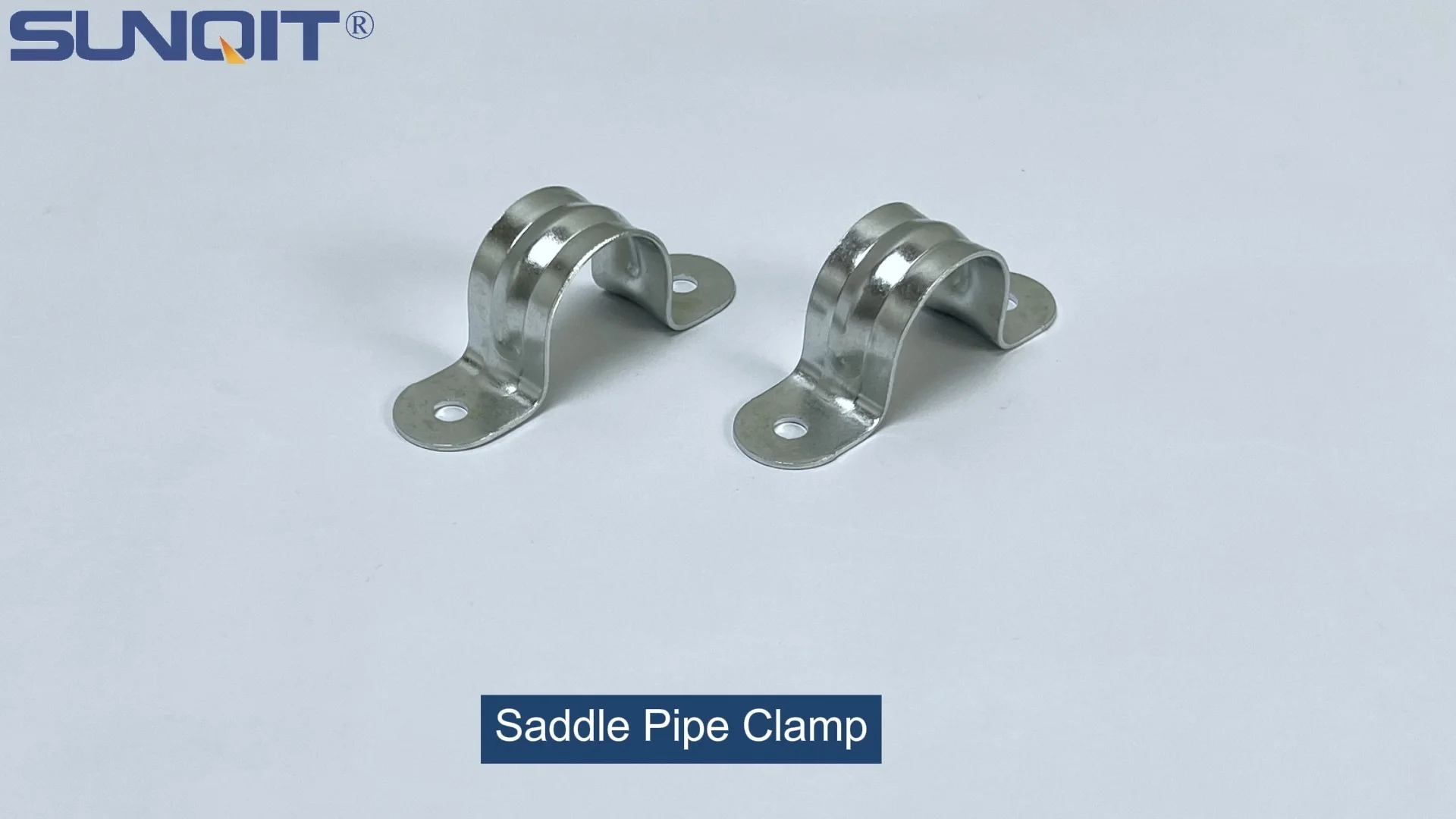
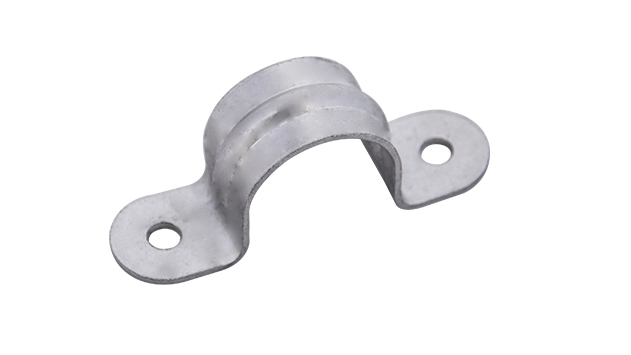
Saddle Pipe Clamp
Saddle pipe clamp, used for board connect with pipe, usually for table top installation.
On a typical Tuesday morning at a bustling electronics assembly plant, Maria, a line supervisor, pauses to watch a team of workers wheel a loaded turnover trolley toward the production line. The trolley glides smoothly, its caster wheels barely making a sound, as it carries circuit boards to the next station. What Maria doesn't see—but relies on every day—is the small but critical component holding that trolley together: the saddle pipe clamp. These unassuming pieces of hardware are the silent backbone of lean systems, connecting lean pipes, securing workbenches, and ensuring that the entire flow of materials stays uninterrupted. But in a factory where equipment is pushed to its limits day in and day out, durability isn't just a feature—it's a necessity.
In this article, we're diving deep into the world of saddle pipe clamps: why they matter in busy factory environments, the brutal challenges they face daily, and the rigorous testing that ensures they don't just work—they last . Whether you're a plant manager sourcing equipment, a lean system supplier designing custom setups, or a worker who depends on reliable tools, understanding what makes a saddle pipe clamp durable can mean the difference between smooth operations and costly downtime.
Why Saddle Pipe Clamps Are the Unsung Heroes of Lean Systems
Lean systems are all about efficiency—eliminating waste, streamlining workflows, and adapting quickly to change. At the heart of this flexibility are modular components like lean pipes, workbenches, and material racks, which can be reconfigured in hours (or even minutes) to meet new production needs. And holding all these pieces together? Saddle pipe clamps.
Think of a saddle pipe clamp as the "glue" of the lean system. It wraps around lean pipes, securing them to joints, workbench frames, or caster wheels with a tight, reliable grip. Unlike permanent welds or rigid fasteners, these clamps allow for quick adjustments: need to raise a workbench by 6 inches? Loosen the clamps, adjust the pipes, retighten, and you're done. But this flexibility doesn't mean sacrificing strength. In fact, in high-traffic areas—like where a conveyor feeds parts to an ESD workstation—clamps must withstand constant vibration, heavy loads, and the occasional bump from a forklift or turnover trolley.
Consider a material rack B (3 row and 3 floor) stacked with heavy components. Each shelf is supported by lean pipes connected via clamps. If even one clamp weakens or slips, the entire rack could destabilize, risking damage to materials or injury to workers. Similarly, on a roller track where parts slide from one station to the next, the clamps holding the track to the aluminum profile must maintain precise alignment—otherwise, parts jam, slowing down production.
The Brutal Reality: What Busy Factories Do to Pipe Clamps
A factory floor is no place for delicate equipment. Saddle pipe clamps face a daily onslaught of stressors that would break lesser hardware. Let's break down the biggest challenges:
1. Constant Load and Stress
Workbenches, material racks, and trolleys rarely sit empty. A typical workbench E (single deck-without caster) might hold 200+ pounds of tools, parts, and assembly equipment. Multiply that by the number of workbenches in a factory, and you've got thousands of pounds resting on clamps day in and day out. Over time, this constant pressure can cause metal fatigue, especially in low-quality clamps with thin walls or weak fastening mechanisms.
2. Vibration and Movement
Factories are noisy places, and that noise comes with vibration. From the hum of conveyor motors to the thud of stamping machines, vibrations travel through floors, walls, and equipment. Over weeks and months, this shaking can loosen clamp bolts, weaken joints, and even cause metal to wear at the contact points with lean pipes. For clamps holding roller tracks, this vibration can also lead to misalignment, making parts slide unevenly or get stuck.
3. Repeated Assembly and Disassembly
Lean systems thrive on adaptability, which means workers are constantly reconfiguring setups. A team might disassemble a material rack on Monday, rebuild it as a turnover trolley on Wednesday, and turn it back into a rack by Friday. Each time, clamps are loosened, tightened, and adjusted. This repeated stress on threads and clamping surfaces can wear down cheaper clamps, leading to stripped bolts or a grip that's no longer tight enough to hold.
4. Harsh Environments
Not all factories are clean rooms. Many deal with dust, oil, chemicals, or humidity—all of which can corrode metal clamps. In food processing plants, stainless steel pipe series clamps are a must to resist corrosion from cleaning agents. In automotive factories, oil and grease can seep into clamp joints, weakening their hold over time. Even in electronics plants with ESD workstations, static charges and occasional spills can take a toll on unprotected metal.
Testing Durability: How We Push Clamps to the Breaking Point (and Beyond)
At our lab, we don't just test saddle pipe clamps—we torture them. We replicate the worst-case scenarios a clamp might face in a busy factory, then see how long it holds up. Here's a look at our most rigorous tests:
1. Load Testing: How Much Weight Can It Handle?
First, we test static load capacity—the maximum weight a clamp can hold without deforming. We mount a clamp to a steel frame, attach a lean pipe, and hang weights from the pipe until the clamp bends, slips, or breaks. For industrial-grade clamps, we aim for a minimum load capacity of 500 pounds—more than enough for most workbenches or material racks. But we don't stop there: we also test dynamic load, simulating the jolts and bumps of a trolley moving across a factory floor. Using a hydraulic press, we apply sudden, repeated pressure to the clamp to mimic the stress of a loaded trolley hitting a crack in the floor.
2. Fatigue Testing: Can It Survive 100,000 Cycles?
To simulate years of use, we use a fatigue testing machine that cycles the clamp through tightening and loosening—over and over again. We start with a torque wrench set to the recommended tightening force, then loosen the clamp, retighten it, and repeat. We do this 100,000 times (about 10 years of typical factory use) and check for stripped threads, worn clamping surfaces, or reduced grip strength. A quality clamp should still hold tight after all those cycles; if it slips or the bolt strips, it's back to the drawing board.
3. Vibration Testing: Shaking It Like a Factory Floor
Our vibration test chamber mimics the relentless shaking of a busy factory. We mount a clamp-assembled structure (like a small workbench frame) to a vibrating platform, set the frequency to match common factory machinery (10–100 Hz), and let it run for 72 hours. Afterward, we inspect the clamps for loosening, check if the structure has shifted, and retest their grip. If a clamp comes loose during this test, it's not ready for real-world use.
4. Corrosion Testing: Fighting Rust and Chemicals
For clamps used in harsh environments, we use a salt spray test (per ASTM B117 standards). We place clamps in a chamber that sprays a saltwater mist, simulating coastal or high-humidity conditions, for 500 hours. Afterward, we check for rust, pitting, or weakened threads. Stainless steel clamps should show little to no corrosion; zinc-plated clamps might develop a thin layer of rust, but it shouldn't compromise their strength. For chemical resistance, we also test clamps with common factory fluids (oil, degreaser, cleaning agents) to ensure they don't degrade.

Real-World Results: How Our Clamps Perform in Busy Factories
Lab tests are one thing, but real-world performance is the ultimate judge. Let's look at a case study from a mid-sized automotive parts manufacturer that switched to our saddle pipe clamps last year. Before the switch, they were replacing clamps on their material racks and workbenches every 3–6 months—costing them $2,000+ annually in replacement parts and downtime. Workers often complained about wobbly workbenches or stuck roller tracks, which slowed production by 10–15% during clamp failures.
After installing our tested clamps, they've seen zero clamp failures in 12 months. The material racks, which hold heavy metal components, still stand straight and secure. The roller tracks, which feed parts to assembly lines via swivel roller balls and plastic guide rails, glide smoothly with no jams. Even the turnover trolleys, which are pushed around the factory 50+ times a day, have shown no signs of clamp loosening. The maintenance team reports spending 75% less time tightening or replacing clamps, freeing them up to focus on other tasks.
Another success story comes from a food packaging plant that switched to our stainless steel pipe series clamps. Previously, their old clamps would rust within 6 months of exposure to cleaning chemicals, leading to unstable workbenches and safety concerns. Our stainless steel clamps, tested to withstand 500+ hours of salt spray, still look brand-new after a year of daily washdowns. The plant manager estimates they've saved $5,000 in replacement costs and avoided two potential shutdowns due to clamp-related accidents.

Choosing the Right Saddle Pipe Clamp: What to Look For
Not all saddle pipe clamps are created equal. When shopping for clamps for your factory, keep these tips in mind:
- Material Matters: For dry, clean environments, zinc-plated steel clamps work well. For wet, corrosive, or food-grade settings, choose stainless steel. If weight is a concern (e.g., mobile trolleys), aluminum clamps are lightweight but still strong.
- Load Rating: Always check the clamp's load capacity. Don't just go by "industrial grade"—look for specific numbers (e.g., "500 lbs static load").
- Thread Quality: Opt for clamps with high-quality threads (preferably rolled, not cut) to resist stripping during repeated tightening/loosening.
- Grip Design: Look for clamps with serrated or textured clamping surfaces—these grip lean pipes tighter and resist slipping under vibration.
- Testing Certifications: Ask your lean pipe supplier for test reports. Reputable suppliers will happily share load, fatigue, and corrosion test results.
Conclusion: Durability That Keeps Your Factory Moving
Saddle pipe clamps may be small, but their impact on factory efficiency is huge. A durable clamp keeps workbenches stable, material racks secure, and production lines flowing—saving time, money, and headaches. By choosing clamps that have been rigorously tested for load, fatigue, vibration, and corrosion, you're investing in the backbone of your lean system.
At the end of the day, the best clamps are the ones you never notice—because they just work, day in and day out. So the next time you walk through your factory, take a moment to look at the lean pipes, workbenches, and trolleys around you. The clamps holding them together might be out of sight, but they're hard at work, keeping your operation running smoothly. And that's the kind of durability that makes all the difference.