- Company Articles
- Products and Technology
- Installation And Maintenance
- Saddle Pipe Clamp Failure Prevention: Regular Inspection Tips for Manufacturers

Saddle Pipe Clamp Failure Prevention: Regular Inspection Tips for Manufacturers
Related Product
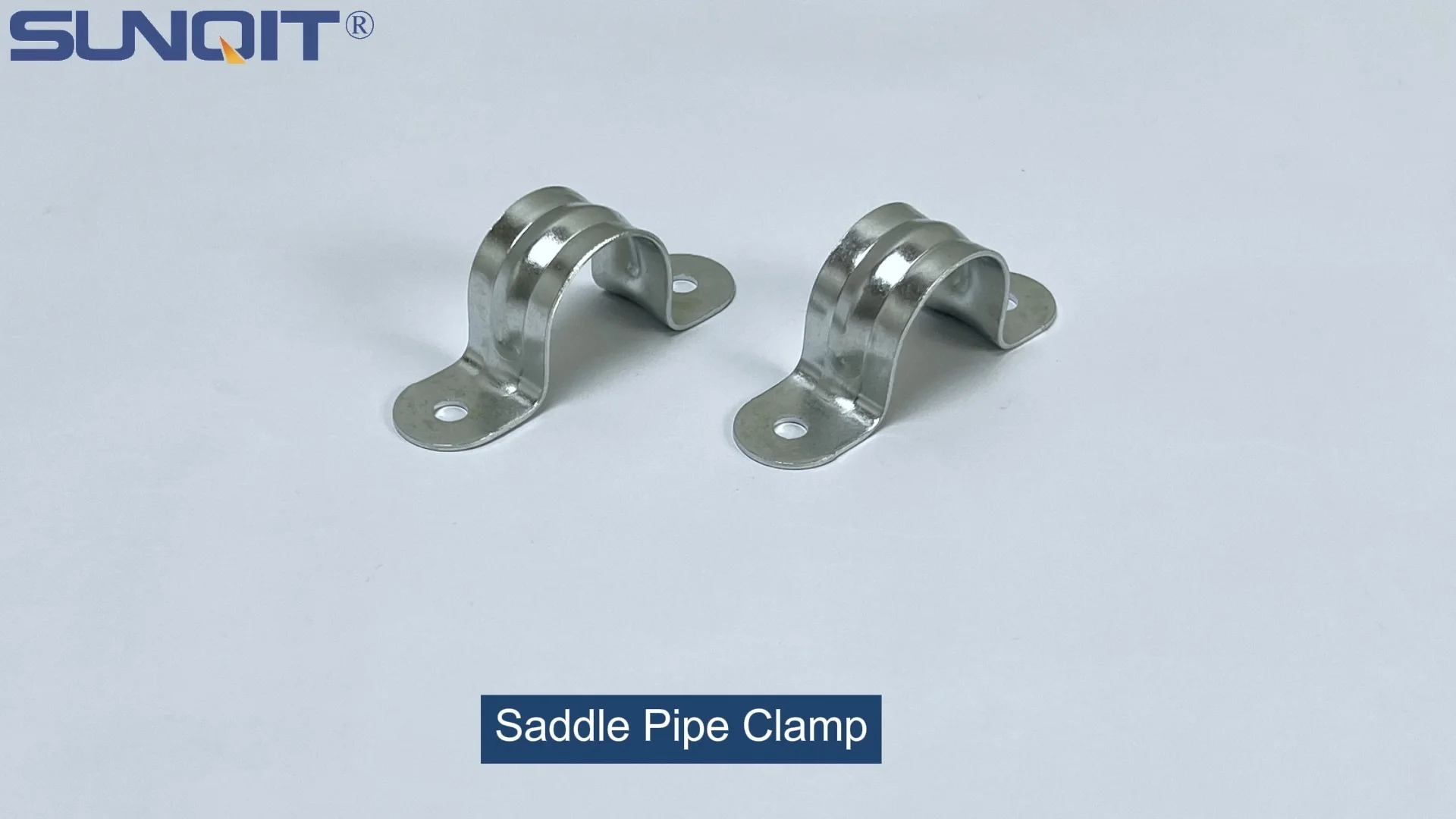
Saddle Pipe Clamp
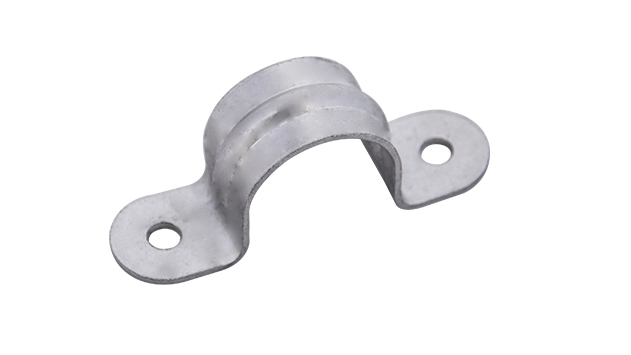
Saddle pipe clamp, used for board connect with pipe, usually for table top installation.
Walk onto any busy manufacturing floor, and you'll see them—quietly holding everything together. Saddle pipe clamps might not grab headlines like high-tech machinery or automated robots, but they're the unsung heroes of your production line. These small, unassuming components secure lean pipes in workbenches, anchor roller tracks on conveyors, and keep material racks stable during the chaos of daily operations. Yet, when they fail, the consequences ripple far beyond a loose pipe: production halts, deadlines slip, and workers are left scrambling to fix what could've been prevented. Let's dive into how to protect these critical components, keep your line running smoothly, and turn "what if" into "we've got this."
Why Saddle Pipe Clamps Deserve Your Attention
Before we jump into inspections, let's talk about why these clamps matter. In lean manufacturing, every second counts. A single loose saddle pipe clamp on a conveyor's roller track can jostle materials, slow down workflow, or even damage products. On a workbench, a failed clamp might cause a tool rack to wobble, risking injury or lost productivity. These aren't just "parts"—they're the glue that holds your lean system together. When they work, your team moves with confidence; when they don't, frustration and delays follow.
Consider this: A mid-sized electronics manufacturer recently shared that a corroded saddle pipe clamp on their main assembly line conveyor caused a 45-minute shutdown. In that time, they fell behind on an order, had to pay overtime to catch up, and their night shift team started their shift stressed and rushed. All because of a 5-dollar part that hadn't been inspected in six months. The lesson? Ignoring saddle pipe clamps isn't just about cutting corners—it's about gambling with your team's efficiency and your company's bottom line.
Common Culprits Behind Saddle Pipe Clamp Failures
To prevent failures, we first need to understand what causes them. Saddle pipe clamps fail for predictable reasons, and recognizing these patterns is half the battle. Let's break down the usual suspects:
1. Corrosion: The Silent Eater
Moisture, chemicals, and even high humidity can turn metal clamps into rusty time bombs. In facilities near coastal areas or with frequent washdowns (like food processing or automotive plants), corrosion starts small—tiny spots of rust that spread until the clamp weakens. Left unchecked, a corroded clamp can snap under normal stress, sending pipes or racks crashing.
2. Over-Tightening or Under-Tightening: The Goldilocks Problem
There's a sweet spot for clamp tightness, and missing it causes trouble. Over-tightening crushes the pipe or strips the threads, weakening both the clamp and the connection. Under-tightening leaves gaps, letting the pipe shift and vibrate—over time, this wears down the clamp's grip and can loosen adjacent components. Many teams assume "tighter is better," but that's a costly myth.
3. Material Fatigue: When "Good Enough" Runs Out
Every time your production line starts, stops, or changes speed, saddle pipe clamps absorb vibrations. Over months (or years) of this stress, even high-quality clamps develop micro-cracks. These invisible flaws grow until the clamp suddenly fails—often when you need it most, like during a peak production rush.
4. Environmental Saboteurs
Extreme temperatures (think hot foundries or cold storage), constant vibration (near heavy machinery), or exposure to oils and solvents can degrade clamp materials faster than expected. A clamp that works perfectly in a dry assembly area might fail in weeks in a damp warehouse—context matters.
The Inspection Playbook: How to Catch Failures Before They Happen
Preventing saddle pipe clamp failures isn't about random checks—it's about building a routine that fits your workflow. Below is a step-by-step guide to inspections, designed to be practical for busy teams. Remember: The goal isn't perfection; it's consistency.
Daily Quick Checks: 2-Minute Visual Sweeps
Your line operators are your first line of defense. Train them to spend 2 minutes at the start of each shift scanning critical clamps. What to look for:
- Visible rust or discoloration (red, orange, or white powdery spots)
- Pipes that look misaligned or wobbly in their clamps
- Loose bolts or nuts (even slightly protruding threads)
- Cracks or chips in the clamp body (pay extra attention to corners)
Encourage operators to mark suspect clamps with a piece of tape or a tag—this flags them for the maintenance team to inspect deeper. It's simple, but this daily habit catches 60% of early-stage issues, according to manufacturing safety reports.
Weekly Deep Dives: Torque, Alignment, and Wear
Once a week, assign a maintenance tech or team lead to perform a more detailed inspection. Focus on high-stress areas: clamps on conveyors, workbenches near heavy equipment, or those exposed to moisture. Here's what to do:
Torque Testing: Use a torque wrench to check if clamps are tightened to the manufacturer's specs. Most saddle pipe clamps (especially those used with lean pipes) require 15–25 ft-lbs of torque—check your supplier's guidelines. If a clamp won't hold torque (it loosens immediately after tightening), it's time to replace it.
Alignment Check: Use a straightedge to ensure pipes are level and centered in the clamps. Misaligned pipes put extra stress on clamps, leading to uneven wear. For example, a roller track that's slightly tilted will cause clamps on one side to bear more weight, failing faster.
Material Wear: Run a gloved finger along the clamp's edges. If you feel rough spots, pitting, or flaking, the material is degrading. For plastic or coated clamps, look for cracks, warping, or discoloration—signs the material is breaking down.
Monthly Comprehensive Inspections: Digging Deeper
Once a month, take a systematic approach. Map out all saddle pipe clamp locations (create a simple diagram if needed) and inspect each one. This is also a great time to:
- Check adjacent components: Are the pipes themselves in good shape? A damaged pipe can wear down a clamp quickly.
- Review environmental conditions: Has there been a recent change (e.g., a new cleaning solution, higher humidity)? Adjust your inspection focus if needed.
- Test backup clamps: If you keep spares, ensure they're stored properly (dry, clean) and haven't degraded on the shelf.
| Failure Mode | What It Looks Like | How to Inspect | How Often |
|---|---|---|---|
| Corrosion | Rust spots, orange/red discoloration, or white powdery residue | Visual check; use a wire brush to remove surface rust and inspect for pitting | Daily (visual); Monthly (deep clean check) |
| Loosening | Pipe wobbles when touched; bolts/nuts protrude or spin freely | Torque wrench test; check if clamp holds torque after tightening | Weekly (torque check); Daily (wobble test) |
| Cracks | Thin lines in the clamp body, often near bolt holes or corners | Visual inspection with a flashlight; use a magnifying glass for small cracks | Weekly (detailed visual) |
| Misalignment | Pipe sits crookedly in the clamp; gap between pipe and clamp edge | Straightedge test; measure distance from clamp to pipe edge on both sides | Weekly |
| Material Fatigue | Dull, matte finish (instead of shiny); small flakes or chips | Scrape test: Lightly scrape the clamp with a fingernail—flaking means fatigue | Monthly |

Beyond the Basics: Advanced Tools for High-Stakes Areas
For critical systems (like conveyors handling heavy loads or workbenches in safety-sensitive areas), basic inspections might not be enough. Consider these advanced techniques:
Ultrasonic Testing
Ultrasonic tools send sound waves through the clamp, revealing internal cracks or voids that aren't visible to the eye. This is especially useful for stainless steel or aluminum clamps, where surface damage might not tell the whole story.
Load Testing
For clamps holding heavy loads (e.g., material racks with 3 rows and 3 floors), simulate peak weight and monitor for shifting or deformation. If a clamp bends or loosens under load, it's not fit for duty.
Thermal Imaging
Overworked clamps generate heat due to friction or stress. A thermal camera can spot "hot spots"—areas where the clamp is under too much pressure, even if it looks fine visually.

Maintenance 101: Keeping Clamps (and Teams) Happy
Inspection alone isn't enough—you need to act on what you find. Here's how to turn inspection data into action:
replace Proactively, Not Reactively
If a clamp shows early signs of wear (e.g., minor corrosion, slight cracking), replace it immediately. Waiting for it to fail costs more in downtime and repairs than a $10 clamp. Create a "replace on sight" list: corrosion over 10% of the surface, any cracks, or clamps that won't hold torque.
Use the Right Clamp for the Job
Not all clamps are created equal. If you're in a damp environment, switch to stainless steel or corrosion-resistant coated clamps. For high-vibration areas, use lock washers or thread-locking fluid to prevent loosening. Your supplier can help you choose the right material—don't guess.
Train Your Team (and Listen to Them)
Operators and technicians who work with the equipment daily often notice issues first. Train them on basic inspection skills, and create an easy way to report problems (e.g., a digital form or a dedicated "clamp issue" log). Celebrate team members who catch issues early—this builds a culture of accountability.
Keep Records
Track when clamps are inspected, replaced, or adjusted. Over time, you'll spot patterns: Do clamps near the washdown station fail faster? Are certain brands more reliable? This data helps you fine-tune your process and negotiate better with suppliers.
From Chaos to Control: A Real-World Success Story
Let's look at how one manufacturer turned things around. ABC Manufacturing, a mid-sized auto parts supplier, was struggling with monthly saddle pipe clamp failures on their roller track conveyors. Each failure caused 30–60 minutes of downtime, and the maintenance team was frustrated by the constant fire-fighting.
They started by mapping all clamp locations and implementing daily visual checks by operators. Within a week, they identified three clamps with early corrosion—they replaced them immediately. Next, they trained the maintenance team on torque testing and added weekly alignment checks. They also switched to stainless steel clamps in high-moisture areas.
The results? In three months, clamp failures dropped by 70%. Downtime related to clamps went from 4–5 hours/month to less than 1 hour. The operators reported feeling more confident in the equipment, and the maintenance team could focus on proactive projects instead of (emergency repairs). As the plant manager put it: "We stopped treating clamps like afterthoughts, and they stopped treating us like enemies."
Wrapping Up: Small Clamps, Big Impact
Saddle pipe clamps might be small, but their role in your manufacturing ecosystem is huge. By prioritizing regular inspections, using the right tools, and empowering your team to spot issues early, you're not just preventing failures—you're building a more efficient, reliable, and resilient operation. Remember: Lean manufacturing isn't just about cutting waste; it's about respecting the details that keep your line moving. And in those details? That's where success lives.
So, the next time you walk your production floor, take a second to look down at those clamps. They're not just holding pipes—they're holding up your team's hard work, your company's goals, and the promise of a smoother, more productive tomorrow. Treat them well, and they'll return the favor.