- Company Articles
- Products and Technology
- Product knowledge
- Saddle Pipe Clamp Load Capacity: How Much Weight Can It Support?

Saddle Pipe Clamp Load Capacity: How Much Weight Can It Support?
Related Product
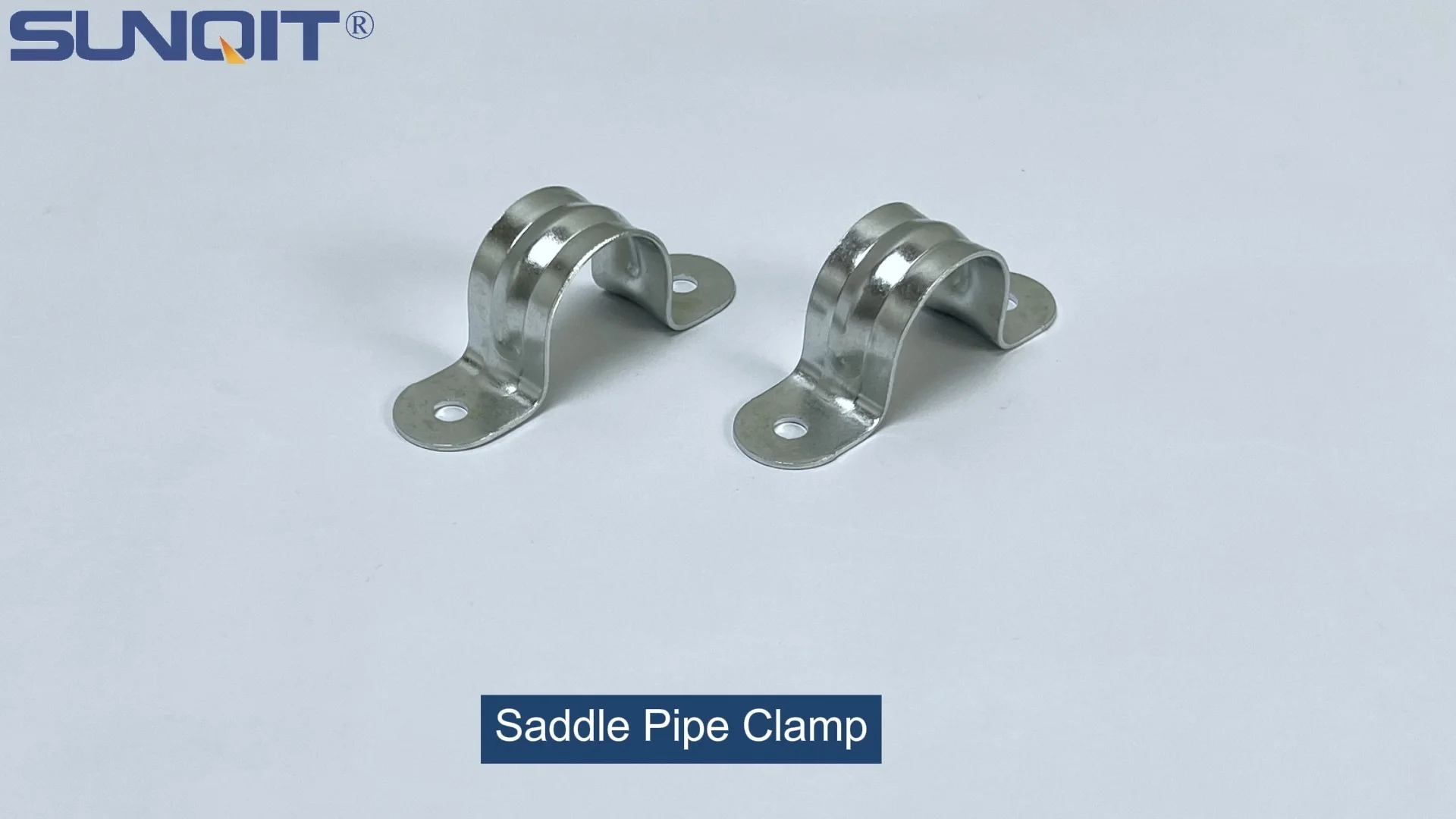
Saddle Pipe Clamp
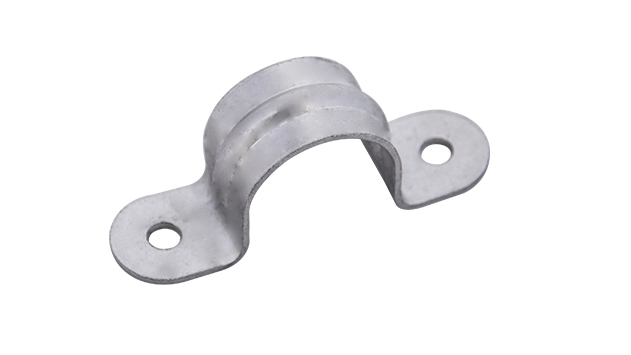
Saddle pipe clamp, used for board connect with pipe, usually for table top installation.
In the world of manufacturing and industrial setups, every component counts. From the largest conveyor belt to the smallest bolt, each part plays a role in keeping operations running smoothly. But if there's one component that often flies under the radar—until something goes wrong—it's the saddle pipe clamp. These unassuming pieces are the unsung heroes of lean pipe systems, holding together workbenches, material racks, and assembly lines. But here's the question that keeps plant managers and safety officers up at night: How much weight can a saddle pipe clamp actually support? Let's dive in and find out.
What Even Is a Saddle Pipe Clamp?
Before we talk about load capacity, let's make sure we're all on the same page. A saddle pipe clamp is a type of fastener used to secure two or more pipes together, typically in lean pipe systems. Think of it as the "glue" that holds your lean pipe workbench upright or keeps a flow rack stable as boxes slide down. Unlike rigid welds, saddle clamps offer flexibility—you can adjust, disassemble, and reconfigure them as your needs change. But that flexibility doesn't mean they're weak. In fact, their design is all about balancing adaptability with strength.
Most saddle clamps consist of two curved "saddles" (hence the name) that wrap around the pipes, connected by bolts or screws. When tightened, they create a firm grip, distributing pressure evenly across the pipe surface. They're commonly used with lean pipe (also known as "lean tube"), a lightweight but durable material that's the backbone of many modular industrial systems. But they're also compatible with aluminum pipe, stainless steel pipe, and even aluminum extrusion profiles in some cases.
Why Load Capacity Matters (Spoiler: It's Not Just About Weight)
You might be thinking, "Why does load capacity matter so much? Can't I just pick the biggest clamp and call it a day?" Sure, you could—but that's a risky move. Underestimating load capacity can lead to wobbly workbenches, collapsing material racks, or worse, injuries. Overestimating? You'll end up overspending on heavy-duty clamps when a lighter, cheaper option would work. It's all about balance.
Let's put it in context. Imagine a busy automotive assembly line. A workbench holding tools, parts, and a laptop might weigh 200 lbs. If the saddle clamps securing its legs can only handle 150 lbs, that bench is a disaster waiting to happen. Now multiply that by dozens of workbenches, conveyor systems, and turnover trolleys across a factory—suddenly, load capacity becomes a critical factor in safety, efficiency, and cost control.
Factors That Determine How Much Weight a Saddle Pipe Clamp Can Support
Load capacity isn't a one-size-fits-all number. It depends on a mix of factors, from the clamp's material to how tightly you tighten the bolts. Let's break them down one by one.
1. Material: Steel vs. Aluminum vs. Plastic
The first thing to check is what the clamp is made of. Most saddle pipe clamps are either steel, aluminum, or plastic—and each has its own strength limits.
- Steel Clamps: These are the heavyweights. Steel is strong, durable, and resistant to bending or warping under pressure. A typical steel saddle clamp can support anywhere from 500 lbs to 2,000 lbs, depending on design. They're ideal for heavy-duty applications like securing conveyor systems or large material racks.
- Aluminum Clamps: Lighter than steel but still strong, aluminum clamps are popular for lean pipe systems where weight matters (think mobile workbenches with caster wheels). They usually support 200 lbs to 800 lbs. The downside? They're more prone to corrosion in humid environments, so you might need a protective coating.
- Plastic Clamps: These are the lightest and cheapest, but they're only meant for light loads—think 50 lbs to 150 lbs. You'll find them in low-stress setups, like small parts bins or temporary workstations. Avoid them for anything that holds heavy tools or machinery.
2. Design: Single Saddle vs. Double Saddle
Not all saddle clamps look the same. Some have a single saddle (wrapping around one pipe), others have double saddles (connecting two pipes at a right angle). The design directly impacts load capacity.
Double saddle clamps, for example, distribute weight across two contact points, making them stronger than single saddle designs. A double saddle steel clamp might support 1,200 lbs, while a single saddle steel clamp of the same size might only handle 800 lbs. It's all about how the force is spread—more contact means more stability.
Another design feature to watch is the thickness of the saddle. Thicker metal (or higher-grade plastic) can withstand more pressure without deforming. A clamp with a 3mm steel saddle will outperform one with a 1.5mm saddle, even if they're made of the same material.
3. Installation: Torque, Pipe Size, and Surface Condition
You could have the strongest clamp in the world, but if you install it wrong, it won't hold. Here's how installation affects load capacity:
- Torque: Too loose, and the clamp will slip; too tight, and you might strip the threads or warp the pipe. Most manufacturers recommend a specific torque (e.g., 25 Nm for steel clamps) to ensure optimal grip. Invest in a torque wrench—it's a small tool that makes a big difference.
- Pipe Size: Clamps are designed for specific pipe diameters. A clamp meant for 1.5-inch lean pipe won't work well on 2-inch aluminum pipe. Mismatched sizes lead to uneven pressure, reducing load capacity by 30% or more.
- Surface Condition: Rust, paint, or debris on the pipe can prevent the clamp from gripping properly. Always clean the pipe surface before installing the clamp—even a little grime can weaken the hold.
4. Environment: Temperature, Moisture, and Vibration
Where you use the clamp matters too. Extreme temperatures, humidity, or constant vibration can lower its effective load capacity.
For example, in a food processing plant with high moisture, steel clamps might rust over time, weakening their structure. In a foundry with high heat, plastic clamps could melt or become brittle. And in a factory with heavy machinery, constant vibration can loosen bolts, reducing the clamp's grip strength. Always check the manufacturer's specs for environmental limits.

Testing Load Capacity: How Manufacturers Figure It Out
So how do manufacturers come up with those load capacity numbers? They don't just guess—they test. Most follow industry standards like ISO 15552 (for industrial fasteners) or ASTM F1387 (for pipe clamps). The testing process usually involves:
- Static Load Testing: The clamp is secured to two pipes, and a gradual weight is applied until it deforms or fails. The maximum weight it supports before failure is its "ultimate load capacity." Manufacturers usually list a "safe working load" (SWL), which is 25-50% of the ultimate load to account for safety margins.
- Dynamic Load Testing: For clamps used in moving systems (like conveyor belts), they're tested with repeated or sudden loads to simulate real-world use. This ensures they can handle the stress of constant movement without failing.
- Environmental Testing: Clamps are exposed to extreme temperatures, humidity, or chemicals to see how these conditions affect their strength over time.
The key takeaway? Always trust the manufacturer's SWL rating, not just the ultimate load. That safety margin is there for a reason.

Real-World Examples: How Load Capacity Plays Out on the Factory Floor
Let's put all this theory into practice with a few examples. These are scenarios you might encounter in a typical manufacturing or warehouse setting.
Example 1: The Workbench Setup
A lean pipe workbench is a staple in most factories. Let's say you're building one with a wooden top (50 lbs), tools (100 lbs), and a small assembly kit (50 lbs). Total weight: 200 lbs. The workbench has four legs, each secured with two saddle pipe clamps (so 8 clamps total). To find the required load capacity per clamp, divide the total weight by the number of clamps: 200 lbs / 8 clamps = 25 lbs per clamp. But wait—you should always add a safety factor (usually 2x) to account for sudden movements or uneven weight distribution. So aim for clamps with a SWL of at least 50 lbs. A basic aluminum clamp would work here, but if you expect to occasionally place heavier items (like a 200-lb machine), step up to a steel clamp with a 100-lb SWL.
Example 2: Conveyor Systems and Flow Racks
Flow racks use gravity to slide materials from one end to the other, and they rely on saddle pipe clamps to stay stable. A typical flow rack might hold 10 boxes, each weighing 30 lbs, for a total of 300 lbs. The rack has vertical supports held together by clamps at the joints. Here, the clamps are under both vertical weight (the boxes) and horizontal stress (as boxes slide). In this case, steel clamps with a SWL of 200 lbs each are a safe bet—they can handle the vertical load and resist bending from the horizontal stress.
Example 3: Mobile Trolleys with Caster Wheels
Mobile turnover trolleys are great for moving materials around, but their clamps have to handle more than just weight—they also deal with movement, vibration, and sudden stops. A trolley carrying 500 lbs of parts will put stress on the clamps every time it's pushed or stopped. For this, you'd want steel clamps with a SWL of at least 300 lbs (to account for dynamic loads) and maybe even a locking feature to prevent loosening over time.
| Clamp Material | Typical SWL (Safe Working Load) | Best For | Not Ideal For |
|---|---|---|---|
| Steel | 500 – 2,000 lbs | Heavy workbenches, conveyor systems, large material racks | Lightweight mobile setups (adds unnecessary weight) |
| Aluminum | 200 – 800 lbs | Lean pipe workbenches, mobile trolleys, moderate-weight racks | High-moisture environments (without coating) |
| Plastic | 50 – 150 lbs | Small parts bins, temporary workstations, light tools | Heavy loads, high temperatures, or frequent movement |
How to Choose the Right Saddle Pipe Clamp for Your Load
Now that you know what affects load capacity, how do you pick the right clamp for your project? Here's a step-by-step guide:
Step 1: Calculate the Total Weight
Start by adding up all the weight the clamps will need to support. Include the weight of the structure itself (pipes, workbench top) plus any tools, materials, or equipment that will be placed on it. Don't forget to add a safety factor—2x is standard for static loads, 3x for dynamic loads (like moving trolleys).
Step 2: Determine the Number of Clamps
Next, figure out how many clamps you'll use. A basic workbench might have 8 clamps (2 per leg), while a flow rack could have 12 or more. Divide the total weight (with safety factor) by the number of clamps to get the required SWL per clamp.
Step 3: Check the Environment
Will the clamps be indoors or outdoors? Exposed to moisture, heat, or chemicals? Choose materials accordingly. For humid areas, go with stainless steel or coated aluminum. For high temps, avoid plastic.
Step 4: Match the Pipe Size
Clamps are sized for specific pipe diameters (e.g., 1-inch lean pipe, 1.5-inch aluminum pipe). Using the wrong size will reduce grip and load capacity. Check the pipe's outer diameter before buying.
Step 5: Don't Skimp on Quality
It's tempting to buy cheap clamps to save money, but low-quality options often have inconsistent load capacities. Stick with reputable suppliers—look for those who provide test reports or certifications for their clamps. Remember, a failed clamp could cost far more in repairs or injuries than the savings from buying cheap.
Common Mistakes That Reduce Load Capacity (And How to Avoid Them)
Even if you pick the right clamp, these common mistakes can lower its effective load capacity:
- Over-tightening the Bolts: Cranking the bolts too hard can warp the clamp or strip the threads, weakening the grip. Use a torque wrench to follow the manufacturer's specs.
- Using Worn or Damaged Clamps: If a clamp is bent, cracked, or rusted, replace it. Even small damage can reduce load capacity by 50% or more.
- Mixing and Matching Components: Don't use a steel clamp with a plastic lean pipe joint—they might not work together properly, leading to instability.
- Ignoring Vibration: In moving systems, clamps can loosen over time. Use lock washers or thread-locking fluid to keep bolts tight.
Final Thoughts: Respect the Clamp
Saddle pipe clamps might not be the flashiest components in your lean pipe system, but they're critical to safety and efficiency. By understanding load capacity—what affects it, how to calculate it, and how to choose the right clamp—you can build stronger, safer, and more reliable setups. Remember, it's not just about how much weight they can support; it's about keeping your team safe, your operations running, and your bottom line intact.
So the next time you're setting up a workbench or installing a flow rack, take a moment to appreciate the saddle pipe clamp. It's a small part, but it carries a big load—literally.