- Company Articles
- Products and Technology
- Product knowledge
- Saddle Pipe Clamp Materials: Aluminum vs. Steel – Pros & Cons for Industrial Use

Saddle Pipe Clamp Materials: Aluminum vs. Steel – Pros & Cons for Industrial Use
Related Product
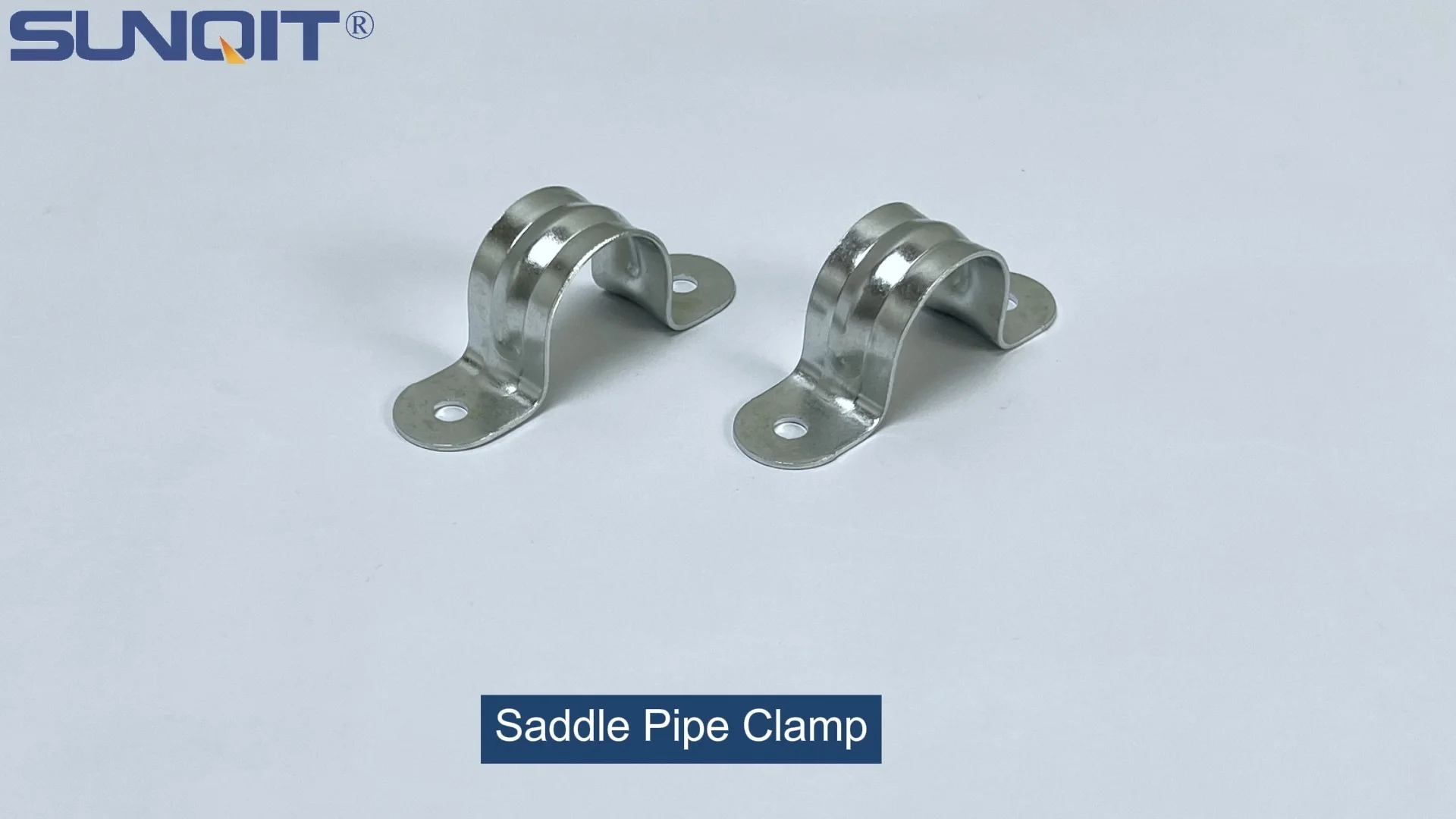
Saddle Pipe Clamp
Saddle pipe clamp, used for board connect with pipe, usually for table top installation.
In the bustling world of manufacturing and industrial operations, there are countless components that keep the wheels turning—quite literally. From conveyor belts humming along to workbenches holding delicate assemblies, every part plays a role. But if there's one unsung hero that often flies under the radar, it's the saddle pipe clamp. These unassuming devices are the backbone of lean pipe systems, holding together everything from material racks to production lines, ensuring stability, flexibility, and efficiency. Yet, not all saddle pipe clamps are created equal. The choice between aluminum and steel can make or break your setup, impacting everything from installation ease to long-term durability. Let's dive into the nitty-gritty of these two materials, exploring their pros, cons, and which one might be the right fit for your industrial needs.
First Things First: What Are Saddle Pipe Clamps?
Before we compare materials, let's make sure we're on the same page. Saddle pipe clamps are mechanical fasteners designed to secure pipes, tubes, or profiles to a surface—think walls, workbenches, or frames. They get their name from their "saddle-like" shape, which wraps around the pipe to distribute pressure evenly, preventing slippage or damage. In lean manufacturing setups, they're indispensable for building modular systems: think lean pipe workbenches, flow racks, or turnover trolleys. Whether you're constructing a temporary assembly line or a permanent material storage rack, saddle clamps are the quiet workhorses that keep everything aligned and secure.
Now, the material of these clamps matters—a lot. Aluminum and steel are the two heavyweights in this arena, each with its own set of strengths and weaknesses. Let's break them down.
Aluminum Saddle Pipe Clamps: Lightweight and Corrosion-Resistant
Aluminum has long been a favorite in industries where weight and rust resistance are priorities. Let's start with the positives.
The Pros of Aluminum
- Featherlight Handling: Aluminum is significantly lighter than steel—about one-third the weight, in fact. This makes installation a breeze. Imagine a team of workers assembling a lean pipe workstation: lifting heavy steel clamps all day can lead to fatigue and slow down the process. With aluminum, clamps are easy to carry, position, and tighten, cutting down on installation time and reducing the risk of on-the-job injuries. For temporary setups or frequent reconfigurations (a hallmark of lean manufacturing), this flexibility is a game-changer.
- Corrosion Resistance Built-In: Unlike steel, aluminum naturally forms a thin oxide layer when exposed to air, acting as a protective barrier against rust and corrosion. This makes it ideal for environments with moisture, chemicals, or humidity—think food processing plants, pharmaceutical labs, or outdoor warehouses. You won't have to worry about regular painting or coating to keep aluminum clamps in shape; they'll stand up to the elements with minimal maintenance.
- Modern Aesthetics: Let's not overlook looks. Aluminum has a clean, sleek finish that adds a professional touch to workspaces. In industries where presentation matters—like electronics manufacturing, where clients might tour the facility—aluminum clamps blend seamlessly with aluminum lean pipe and aluminum profile setups, creating a cohesive, modern look that steel (with its industrial, utilitarian vibe) can't match.
- Thermal Conductivity: While not a primary concern for all applications, aluminum's ability to conduct heat evenly can be a plus in environments where temperature control is key. For example, in factories with heat-generating machinery, aluminum clamps won't trap heat around pipes, helping to maintain stable operating temperatures.
The Cons of Aluminum
- Strength Limitations: Here's the trade-off: aluminum is softer and less rigid than steel. While it's strong enough for most light to medium-duty applications (like holding aluminum pipe or lightweight conveyor components), it may not be the best choice for heavy loads. If you're securing thick stainless steel pipe series or supporting heavy material racks, aluminum clamps could bend or warp over time, compromising stability. For example, a flow rack carrying dense automotive parts might need the extra muscle of steel to stay secure.
- Higher Upfront Cost: Aluminum is generally more expensive than standard steel. For small-scale projects, the price difference might be negligible, but for large facilities requiring hundreds of clamps, the cost can add up quickly. This is something to weigh against long-term savings from reduced maintenance and faster installation.
- Prone to Denting: Because aluminum is softer, it's more susceptible to dents from accidental impacts. In busy factories where forklifts or pallet jacks might brush against workbenches, aluminum clamps could get damaged, requiring replacement sooner than their steel counterparts.
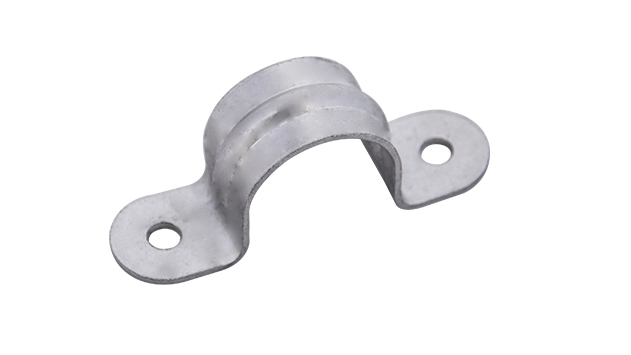
Steel Saddle Pipe Clamps: The Heavy-Duty Workhorse
Steel has been the backbone of industrial construction for decades, and for good reason: it's tough, reliable, and built to last. Let's explore why it's still a top choice.
The Pros of Steel
- Unmatched Strength and Durability: When it comes to raw strength, steel is in a league of its own. It can withstand heavy loads, high tension, and constant stress without bending or breaking. This makes it perfect for heavy-duty applications, such as securing stainless steel pipe series in manufacturing lines, supporting large conveyor systems, or building material racks that hold tons of inventory. If your setup needs to handle consistent, heavy use day in and day out, steel clamps are the safe bet.
- Cost-Effective for Large-Scale Projects: Steel is generally cheaper than aluminum, especially in bulk. For factories or warehouses with extensive lean pipe systems—think miles of conveyor tracks or dozens of workbenches—choosing steel can lead to significant cost savings upfront. This is a big win for budget-conscious operations where long-term durability is prioritized over short-term installation ease.
- Impact Resistance: Steel is tough as nails. Accidental bumps from machinery, dropped tools, or rough handling won't leave a mark on steel clamps. In high-traffic areas where equipment is constantly moving, this resilience means fewer replacements and less downtime. Unlike aluminum, which can dent, steel clamps maintain their shape and functionality even in the most chaotic work environments.
- Versatility in Coatings: While steel is prone to rust, you can combat this with coatings like galvanization, powder coating, or paint. Galvanized steel clamps, for example, have a zinc layer that provides excellent corrosion resistance—almost on par with aluminum in some cases. This flexibility lets you tailor steel clamps to specific environments: use painted steel for indoor, dry areas, or galvanized steel for outdoor or humid settings.
The Cons of Steel
- Weighty Installation: Steel's strength comes with a price: weight. Installing steel clamps requires more physical effort, and in some cases, specialized tools or lifting equipment. For example, mounting a steel clamp high up on a material rack might need two workers instead of one, slowing down the process. Over time, the cumulative effect of lifting heavy clamps can lead to worker fatigue and even injuries, which is why ergonomic considerations are crucial here.
- Ongoing Maintenance: Without a protective coating, steel will rust—and fast. Even with coatings, scratches or chips can expose the underlying metal to moisture, leading to corrosion. This means regular inspections and touch-ups are necessary to keep steel clamps in good condition. In wet environments, this maintenance can become a full-time job, adding to long-term costs despite the lower upfront price tag.
- Limited Design Flexibility: Steel is rigid, which is great for stability but not so great for adjustments. If you need to reposition a clamp slightly or bend it to fit an irregular pipe shape, steel is unforgiving. Aluminum, being more malleable, can be gently adjusted without breaking, making it better for custom setups.

Aluminum vs. Steel: A Side-by-Side Comparison
| Factor | Aluminum Saddle Pipe Clamps | Steel Saddle Pipe Clamps |
|---|---|---|
| Weight | Light (1/3 the weight of steel) | Heavy (3x the weight of aluminum) |
| Strength | Good for light to medium loads; less rigid | Excellent for heavy loads; high rigidity |
| Corrosion Resistance | Excellent (natural oxide layer) | Poor (requires coating for protection) |
| Cost | Higher upfront | Lower upfront |
| Installation Ease | Easy (lightweight, easy to handle) | Challenging (heavy, may require tools/helpers) |
| Maintenance | Low (no coating needed) | High (regular coating/touch-ups) |
| Aesthetics | Sleek, modern finish | Industrial, utilitarian look |
| Best For | Light loads, wet environments, frequent reconfigurations | Heavy loads, dry environments, long-term fixed setups |

How to Choose: Key Factors to Consider
Now that we've laid out the pros and cons, how do you decide between aluminum and steel for your saddle pipe clamps? Here are the critical questions to ask:
- What's the Load Capacity? Start with the basics: how much weight will the clamps need to support? If you're securing lightweight aluminum pipe or a small workbench, aluminum is more than sufficient. For heavy-duty applications—like holding stainless steel pipe series in a automotive assembly line—steel is the safer choice.
- What's the Environment Like? Is your workspace dry, humid, or exposed to chemicals? Aluminum is the clear winner in wet or corrosive environments. For dry, indoor settings, steel (especially galvanized or coated) can work well and save you money.
- Will You Need to Reconfigure Often? Lean manufacturing thrives on adaptability. If you frequently rearrange workstations or flow racks, aluminum's lightweight design makes it easier to disassemble and reassemble. Steel is better for permanent setups where stability trumps flexibility.
- What's Your Budget? Consider both upfront and long-term costs. Aluminum costs more initially but requires less maintenance. Steel is cheaper to buy but may need regular coating or replacement if rust sets in. For large projects, steel might be the budget-friendly choice; for small, high-moisture setups, aluminum could save you money in the long run.
- Worker Safety and Ergonomics: Heavy steel clamps can lead to fatigue or injuries during installation. If your team is installing clamps manually, aluminum's lighter weight reduces physical strain and improves efficiency.
Real-World Applications: When to Pick Aluminum vs. Steel
Let's put this into context with a few examples:
Example 1: Electronics Manufacturing Workstation
An electronics factory needs a lean pipe workstation for assembling circuit boards. The workstation is indoors, dry, and requires frequent adjustments to accommodate new product lines. The loads are light (small components, tools), and the company wants a clean, modern look for client tours. Aluminum clamps are the way to go here: lightweight for easy reconfiguration, corrosion-resistant (even in air-conditioned, low-humidity environments), and aesthetically pleasing with aluminum lean pipe.
Example 2: Automotive Parts Warehouse
A warehouse stores heavy engine parts on flow racks made with stainless steel pipe series. The environment is dry, and the racks are permanently positioned (no reconfigurations needed). Loads are heavy—each shelf holds hundreds of pounds of metal parts. Steel clamps are ideal here: their high strength ensures the racks stay stable, and the dry environment means minimal rust risk (especially with galvanized steel). The lower upfront cost also helps with the warehouse's large-scale setup.
Example 3: Food Processing Plant Conveyor System
A food processing plant uses conveyor tracks to move packaged goods. The area is humid, and equipment is regularly washed down with water and sanitizers. The conveyor uses aluminum profile rails to keep things lightweight. Aluminum clamps are a must here: their corrosion resistance stands up to constant moisture, and their lightweight design pairs well with the aluminum rails, keeping the entire system easy to maintain and clean.
Maintenance Tips to Extend Clamp Lifespan
Whichever material you choose, a little maintenance goes a long way in keeping your saddle pipe clamps working like new.
For Aluminum Clamps:
- Wipe down with a mild detergent and water if they get dirty—avoid abrasive cleaners that can scratch the oxide layer.
- Check for loose bolts regularly, especially in high-vibration areas (like near conveyor motors).
- Avoid over-tightening, as aluminum can strip or warp under excessive pressure.
For Steel Clamps:
- Inspect for rust spots monthly, especially in humid environments. Touch up with paint or rust inhibitor immediately if you spot any.
- Lubricate bolts and joints with anti-corrosive spray to prevent seizing.
- For galvanized steel, avoid scratching the zinc coating—if damaged, apply a zinc-rich paint to repair the barrier.
Final Thoughts: Aluminum and Steel—Tools in Your Lean Manufacturing Toolkit
At the end of the day, there's no "one-size-fits-all" answer to the aluminum vs. steel debate. Both materials have their place in lean pipe systems, and the best choice depends on your specific needs. Aluminum shines in lightweight, corrosive, or frequently changing setups, while steel dominates in heavy-load, budget-sensitive, and permanent applications.
Remember, saddle pipe clamps might be small, but they're critical to the safety and efficiency of your entire operation. By weighing factors like load capacity, environment, and budget, you can choose the material that keeps your lean system running smoothly—whether that's the sleek, lightweight aluminum or the tough, reliable steel.
So, the next time you're assembling a workbench, flow rack, or conveyor track, take a moment to appreciate these unsung heroes. With the right clamp material, you're not just building a structure—you're building a foundation for productivity, safety, and success.