- Company Articles
- Products and Technology
- Product knowledge
- Saddle Pipe Clamp Sizing: How to Match Clamps to Lean Aluminum Pipe Diameters

Saddle Pipe Clamp Sizing: How to Match Clamps to Lean Aluminum Pipe Diameters
Related Product
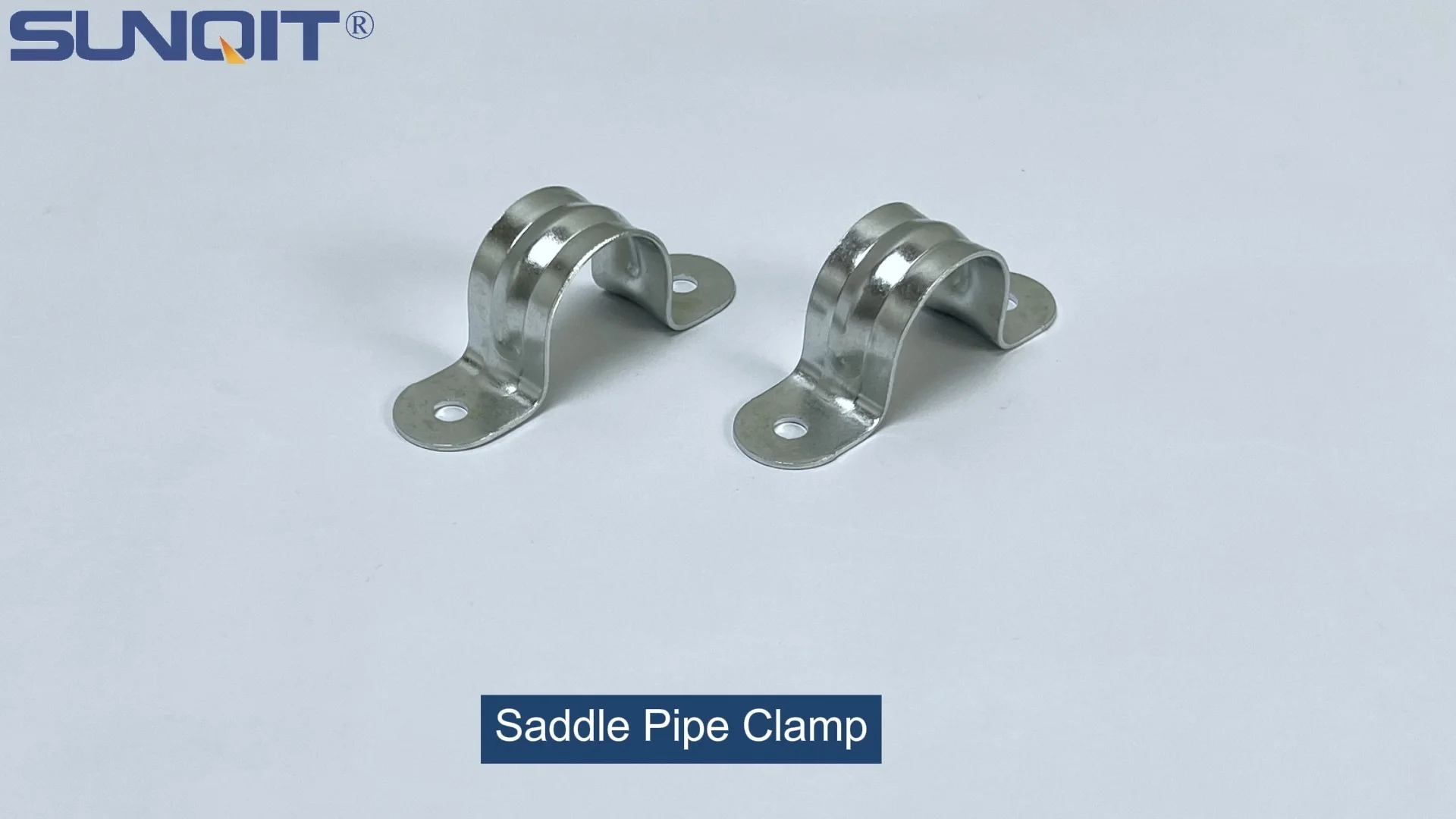
Saddle Pipe Clamp
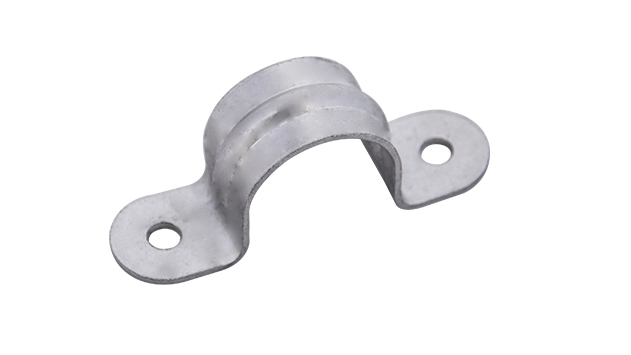
Saddle pipe clamp, used for board connect with pipe, usually for table top installation.
Let's set the scene: It's a Tuesday morning on the factory floor, and Raj, the lead technician, is staring at a wobbly workbench. The aluminum lean pipe frame that holds the bench together is shifting under the weight of tools and components, causing parts to slide off the edge and onto the floor. He kneels down for a closer look and notices the culprit: the saddle pipe clamps holding the pipes in place are loose—so loose, in fact, he can wiggle the pipe with one hand. "We just replaced these last month," he mutters, recalling the rush to order parts when the old clamps rusted. Now, he realizes no one checked if the new clamps actually fit the aluminum lean pipe's diameter. The result? A day of delays, frustrated coworkers, and a costly reminder that when it comes to workshop hardware, "close enough" is never enough.
If Raj's story sounds familiar, you're not alone. Saddle pipe clamps might seem like small, components, but they're the unsung heroes of any lean system. They hold your aluminum lean pipes together, keep workbenches stable, and ensure material racks don't collapse under load. But to do their job, they need to fit—*perfectly*. Too loose, and you get wobbles, slippage, and safety hazards. Too tight, and you risk damaging the pipe, stripping threads, or making future adjustments impossible. In this guide, we'll walk through everything you need to know to size saddle pipe clamps for your aluminum lean pipes, from understanding pipe specs to avoiding common mistakes. By the end, you'll be able to pick clamps that fit like a glove, keeping your workspace efficient, safe, and built to last.
What Are Saddle Pipe Clamps, Anyway?
Before we dive into sizing, let's make sure we're all on the same page about what saddle pipe clamps are. Imagine a simple, hardworking tool designed to cradle a pipe and lock it securely to a frame, workbench leg, or another pipe. That's a saddle pipe clamp. Its design is surprisingly clever: a curved "saddle" (the part that wraps around the pipe), a flat or angled base (to attach to other surfaces), and a bolt or screw mechanism to tighten everything down. Think of it as a hug for your pipe—firm enough to hold on, gentle enough not to squeeze too hard.
Most saddle pipe clamps are made from durable materials like zinc-plated steel (for strength and rust resistance) or plastic-coated steel (great for ESD workstations, where static electricity needs to be grounded). Some even come with rubber padding on the saddle to grip the pipe better and prevent scratches. Unlike rigid lean pipe joints, which create fixed connections, saddle clamps offer a balance of stability and adjustability—you can loosen them to reposition a pipe, then retighten to lock it in place. But that flexibility only works if the clamp's saddle matches the pipe's outer diameter (OD) exactly. A mismatch here turns a helpful tool into a liability.
Aluminum Lean Pipes: Not All Pipes Are Created Equal
To size a saddle pipe clamp, you first need to understand the star of the show: the aluminum lean pipe itself. These pipes are the backbone of lean manufacturing systems, used to build everything from workbenches and material racks to turnover trolleys and conveyor supports. They're lightweight, corrosion-resistant, and easy to cut or bend, making them ideal for custom setups. But when it comes to diameter, not all aluminum lean pipes are the same—and neither are their measurements.
The Basics: Diameter, Wall Thickness, and "Nominal" vs. "Actual" Sizing
Let's start with the most critical measurement: outer diameter (OD) . This is the distance across the outside of the pipe, and it's what your saddle pipe clamp will wrap around. Ignore inner diameter (ID)—it doesn't matter for clamping. Aluminum lean pipes come in standard OD sizes, but here's the catch: what's labeled "1 inch" at one supplier might be 25mm at another, and 25.4mm (the technical inch) at a third. These tiny differences (even 0.5mm) can mean the difference between a clamp that grips and one that slips.
Then there's wall thickness . Aluminum lean pipes typically range from 1.2mm (light-duty, for small racks or temporary structures) to 2.0mm (heavy-duty, for industrial workbenches or trolleys carrying 100+ kg). Thicker walls make the pipe stronger, but they don't change the OD—so a 19mm OD pipe with a 1.2mm wall is the same diameter as a 19mm OD pipe with a 1.5mm wall. That said, wall thickness does matter for how much pressure the pipe can handle. A clamp that's too tight on a thin-wall pipe (1.2mm) might crush or dent it, while a loose clamp on a thick-wall pipe could still slip if the load is heavy.
Common Aluminum Lean Pipe Sizes (and What They're Used For)
Most suppliers stock a handful of standard OD sizes. Here's a quick breakdown of the ones you'll see most often, along with their typical uses:
- 13mm (1/2 inch OD): The smallest common size, perfect for light-duty tasks like small material racks, dividers on workbenches, or supports for lightweight tools. Think: holding bins of screws or organizing small parts.
- 19mm (3/4 inch OD): The workhorse of most workshops. This is the go-to for standard workbenches, medium-sized material racks (3-row, 3-floor designs, for example), and turnover trolleys carrying up to 50kg. If you're building something that needs to be sturdy but not industrial-strength, 19mm is your friend.
- 25mm (1 inch OD): Heavy-duty territory. Use this for workbenches holding power tools, conveyor supports, or material racks with bulky items (like automotive parts). Some suppliers even offer 30mm OD pipes for extreme loads, but 25mm covers most heavy needs.
Pro tip: If you're unsure what size pipe you have, grab a digital caliper (the $20 kind from the hardware store works fine) and measure the OD yourself. Place the caliper jaws gently around the pipe, making sure they're straight (not angled), and read the measurement. Write it down—you'll need this number later.
Key Factors That Make or Break Saddle Pipe Clamp Sizing
Sizing a saddle pipe clamp isn't just about matching numbers on a chart. It's about considering how the clamp and pipe will work together in your specific setup. Here are the four factors that matter most:
1. Pipe Outer Diameter (OD): The Non-Negotiable Measurement
We've said it before, but it's worth repeating: always measure the actual OD of your pipe . Don't trust the label on the box or the supplier's website. Manufacturing tolerances mean a pipe listed as "19mm" could be 18.8mm or 19.2mm—close, but not exact. A clamp designed for 19mm might be too loose on 18.8mm or too tight on 19.2mm. For example, Raj's team assumed their aluminum lean pipe was 25mm OD, so they ordered 25mm clamps. But the pipe was actually 24.5mm (a common tolerance from their new supplier), leaving a 0.5mm gap. That gap was enough to let the pipe shift.
2. Clamp Adjustability: Fixed vs. Adjustable Sizes
Saddle pipe clamps come in two main types: fixed-size and adjustable . Fixed clamps are designed for one specific OD (e.g., "19mm only") and have a rigid saddle that matches that curve exactly. They're great for permanent setups where you don't need to reposition pipes often. Adjustable clamps, on the other hand, have a saddle with a range (e.g., "18-20mm") and use a bolt to tighten down. They're flexible but risk being overtightened if you're not careful. For most workshops, fixed clamps are more reliable—adjustable ones are better for temporary setups or when you're unsure of the pipe size (though we still recommend measuring first).
3. Application: Static vs. Dynamic Loads
How much weight will the clamp need to hold? And will the pipe be moving (like on a conveyor) or stationary (like a workbench leg)? For static loads (e.g., a workbench holding tools), a snug fit is key to prevent gradual slipping over time. For dynamic loads (e.g., a material rack where parts are constantly being loaded/unloaded), you'll want a clamp with extra grip—look for rubberized saddles or higher torque ratings on the bolts. A loose clamp on a dynamic setup won't just wobble; it could lead to catastrophic failure if the pipe shifts mid-operation.
4. Environmental Factors: Heat, Cold, and Corrosion
Where will your setup live? In a hot factory, metal clamps and aluminum pipes expand slightly—too tight a clamp might dig into the pipe as temperatures rise. In a cold storage facility, they contract—too loose, and the clamp might rattle or loosen further. If you're in a humid or corrosive environment (like near chemicals), opt for stainless steel clamps or plastic-coated ones to prevent rust. Rust can warp the clamp's saddle over time, changing its effective size even if it fit perfectly initially.

Step-by-Step: How to Size Saddle Pipe Clamps for Aluminum Lean Pipes
Now that you know what to consider, let's walk through the process of finding the right clamp. We'll use Raj's scenario as an example—he needs to replace the clamps on his workbench, which uses 19mm OD aluminum lean pipe with a 1.5mm wall thickness.
Step 1: Measure the Pipe's Outer Diameter (OD)
Raj grabs a digital caliper from the toolbox and measures the aluminum lean pipe. He places the jaws perpendicular to the pipe (not at an angle) and tightens them gently until they touch the pipe's surface. The caliper reads "19.1mm." He double-checks by measuring at three different points (top, middle, bottom) to ensure the pipe isn't bent or out of round (a common issue with thin-wall pipes). All readings are between 19.0mm and 19.2mm—close enough to call it 19mm OD.
Step 2: Check the Clamp's Spec Sheet
Next, Raj pulls up the spec sheet for the saddle pipe clamps his team ordered last month. The label says "19mm Clamp," but the fine print reveals the saddle's inner diameter is 20mm. No wonder it was loose! He then checks a different supplier's website and finds a clamp labeled "19mm OD Saddle Pipe Clamp" with a saddle diameter of 19.1mm—*exactly* matching his pipe's measurement. He notes the part number and checks the load rating: 50kg per clamp, which is more than enough for his workbench.
Step 3: Consider Aluminum Pipe Accessories
Raj remembers the workbench has plastic end caps on the aluminum lean pipe ends to prevent sharp edges. These caps add about 0.3mm to the OD where they're installed. He checks if the clamps will be placed near the caps—they are, on the lower frame. To account for the extra thickness, he decides to order a few clamps with a 19.3mm saddle (adjustable) for those spots, ensuring a snug fit even with the caps.
Step 4: Test Before Full Installation
Instead of ordering 50 clamps at once, Raj orders a small sample pack (10 clamps) to test. He installs one on a spare 19mm pipe, tightens the bolt to the recommended torque (15 Nm, per the supplier's instructions), and gives the pipe a firm shake. No movement. He then hangs a 60kg weight from the pipe (more than the workbench will ever hold) and leaves it overnight. The next morning, the clamp is still tight, and the pipe is undamaged. Success!
Step 5: Document and Repeat
Raj jots down the clamp part number, pipe OD, and torque setting in the workshop's inventory log. Now, next time someone needs to order clamps, they won't have to guess—they'll have exact specs. He also labels the pipe bundles in the storage room with their OD (e.g., "19mm OD – 1.5mm wall") to avoid mix-ups.

Common Mistakes to Avoid (So You Don't End Up Like Raj)
Even with the best intentions, it's easy to slip up when sizing clamps. Here are the pitfalls to watch for:
- Mistake #1: Using "Nominal" Size Instead of Actual OD. "3/4 inch" is a nominal size, but actual OD can vary. Always measure!
- Mistake #2: Ignoring Pipe Straightness. Bent or oval pipes have inconsistent OD. If your pipe is warped, either straighten it or use adjustable clamps to compensate.
- Mistake #3: Overlooking Corrosion. Rust on old clamps or pipes can change OD. replace rusted parts instead of trying to reuse them.
- Mistake #4: Tightening Too Much (or Too Little). Overtightening crushes pipes; undertightening leads to slippage. Use a torque wrench to hit the supplier's recommended setting.
- Mistake #5: Mixing Suppliers. Clamps from Supplier A might fit Supplier A's pipes, but not Supplier B's—even if both claim "19mm." Stick to one supplier for pipes and clamps when possible.
Saddle Pipe Clamp Sizing Chart: Aluminum Lean Pipe OD vs. Recommended Clamp Size
| Aluminum Lean Pipe OD (mm) | Aluminum Lean Pipe OD (Inch) | Recommended Saddle Clamp Size | Compatible Aluminum Pipe Accessories | Typical Application |
|---|---|---|---|---|
| 13.0mm – 13.2mm | 0.51 inch – 0.52 inch | 13mm fixed clamp | Plastic end caps, 13mm lean pipe joints | Small material racks, dividers on workbenches |
| 19.0mm – 19.3mm | 0.75 inch – 0.76 inch | 19mm fixed clamp (or 18-20mm adjustable) | Basic aluminum tube, rubber end caps | Standard workbench frames, medium material racks (3-row, 3-floor) |
| 25.0mm – 25.5mm | 0.98 inch – 1.00 inch | 25mm fixed clamp | Heavy-duty end caps, stainless steel swivel roller balls | Turnover trolleys, industrial workbenches, conveyor supports |
| 30.0mm – 30.5mm | 1.18 inch – 1.20 inch | 30mm fixed clamp | Corrugated aluminum pipe, large caster wheels | Heavy-load material racks, outdoor storage structures |
Final Thoughts: Sizing Clamps = Sizing Success
Raj's workbench is now rock-solid. The new 19mm saddle pipe clamps grip the aluminum lean pipe tightly, and the team hasn't had a single part slide off since the replacement. "Who knew clamps could make such a difference?" one coworker jokes, but Raj knows the truth: it's not just about the clamps. It's about taking the time to measure, to check specs, and to prioritize precision over speed. In lean manufacturing, every component matters—even the small ones.
So, the next time you're ordering saddle pipe clamps, channel your inner Raj. Grab a caliper, check the spec sheet, and test before you commit. Your workbench (and your sanity) will thank you. After all, a workshop built on properly sized clamps isn't just stable—it's a workshop built to thrive.