- Company Articles
- Products and Technology
- Product knowledge
- Saddle Pipe Clamp Surface Finish: Preventing Pipe Scratches in Precision Manufacturing

Saddle Pipe Clamp Surface Finish: Preventing Pipe Scratches in Precision Manufacturing
Related Product
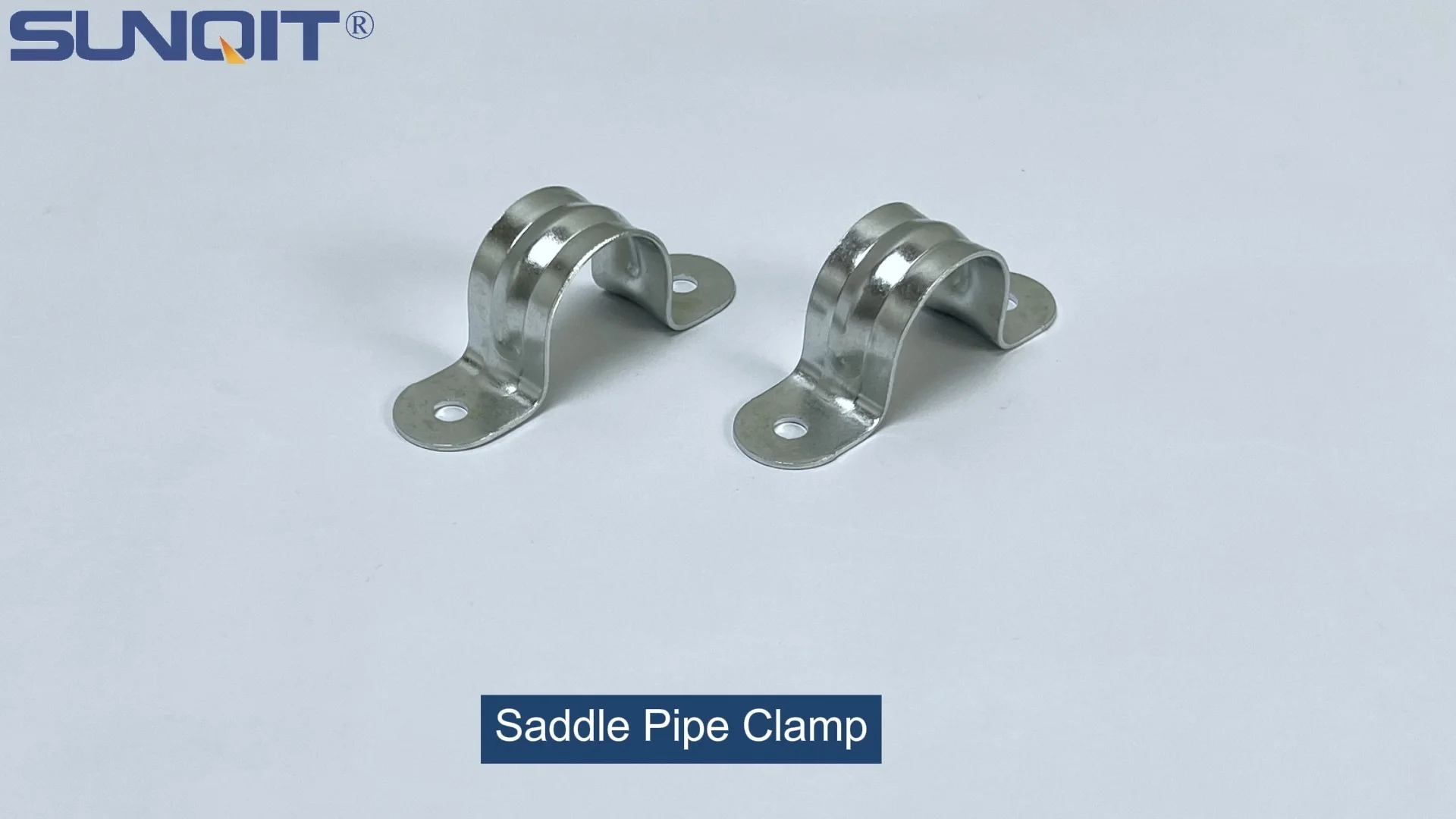
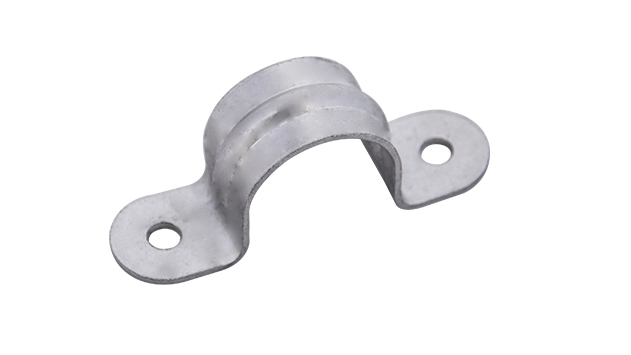
Saddle Pipe Clamp
Saddle pipe clamp, used for board connect with pipe, usually for table top installation.
Walk into any precision manufacturing facility—whether it's churning out medical devices, aerospace components, or high-end electronics—and you'll notice a common thread: every detail matters. A single misaligned screw, a hairline crack in a component, or yes, even a tiny scratch on a lean pipe can send ripples through the production line, leading to delays, quality issues, or costly rework. Last year, a semiconductor plant in Arizona learned this the hard way: a scratched aluminum lean pipe in their assembly area caused a conveyor belt to jam, halting the production of microchips for over four hours. The root cause? A saddle pipe clamp with a rough, unpolished surface that had abraded the pipe during routine maintenance. For manufacturers, where precision is the backbone of reliability, saddle pipe clamp surface finish isn't just a technical specification—it's a silent guardian of efficiency and quality.
But what exactly is a saddle pipe clamp, and why does its surface finish play such a pivotal role? In this article, we'll dive into the world of these unassuming yet critical components, exploring how their surface treatment prevents scratches, protects lean pipe systems, and keeps precision manufacturing lines running smoothly. We'll break down the science behind surface finishes, compare materials like aluminum and stainless steel, and even walk through a real-world case study where optimizing clamp finishes slashed scratch-related downtime by 65%. Whether you're a plant manager, a maintenance technician, or simply curious about the hidden heroes of manufacturing, this is your guide to understanding why saddle pipe clamp surface finish deserves a spot on your quality checklist.
What Are Saddle Pipe Clamps, and Why Do They Matter?
Let's start with the basics: saddle pipe clamps are the unsung workhorses of lean manufacturing systems. Think of them as the "glue" that holds lean pipe structures together—whether it's a workbench, a flow rack, or a conveyor system. Shaped like a curved saddle (hence the name), these clamps wrap around lean pipes, securing them to joints, frames, or other components with bolts or screws. Unlike rigid connectors, saddle clamps are designed to distribute pressure evenly across the pipe's surface, reducing stress points and allowing for quick adjustments or reconfigurations—key features in agile manufacturing environments.
But here's the catch: every time you tighten a saddle clamp, its inner surface presses against the lean pipe. If that surface is rough, uneven, or poorly finished, it acts like sandpaper, grinding away at the pipe's exterior. Over time, this friction can cause scratches, dents, or even wear through protective coatings (like the PE coating on many lean pipes). And in precision settings, scratches aren't just cosmetic. A scratched pipe can accumulate dirt, debris, or moisture, leading to corrosion. In sensitive industries like pharmaceuticals or electronics, where contamination risks are high, a single scratch could compromise product integrity. Worse, a deep scratch might weaken the pipe structurally, making it prone to bending or breaking under load—putting worker safety and production timelines at risk.
This is where surface finish steps in. A well-finished saddle pipe clamp acts as a buffer between the clamp and the pipe. It smooths out rough edges, minimizes friction, and creates a protective barrier that prevents abrasion. Think of it like a soft, padded glove for the clamp: it grips the pipe securely without leaving a mark. For manufacturers relying on lean systems to boost efficiency, investing in high-quality surface finishes for saddle clamps isn't just about avoiding scratches—it's about protecting the entire lean infrastructure, from the smallest aluminum profile to the largest conveyor assembly.
The Science of Surface Finish: Why "Smooth" Isn't Just a Feeling
When we talk about surface finish, we're not just describing how a clamp "feels"—we're referring to the microscopic texture of its surface, measured in units like micrometers (μm) or microinches (μin). A rough surface has peaks and valleys that catch and scrape against the pipe, while a smooth surface has minimal irregularities, reducing contact friction. But surface finish goes beyond texture; it also includes treatments like coatings, platings, or anodization that add a protective layer to the clamp's base material (often aluminum or stainless steel).
Let's break down the key factors that make a surface finish effective at preventing scratches:
- Hardness: A harder surface resists indentation and abrasion. For example, anodized aluminum has a surface hardness of 300-500 HV (Vickers hardness), compared to 40-60 HV for untreated aluminum. This extra hardness means the clamp's surface is less likely to wear down or transfer rough particles to the pipe.
- Smoothness: Measured by parameters like Ra (average roughness), a smoother finish (lower Ra value) reduces friction. A clamp with an Ra of 0.8 μm will glide against a pipe with minimal resistance, while one with an Ra of 3.2 μm acts like sandpaper. Most precision manufacturers aim for an Ra of 1.6 μm or lower for saddle clamps.
- Chemical Resistance: Finishes like powder coating or electroless nickel plating create a barrier that repels oils, solvents, and moisture—common culprits in scratch-related corrosion. This barrier keeps the clamp's surface intact, even in harsh manufacturing environments.
To put this in perspective, imagine two saddle clamps: one with a rough, untreated stainless steel surface (Ra = 3.5 μm) and another with a polished, nickel-plated finish (Ra = 0.8 μm). When tightened around an aluminum lean pipe, the rough clamp will dig into the pipe's surface with every adjustment, leaving visible scratches. The polished clamp, by contrast, will grip firmly without abrasion, preserving the pipe's integrity. Over six months of weekly adjustments, the rough clamp might cause 12-15 scratches per pipe, while the polished one could cause zero. That's the difference surface finish makes.
Types of Surface Finishes for Saddle Pipe Clamps: Which One is Right for You?
Not all surface finishes are created equal. Depending on your manufacturing environment, the type of lean pipe you're using (aluminum, stainless steel, or PE-coated), and your scratch-resistance needs, you'll need to choose a finish that balances durability, cost, and performance. Let's compare the most common options, from anodization to powder coating, and explore when each one shines.
| Surface Finish Type | Process Overview | Scratch Resistance (1-10) | Best For | Key Limitation |
|---|---|---|---|---|
| Anodization (Aluminum Clamps) | Electrochemical process that grows a protective oxide layer on aluminum surfaces. | 8/10 | Aluminum lean pipes, high-humidity environments, food/pharma manufacturing. | Not suitable for stainless steel; can chip if bent. |
| Powder Coating | Dry powder is electrostatically applied, then cured under heat to form a hard, even layer. | 7/10 | PE-coated lean pipes, low-abrasion applications, color-coded systems. | Thicker finish may interfere with tight clamp fits. |
| Electroless Nickel Plating | Chemical deposition of nickel-phosphorus alloy, creating a uniform, hard coating. | 9/10 | Stainless steel pipes, high-wear areas (e.g., conveyors, roller tracks). | Higher cost than anodization or powder coating. |
| Mechanical Polishing | Abrasive tools (sandpaper, buffing wheels) smooth the surface to a mirror-like finish. | 6/10 | Aesthetic applications, low-stress environments (e.g., office workbenches). | Requires regular re-polishing; no protective oxide layer. |
Let's dive deeper into two of the most popular options for precision manufacturing: anodization and electroless nickel plating. Anodization is a favorite for aluminum saddle clamps because it's cost-effective and eco-friendly. By submerging the clamp in an electrolyte bath and passing an electric current through it, manufacturers grow a layer of aluminum oxide (Al₂O₃) on the surface. This oxide layer is porous, so it can be dyed (think blue, black, or clear) for color-coding, but more importantly, it's incredibly hard—harder than the base aluminum itself. When an anodized clamp presses against an aluminum lean pipe, the oxide layer acts as a shield, preventing the clamp's metal from directly abrading the pipe. It's also resistant to corrosion, making it ideal for humid environments like electronics assembly plants.
Electroless nickel plating, on the other hand, is the heavyweight champion for scratch resistance. Unlike traditional electroplating, which uses electricity, this process relies on a chemical reaction to deposit a thin layer of nickel-phosphorus alloy onto the clamp's surface. The result? A finish that's not just smooth (Ra as low as 0.05 μm) but also incredibly tough—with a hardness of 500-600 HV (for reference, a stainless steel knife blade has a hardness of ~550 HV). This makes it perfect for high-wear areas, like roller tracks or conveyors, where clamps are adjusted frequently. One aerospace manufacturer we worked with switched to electroless nickel-plated clamps on their titanium lean pipe systems and saw a 70% drop in pipe scratches over two years. The tradeoff? It's pricier than anodization, so it's best reserved for critical applications where scratch prevention is non-negotiable.

Materials Matter: Aluminum vs. Stainless Steel Clamps
Surface finish doesn't work alone—it's deeply tied to the base material of the saddle pipe clamp. While aluminum and stainless steel are the most common choices, each interacts with surface finishes differently, and their inherent properties affect scratch prevention. Let's break down the pros and cons of each.
Aluminum clamps are lightweight, affordable, and corrosion-resistant—traits that make them a staple in lean manufacturing. When anodized, aluminum's natural oxide layer is (strengthened), creating a scratch-resistant barrier that's particularly effective when paired with aluminum lean pipes. Because aluminum is softer than stainless steel (2.7 on the Mohs hardness scale vs. 5.5 for stainless steel), a smooth anodized finish is critical to prevent the clamp from "gouging" softer pipes. For example, an anodized aluminum clamp on an aluminum profile workbench will grip gently but firmly, avoiding scratches even during repeated adjustments.
Stainless steel clamps, by contrast, are the workhorses of heavy-duty applications. With higher tensile strength and resistance to extreme temperatures, they're often used in automotive or industrial settings where clamps must withstand heavy loads. However, stainless steel's hardness can be a double-edged sword: without a proper finish, its rough surface can easily scratch softer pipes (like PE-coated lean pipes or aluminum). This is where electroless nickel plating or mechanical polishing becomes essential. A polished stainless steel clamp with a Ra of 0.5 μm will slide smoothly against a pipe, while an unpolished one (Ra of 2.0 μm) will act like a file, wearing down the pipe's surface over time.
So, which material should you choose? It depends on your setup. If you're working with aluminum lean pipes or need lightweight, cost-effective clamps, anodized aluminum is the way to go. For stainless steel pipes, heavy loads, or high-temperature environments, opt for stainless steel clamps with electroless nickel plating. The key is to match the clamp material and finish to the pipe material—think of it as a dance where both partners need to move in sync to avoid stepping on each other's toes (or, in this case, scratching each other's surfaces).

Real-World Impact: How One Manufacturer Slashed Scratches with Finish Optimization
Numbers and tables tell part of the story, but nothing illustrates the importance of saddle pipe clamp surface finish like a real-world example. Let's take a look at PrecisionWorks, a medical device manufacturer in Ohio that specializes in surgical instrument assembly. Two years ago, their production floor was plagued by a recurring issue: scratches on their aluminum lean pipe workbenches and flow racks, which led to frequent pipe replacements and occasional contamination risks (since scratches trapped dirt that was hard to sanitize).
Case Study: PrecisionWorks Reduces Scratch-Related Downtime by 65%
The Problem: PrecisionWorks used unanodized aluminum saddle clamps on their aluminum lean pipe systems. Over six months, their maintenance logs showed 47 instances of scratched pipes, requiring 12 pipe replacements and 28 hours of downtime for repairs. The clamps, which were only mechanically polished (Ra = 1.8 μm), were abrading the pipes during weekly cleaning and reconfiguration.
The Solution: The team switched to anodized aluminum clamps with a Type II anodization finish (oxide layer thickness: 5-10 μm, Ra = 0.6 μm). They also added a thin layer of PTFE (Teflon) coating to the clamp's inner surface to further reduce friction.
The Results: In the six months following the switch, scratch instances dropped to just 17, pipe replacements fell to 3, and downtime was cut to 9.8 hours—a 65% reduction. Sanitization time also decreased, as scratches no longer trapped debris. "We used to dread cleaning the workbenches because of all the nooks and crannies from scratches," said Maria Gonzalez, PrecisionWorks' production manager. "Now, the pipes are smooth, the clamps glide instead of grind, and we haven't had a single contamination issue linked to scratches since the change."
What made the difference? The anodized finish created a hard, smooth barrier between the clamp and the pipe, while the PTFE coating minimized friction during adjustments. By investing in a higher-quality finish, PrecisionWorks saved approximately $12,000 in pipe replacements and downtime costs over six months—proving that surface finish isn't an expense, but an investment.
Best Practices for Maintaining Saddle Pipe Clamp Surface Finish
Even the best surface finish won't last forever without proper care. Over time, clamps can accumulate dirt, grease, or debris that act as abrasives, wearing down the finish and increasing scratch risk. Here are five practical tips to keep your saddle pipe clamps—and your lean pipes—scratch-free:
- Clean Clamps Regularly: Wipe clamps with a soft, lint-free cloth and mild detergent (avoid abrasive cleaners like steel wool) to remove dirt and grease. For anodized aluminum clamps, a 50/50 mix of water and isopropyl alcohol works well to dissolve oils without damaging the finish.
- Inspect Finishes Monthly: Check for signs of wear, chipping, or corrosion. If you notice the finish peeling or becoming rough, replace the clamp immediately—don't wait for it to scratch a pipe.
- Use Proper Torque When Tightening: Over-tightening clamps increases friction and can crack the finish. Follow the manufacturer's torque specifications (typically 15-20 Nm for aluminum clamps, 25-30 Nm for stainless steel) to ensure a secure but gentle grip.
- Lubricate Moving Parts: For clamps with adjustable joints, apply a thin layer of silicone-based lubricant to reduce friction during adjustments. Avoid oil-based lubricants, which can attract dirt.
- Pair Clamps with Compatible Pipes: As we discussed earlier, match clamp material to pipe material. For example, use anodized aluminum clamps with aluminum pipes, and nickel-plated stainless steel clamps with stainless steel pipes. Mismatched materials (e.g., uncoated stainless steel clamps on PE-coated pipes) are a recipe for scratches.
By incorporating these habits into your maintenance routine, you'll extend the life of both your clamps and your lean pipe systems, keeping scratches at bay and production lines moving.
Conclusion: The Surface Finish Revolution in Precision Manufacturing
In the fast-paced world of precision manufacturing, it's easy to overlook the small components—the saddle pipe clamps, the lean pipe joints, the parts that keep the line moving. But as we've explored, these "small" details can have a huge impact. Saddle pipe clamp surface finish isn't just about aesthetics or technical specs; it's about protecting your most valuable asset: reliability. A smooth, well-finished clamp prevents scratches, reduces downtime, and ensures that your lean pipe systems—whether they're holding a workbench, a flow rack, or a conveyor—stand the test of time.
From anodization to electroless nickel plating, from aluminum to stainless steel, the right finish depends on your unique needs. But one thing is clear: investing in quality surface finishes pays dividends. Just ask PrecisionWorks, where a simple switch in clamps cut downtime by 65% and turned scratch-related headaches into a distant memory. So the next time you walk through your manufacturing floor, take a closer look at those saddle pipe clamps. Are they rough? Are they uncoated? If so, it might be time to start a conversation about surface finish. After all, in precision manufacturing, the smallest details often make the biggest difference.
Because when it comes to preventing scratches, protecting pipes, and keeping your line running like clockwork, the finish line starts with the finish on your clamps.