- Company Articles
- Products and Technology
- Product knowledge
- Saddle Pipe Clamp vs. Pipe Hanger: When to Use Each in Manufacturing Setups

Saddle Pipe Clamp vs. Pipe Hanger: When to Use Each in Manufacturing Setups
Related Product
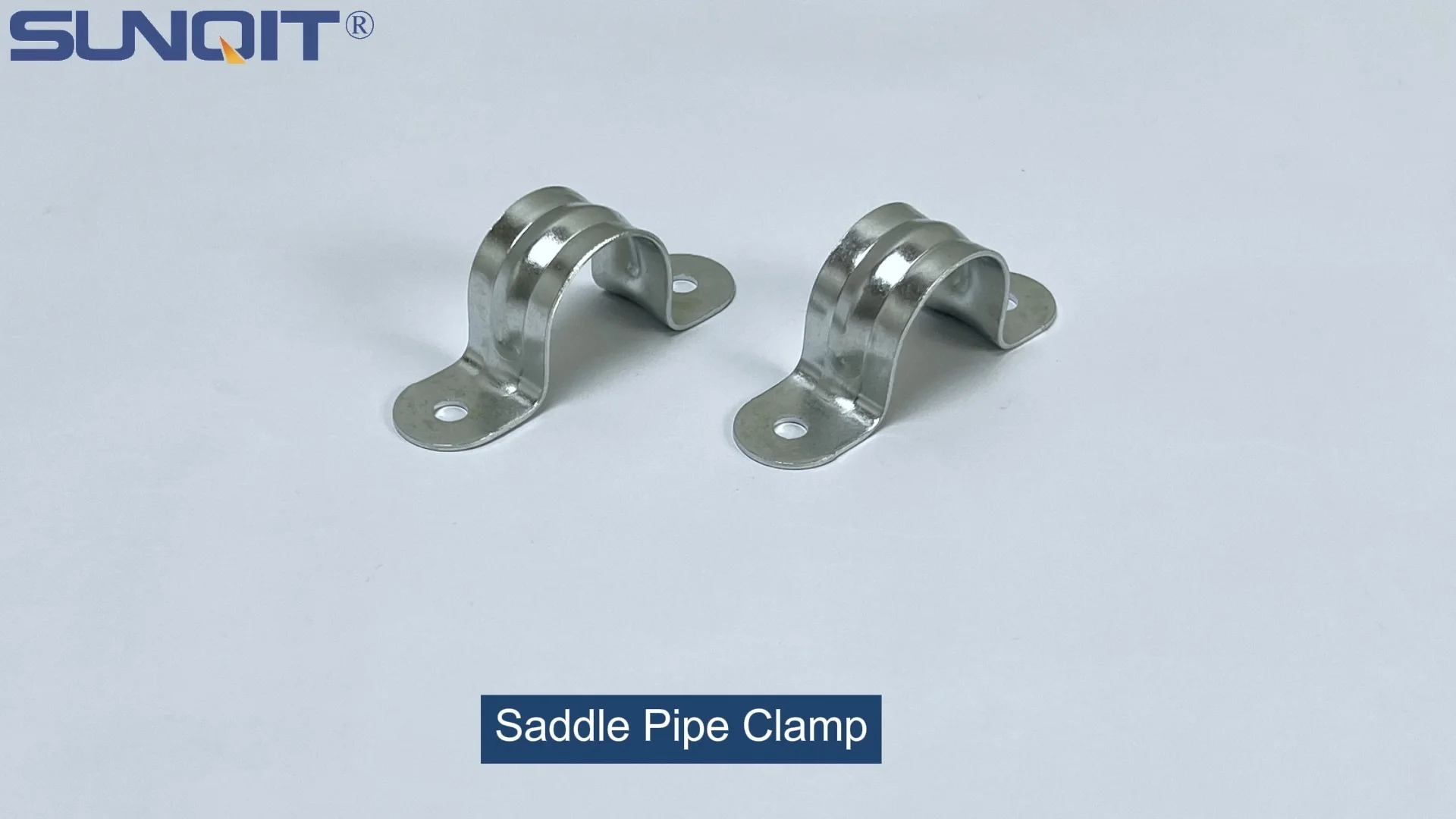
Saddle Pipe Clamp
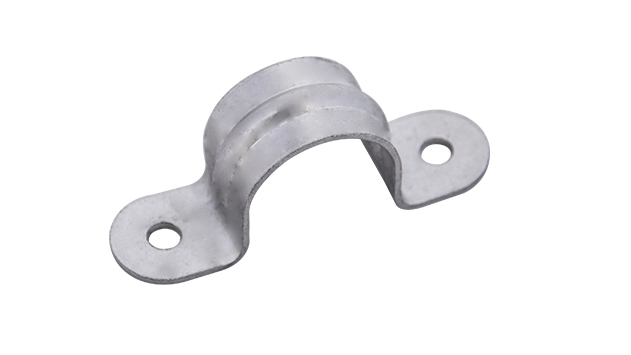
Saddle pipe clamp, used for board connect with pipe, usually for table top installation.
Walk into any manufacturing facility, and you'll notice a hidden hero: the infrastructure holding everything together. From the workbench where assembly happens to the conveyor belts moving products across the floor, every piece relies on something simple yet critical—pipes, and the components that secure them. Today, we're diving into two of these unsung champions: saddle pipe clamps and pipe hangers. They might look similar at first glance, but choosing the right one can mean the difference between a smooth, efficient workflow and a setup that's constantly breaking down or, worse, unsafe.
Let's start with the basics. Whether you're building a lean pipe workstation, setting up a flow rack for materials, or installing an overhead conveyor system, how you secure your pipes matters. Saddle pipe clamps and pipe hangers each have unique strengths, and understanding those strengths will help you make smarter decisions for your specific needs. Let's break them down, step by step.
What Are Saddle Pipe Clamps, Anyway?
Picture this: You're assembling a workbench using lean pipe and aluminum profile. You need to attach horizontal pipes to the vertical legs to create a stable frame. What do you reach for? Chances are, it's a saddle pipe clamp. These little devices are designed for one primary job: securing pipes to flat or curved surfaces from the side or bottom. They get their name from their shape—a curved "saddle" that wraps around the pipe, held in place by bolts or screws that tighten against the mounting surface.
Saddle clamps come in all shapes and sizes, but most share a few key features. The saddle itself is usually made of metal (steel or aluminum, depending on the load) and lined with rubber or plastic to prevent the pipe from slipping or getting scratched. The base is flat, with holes for bolts, making them easy to mount on workbench frames, flow rack uprights, or even walls. Some are adjustable, letting you tweak the fit for different pipe diameters—handy if you're working with a mix of lean pipe and aluminum pipe in your setup.
Here's why they're so popular in manufacturing: they're versatile. Need to mount a pipe under a workbench shelf? Saddle clamp. Want to secure a crossbar on a flow rack to keep materials from falling off? Saddle clamp. Building a modular lean pipe structure where pipes need to connect at odd angles? You guessed it—saddle clamp. They're especially useful for horizontal pipes that need a strong, stable hold without drilling into the pipe itself (which can weaken it).
Materials matter, too. If you're working in a cleanroom or handling sensitive electronics, you might opt for stainless steel saddle clamps to avoid corrosion. For lighter loads, like a small parts bin rack made with aluminum profile, aluminum clamps keep things lightweight. And if you're on a budget, plastic-coated steel clamps offer a good balance of strength and cost.
Pipe Hangers: Supporting from Above
Now, let's shift gears to pipe hangers. If saddle clamps are the "sidekicks" of pipe mounting, pipe hangers are the "overhead heroes." As the name suggests, these are designed to support pipes from above—think ceiling mounts, beam attachments, or overhead racks. Instead of wrapping around the pipe from the side, they cradle it from below, using brackets, rods, or clamps that hang down from a stable structure above.
Pipe hangers are all about vertical support. Imagine an overhead conveyor system in a warehouse, carrying boxes from one end to the other. The pipes that form the conveyor track need to stay perfectly aligned, even under the weight of moving goods. Pipe hangers are what keep those pipes from sagging or shifting. They're also common in factories with overhead pipelines for air, water, or hydraulic fluid—situations where you can't (or don't want to) mount pipes to walls or floors.
Like saddle clamps, pipe hangers come in various styles. Clevis hangers are a classic example: a U-shaped bracket that holds the pipe, with a bolted top that attaches to a threaded rod or beam clamp. Beam clamps, on the other hand, grip onto I-beams or ceiling joists, eliminating the need for drilling. For heavier loads, like a steel roller conveyor carrying automotive parts, you might use rigid hangers that don't allow movement. For systems with thermal expansion (like hot water pipes), spring-loaded hangers can absorb some of that movement to prevent stress.
One thing to note: pipe hangers aren't just for heavy-duty jobs. Even lightweight setups, like a small overhead rail for tools in a workshop, can benefit from a simple hanger. The key is matching the hanger's load capacity to the pipe's weight and the materials it's carrying. A flimsy hanger on a conveyor line could lead to sagging, misalignment, and even product jams—something no manufacturer wants to deal with.
Saddle Clamp vs. Pipe Hanger: The Key Differences (Including a Handy Table)
By now, you might have a sense of when to use each, but let's make it crystal clear. The biggest difference comes down to direction of support : saddle clamps secure pipes from the side or bottom (horizontal or angled mounting), while pipe hangers support from above (vertical/overhead mounting). But there's more to it than that. Let's compare them head-to-head:
| Feature | Saddle Pipe Clamp | Pipe Hanger |
|---|---|---|
| Primary Function | Secures pipes to flat or curved surfaces (side/bottom mounting) | Supports pipes from overhead structures (ceiling, beams, racks) |
| Best For | Horizontal pipes, workbenches, flow racks, lean pipe structures, wall mounts | Overhead pipes, conveyors, vertical pipelines, heavy suspended loads |
| Load Capacity | Medium to high (depends on material; up to 500 lbs for heavy-duty steel clamps) | High to very high (up to 2,000+ lbs for industrial beam hangers) |
| Material Compatibility | Works with lean pipe, aluminum profile, steel, stainless steel pipes | Compatible with all pipe materials; often paired with steel or aluminum for heavy loads |
| Installation Complexity | Simple: drill holes, bolt down, tighten around pipe | More complex: requires overhead access, measuring for alignment, secure attachment to structural beams |
| Adjustability | High: many models slide or pivot for angle adjustments | Medium: some have height-adjustable rods, but alignment is critical post-installation |
| Common Use Cases in Manufacturing | Workbench frames, flow rack crossbars, lean pipe workstations, machine guards | Conveyor systems, overhead material handling, HVAC pipelines, hydraulic lines |
See the pattern? Saddle clamps are your go-to for ground-level or wall-mounted setups where you need flexibility and easy access. Pipe hangers shine when you need to get pipes off the floor, save space, or support heavy loads from above. But what if you need both? It's not uncommon to see a mix: a lean pipe workbench with saddle-clamped pipes at waist height, and an overhead conveyor with pipe hangers carrying materials to that workbench. The magic is in pairing them to fit your workflow.

Real-World Applications: When to Choose Which
Let's get practical. Here are four common manufacturing scenarios where the choice between saddle clamps and pipe hangers matters—and how to decide.
1. Building a Lean Pipe Workbench
Lean pipe workbenches are the backbone of many assembly lines. They're modular, easy to customize, and perfect for small-batch production. When building one, you'll use vertical legs (often aluminum profile or steel) and horizontal crossbars for the frame, shelves, and tool rails. For those horizontal crossbars, saddle pipe clamps are ideal. They attach directly to the vertical legs, wrap around the lean pipe, and tighten securely—no need for welding or drilling into the pipe. Plus, if you later want to reconfigure the workbench (add a shelf, move a tool rail), you can loosen the clamps, adjust, and retighten. Quick, simple, and non-destructive to the pipe.
2. Setting Up a Flow Rack for Materials
Flow racks are all about gravity: materials slide down inclined rollers from the back to the front, making it easy for workers to grab what they need. The frame of a flow rack is usually made of vertical posts and horizontal beams, with roller tracks mounted on the beams. To secure those horizontal beams to the posts, saddle clamps are the way to go. They hold the beams steady, even when heavy boxes are sliding down the rollers. And since flow racks are often built with aluminum profile for lightweight durability, aluminum saddle clamps keep the whole setup light but strong. Pipe hangers? Not necessary here—everything's at waist height, so overhead support isn't needed.
3. Installing an Overhead Conveyor System
Now, imagine a large factory where products need to move from the assembly line to the packaging area—overhead, to save floor space. That's where a conveyor system comes in, and it relies entirely on pipe hangers. The conveyor track (often steel or aluminum pipe) needs to run straight and level across the ceiling, supported at regular intervals to prevent sagging. Pipe hangers attached to ceiling beams or overhead racks hold the track in place, distributing the weight evenly. If you used saddle clamps here, you'd have nowhere to mount them—there's no vertical surface overhead! Hangers are the only practical choice, and they need to be rated for the conveyor's load (including the weight of the products plus the track itself).
4. Running Hydraulic Lines in a Heavy Machinery Shop
Hydraulic lines carry high-pressure fluid to power machinery, and they need to be secured safely to avoid leaks or bursts. In many shops, these lines run overhead to keep them out of the way of moving equipment. Pipe hangers are essential here—they keep the lines elevated and protected. But what if a section of line needs to run along a wall to connect to a machine? That's where saddle clamps take over. Mounted to the wall, they secure the horizontal section of pipe, ensuring it doesn't vibrate loose when the machinery is running. It's a team effort: hangers for the overhead parts, clamps for the wall-mounted parts.
Case Study: How a Small Electronics Workshop Got It Right
Let's take a look at a real example to see how these choices play out. Meet "TechCraft," a small electronics assembly shop with about 10 workers. They specialize in building custom circuit boards, and their workflow involves three main steps: component sorting, assembly on workbenches, and testing. As they grew, they realized their setup was disorganized—pipes were loosely tied to shelves with zip ties, workbenches wobbled, and materials were scattered everywhere. They decided to upgrade using lean pipe, aluminum profile, and the right mounting hardware.
The Problem: Their workbenches were rickety, and they needed a flow rack to organize components. They also wanted to add a small overhead conveyor to move boards from assembly to testing, saving workers from walking back and forth.
The Solution:
- Workbenches: They built new frames using aluminum profile and lean pipe. For horizontal crossbars, they used aluminum saddle clamps—lightweight, corrosion-resistant, and easy to adjust. The clamps secured the pipes tightly, eliminating wobble. Workers immediately noticed the difference: "The bench doesn't shake when I solder now," said one technician.
- Flow Rack: The flow rack frame was built with steel posts (for extra strength) and aluminum profile beams. Saddle clamps attached the beams to the posts, and roller tracks were mounted on top. Now, component bins slide smoothly, and the rack stays stable even when fully loaded.
- Overhead Conveyor: For the conveyor track (steel pipe), they installed pipe hangers attached to ceiling joists. They chose adjustable beam hangers, which let them level the track perfectly. The hangers were rated for 500 lbs—more than enough for the lightweight circuit boards. Now, boards glide from assembly to testing without a hitch.
The Result: Productivity increased by 20% because workers spent less time searching for materials and moving boards. The setup was so successful that TechCraft expanded to two more workbenches and another flow rack—using the same saddle clamp and pipe hanger strategy.

Installation Tips: Getting It Right the First Time
Even the best hardware won't work if it's installed poorly. Here are some pro tips for installing saddle clamps and pipe hangers:
For Saddle Pipe Clamps:
- Pre-drill holes: Always drill pilot holes in the mounting surface (workbench frame, flow rack post) before inserting bolts. This prevents the material (especially aluminum profile) from cracking.
- Don't over-tighten: The saddle should grip the pipe firmly, but cranking the bolts too hard can warp the clamp or damage the pipe's coating (like the plastic on lean pipe).
- Use the right size: Clamps are sized for specific pipe diameters. A clamp that's too big will slip; too small will pinch the pipe. Measure your pipe first!
- Add rubber padding: If you're using metal clamps on aluminum profile or lean pipe, a thin rubber pad between the clamp and pipe prevents scratches and adds friction to keep it from slipping.
For Pipe Hangers:
- Check the ceiling/beam capacity: Before installing, make sure the overhead structure (ceiling joist, steel beam) can support the hanger plus the pipe and its load. If in doubt, consult a structural engineer.
- Space hangers evenly: Sagging happens when hangers are too far apart. For a 2-inch steel pipe, space hangers every 6–8 feet. For heavier loads, go closer (4–6 feet).
- Level the track: Use a spirit level to ensure the pipe is straight. A crooked conveyor track will cause jams; a sloped hydraulic line can lead to air bubbles.
- Use lock nuts: Vibration from machinery or moving products can loosen bolts. Lock nuts (or thread-locking fluid) keep hanger bolts tight over time.
Choosing the Right One: A Quick Checklist
Still unsure whether to reach for a saddle clamp or a pipe hanger? Ask yourself these questions:
- Where is the pipe located? If it's horizontal and at waist/table height: saddle clamp. If it's overhead or vertical: pipe hanger.
- What's the load? Light to medium (under 500 lbs): saddle clamp. Heavy (500+ lbs) or suspended: pipe hanger.
- Do I need to adjust it later? Yes (modular setup, reconfigurable workbench): saddle clamp (easier to adjust). No (permanent overhead line): pipe hanger.
- What's the mounting surface? Wall, workbench frame, or flow rack post: saddle clamp. Ceiling, beam, or overhead rack: pipe hanger.
When in doubt, mix and match! Many setups use both—saddle clamps for horizontal pipes at ground level, pipe hangers for overhead runs. The goal is to keep pipes secure, aligned, and out of the way of workers and machinery.
Maintenance Matters: Keeping Your Setup Strong
Installing your clamps and hangers is just the first step. To keep your setup safe and efficient, you need to maintain them. Here's how:
- Inspect regularly: Check clamps and hangers monthly for loose bolts, cracks, or corrosion. Tighten any loose bolts; replace damaged parts immediately.
- Clean them: In dusty or oily environments, wipe down clamps and hangers to prevent grime buildup, which can hide cracks or make bolts harder to tighten.
- Lubricate moving parts: If your pipe hangers have adjustable components (like threaded rods), apply a small amount of lubricant to keep them moving smoothly.
- Re-tighten after heavy use: Workbenches and flow racks take a beating—after a busy week, give the saddle clamps a quick check and tighten if needed.
A little maintenance goes a long way. A loose saddle clamp on a workbench might seem minor, but it can lead to a wobbly surface, slower work, or even tools falling off. A rusted pipe hanger on an overhead conveyor? That's a safety hazard. Don't skip the checks!
Wrapping It Up: Small Parts, Big Impact
Saddle pipe clamps and pipe hangers might not be the flashiest parts of your manufacturing setup, but they're the backbone that holds everything together. Whether you're building a lean pipe workbench, setting up a flow rack, or installing an overhead conveyor, choosing the right one comes down to understanding their strengths: clamps for side/bottom mounting and flexibility, hangers for overhead support and heavy loads.
Remember, there's no "one size fits all" here. The best setups use both, tailored to their specific tasks. And when you get it right? You'll notice the difference: smoother workflows, fewer breakdowns, and a safer environment for everyone on the floor. So next time you're planning a new setup or upgrading an old one, take a moment to think about your pipes—and the clamps and hangers that keep them in place. Your team (and your bottom line) will thank you.