- Company Articles
- Products and Technology
- Product knowledge
- Saddle Pipe Clamp vs. Standard Pipe Clamp: Which Suits Flexible Production Better?

Saddle Pipe Clamp vs. Standard Pipe Clamp: Which Suits Flexible Production Better?
Related Product
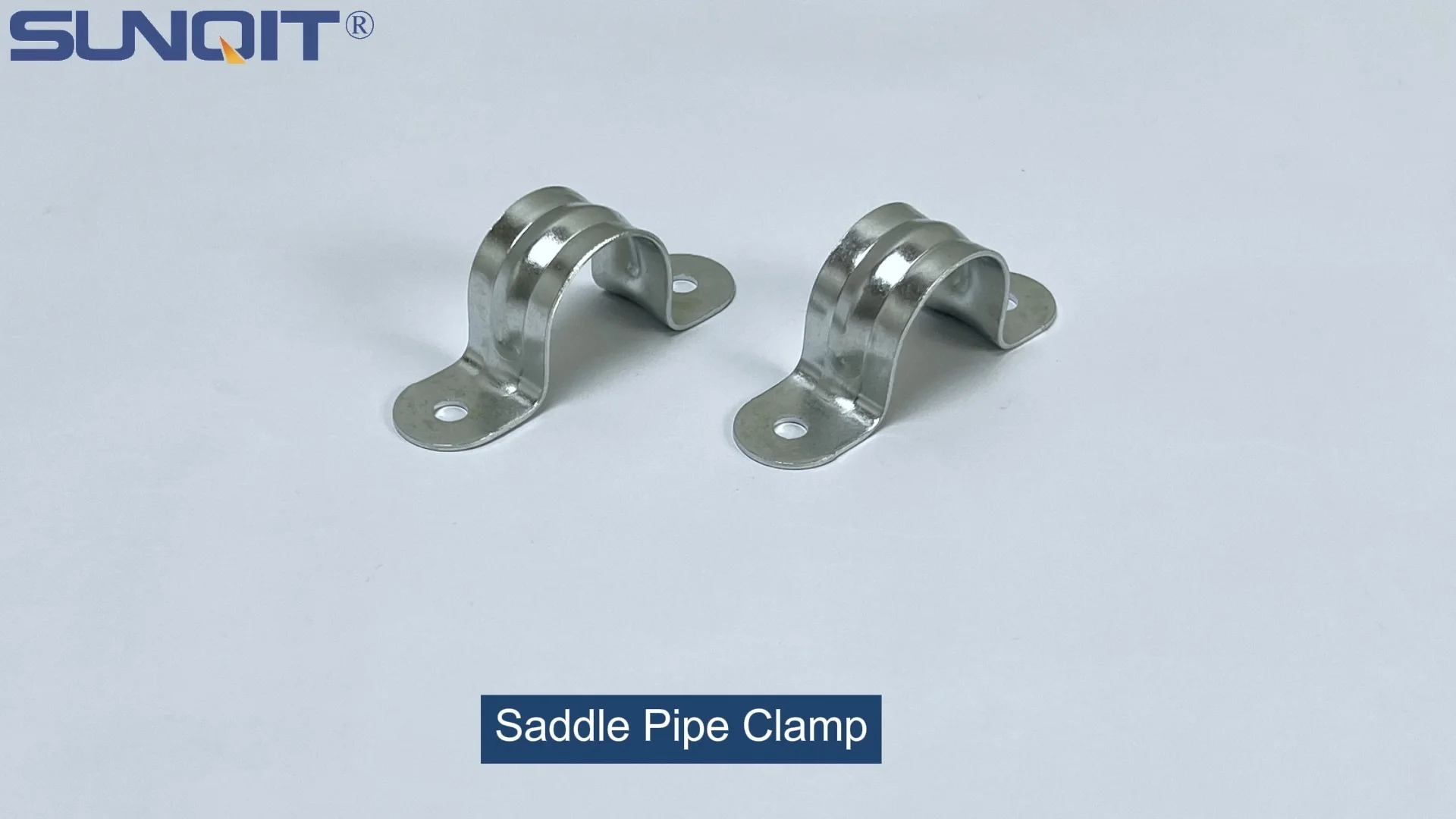
Saddle Pipe Clamp
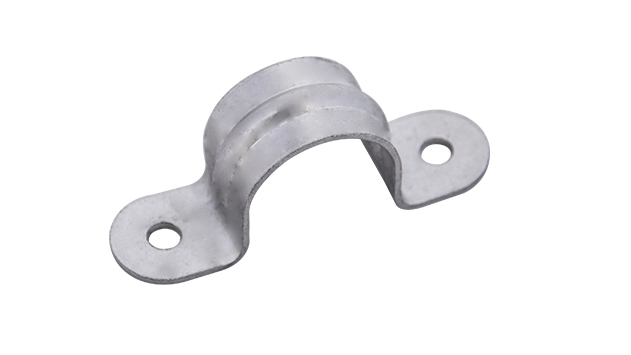
Saddle pipe clamp, used for board connect with pipe, usually for table top installation.
Walk into any modern manufacturing facility today, and you'll notice something different from the rigid assembly lines of the past. The floors are dotted with modular workstations that shift shape overnight, conveyor systems that reroute with a few adjustments, and carts that transform to carry new parts by week's end. This is flexible production—the ability to pivot quickly, scale operations, and adapt to changing customer demands without overhauling entire systems. At the heart of this adaptability lies the lean system philosophy: eliminating waste, streamlining processes, and building structures that grow with your needs. And if lean systems are the backbone of flexible production, then the unsung heroes holding it all together are pipe clamps.
Think about it: the workbenches, flow racks, and material carts that make your facility agile are often built using lean pipe —lightweight, durable tubes that form the skeleton of modular setups. But what keeps those pipes connected? Pipe clamps. They're the quiet force ensuring stability when you need it and flexibility when you don't. But not all clamps are created equal. Two common players in this space are saddle pipe clamps and standard pipe clamps. Both do the job, but when it comes to supporting the fast-paced, ever-changing world of flexible production, which one truly shines?
Understanding Saddle Pipe Clamps: The Curved Contenders
Let's start with saddle pipe clamps. If you've ever handled one, you'll notice their defining feature right away: a curved, saddle-like design that wraps around the pipe, creating a snug, contoured fit. Unlike some clamps that pinch or squeeze, saddle clamps cradle the pipe, distributing pressure evenly across the surface. This design isn't just for show—it's engineered for two key goals: security and adaptability.
Key Features of Saddle Pipe Clamps
1. Contoured Grip for Stability : The curved saddle is shaped to match the outer diameter of standard pipes (think 28mm or 30mm lean pipe), ensuring maximum contact area. This isn't just about preventing slips; it reduces the risk of damaging the pipe's surface, especially important if you're using coated lean pipe or aluminum tubes that scratch easily.
2. Tool-Free (or Low-Tool) Installation : Many saddle clamps use a bolt-and-nut system, but the design often allows for quick adjustments. Some even feature wing nuts or thumb screws, letting operators loosen, reposition, and retighten without hauling out a wrench set. In a facility where a workstation might need to be reconfigured between shifts, this saves precious time.
3. Material Versatility : Saddle clamps are commonly made from steel (for heavy loads), aluminum (for lightweight setups), or even plastic (for non-conductive or low-weight applications). This variety means you can pick a clamp that matches your pipe material—critical for avoiding corrosion (e.g., using stainless steel saddle clamps with stainless steel lean pipe in humid environments).
4. Angled Adjustability : Unlike some rigid clamps that lock into fixed angles (90 degrees, 45 degrees), many saddle clamps allow for (fine adjustments) after installation. Need to tilt a flow rack slightly to improve part flow? Loosen the clamp, shift the angle, and retighten. No need to disassemble the entire structure.
Pros of Saddle Pipe Clamps in Flexible Settings
• Gentle on Pipes, Tough on Tasks : The even pressure distribution means you can tighten the clamp enough to hold heavy loads (we're talking 50-80kg per clamp, depending on size) without denting or deforming the pipe. This is a big win for reusable setups—you won't have to replace pipes every time you reconfigure a workstation.
• Speed to Reconfiguration : Imagine you run a small electronics plant, and next week you're switching from assembling smartphones to tablets. Your current workbench has a shelf at 40cm, but tablets need it at 60cm. With saddle clamps, your team can loosen the bolts, slide the shelf up, and retighten in minutes. No drilling new holes, no swapping out parts—just quick, hassle-free adjustment.
• Compatibility with Modular Systems : Saddle clamps play well with other lean pipe accessories. Pair them with swivel joints, caster wheels, or roller tracks, and you've got a system that can evolve. For example, a material cart built with saddle clamps can start as a simple flatbed and later add side rails or dividers by clamping on new components—no major overhauls needed.
Cons to Consider
Saddle clamps aren't perfect, though. Their curved design can make them bulkier than some alternatives, which might be a drawback if you're working in tight spaces (e.g., under a low workbench shelf). They also tend to cost slightly more than basic standard clamps—though many manufacturers argue the time saved on reconfiguration offsets this upfront expense. Finally, while they're adjustable, some models have limits on rotation (e.g., 180 degrees max), which might restrict certain complex angles.
Standard Pipe Clamps: The Tried-and-True Workhorses
Now, let's turn to standard pipe clamps. These are the classic, no-frills clamps you've probably seen in garages, workshops, and factories for decades. They come in many forms—U-bolts, two-piece split clamps, or single-band designs—but their core idea is simple: two flat or semi-flat surfaces that pinch the pipe when tightened. Think of them as the "old reliable" of the clamping world—straightforward, durable, and widely available.
Key Features of Standard Pipe Clamps
1. Simplicity in Design : Standard clamps often consist of two metal plates (or a U-bolt and a plate) connected by bolts. Tighten the bolts, and the plates squeeze the pipe, creating friction to hold it in place. No fancy contours, no extra moving parts—just a straightforward "grip and hold" mechanism.
2. Heavy-Duty Holding Power : Thanks to their rigid, flat design, standard clamps excel at handling static, heavy loads. If you need to secure a pipe that won't be moved for months (or years), a standard clamp will lock it down tight. This makes them popular in fixed structures like permanent shelving or long-term conveyor supports.
3. Low Cost and High Availability : Walk into any hardware store, and you'll find standard pipe clamps in every size. They're mass-produced, which keeps costs low—great if you're working with a tight budget or need to replace clamps in bulk.
Pros of Standard Pipe Clamps in Traditional Settings
• Reliability for Static Loads : If your production line runs the same product day in and day out, and your workbenches rarely change, standard clamps are a solid choice. They don't wiggle, shift, or loosen over time when properly tightened, making them ideal for stability-focused setups.
• Easy to Source and replace : Forgot to order clamps for a last-minute project? No problem—grab a handful from the local store. Their ubiquity means you won't face delays waiting for specialized parts, which is a plus for urgent fixes.
• Durability in Harsh Environments : Many standard clamps are made from thick steel or coated in zinc for rust resistance. In dusty, humid, or high-temperature environments, they hold up well without corroding or weakening.
Cons When Flexibility Matters
The downside? Standard clamps are built for stability, not change. Adjusting them often requires fully loosening the bolts, repositioning, and retightening—something that can take 10 minutes per clamp versus 2 minutes with a saddle clamp. Their flat plates also concentrate pressure on small areas of the pipe, increasing the risk of dents or scratches, especially on softer materials like aluminum or plastic-coated lean pipe. And if you need to angle the pipe (say, to create a sloped flow rack), standard clamps often limit you to fixed angles (90°, 45°) unless you use additional brackets.
Side-by-Side: Saddle vs. Standard in the Flexible Production Arena
To really see how these two stack up, let's break down their key traits in a head-to-head comparison. Remember, the goal here is to evaluate which better supports flexible production—so we'll focus on adaptability, speed, and compatibility with lean system principles.
| Feature | Saddle Pipe Clamp | Standard Pipe Clamp |
|---|---|---|
| Design Focus | Contoured, even pressure distribution | Rigid, friction-based squeezing |
| Installation/Adjustment Time | Quick (5-10 mins for reconfiguration) | Slower (15-20 mins for reconfiguration) |
| Pipe Protection | High (curved design reduces dents/scratches) | Lower (flat plates may pinch/scratch soft pipes) |
| Angle Flexibility | High (often adjustable to any angle) | Low (limited to fixed angles without extra brackets) |
| Best For | Modular setups, frequent reconfigurations, lean pipe systems | Fixed structures, static loads, long-term stability |
| Cost | Slightly higher upfront | Lower upfront |
| Compatibility with Lean Systems | High (aligns with waste reduction and adaptability) | Medium (good for stability, but limits flexibility) |

Which Clamp Aligns With Flexible Production Goals?
Flexible production isn't just about moving parts around—it's about aligning with lean system principles: reducing waste (time, materials, effort), building quality into processes, and empowering teams to adapt quickly. Let's measure both clamps against these ideals.
Waste Reduction: Time is Money
In flexible production, downtime is the biggest waste. Every minute spent reconfiguring a workstation is a minute not spent producing. Saddle clamps shine here. Their quick-adjust design means a team can reposition a workbench shelf or reroute a flow rack in half the time it would take with standard clamps. For example, a manufacturer producing small-batch electronics might need to switch between assembling smartwatches and fitness trackers weekly. With saddle clamps, their workbench can go from holding tiny watch components to larger tracker parts in under an hour. With standard clamps? That same task might take 2-3 hours, as workers struggle to loosen rusted bolts and realign plates.
Adaptability: Growing with Your Needs
Lean systems thrive on "just-in-time" adjustments. Maybe your sales team lands a big order, and you need to add three new workstations by next week. Or a design change means your current material cart is suddenly too small. Saddle clamps make scaling easy. Their compatibility with lean pipe and modular accessories (like swivel joints or caster wheels) lets you build, modify, and expand structures without starting from scratch. Standard clamps, while stable, lock you into a fixed setup. Want to add a second shelf to a standard-clamped rack? You'll likely need to drill new holes or replace the entire frame—hardly "lean."
Pipe Longevity: Reducing Material Waste
Lean systems also focus on preserving resources, and that includes your lean pipe. Standard clamps, with their pinch-style grip, can leave indentations or scratch coated pipes over time. Once a pipe is damaged, it's harder to reuse, leading to material waste. Saddle clamps, with their even pressure, keep pipes smooth and intact, so you can repurpose them for new projects. A facility using saddle clamps might reuse 80% of its pipes when reconfiguring, while one using standard clamps might only reuse 50%—that's a lot of unnecessary cost in replacement pipes.

Real-World Scenarios: When to Choose Which
Of course, there are exceptions. Standard clamps aren't obsolete—they still have a place in flexible production, just in specific scenarios. Let's break it down:
Choose Saddle Pipe Clamps When…
- You reconfigure workstations, carts, or racks monthly or more often .
- You use lightweight materials like aluminum lean pipe or plastic-coated lean pipe (to avoid scratches).
- Your team needs to adjust angles on the fly (e.g., sloping flow racks for gravity-fed parts).
- You prioritize long-term pipe reuse and reducing material waste.
Choose Standard Pipe Clamps When…
- Your setup is permanent or rarely changes (e.g., a warehouse shelf holding heavy, static inventory).
- You're working with extremely heavy loads (e.g., supporting a 500kg conveyor belt that never moves).
- Cost is your top priority, and you don't mind trading flexibility for lower upfront expenses.
The Verdict: Saddle Clamps for the Flexible Future
At the end of the day, flexible production is about moving forward—quickly, efficiently, and without being held back by rigid tools. Saddle pipe clamps embody that spirit. They're not just clamps; they're enablers of change. They let your team adapt, experiment, and grow without being stuck in the past. Standard clamps have their merits, but in a world where "good enough" is replaced by "what's next," saddle clamps are the clear choice for lean systems and flexible production.
So, the next time you're building a workstation or designing a flow rack, think beyond the pipes. Think about the clamps holding them together. Choose saddle clamps, and you're not just buying a tool—you're investing in a future where your production line can keep up with whatever comes next.