- Company Articles
- Products and Technology
- Product knowledge
- Saddle Pipe Clamp Weight Savings: Boosting Efficiency in Automated Production Lines

Saddle Pipe Clamp Weight Savings: Boosting Efficiency in Automated Production Lines
Related Product
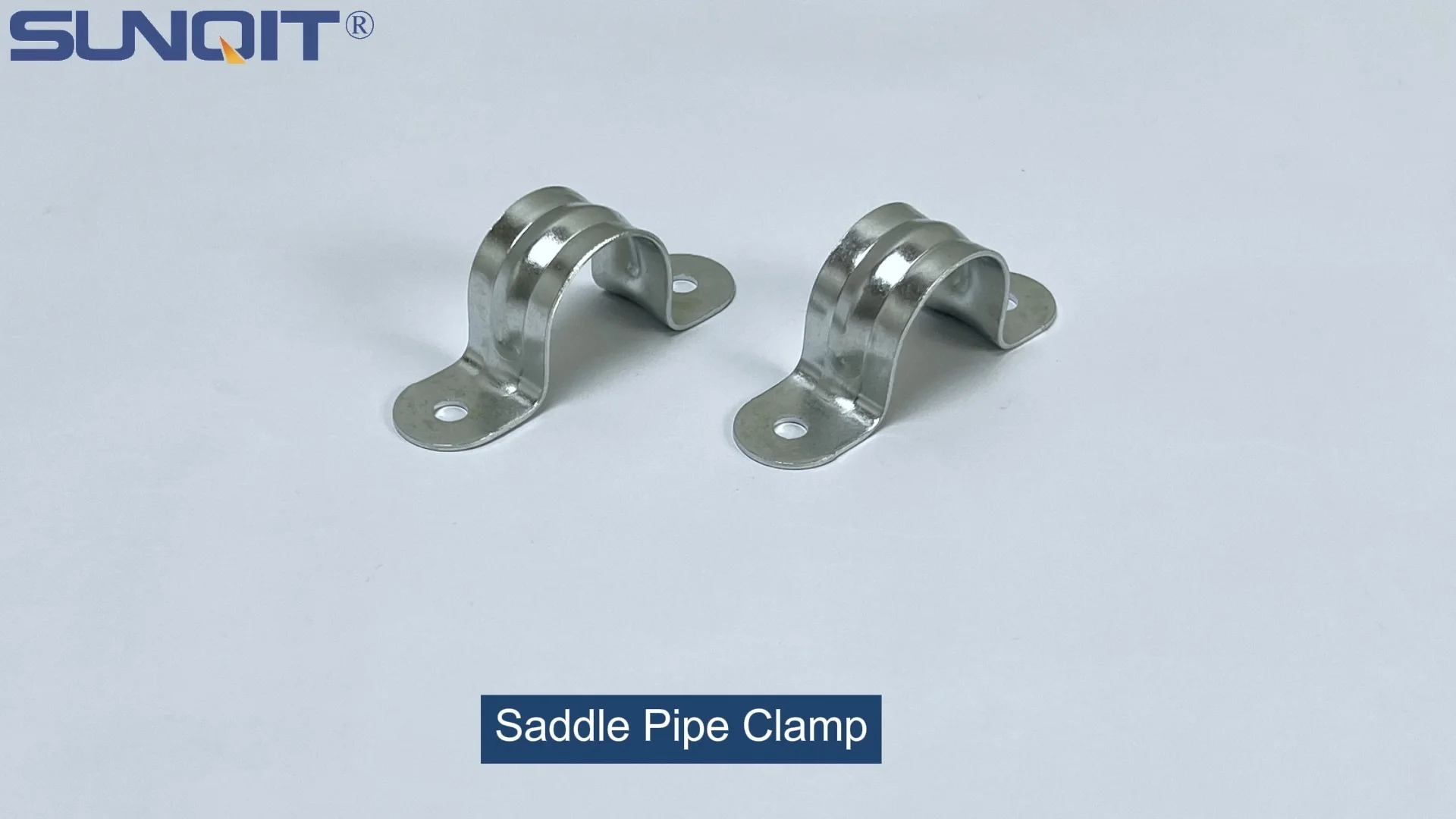
Saddle Pipe Clamp
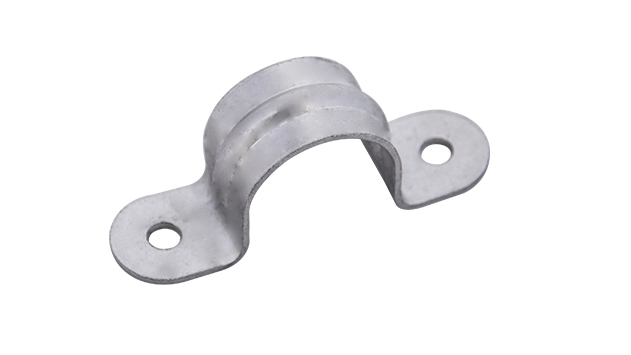
Saddle pipe clamp, used for board connect with pipe, usually for table top installation.
The Unsung Hero of Lean Manufacturing: Why Every Gram Matters
Walk into any modern automated production facility, and your eyes are drawn to the big players: the robotic arms whirring with precision, the conveyor belts gliding under a steady stream of products, the high-tech sensors monitoring every step. But if you look closer—past the flashy machinery and complex software—you'll find the true backbone of these operations: the small, unassuming components that hold everything together. Components like the saddle pipe clamp.
In the world of lean manufacturing, where efficiency is measured in milliseconds and waste is enemy number one, even the tiniest parts carry outsized importance. A single clamp might weigh just a few grams, but multiply that by hundreds or thousands across a production line, and suddenly you're looking at a significant burden—literally. Excess weight slows down systems, increases energy consumption, accelerates wear and tear on equipment, and limits the flexibility that modern production lines demand.
This is where saddle pipe clamps come in. Designed with a focus on lightweight durability, these unassuming fixtures are quietly revolutionizing how production lines operate. By slashing unnecessary weight without compromising strength, they're not just saving on material costs—they're boosting throughput, reducing downtime, and making it easier than ever to adapt to changing manufacturing needs. Let's dive into how these small but mighty components are becoming a cornerstone of efficient, lean system design.
The Hidden Cost of Heavy Clamps: How Excess Weight Drains Production Efficiency
To understand the impact of saddle pipe clamps, we first need to unpack why weight matters in automated production. Imagine a typical assembly line: products move from station to station via roller tracks, workbenches are adjusted to fit new workflows, and material racks are repositioned to align with just-in-time inventory practices. Every time a component is heavier than it needs to be, it creates a ripple effect of inefficiencies.
Take roller tracks, for example. These critical pathways rely on smooth, consistent movement to keep products flowing. If the clamps holding the track's frame together are made of heavy steel, the entire system becomes sluggish. Motors work harder to propel the rollers, belts wear out faster under the extra load, and even the slightest misalignment—exacerbated by excess weight—can lead to jams or bottlenecks. Over time, this translates to higher energy bills, more frequent maintenance, and slower cycle times.
Then there's the issue of flexibility. Modern production lines aren't static; they need to pivot quickly to accommodate new product designs, seasonal demand spikes, or shifts in consumer preferences. Heavy clamps make reconfiguring workbenches or material racks a labor-intensive chore. A team might spend hours disassembling and moving a steel-clamped structure, when a lighter alternative could be adjusted in minutes. In a lean system, where downtime equals lost opportunity, those hours add up fast.
Perhaps most surprisingly, excess weight even impacts worker ergonomics. When maintenance crews or line operators have to lift and maneuver heavy clamped components, the risk of injury increases, and morale decreases. And in an industry already grappling with labor shortages, keeping teams healthy and productive is more important than ever.
Saddle Pipe Clamps: Redefining Lightweight Strength
So, what makes saddle pipe clamps different? Let's start with their design. Unlike traditional clamps, which often use solid steel construction, saddle pipe clamps are engineered with a focus on material efficiency. Many are crafted from high-grade aluminum or aluminum alloys—a material prized for its impressive strength-to-weight ratio. Aluminum is roughly one-third the weight of steel, but when alloyed with elements like magnesium or silicon, it can match steel's tensile strength in many applications.
The "saddle" shape itself is another key innovation. Rather than using a bulky, one-size-fits-all design, these clamps are contoured to cradle pipes or tubes snugly, distributing pressure evenly without adding unnecessary bulk. This precision engineering means less material is needed to achieve a secure hold, further reducing weight. For example, a standard steel pipe clamp might weigh 150 grams, while a comparable aluminum saddle clamp tips the scales at just 50 grams—a 66% weight reduction per unit.
But it's not just about the material. Saddle pipe clamps are also designed for modularity, which aligns perfectly with the principles of lean manufacturing. They often feature tool-less installation, with quick-release levers or snap-on mechanisms that eliminate the need for wrenches or screws. This not only speeds up setup and reconfiguration but also reduces the risk of over-tightening, which can warp pipes or damage aluminum profiles over time.
Compatibility is another advantage. Saddle pipe clamps play well with other lightweight components, such as aluminum profiles and roller tracks. This synergy creates a system where every part is working together to minimize weight. For instance, pairing a saddle clamp with an aluminum profile frame (instead of steel) can reduce the total weight of a workbench by 40-50%, making it easy to move, adjust, or repurpose as production needs change.

The Numbers Speak: Quantifying the Impact of Weight Savings
Let's put these savings into perspective. Suppose a mid-sized automotive parts manufacturer operates a production line with 200 workstations, each equipped with 10 pipe clamps. If they're using traditional steel clamps at 150 grams each, the total clamp weight per line is 200 stations × 10 clamps × 150g = 300,000 grams, or 300 kilograms. Switching to 50-gram saddle pipe clamps drops that total to 100 kilograms—a 200-kilogram reduction per line.
Now, multiply that by 10 lines (a typical setup for a manufacturer of that size), and you're looking at 2,000 kilograms of excess weight eliminated. What does that mean for the bottom line?
First, energy savings. Conveyor systems and automated guided vehicles (AGVs) hauling 2,000 fewer kilograms require less power to operate. Studies show that reducing the weight of moving components by 10% can lower energy consumption by 5-8%. For a facility with an annual energy bill of $500,000, that's a savings of $25,000-$40,000 per year—just from switching clamps.
Second, maintenance costs. Heavier components put more stress on bearings, motors, and structural supports. A 2019 study by the Manufacturing Technology Insights found that facilities using lightweight clamps and aluminum profiles reported a 30% reduction in maintenance calls for roller track systems, thanks to less wear on gears and rollers. With average maintenance costs for a production line running $2,000-$3,000 per month, that's another $7,200-$10,800 saved annually.
Third, productivity gains. Lighter workbenches and material racks are easier to reconfigure, cutting changeover times from hours to minutes. For a line that switches between product models 10 times per month, saving just 2 hours per changeover adds up to 240 hours of extra production time per year—time that can be used to manufacture an additional 10,000+ units, depending on the product.

Beyond Weight: How Saddle Clamps Support a Lean System
While weight savings are the headline benefit, saddle pipe clamps offer a host of other advantages that align with lean system principles—waste reduction, continuous improvement, and customer value.
Let's start with waste reduction, or "muda" as it's known in lean terminology. Traditional clamps often require specialized tools for installation and removal, leading to "waiting" waste when tools go missing or teams have to pause work to fetch them. Saddle clamps with tool-less designs eliminate this waste, letting operators make adjustments on the fly. Additionally, their modularity means they can be reused when lines are reconfigured, reducing "inventory" waste from excess parts.
Then there's "kaizen," or continuous improvement. Saddle pipe clamps make it easy to test new layouts or workflows. For example, a team might want to rearrange a section of roller track to reduce product travel time. With lightweight clamps, they can prototype the new layout in a fraction of the time it would take with steel clamps, test it, and refine it—all without disrupting the entire line. This culture of experimentation is key to staying competitive in fast-paced industries.
Durability is another lean-friendly feature. Aluminum saddle clamps are naturally resistant to corrosion, unlike steel, which can rust in humid or chemical-heavy environments. This longevity means fewer replacements, reducing both "defect" waste (from clamp failure) and "overprocessing" waste (from frequent replacements). In food and beverage or pharmaceutical production, where cleanliness is critical, aluminum's resistance to rust also reduces the risk of contamination—a priceless benefit for meeting regulatory standards.
Real-World Impact: Case Studies in Lean Transformation
To see saddle pipe clamps in action, look no further than a leading electronics manufacturer in Southeast Asia. Faced with rising energy costs and pressure to increase production of smartphones, the company set out to optimize its assembly lines. A audit revealed that their steel-clamped workbenches and roller tracks were adding significant weight, slowing down AGVs and increasing motor strain.
The solution? They replaced all steel clamps with aluminum saddle pipe clamps and swapped steel frames for aluminum profiles. The results were striking:
- AGV battery life increased by 25%, reducing the need for mid-shift recharges.
- Changeover time between smartphone models dropped from 4 hours to 45 minutes, allowing the line to handle 3 more product runs per week.
- Annual maintenance costs for roller tracks fell by $12,000, as wear on bearings and motors decreased.
Another example comes from a medical device manufacturer in Europe. They needed to create a cleanroom production line for surgical tools, where weight and cleanliness were equally critical. Traditional steel clamps were rusting, creating contamination risks, and their weight made it hard to adjust workstations for different tool sizes. By switching to stainless steel saddle clamps (a variant designed for sterile environments) and aluminum profiles, they achieved:
- Zero rust-related defects in six months of operation.
- A 40% reduction in the time needed to sanitize workbenches (thanks to smoother, crevice-free clamp design).
- The ability to reposition workstations in 15 minutes, supporting small-batch production of custom surgical tools.
Comparing the Options: Traditional Clamps vs. Saddle Pipe Clamps
Still on the fence? Let's break down the differences between traditional steel clamps and modern saddle pipe clamps in a side-by-side comparison:
| Feature | Traditional Steel Clamp | Aluminum Saddle Pipe Clamp |
|---|---|---|
| Material | Carbon steel | Aluminum alloy (6061-T6 or similar) |
| Weight (per unit) | 150-200 grams | 40-60 grams |
| Installation Time | 5-10 minutes (requires tools) | 1-2 minutes (tool-less options available) |
| Corrosion Resistance | Low (prone to rust without coating) | High (naturally resistant; stainless steel variants available) |
| Compatibility | Limited to steel pipes/profiles | Works with aluminum profiles, steel pipes, and roller tracks |
| Cost (initial) | Lower ($1.50-$2.50 per unit) | Higher ($3.00-$4.00 per unit) |
| Cost (lifetime) | Higher (due to maintenance, replacement, energy use) | Lower (reduced maintenance, energy savings, longevity) |
| Best For | Static, heavy-duty applications with low changeover needs | Dynamic, lean systems requiring flexibility, speed, and efficiency |
As the table shows, while saddle pipe clamps have a slightly higher upfront cost, their lifetime value—driven by weight savings, durability, and efficiency—far outweighs the initial investment. For manufacturers committed to lean principles, this isn't just a purchase; it's a strategic investment in long-term competitiveness.
Conclusion: Small Components, Big Results in Lean Manufacturing
In the race to build faster, smarter, and more flexible production lines, it's easy to overlook the small stuff. But as we've explored, components like saddle pipe clamps are far from "small." They're the unsung heroes that bridge the gap between big-picture lean goals and on-the-ground execution. By slashing weight, reducing waste, and enabling agility, they're helping manufacturers do more with less—less energy, less time, less maintenance, and less cost.
Whether you're building a new production line from scratch or retrofitting an existing one, don't underestimate the impact of choosing the right clamps. Saddle pipe clamps aren't just a component; they're a statement that your operation is committed to the lean philosophy—where every gram, every minute, and every detail counts.
So the next time you walk through a production facility, take a moment to look down at the clamps holding the line together. Chances are, if they're saddle pipe clamps, that line is running faster, smoother, and more efficiently than its competitors. And in manufacturing, that's the difference between falling behind and leading the pack.