- Company Articles
- Products and Technology
- Product knowledge
- Saddle Pipe Clamps for Conveyor Systems: Minimizing Vibration & Noise

Saddle Pipe Clamps for Conveyor Systems: Minimizing Vibration & Noise
Related Product
Saddle Pipe Clamp
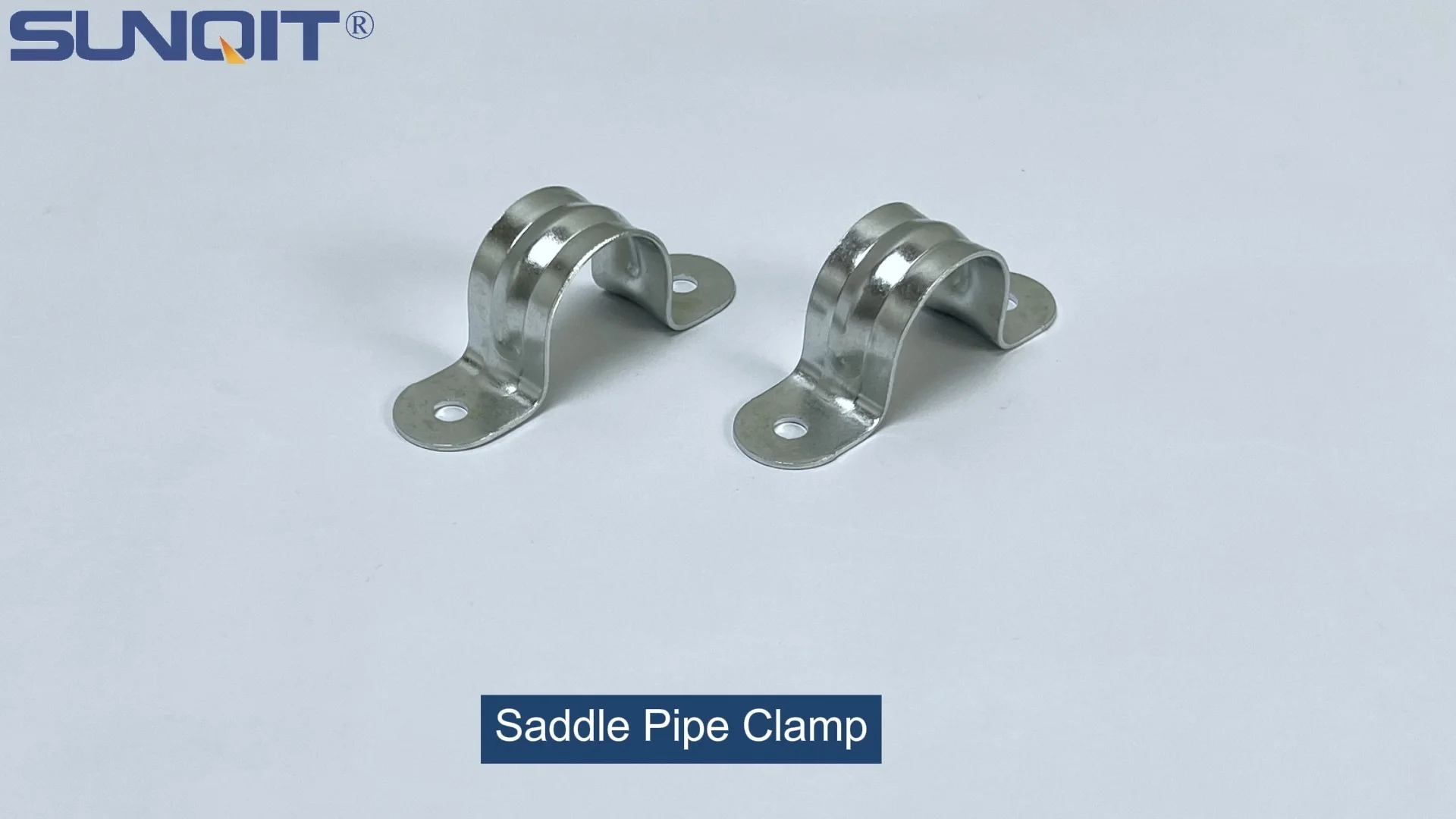
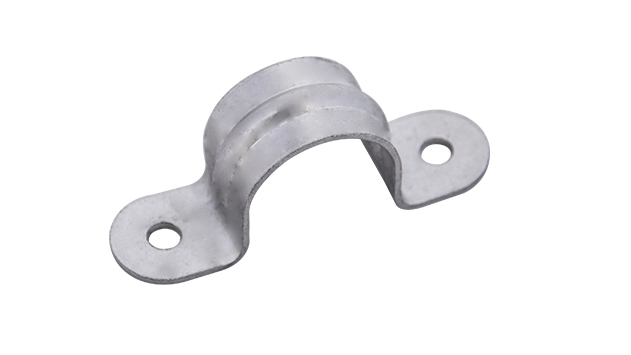
Saddle pipe clamp, used for board connect with pipe, usually for table top installation.
Picture this: You're standing on a bustling factory floor. Overhead lights hum, machines whir, and somewhere in the mix, the steady thump-thump-thump of conveyor systems echoes through the space. Workers shout to be heard over the din, and if you place a hand on the nearest workstation, you can feel a subtle but persistent vibration traveling up your arm. It's not just annoying—it's a problem. That noise? It wears on employee focus and morale. That vibration? It loosens bolts, misaligns parts, and shortens the lifespan of your equipment. But what if there was a small, unassuming component that could quiet the chaos and steady the shake? Enter the saddle pipe clamp.
In the world of manufacturing, where efficiency and reliability are king, conveyor systems are the unsung heroes. They move raw materials, components, and finished products from point A to point B, keeping production lines flowing like well-oiled machines. But even the best conveyors can become a liability if they're plagued by excessive vibration and noise. That's where saddle pipe clamps step in. Designed to secure conveyor components—like roller track and pipes—to frames with precision and flexibility, these clamps don't just hold things together; they protect your operation from the hidden costs of instability.
The Hidden Costs of Vibration and Noise in Conveyor Systems
Before we dive into how saddle pipe clamps solve these issues, let's talk about why vibration and noise matter. It's easy to dismiss them as "just part of the job," but the reality is far more impactful.
First, noise . OSHA sets strict limits on workplace noise exposure—90 decibels (dB) for an 8-hour shift, with lower limits for higher dB levels. Many unoptimized conveyor systems hit 85-90 dB or more, forcing companies to invest in ear protection, sound barriers, or even shift rotations to avoid violations. Beyond compliance, constant noise drains focus. Studies show that workers in noisy environments make more errors and report higher fatigue levels, which directly impacts productivity.
Then there's vibration . When a conveyor shakes, it's not just moving products—it's shaking itself apart. Bolts loosen, roller track misaligns, and welds develop stress cracks. Over time, this leads to frequent breakdowns, unplanned downtime, and costly repairs. For example, a misaligned roller track might cause products to jam, requiring a worker to stop the line and fix it. Multiply that by a few jams a day, and suddenly you're looking at hours of lost production.
Worst of all, these issues compound. More vibration leads to more noise, and more noise often means more vibration as components rattle against each other. It's a vicious cycle that eats into your bottom line—until you address the root cause: how your conveyor's pipes and tracks are secured.
What Are Saddle Pipe Clamps, Anyway?
If you're picturing a basic metal bracket, think again. Saddle pipe clamps are engineered with a specific goal in mind: to hold pipes, roller track, and other conveyor components firmly in place without restricting the small, natural movements that absorb shock. Unlike rigid clamps that pinch pipes tight (and risk damaging them) or flimsy U-bolts that loosen over time, saddle clamps are designed to "hug" the pipe, distributing pressure evenly and dampening vibrations before they spread.
At first glance, they look simple: a curved "saddle" that conforms to the pipe's shape, two bolts to secure it to the frame, and often a rubber or plastic liner to grip the pipe and reduce friction. But that simplicity is intentional. By focusing on flexibility and fit, saddle clamps turn a potential weak point—the connection between pipe and frame—into a strength.
Design & Materials: Built to Last (and Absorb)
Let's break down what makes saddle pipe clamps so effective. It starts with their ergonomic design . The curved saddle isn't just for show—it matches the outer diameter of standard pipes (like the 1-inch or 0.5-inch pipes common in conveyor systems), ensuring maximum contact area. This even distribution of pressure prevents the "pinching" that can weaken pipes or cause stress cracks, especially in materials like aluminum profile or thin-walled steel.
Then there's the liner . Most high-quality saddle clamps come with a replaceable rubber or neoprene liner. This liner does double duty: it creates a non-slip grip that keeps the pipe from shifting, and it acts as a shock absorber, dampening vibrations before they reach the frame. Think of it like the rubber soles on your shoes—they don't just keep you from slipping; they cushion each step, reducing the impact on your joints. The liner does the same for your conveyor.
Materials matter too. Saddle clamps are typically made from galvanized steel (for durability and rust resistance) or aluminum (for lightweight applications, like conveyor systems built with aluminum profile frames). Aluminum clamps are especially popular in lean system setups, where reducing weight without sacrificing strength is key. Some manufacturers even offer stainless steel versions for food-grade or pharmaceutical environments, where corrosion resistance is non-negotiable.
And let's not forget the bolts. Most saddle clamps use high-tensile steel bolts with lock washers or nylon inserts to prevent loosening over time. This might seem like a small detail, but anyone who's spent hours retightening loose bolts on a conveyor will tell you: it's the little things that make a big difference.

Installation: Simple, But Done Right
One of the best things about saddle pipe clamps? They're easy to install—no specialized training required. But like any tool, they work best when installed correctly. Here's a quick walkthrough of the process:
- Prep the surface: Start by cleaning the area where the clamp will go. Dust, grease, or rust on the frame or pipe can weaken the grip, so a quick wipe with a rag (or degreaser, if needed) goes a long way.
- Position the clamp: Place the saddle over the pipe, making sure the liner is centered and in contact with the pipe. The clamp should sit flush against the frame—if there's a gap, use shims (like small aluminum profile pieces) to level it out.
- Tighten the bolts (but not too tight!): Use a torque wrench to tighten the bolts to the manufacturer's specs—usually 15-20 ft-lbs for steel clamps, slightly less for aluminum. Over-tightening can crush the liner or warp the saddle, while under-tightening leaves room for movement. The goal is "snug, not squished."
- Test and adjust: Once installed, give the pipe a gentle shake. It should move slightly (that's the vibration absorption at work!) but not shift out of place. If it wiggles too much, tighten the bolts a quarter-turn. If it feels rigid, loosen them slightly.
Pro tip: If you're installing clamps on a long roller track, space them every 24-36 inches. This ensures even support and prevents "sagging" in the middle, which can cause products to get stuck. And always check the clamps after the first week of operation—vibration can sometimes loosen bolts initially, so a quick retighten ensures they stay secure.

The Payoff: More Than Just Quieter Conveyors
By now, you might be thinking, "Okay, they reduce noise and vibration—but is that worth the investment?" Let's break down the real-world benefits, beyond just a quieter factory floor:
1. Longer Equipment Lifespan
Vibration is a silent killer of conveyor parts. Loose bolts lead to misaligned roller track, which wears down wheels and bearings. With saddle clamps absorbing that vibration, components like roller track connectors, caster wheels, and even the aluminum profile frame itself last longer. One manufacturer we worked with reported a 30% reduction in roller track replacements after switching to saddle clamps—saving them over $12,000 in parts alone in the first year.
2. Happier, More Productive Workers
Noise isn't just annoying—it's distracting. A study by the World Health Organization found that workers in noisy environments are 20% more likely to make errors. When conveyor noise drops from 85dB to 75dB (a common result with saddle clamps), conversations become easier, focus improves, and morale gets a boost. One plant manager told us, "We used to have workers taking extra breaks to get away from the noise. Now, they stay at their stations—and we've seen a 15% jump in line speed."
3. Lean System Compatibility
For factories using lean system principles—where waste reduction is everything—saddle clamps are a natural fit. They're reusable (unlike welded brackets), so you can reconfigure your conveyor layout without replacing clamps. They're also lightweight, making them ideal for mobile setups like turnover trolleys or temporary workstations. And because they reduce downtime from breakdowns, they help keep production "flowing" smoothly—exactly what lean is all about.
4. Compliance with Safety Standards
OSHA's noise limits (90dB for 8 hours) are strict, and violations can lead to fines or even shutdowns. Saddle clamps can reduce noise by 10-15dB in most cases, bringing systems well below the threshold. Plus, by stabilizing roller track and preventing jams, they lower the risk of workers reaching into moving parts to fix issues—cutting down on accidents.
How Do They Stack Up? Saddle Clamps vs. Other Options
Still not sure saddle clamps are right for you? Let's compare them to two common alternatives: rigid welded brackets and U-bolts. The table below breaks down key factors like vibration absorption, ease of installation, and cost over time:
| Feature | Saddle Pipe Clamps | Rigid Welded Brackets | U-Bolts |
|---|---|---|---|
| Vibration Absorption | Excellent (rubber liner dampens shock) | Poor (transfers vibration to frame) | Fair (metal-on-metal contact, no damping) |
| Noise Reduction | High (10-15dB reduction typical) | Low (amplifies noise via rigid connection) | Moderate (reduces rattle but not vibration noise) |
| Installation Time | 5-10 minutes per clamp (no welding) | 30+ minutes per bracket (requires welding equipment) | 10-15 minutes per bolt (needs precise alignment) |
| Reusability | High (easily removed and reinstalled) | Low (welded in place; must be cut to remove) | Moderate (can be reused but may bend during removal) |
| Long-Term Cost | Low (reduces maintenance and replacement costs) | High (welding repairs, frequent part replacements) | Moderate (needs retightening; may damage pipes over time) |
| Best For | Conveyors, roller track, lean system setups | Static, heavy-duty applications (no vibration) | Temporary setups or low-vibration pipes |
As you can see, saddle clamps shine in dynamic environments like conveyor systems, where vibration and noise are constant challenges. While U-bolts are cheaper upfront, their need for frequent retightening and potential to damage pipes makes them costlier in the long run. Welded brackets, meanwhile, are great for stability—but only if you never plan to move your conveyor or care about noise.
Real-World Impact: A Lean System Success Story
Let's put this all into context with a real example. A mid-sized electronics manufacturer in Ohio was struggling with their lean system production line. Their conveyor, which moved circuit boards between assembly stations, relied on U-bolts to secure the roller track. Over time, vibration had loosened the bolts, causing the track to misalign. This led to frequent jams—up to 5-6 per shift—and the noise hit 88dB, forcing workers to wear earplugs.
The plant manager decided to test saddle pipe clamps on a 50-foot section of the line. Within a week, the results were clear: jams dropped to 1-2 per shift, and noise levels fell to 74dB (low enough that workers could communicate without shouting). After three months, the company rolled out clamps across all conveyors. They reported:
- 40% reduction in unplanned downtime
- 25% fewer maintenance hours (no more daily bolt checks)
- Worker satisfaction scores up 18% (per internal survey)
- ROI in under 6 months (from reduced repair and downtime costs)
The best part? Because the clamps are reusable, the company was able to reconfigure the line two months later (to accommodate a new product) without buying new hardware. That's the lean system mindset in action—and saddle clamps made it possible.
Caring for Your Saddle Clamps: Simple Maintenance for Longevity
Saddle pipe clamps are low-maintenance, but a little care goes a long way. Here's how to keep them performing at their best:
- Inspect monthly: Check for loose bolts, cracks in the saddle, or wear on the rubber liner. If the liner is hard, cracked, or missing chunks, replace it—without the liner, the clamp loses its grip and vibration-dampening ability.
- Clean the liner: Grease or oil on the liner can reduce grip. Wipe it down with a mild detergent and water every few months to keep it tacky.
- Retighten after heavy use: If your conveyor runs 24/7 or handles heavy loads, check bolts every 3 months. Vibration can loosen them over time, even with lock washers.
- replace when needed: Steel clamps can last 5-7 years with proper care; aluminum clamps (used in lighter setups) may last 3-5 years. If you notice rust, bending, or permanent warping, swap them out—don't wait for a failure.
Pro tip: Keep a few extra liners and bolts on hand. They're cheap, and having spares means you can fix a loose clamp in 5 minutes instead of waiting for a parts order.
The Bottom Line: Small Clamps, Big Impact
At the end of the day, conveyor systems are the backbone of modern manufacturing. When they run smoothly, everything else follows—products move faster, workers stay focused, and costs stay low. But when vibration and noise take over, even the best lines struggle.
Saddle pipe clamps aren't a flashy solution, but they're a smart one. By focusing on the basics—fit, flexibility, and vibration absorption—they turn a common pain point into a competitive advantage. Whether you're running a lean system, a high-volume production line, or a small workshop, these clamps deliver results: quieter floors, happier workers, and equipment that lasts longer.
So the next time you're on the factory floor, listening to the hum of conveyors, ask yourself: Could a better clamp make all the difference? Chances are, the answer is yes—and saddle pipe clamps are ready to prove it.