- Company Articles
- Products and Technology
- Product knowledge
- Saddle Pipe Clamps for Emergency Repairs: Quick Fixes in Production Downtime

Saddle Pipe Clamps for Emergency Repairs: Quick Fixes in Production Downtime
Related Product
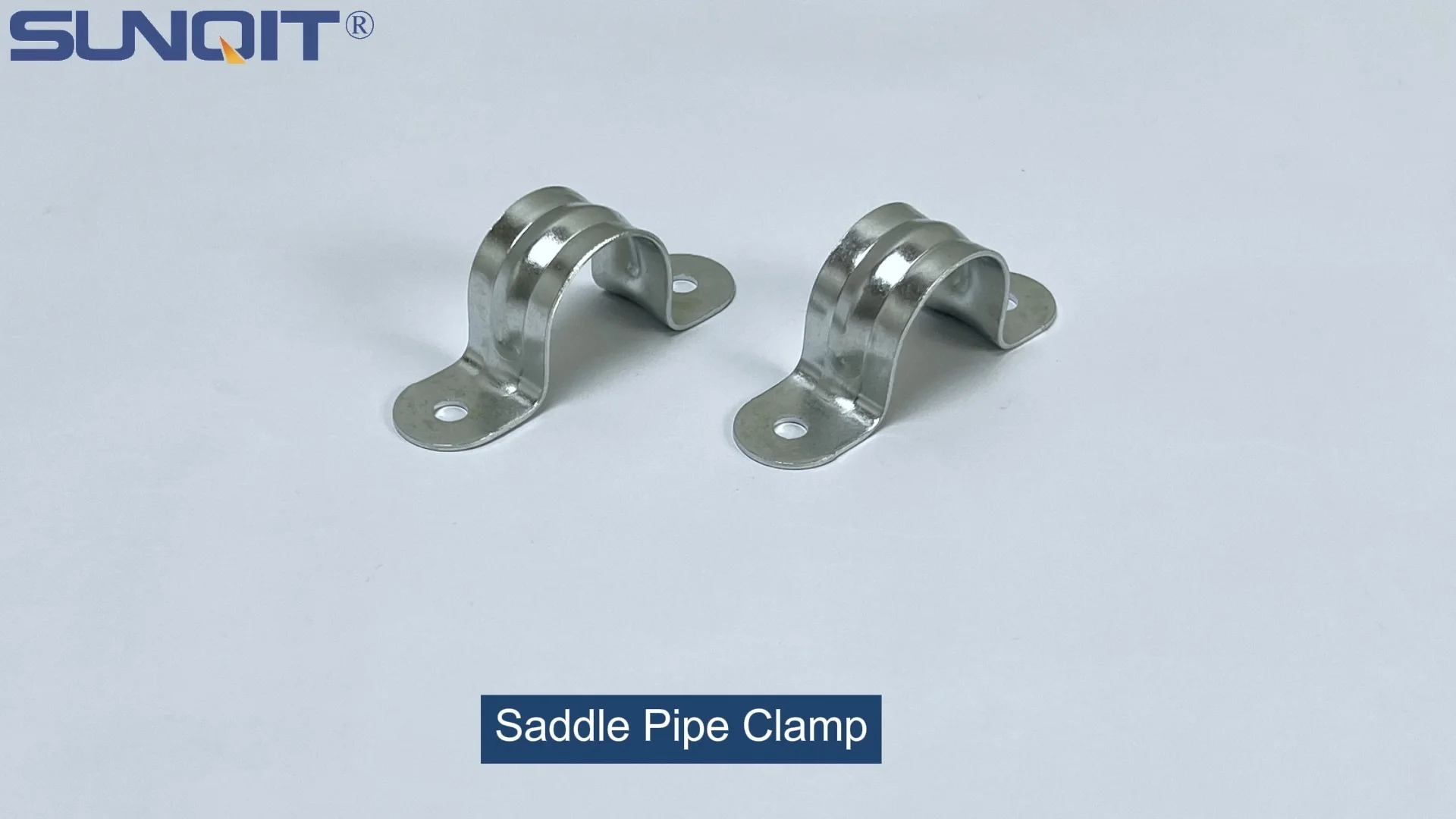
Saddle Pipe Clamp
Saddle pipe clamp, used for board connect with pipe, usually for table top installation.
Picture this: It's a Tuesday morning at your production facility. The assembly line is humming, workers are focused, and the day's quota is within reach. Then, without warning, a sharp hissing sound cuts through the noise. A lean pipe in the material handling system has sprung a leak, and within seconds, the line grinds to a halt. The clock starts ticking. Every minute that line stays down is a minute of lost labor, delayed orders, and mounting stress. Your maintenance team gathers, tools in hand, but the usual fix—replacing the entire pipe section—would take hours. That's when someone remembers the box of saddle pipe clamps stashed in the maintenance closet. Thirty minutes later, the clamp is secured, the leak is sealed, and the line is back up. Crisis averted.
In the high-stakes world of production and manufacturing, downtime isn't just an inconvenience—it's a silent profit killer. And when the cause of that downtime is a failing pipe or loose joint in your lean system, having a fast, reliable solution can mean the difference between meeting deadlines and losing clients. Enter saddle pipe clamps: the unsung heroes of emergency repairs. These simple, unassuming tools are designed to patch leaks, reinforce weak spots, and get your production line back on track in record time. In this article, we'll dive into why downtime matters, how saddle pipe clamps work, and why they're a must-have for any facility that relies on lean pipes, aluminum pipes, or other material handling systems.
The Hidden Cost of Production Downtime
Before we talk about solutions, let's get real about the problem: production downtime is expensive. Like, really expensive. According to industry reports, the average manufacturer loses between $50,000 and $500,000 for every hour of unplanned downtime. For smaller facilities, that number might be lower, but the impact—missed deadlines, overtime pay to catch up, and the stress of scrambling to fix issues—can still feel crippling.
Why is downtime so costly? Let's break it down. First, there's the labor cost: your workers are still on the clock, but they're not producing anything. Then, there's the opportunity cost: every minute the line is down is a minute you're not making products to sell. If those products are time-sensitive—think perishables, seasonal goods, or rush orders—delays can lead to canceled contracts or penalties. And let's not forget the intangible cost: customer trust. If you're known for reliable delivery, a single extended downtime incident can make clients think twice about working with you.
In lean manufacturing, where the goal is to minimize waste and maximize efficiency, downtime is the ultimate waste. Lean systems are built around the idea of continuous flow—materials moving smoothly from one step to the next, with no bottlenecks or interruptions. When a pipe in that system fails, the entire flow breaks. Suddenly, you're not just losing time—you're violating the core principles of your lean system. That's why having a tool that can restore flow quickly isn't just helpful; it's essential to maintaining your lean philosophy.
Common Pipe-Related Culprits of Downtime
Pipes are the unsung backbone of production facilities. They carry fluids, support material racks, and keep assembly lines organized—especially in lean systems, where lean pipes and aluminum pipes are used to build everything from workbenches to conveyor tracks. But like any hardworking component, pipes take a beating. Here are the most common pipe-related issues that can bring your line to a halt:
- Leaking Joints: Over time, the joints connecting lean pipes or aluminum pipes can loosen due to vibration, temperature changes, or wear and tear. A small leak might start as a drip, but if left unchecked, it can escalate into a major issue that shuts down operations.
- Cracks or Corrosion: Pipes—especially those made of steel or even some aluminum alloys—can develop cracks from heavy loads or corrosion from exposure to chemicals, moisture, or harsh cleaning agents. In production assemble areas, where pipes are often exposed to oils, coolants, or debris, this risk is even higher.
- Loose or Damaged Supports: Pipes don't just stand on their own; they rely on brackets, clamps, and supports to stay in place. If a support fails, the pipe can sag, bend, or even break, disrupting the flow of materials.
- Mismatched or Poor-Quality Components: Using the wrong pipe size, low-grade joints, or incompatible accessories (like mixing lean pipe joints with aluminum profile parts) can weaken the system over time, leading to unexpected failures.
The problem with these issues is that traditional fixes often take too long. Welding a cracked pipe requires a skilled technician and can take hours. Replacing a joint might mean disassembling part of the lean system, which disrupts the entire workflow. And ordering a new pipe from your lean pipe supplier? That could take days, if not weeks, if it's a specialty part. For emergency situations, you need something faster—something that can be installed on the spot, with minimal tools, by your existing maintenance team.
What Are Saddle Pipe Clamps, Anyway?
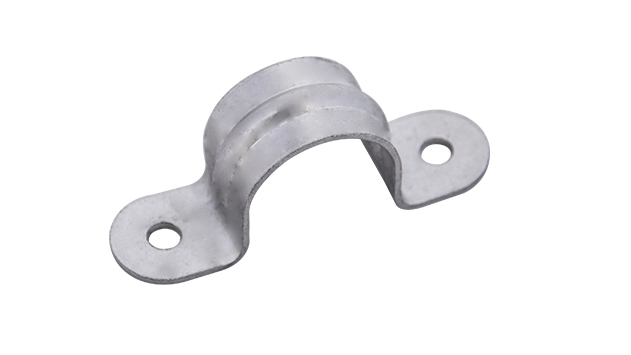
If you're not familiar with saddle pipe clamps, let's start with the basics: they're a type of mechanical clamp designed to wrap around a pipe, creating a tight seal or reinforcing a weak spot. Think of them as a Band-Aid for pipes—but a heavy-duty, industrial-strength Band-Aid that can handle pressure, vibration, and the rigors of a production environment.
Saddle clamps get their name from their shape: the main body curves to fit the contour of the pipe (like a saddle fits a horse), with two flanges that extend outward. These flanges are bolted together, squeezing the clamp tightly against the pipe. Many saddle clamps also include a rubber or silicone gasket inside, which helps create a watertight seal for leaks or a secure grip for reinforcement.
But saddle pipe clamps aren't one-size-fits-all. They come in different sizes (to fit pipes from 0.5 inch to 2 inches or more), materials (stainless steel for corrosion resistance, aluminum for lightweight applications), and designs (some are meant for temporary fixes, others for semi-permanent reinforcement). The key to their effectiveness in emergencies is their simplicity: they require no specialized training to install, no welding, and no complex tools—just a wrench or socket set.

Why Saddle Pipe Clamps Are the Go-To for Emergencies
So, what makes saddle pipe clamps so ideal for emergency repairs? Let's break down their biggest advantages:
Speed of Installation
In an emergency, time is everything. Saddle pipe clamps can be installed in minutes, not hours. Here's how:
- Clean the area around the damaged pipe to remove debris, oil, or moisture.
- Position the clamp over the leak or weak spot, making sure the gasket (if included) is centered over the issue.
- Tighten the bolts on the clamp's flanges until the seal is secure (but not so tight that you warp the pipe).
- Check for leaks, and you're done.
Compare that to welding, which requires prepping the area, setting up equipment, waiting for the weld to cool, and testing for leaks—easily a 2-3 hour process. Or replacing a pipe section, which might involve disconnecting adjacent components, cutting the old pipe, fitting the new one, and reattaching supports. Saddle clamps cut that time down to a fraction, getting your line back up before the downtime becomes a crisis.
Versatility Across Pipe Types
Production facilities rarely use just one type of pipe. You might have lean pipes in your assembly line, aluminum pipes in your material racks, and stainless steel pipes in areas with high moisture. Saddle pipe clamps are designed to work with all of these. Most clamps are adjustable, so they can fit different pipe diameters, and their non-marring gaskets won't damage delicate surfaces (like the coating on lean pipes or the finish on aluminum profile). This versatility means you can stock a few sizes of clamps and be prepared for almost any pipe emergency.
No Specialized Tools or Skills Required
You don't need to be a certified plumber or a master welder to install a saddle pipe clamp. Any member of your maintenance team—even someone with basic hand tool experience—can do it. This is a game-changer in emergencies, where you might not have specialized technicians on-site. It also reduces reliance on external contractors, which can save both time and money.
Temporary or Semi-Permanent Solutions
Saddle pipe clamps aren't just for quick fixes—they can also serve as semi-permanent solutions while you wait for replacement parts. For example, if a critical aluminum pipe in your conveyor system cracks, you can install a saddle clamp to keep operations running while your lean pipe supplier ships a new section. Once the replacement arrives, you can remove the clamp and make a permanent repair. This flexibility means you never have to choose between stopping production and making a rushed, shoddy fix.
Real-World Success: How Saddle Clamps Saved a Day at Precision Parts Inc.
Let's put this in perspective with a real example. Precision Parts Inc., a mid-sized manufacturer of automotive components, relies heavily on a lean system to keep their production assemble line efficient. Their material handling system uses a network of lean pipes and flow racks to move parts from machining to assembly. One Thursday afternoon, during peak production for a major client, a 1-inch lean pipe supporting a flow rack full of heavy engine parts developed a hairline crack. The crack caused the pipe to bend under the weight, threatening to collapse the entire rack—and with it, thousands of dollars in parts.
The maintenance supervisor, Maria, assessed the situation. Replacing the pipe would require disassembling the flow rack, which would take at least 4 hours and disrupt the entire line. The client's order was due in two days, and any delay would result in a penalty. Maria remembered the saddle pipe clamps they'd purchased from their lean pipe supplier six months earlier, "just in case." She grabbed a stainless steel saddle clamp, cleaned the pipe, and positioned the clamp over the cracked area. Her team tightened the bolts, checked the stability, and within 15 minutes, the rack was secure. The line stayed up, the parts were delivered on time, and the client never knew there was a problem. Later that week, when the replacement lean pipe arrived, the clamp was removed, and the permanent fix was made.
"That clamp didn't just save us time—it saved us a client," Maria later said. "In lean manufacturing, we talk a lot about eliminating waste, but sometimes the biggest waste is downtime. Saddle clamps let us eliminate that waste quickly."

Choosing the Right Saddle Pipe Clamp for Your Facility
Not all saddle pipe clamps are created equal. To ensure you have the right tool for the job, here are the key factors to consider when stocking up:
Pipe Size and Material
First, match the clamp size to your pipes. Most clamps list the pipe diameter they fit (e.g., 0.5 inch, 1 inch, 1.5 inch). If you work with multiple pipe sizes, stock a range. Next, consider the pipe material:
- Lean Pipes: These are often coated with plastic or rubber, so choose a clamp with a soft gasket to avoid damaging the coating.
- Aluminum Pipes: Aluminum is lightweight but can be prone to galling (wear from friction), so opt for clamps with smooth, non-abrasive surfaces.
- Stainless Steel Pipes: For corrosion resistance, choose stainless steel clamps to match—they'll stand up to moisture and chemicals better than other materials.
Pressure and Load Requirements
If you're using the clamp to seal a leak in a fluid-carrying pipe (like coolant or compressed air lines), check the clamp's pressure rating. Most standard clamps can handle low to moderate pressure (up to 150 psi), but for high-pressure systems, you'll need a heavy-duty model. For structural support (like reinforcing a bending pipe), look for clamps with a high load capacity—stainless steel clamps are generally stronger than aluminum or plastic ones.
Environmental Conditions
Consider where the clamp will be used. In wet areas (like near washing stations) or environments with chemicals, stainless steel clamps are a must to prevent rust. In cleanrooms or food production areas, look for clamps with food-grade gaskets (made from materials like silicone) to avoid contamination.
To make this easier, we've put together a quick reference table of common saddle pipe clamp types and their best uses:
| Clamp Size | Material | Best For | Pressure Rating | Load Capacity |
|---|---|---|---|---|
| 0.5 inch | Aluminum | Lightweight lean pipes, low-pressure air lines | Up to 50 psi | Up to 50 lbs |
| 1 inch | Stainless Steel | Structural support, water/coolant lines, lean systems | Up to 150 psi | Up to 200 lbs |
| 1.5 inch | Stainless Steel | Heavy-duty flow racks, high-pressure fluid lines | Up to 200 psi | Up to 300 lbs |
| 2 inch | Carbon Steel (Zinc-Coated) | Large aluminum pipes, industrial drainage lines | Up to 100 psi | Up to 400 lbs |
Beyond Emergencies: Saddle Clamps as Part of Your Lean System
While saddle pipe clamps shine in emergencies, they also have a place in proactive maintenance—aligning perfectly with the lean philosophy of continuous improvement. Here's how:
Preventive Reinforcement
During routine inspections, if you notice a pipe that's starting to show wear (but isn't yet failing), a saddle clamp can be installed as a preventive measure. For example, a lean pipe that's used to support a heavy workbench might develop minor bending over time. Adding a clamp can reinforce it, extending its lifespan and preventing unexpected failure.
Temporary Modifications
In lean systems, flexibility is key. If you need to temporarily reconfigure a material rack or add a support to a conveyor track, saddle clamps can be used to attach new components without permanently altering the existing pipe structure. Once the modification is no longer needed, the clamp is removed, and the system returns to its original state—no waste, no extra cost.
Training and Preparedness
Having saddle clamps on hand also encourages your team to be prepared. Conducting quick training sessions on how to install clamps ensures that even new maintenance staff can handle minor emergencies. This empowerment reduces reliance on a single expert and keeps the line running smoothly, no matter who's on shift.
Final Thoughts: Don't Wait for a Crisis—Stock Up Now
Production downtime is inevitable, but its impact doesn't have to be. Saddle pipe clamps are a simple, affordable tool that can turn a potential disaster into a minor hiccup. They align with the goals of lean systems by minimizing waste (in this case, wasted time), they're easy to use, and they work across a range of pipe types and sizes.
If you don't already have saddle pipe clamps in your maintenance kit, now's the time to talk to your lean pipe supplier. Ask about the sizes and materials that best fit your facility's needs, and stock up on a few extras—you never know when that "just in case" purchase will save the day. And if you do have clamps, take a minute to check expiration dates (gaskets can degrade over time) and ensure your team knows where they're stored and how to use them.
In the end, the true value of saddle pipe clamps isn't in the clamp itself—it's in the peace of mind. Knowing that you have a fast, reliable solution for pipe-related emergencies lets you focus on what really matters: keeping your production line running, your workers productive, and your clients happy. After all, in manufacturing, the best emergency is the one you never have to declare.