- Company Articles
- Products and Technology
- Product knowledge
- Saddle Pipe Clamps for Lean Logistics: Securing Pipes in Warehouse Conveyor Systems

Saddle Pipe Clamps for Lean Logistics: Securing Pipes in Warehouse Conveyor Systems
Related Product
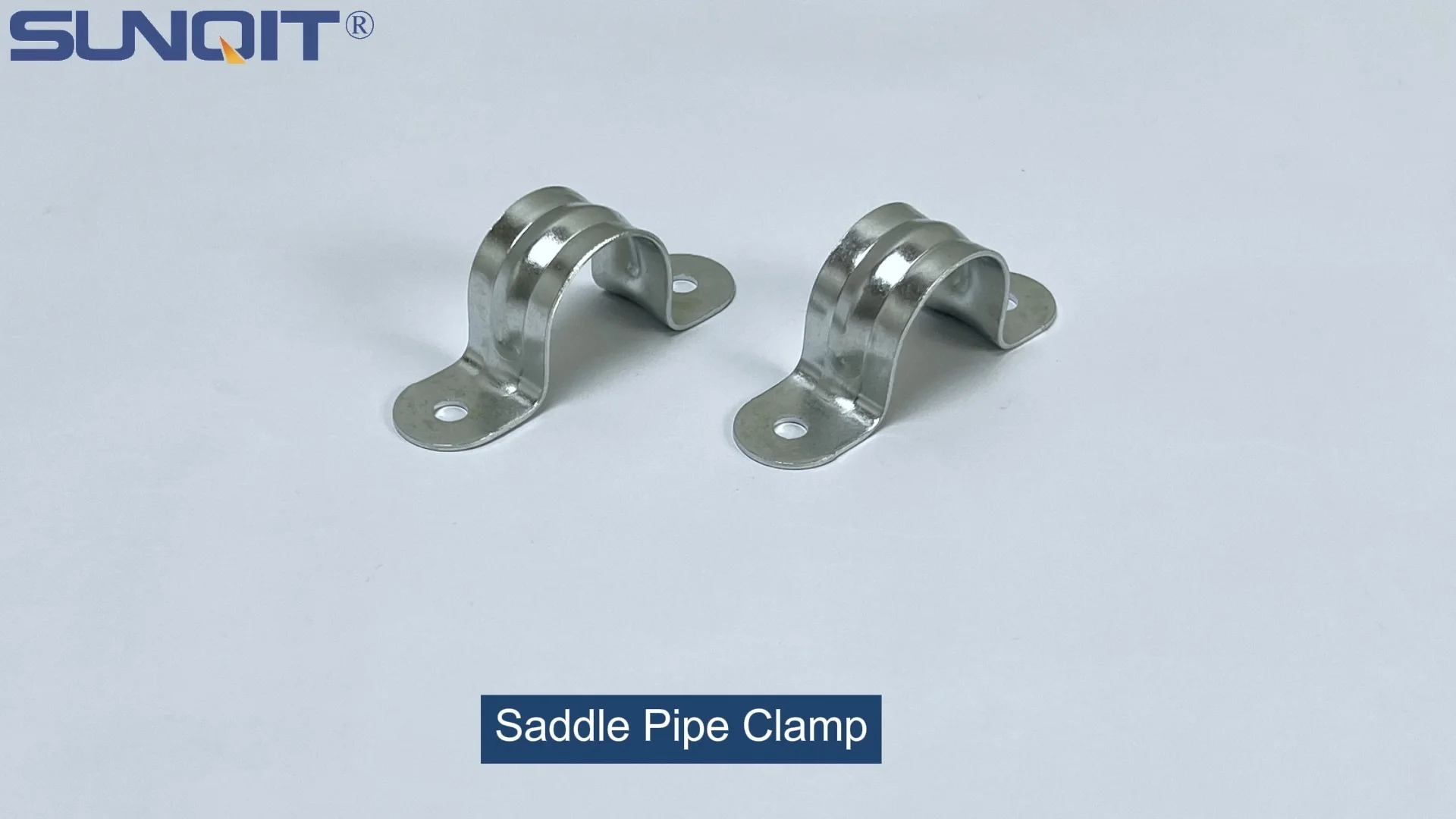
Saddle Pipe Clamp
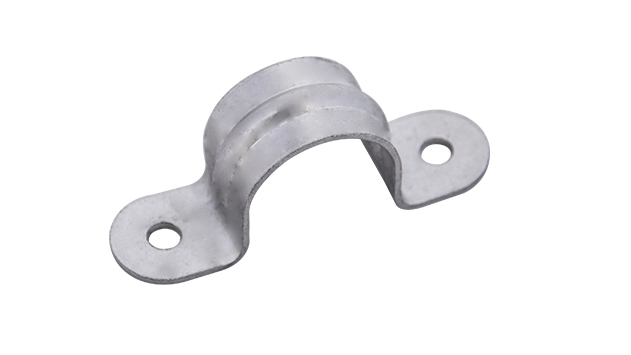
Saddle pipe clamp, used for board connect with pipe, usually for table top installation.
In the fast-paced world of warehouse logistics, where every second counts and efficiency is the backbone of operations, even the smallest components can make or break a lean system. Imagine a bustling distribution center: conveyor belts hum as packages glide toward shipping, workbenches are organized with precision, and flow racks keep inventory within arm's reach. But beneath this seamless surface lies a hidden vulnerability—unsecured pipes. Whether they're part of a conveyor's roller track, a workbench frame, or the structure of a flow rack, loose pipes can disrupt workflows, cause downtime, and erode the very efficiency that lean logistics strive to achieve. Enter the unsung hero of this ecosystem: the saddle pipe clamp. This unassuming component may not grab headlines, but its role in securing pipes is critical to maintaining the stability, flexibility, and waste reduction that define lean solutions.
In this article, we'll dive into the world of saddle pipe clamps, exploring how they support lean logistics by securing pipes in conveyor systems, workbenches, and flow racks. We'll break down their design, materials, and applications, and explain why choosing the right clamp isn't just a matter of hardware—it's a strategic decision to protect your lean system's integrity.
What Are Saddle Pipe Clamps, and How Do They Work?
At their core, saddle pipe clamps are mechanical fasteners designed to secure pipes, tubes, or rods to a fixed structure—think conveyor frames, workbench legs, or flow rack supports. Their name comes from their shape: a curved "saddle" that wraps around the pipe, paired with a base that attaches to the mounting surface (often a metal frame or aluminum profile). Most clamps use bolts, screws, or clips to tighten the saddle around the pipe, creating a snug, vibration-resistant hold that prevents shifting or rotation.
Unlike permanent fastening methods like welding, saddle pipe clamps offer flexibility—a key principle of lean systems. They can be easily installed, adjusted, or removed, allowing warehouses to reconfigure layouts as needs change (a common scenario in lean environments, where adaptability reduces waste from rigid, unchanging setups). This flexibility also simplifies maintenance: if a pipe needs replacement or a conveyor track requires realignment, clamps can be loosened and retightened without damaging the pipe or the structure.
Saddle pipe clamps come in a variety of sizes to fit different pipe diameters, from small 0.5-inch lean tubes to larger 2-inch aluminum pipes used in heavy-duty conveyor systems. Their materials vary too, depending on the environment: steel clamps for high-load applications, plastic for lightweight or corrosion-prone areas, and stainless steel for cleanrooms or food-grade facilities. No matter the type, their primary job remains the same: to keep pipes where they belong, so your logistics system keeps moving.
Why Saddle Pipe Clamps Matter in Lean Logistics
Lean logistics is built on eliminating waste—whether it's time, motion, or materials. When pipes in a conveyor system loosen, waste multiplies quickly. A misaligned roller track, for example, can cause packages to jam, leading to downtime (waiting waste) and requiring workers to stop, adjust, and restart the line (motion waste). In a workbench setup, a wobbly lean pipe frame might mean tools fall off, forcing employees to search for them (search waste) or rework tasks (defect waste). Even flow racks, which rely on gravity to feed inventory to pickers, can fail if their supporting pipes shift, altering the angle of the rack and slowing item flow.
Saddle pipe clamps combat these issues by creating a stable foundation. By securing pipes tightly, they prevent the vibrations from conveyor motors or daily operations from loosening connections. This stability reduces the need for constant rework and adjustments, keeping workflows uninterrupted. In lean terms, this translates to less "non-value-added" activity—time spent fixing problems instead of moving products—and more focus on core tasks that drive productivity.
Another lean principle is "just-in-time" (JIT) production, which minimizes inventory by delivering materials exactly when needed. For JIT to work, conveyor systems must run like clockwork. A loose pipe in a roller track can throw off timing, causing delays in material delivery and disrupting the entire production schedule. Saddle pipe clamps ensure that conveyor components stay aligned, so materials flow to workstations precisely when they're required—no more, no less. In this way, even a small clamp becomes a guardian of JIT efficiency.
Types of Saddle Pipe Clamps: Choosing the Right Fit for Your Application
Not all saddle pipe clamps are created equal. The right clamp depends on the pipe material (lean pipe, aluminum pipe, or stainless steel), the load it needs to support, and the environment (e.g., wet, dusty, or high-vibration areas). Below is a breakdown of common types, their materials, and ideal applications:
| Clamp Type | Material | Load Capacity (Typical) | Best For | Key Advantage |
|---|---|---|---|---|
| Standard Steel Saddle Clamp | Mild Steel | Up to 500 lbs | Heavy-duty conveyor systems, flow racks with metal pipes | High strength; ideal for static or low-vibration loads |
| Stainless Steel Saddle Clamp | 304/316 Stainless Steel | Up to 400 lbs | Food processing, pharmaceutical, or outdoor conveyor systems (resists corrosion) | Corrosion resistance; suitable for wet or sanitized environments |
| Plastic Saddle Clamp | Nylon or Polypropylene | Up to 100 lbs | Lightweight lean pipe workbenches, electronics assembly lines (ESD-safe options available) | Non-conductive; prevents scratching on aluminum or painted pipes |
| Aluminum Saddle Clamp | Aluminum Alloy | Up to 300 lbs | Aluminum profile conveyor frames, lightweight flow racks | Lightweight yet durable; matches aluminum pipe aesthetics and reduces weight |
For example, a warehouse using aluminum lean pipes in its workbenches might opt for aluminum saddle clamps to maintain a lightweight, cohesive design. Conversely, a steel mill with heavy conveyor systems would choose standard steel clamps for their high load capacity. In food warehouses, where moisture and sanitization are concerns, stainless steel clamps prevent rust from compromising the clamp's grip.

Saddle Pipe Clamps in Action: Real-World Applications
To understand the impact of saddle pipe clamps, let's look at three critical areas of warehouse logistics: conveyor systems, workbenches, and flow racks. In each case, clamps play a unique role in upholding lean principles.
1. Conveyor Systems: Keeping Roller Tracks Aligned
Conveyor systems are the arteries of a warehouse, moving products from receiving to shipping with minimal human intervention. Their roller tracks—often made of steel or aluminum roller track guide rails—depend on precise alignment to prevent jams. A single loose pipe in the track can cause packages to tilt, get stuck, or even fall, halting the entire line. Saddle pipe clamps secure the roller track's support pipes to the conveyor frame, ensuring the track remains level and stable, even under the stress of constant vibration from moving rollers.
Consider a distribution center using a 40 steel roller track with yellow wheels to transport boxes. Without clamps, the track's supporting lean pipes might shift over time, creating uneven sections. By installing heavy-duty steel saddle clamps at 12-inch intervals along the track, the facility ensures the pipes stay fixed, reducing jams by 80% and cutting downtime from 2 hours/week to less than 30 minutes. That's a direct win for lean: less waste (downtime) and more value-added work (shipping packages).
2. Workbenches: Stability for Precision Tasks
Workbenches are the workhorses of assembly lines, where employees perform detailed tasks like sorting, packing, or electronics assembly. Many modern workbenches use lean pipes or aluminum pipes for their frames, prized for their modularity (a key lean trait—easy to reconfigure). But a wobbly workbench frame can lead to errors, slower task completion, and even ergonomic issues (workers hunching to compensate for instability). Saddle pipe clamps secure the bench's vertical and horizontal pipes to its legs or crossbars, creating a rigid surface that supports precision work.
Take an electronics manufacturer using an ESD workstation (designed to prevent static damage to sensitive components). The workstation's frame is built with aluminum lean pipes, and its surface must remain steady to avoid jarring delicate circuit boards. By using plastic saddle clamps (non-conductive to maintain ESD safety), the manufacturer ensures the frame doesn't shift, reducing part damage by 30% and improving worker focus—another lean win, as fewer defects mean less rework (waste) and higher quality.
3. Flow Racks: Maintaining Gravity-Powered Efficiency
Flow racks are a staple of lean inventory management, using gravity to slide products toward the front, so pickers always access the oldest stock first (FIFO—First In, First Out). Their design relies on a slight incline in the rack's rails, which are often supported by lean pipes or aluminum profiles. If these support pipes loosen, the incline changes, slowing or stopping product flow. Saddle pipe clamps keep the rails' support structure fixed, ensuring a consistent angle and smooth product movement.
A retail warehouse using a material rack B (3 row and 3 floor) with swivel roller balls 1 inch to move boxes might face issues if the rack's vertical pipes shift. Over time, uneven pipe alignment could cause boxes to get stuck halfway down the rack, requiring pickers to manually dislodge them (motion waste). By installing stainless steel saddle clamps at the base and midpoint of each vertical pipe, the warehouse maintains the rack's geometry, keeping boxes flowing freely and reducing pick times by 15%.

Installing Saddle Pipe Clamps: Tips for Lean-Friendly Setup
Installing saddle pipe clamps may seem straightforward, but doing it right is key to maximizing their effectiveness—and minimizing waste from rework. Here are some lean-aligned best practices:
- Measure Twice, Clamp Once: Misaligned clamps can stress pipes, leading to premature wear. Use a level to ensure pipes are straight before tightening clamps—this prevents uneven pressure and extends the clamp's lifespan.
- Don't Over-Tighten: While a snug fit is critical, over-tightening can warp the pipe or strip the clamp's threads. Follow the manufacturer's torque guidelines (typically 15-25 ft-lbs for steel clamps) to balance security and pipe integrity.
- Use the Right Fasteners: Pair clamps with corrosion-resistant bolts (e.g., stainless steel) if installing in damp areas. For aluminum pipes, use plastic or aluminum bolts to avoid galvanic corrosion (a chemical reaction between dissimilar metals).
- Label Clamp Locations: In lean systems, consistency is key. Labeling where clamps should be placed (e.g., "Clamp every 24 inches on conveyor track A") ensures that reconfigurations or repairs follow the same standards, reducing variability and errors.
Choosing a Saddle Pipe Clamp Supplier: What to Look For
Not all saddle pipe clamps are created equal, and neither are their suppliers. When selecting a supplier for your lean system, prioritize partners who understand the unique demands of logistics and lean principles. Here are key factors to consider:
Range of Sizes and Materials: A good supplier should offer clamps for common pipe diameters (0.5-inch to 2-inch) and materials (steel, stainless steel, plastic, aluminum) to match your existing lean pipe, conveyor, or workbench components.
Quality Testing: Ask if clamps undergo load testing or corrosion resistance checks. For example, stainless steel clamps should meet ASTM standards for rust resistance, ensuring they hold up in harsh environments.
Lean-Friendly Service: Suppliers who align with lean values will offer just-in-time delivery (to reduce inventory waste), bulk pricing (for cost efficiency), and technical support to help you choose the right clamp for your application.
Customization Options: In some cases, standard clamps won't fit unique setups (e.g., non-standard pipe diameters or curved surfaces). A supplier willing to customize clamps can save you from workarounds that compromise stability.
Conclusion: Small Clamps, Big Impact on Lean Logistics
In the grand scheme of warehouse logistics, saddle pipe clamps may seem trivial. But as we've explored, their role in securing pipes is foundational to the stability, flexibility, and efficiency that define lean systems. Whether they're keeping a conveyor's roller track aligned, a workbench steady, or a flow rack's products flowing, these clamps prevent waste, reduce downtime, and protect the investments you've made in your lean solution.
The next time you walk through your warehouse, take a moment to notice the pipes in your conveyors, workbenches, and flow racks. Chances are, saddle pipe clamps are hard at work holding them together—quietly supporting the lean goals that drive your success. And when it's time to replace or upgrade those clamps, remember: choosing the right one isn't just about hardware. It's about choosing to keep your lean system strong, efficient, and ready to adapt to whatever the future brings.